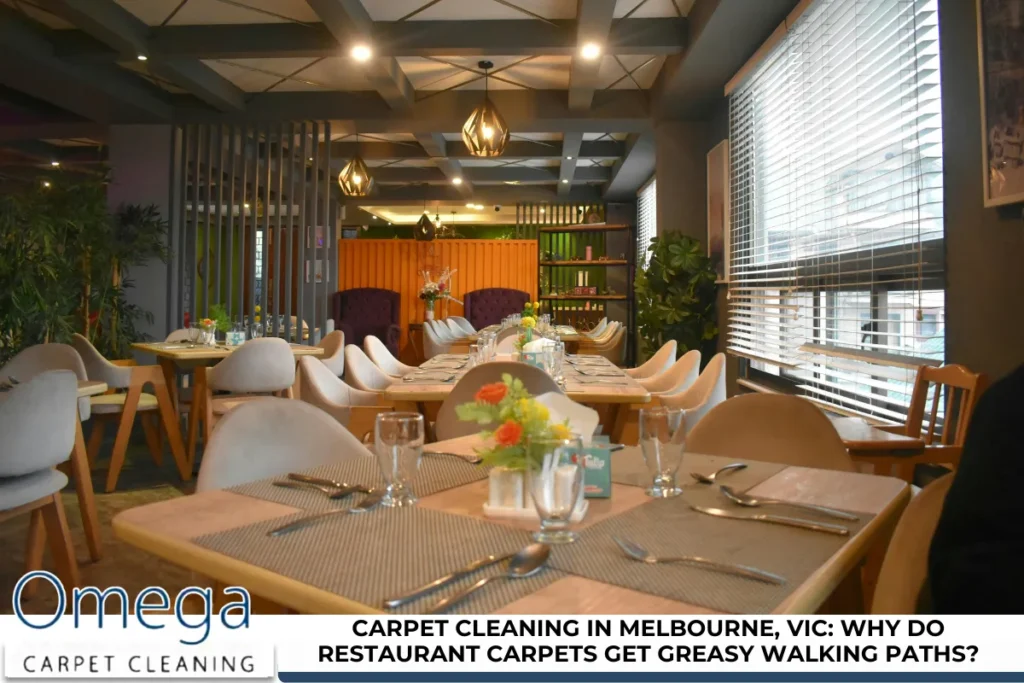

Carpet cleaning is the one thing standing between a Melbourne restaurant’s polished first impression and those dark, sticky lanes that form between the kitchen door and the dining floor. If you run a hospitality venue, you have probably noticed these greasy walking paths growing more visible every month, resisting every vacuum pass and DIY spray you throw at them. Restaurant carpets develop greasy walking paths due to tracked-in grime and airborne kitchen fats that bond with fibres over time. The problem compounds silently until guests feel grit underfoot and staff start slipping on compacted grease. This article breaks down exactly why those traffic lanes appear, what keeps them locked in, and the proven methods Melbourne venues use to eliminate them for good.
Why Restaurant Carpets in Melbourne Develop Greasy Walking Paths
Melbourne restaurants operate some of the longest trading hours in Australia, and that relentless pace is exactly what creates greasy carpet lanes. From early breakfast through late-night service, staff walk the same routes hundreds of times each shift, carrying plates, clearing tables, and shuttling between the kitchen and the floor. Every pass transfers microscopic layers of cooking oil, animal fat, and spilled sauces onto the same narrow strips of carpet.
Commercial kitchens generate more than just food. During heavy cooking, airborne grease particles settle onto dining room floors, drifting through pass windows, swinging doors, and open service corridors. These vapours coat fibres with a fine oily film that is invisible at first but accumulates steadily. Venues across Lygon Street, the CBD laneways, Chapel Street, and St Kilda face this challenge year-round because their dense customer flow and extended hours accelerate the build-up.
High foot traffic increases grease and dirt accumulation on carpets far beyond what normal vacuuming can handle. The oils bond to fibres, attract dust and grit, and gradually darken into those unmistakable traffic lanes. Without intervention from a professional carpet cleaner, the pathways grow shinier, stickier, and more slippery with each passing month.
Key Takeaways
- Greasy walking paths form where staff and diners repeatedly carry oils, fats, and food residues from kitchens and service areas into carpeted zones, creating dark traffic lanes that standard vacuuming cannot fix.
- Heat, friction, and moisture cause cooking oils to bond deeply with carpet fibres, trapping dirt and producing sticky, discoloured strips across dining rooms.
- Restaurant carpets often require special maintenance due to high foot traffic and grease residue, making regular professional cleaning every three to six months the most effective solution.
- Method choice matters: steam cleaning delivers deep grease extraction, while low-moisture systems offer faster drying for venues with tight service windows.
- Victorian food premises regulations expect all floor coverings, including carpets, to be maintained in a clean and sanitary condition to support safe operation.
The Science Behind Greasy Traffic Lanes in Restaurant Carpets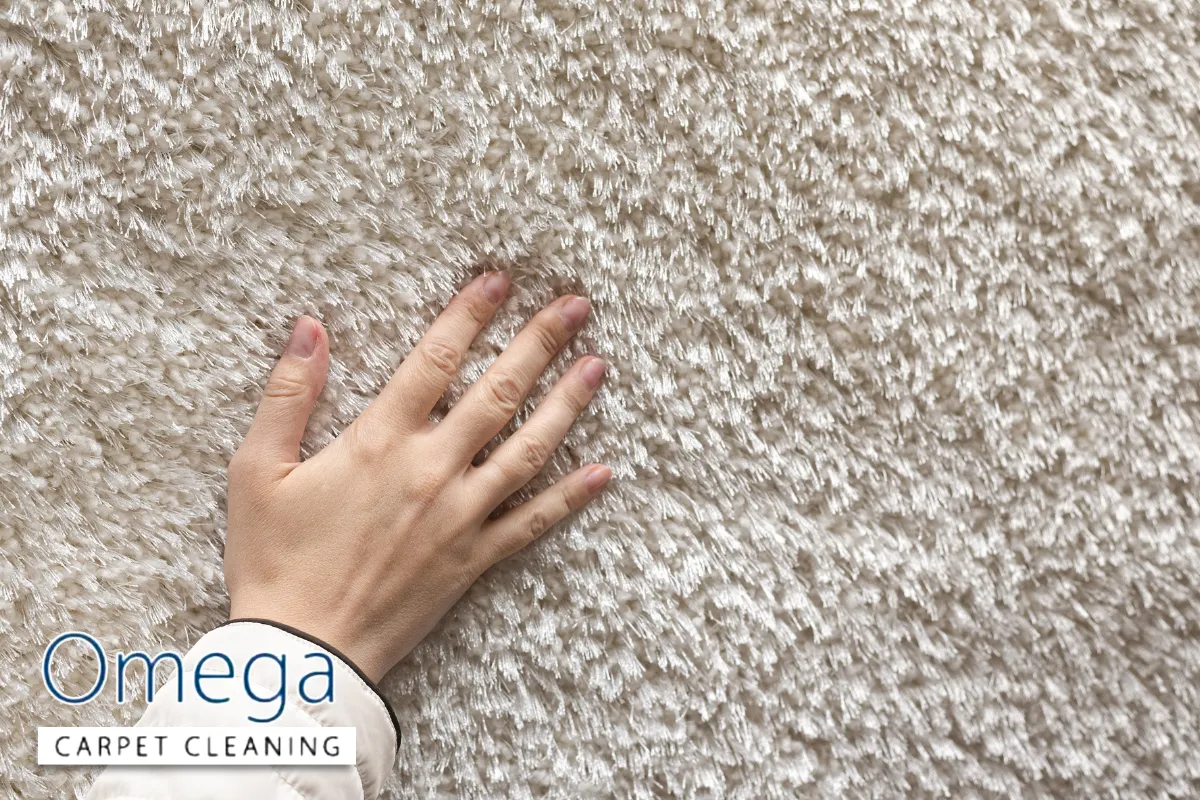
Greasy walking paths are not simply a sign of neglect. They are the result of chemistry and physics working against carpet fibres in a high-temperature, high-traffic environment.
Typical restaurant soils are a complex mixture of fats from cooking oil and animal products, proteins from meat and dairy, sugars from sauces and soft drinks, pigments from wine and condiments, and fine particulates like dust and grit. The lipid component is hydrophobic, meaning it actively resists water-based cleaning and clings to fibre surfaces.
Heat plays a significant role. Warmth radiating from kitchens, combined with body heat and ambient room temperature, softens oils and helps them migrate deeper into the carpet pile and backing. Each footstep then compresses those softened oils further into the fibre structure, polishing and flattening the pile so traffic lanes reflect light differently and appear visibly darker than surrounding areas.
Oils function like glue in this environment. Once deposited, they attract and bind dry soil, creating a layer that feels both sticky and gritty underfoot. Over time, oxidation causes trapped grease to darken, yellow, and chemically bond with nylon or wool fibres. At that stage, household methods and consumer-grade carpet washers simply cannot break the bond. Only professional-grade degreasers combined with extraction methods can reach and remove these deeply set soils.
Odours compound the problem. Trapped cooking oil and food residues slowly release volatile compounds, contributing to that stale, greasy smell diners notice when they walk into an under-maintained venue.
Common Causes of Greasy Walking Paths in Melbourne Restaurants
Several factors work together to create those persistent grease lanes. Understanding each one helps target prevention where it matters most.
The primary culprit is the kitchen-to-dining room route. Swinging doors, pass windows, and service corridors become the greasiest lanes because staff carry plates and trays through them every few minutes. Foot traffic from the kitchen transfers contaminants onto adjacent carpets with every shift, building layer upon layer of residue. Grease buildup often comes from cooking oils and food spills that accumulate along these exact paths.
Drinks and bar service add another dimension. Oil and sugar from cocktails, beer, milkshakes, and garnishes get tracked from bar mats and spill zones onto adjoining carpet, forming secondary traffic lanes near the bar front.
Buffet and self-serve areas create wide-spread contamination. Patrons spill small amounts of salad dressings, sauces, and oils, then walk those residues across carpeted banquet rooms and function spaces.
Insufficient matting is a frequent oversight. Entry mats that are too short, too thin, or excessively worn fail to capture grease and street grime before shoes hit the carpet.
Poor daily maintenance accelerates damage. When staff skip pre-vacuuming and spot treatment, oils sit overnight, cool, and harden into the fibre structure, becoming far more difficult to remove later.
Improper cleaning can lead to sticky residue attracting dirt rather than solving the problem. Using dish detergent or too much water spreads grease sideways and leaves films that make traffic lanes re-soil faster than before.
Health, Safety, and Compliance Risks of Greasy Restaurant Carpets
Greasy walking paths are more than an appearance issue. They carry real consequences for hygiene, safety, and regulatory compliance in Victorian food premises.
Heavily greased fibres become slick, particularly where carpet transitions to tile or vinyl flooring. This increases the risk of staff and customer slips, especially during busy service when staff move quickly between surfaces. A single fall can result in injury claims, lost shifts, and reputational damage.
Warm, oily residues trap moisture and food particles, creating favourable conditions for bacteria and mould growth. Some advanced cleaning technologies, such as Electrodry’s Electro-Shield, can kill 99.9% of bacteria for up to six weeks after treatment, highlighting just how persistent bacterial contamination can be when left untreated. Allergens including dust, pollen, and food particles trapped in oily carpets can aggravate respiratory conditions for staff and guests, particularly in enclosed Melbourne dining rooms during winter months.
Decomposing food soils and oils release volatile compounds that affect indoor air quality and produce persistent odours customers notice the moment they walk in. These smells signal neglect and can show up in online reviews.
Visible dark tracks from the entrance to the tables undermine the dining experience. In competitive areas across Melbourne, a dirty carpet path can be the difference between a five-star review and a complaint.
Under the Victorian Food Act 1984 and local council guidelines, floor coverings in food premises must be maintained in a clean, sanitary condition. While carpet is generally not permitted in food preparation zones, councils expect dining area floors to be kept to a standard consistent with safe, hygienic operation.
Read How to Remove Luggage Wheel Marks: Hotel Carpet Cleaning in Melbourne, VIC
How Often Should Restaurant Carpets in Melbourne Be Professionally Cleaned?
Frequency depends on foot traffic volume, cuisine type, and trading hours, all of which vary widely across Melbourne’s hospitality scene.
As a general guideline, carpets in restaurants require cleaning every three to six months. Busy CBD restaurants, casual diners, and high-volume venues typically need professional hot water extraction scheduled every three months, while quieter fine dining establishments may extend intervals to six months. Professional hot water extraction should be scheduled every three to six months for deep cleaning to keep grease from becoming permanent.
Extreme high-traffic zones such as buffet aisles, bar fronts, and kitchen doorways benefit from monthly or bi-monthly interim maintenance to prevent dark lanes from setting in. Venues with extended trading hours, like late-night bars or seven-day eateries, accumulate soil faster and need shorter intervals between treatments.
Synthetic carpets may require more frequent cleaning than natural fibres, as they tend to hold onto oily residues differently and can show traffic lanes sooner. A planned maintenance program, where a carpet cleaning service rotates deep-cleaning different sections each visit, keeps operations running smoothly without shutting down the entire venue at once.
Between scheduled visits, daily vacuuming, prompt spot treatment, and well-placed walk-off mats remain essential for controlling grease buildup. Many landlords and commercial leases also require evidence of periodic lease carpet cleaning to protect property value and avoid disputes at the end of a tenancy.
Best Professional Methods to Remove Greasy Paths from Restaurant Carpets
Not every carpet cleaning method handles cooking oil and grease equally. Choosing the right approach depends on the severity of buildup, carpet fibre type, and your venue’s operating schedule.
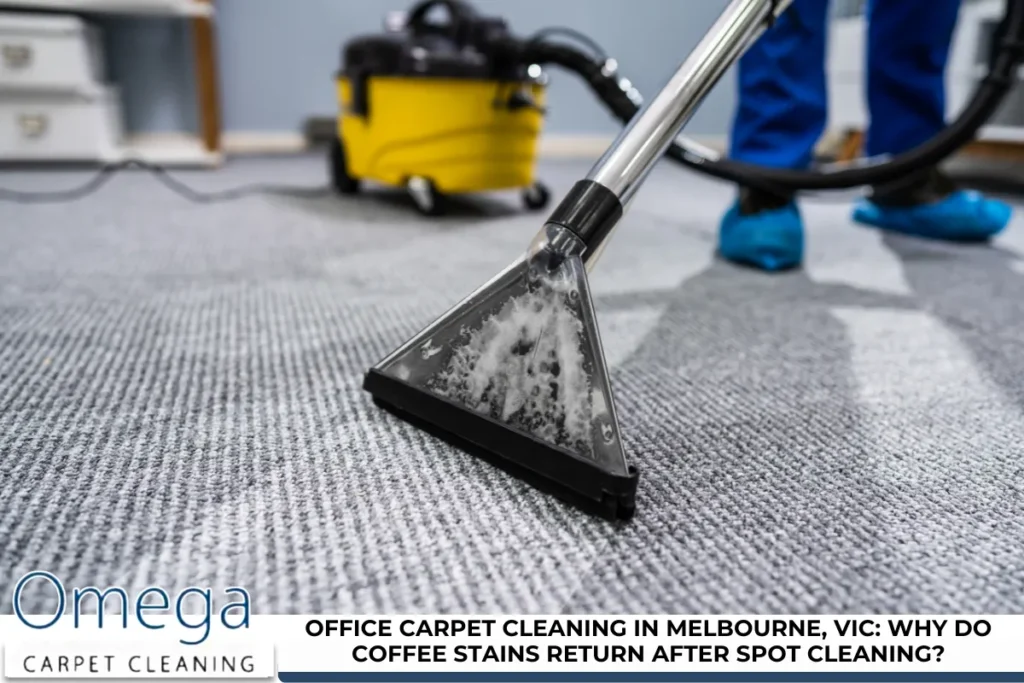
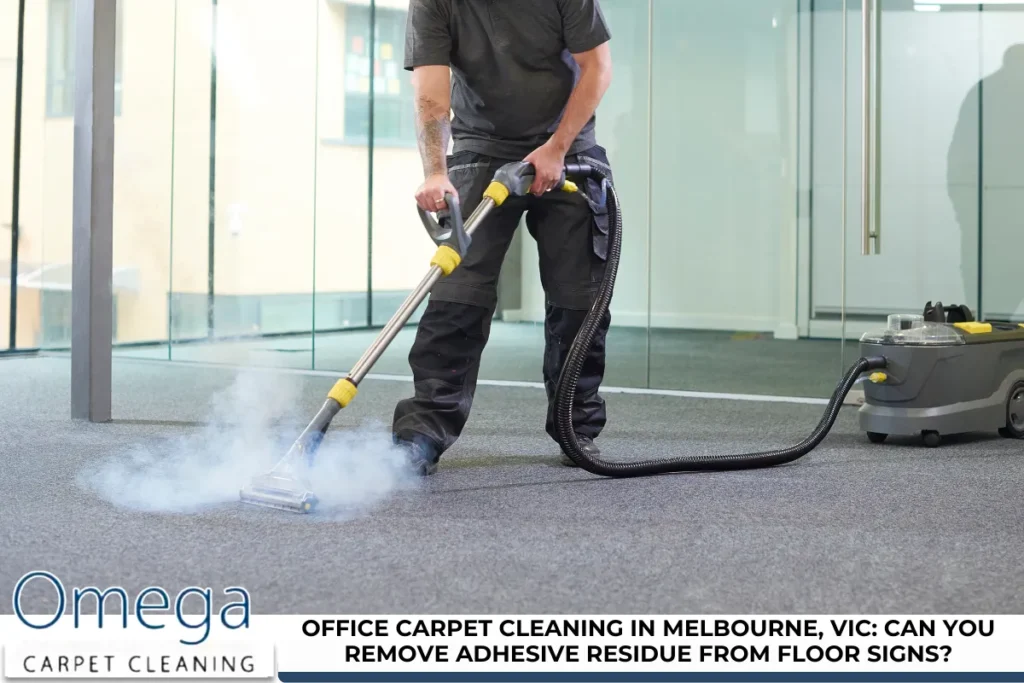
Hot water extraction, commonly known as carpet steam cleaning, uses high-temperature water combined with commercial degreasers to emulsify oils locked in traffic lanes. Carpet steam cleaning effectively removes stubborn stains and odours, making it the preferred method for deep restorative work. Steam cleaning uses ten to fifty litres of water per room, so proper extraction and drying management are essential.
Low-moisture and encapsulation methods suit venues needing faster drying between services. Encapsulation cleaning involves using polymers to capture and remove greasy soil, which is then vacuumed away after drying. Some dry cleaning systems use approximately one litre of moisture per room and leave carpets walk-on dry in one to two hours, a significant advantage for restaurants operating lunch and dinner services on the same day. Dry cleaning can tackle more stains than steam cleaning in certain grease-heavy scenarios where minimal downtime is critical.
Pre-sprays and spot degreasers are vital preparation steps. Applying restaurant-grade pre-treatment to cooking oil paths before any extraction loosens bonds and dramatically improves results. Agitation tools such as counter-rotating brush machines work solutions deep into compacted traffic lanes and help restore crushed pile.
Proper rinsing and pH balancing after cleaning prevents residue from remaining on fibres. Without a thorough rinse, leftover alkaline cleaning agents attract fresh dirt and can make traffic lanes reappear within weeks. Professional carpet cleaning can take between one to four hours depending on venue size and severity of contamination.
Daily and Weekly Maintenance to Prevent Greasy Walking Paths
Even the most thorough professional work loses its effectiveness if daily routines in the restaurant fall short. Prevention is a team effort.
Daily vacuuming helps remove dry, abrasive soil before it bonds with oils on the carpet surface. Use a commercial-grade vacuum with strong suction and rotating brush heads, running it across dining areas at least once after each service. Vacuuming high-traffic lanes multiple times a day benefits carpet maintenance significantly, particularly in front of kitchen exits and bar areas.
Immediate action on spills prevents oils from soaking into the carpet pile and becoming permanent marks. Train staff to blot visible spills with clean cloths and apply a carpet-safe degreaser, never kitchen detergent, which can leave residue and damage dyes.
Mats and runners can help reduce dirt and grease transfer in high-traffic areas. Place heavy-duty walk-off mats at the kitchen exit, bar stations, and the main entrance, and clean or replace them weekly. A worn mat is barely better than no mat at all.
Establish an end-of-shift checklist where a supervisor visually inspects for fresh spills, sticky patches, and emerging traffic marks. Log any findings so they can receive prompt attention the following morning.
Keep vacuum filters clean and brushes free of hair and debris. A clogged vacuum loses suction rapidly and pushes soil around instead of removing it.
Run short training sessions every few months to remind team members how their footwear choices, spill response speed, and cleaning habits directly affect carpet life and appearance across the venue.
Choosing the Right Carpet Cleaner for Melbourne Restaurants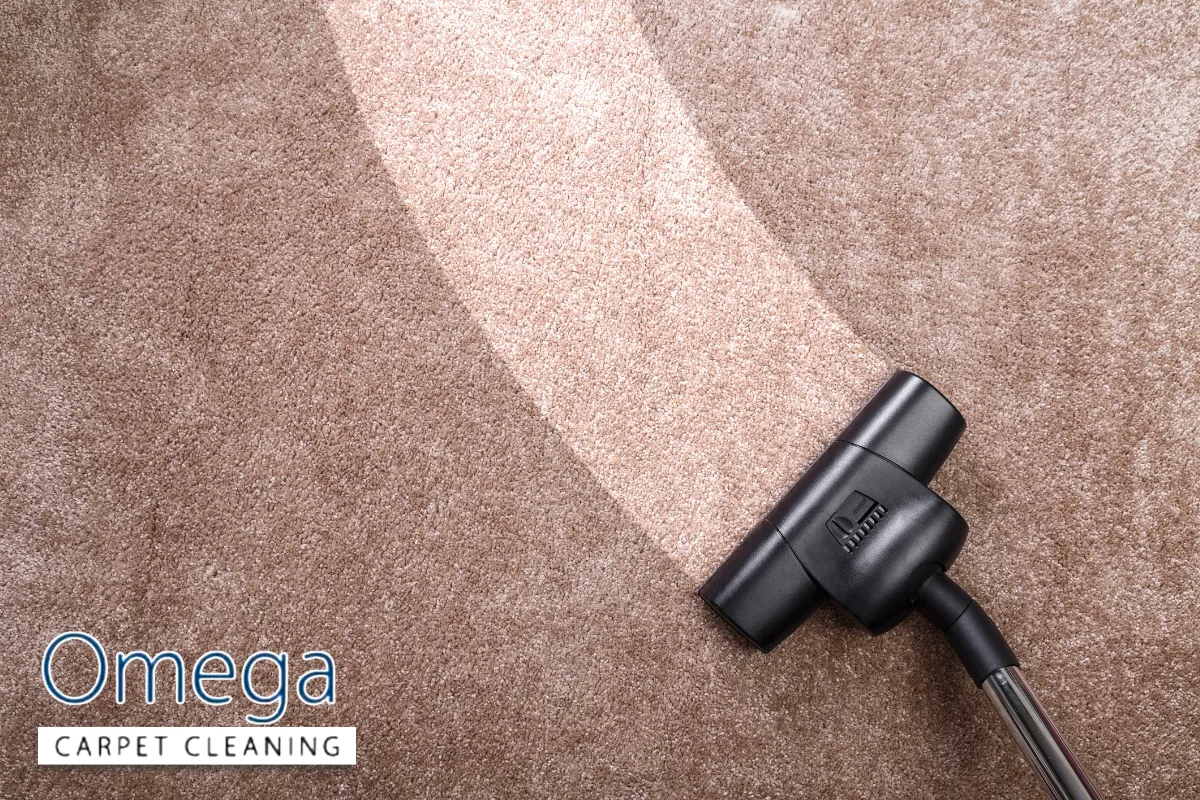
Restaurants need a specialist who understands hospitality requirements, not a general residential carpet cleaning provider unfamiliar with commercial grease challenges.
Look for carpet cleaners who regularly service cafes, pubs, hotels, and function centres across Melbourne suburbs. Experience with food venues means they already understand the unique soil types, time constraints, and compliance expectations involved. For context, established firms in the Melbourne market like the Squeaky Clean Team have cleaned over 50,000 carpets since 2007, demonstrating the volume of expertise the industry demands.
Ask whether the company offers hot water extraction, low-moisture options, and grease-specific pre-treatments suitable for your carpet fibre type. A provider limited to a single method may not be able to adapt to your venue’s needs, especially if you require faster drying times for same-day turnarounds.
A reliable carpet cleaner will understand Victorian health and safety guidelines regarding cleaning chemicals, slip resistance, and drying times in food premises. They should also offer scheduling flexibility, attending after close of trade or during off-peak hours to minimise disruption.
Verify that technicians are trained and that the company is fully insured with appropriate public liability coverage for commercial properties. Ask for references from similar venues and request written quotes that include stain removal options and ongoing maintenance schedules tailored to your traffic patterns. An efficient service provider will propose a plan, not just a one-off visit.
Related Cleaning Services for Melbourne Hospitality Venues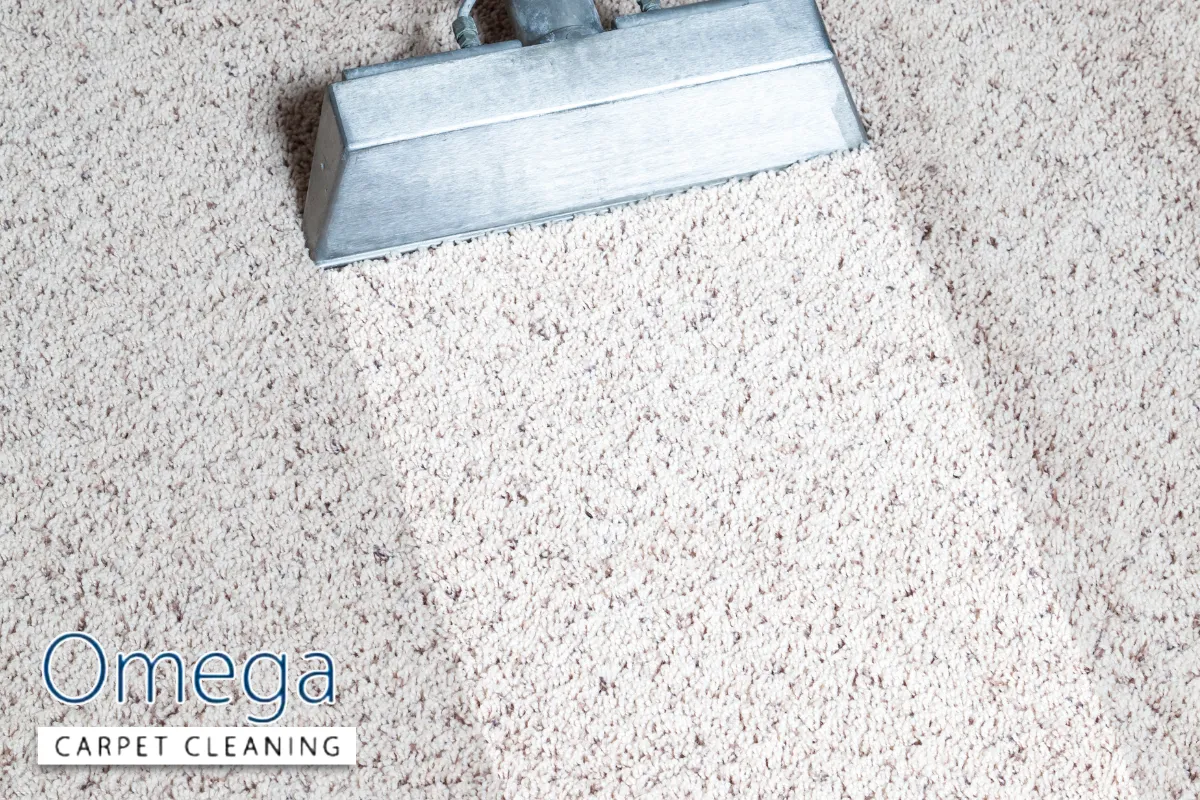
Greasy walking paths are part of a bigger cleanliness picture in restaurants, hotels, and cafes. Addressing carpets alone often leaves other surfaces contributing to odours and soil transfer.
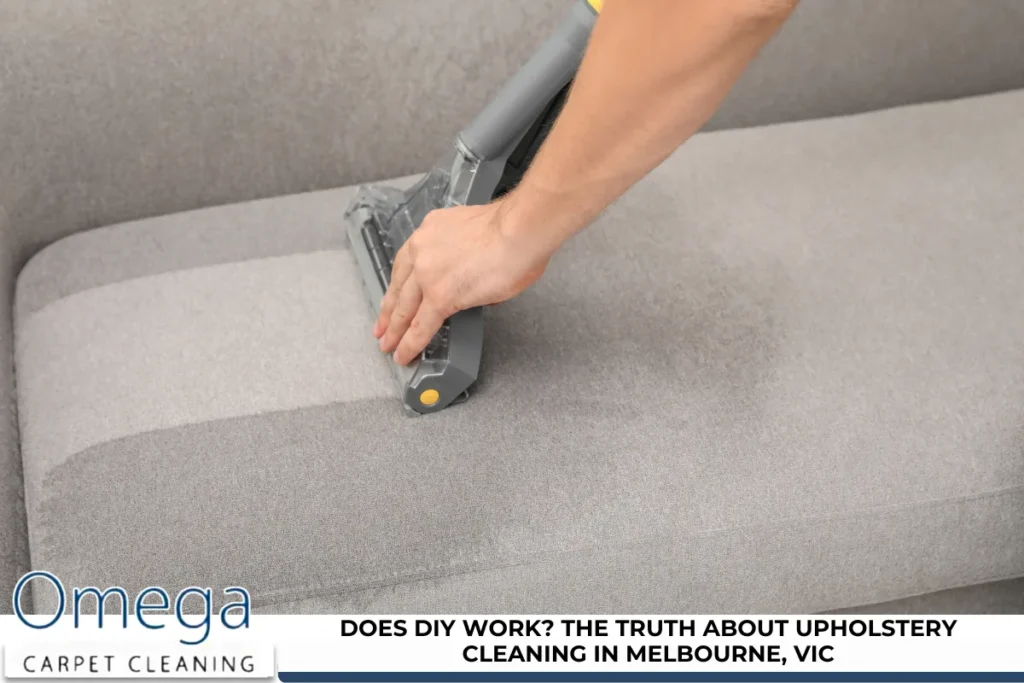
Upholstery and booth seating absorb cooking oils and body oils from diners over time. Regular upholstery cleaning keeps fabric chairs, couches, and sofa seating free from greasy films and reduces the stale smell that builds up in enclosed dining rooms. An upholstery cleaning service paired with carpet work ensures consistent results across all soft furnishings and furniture.
Some venues use decorative rugs or runners in lobbies and bar areas. Rug cleaning for these pieces prevents concentrated grease and drink stains from becoming permanent, keeping entryways looking sharp.
Melbourne restaurants with accommodation or nearby hotels benefit from periodic mattress cleaning to remove allergens, body oils, and dust mites from guest rooms. Mattresses that go uncleaned accumulate the same types of soils that plague restaurant floors.
Tile and grout cleaning in commercial kitchens and bathroom areas is equally important. Periodic grout cleaning removes grease films from floors, walls, and bathroom tile, maintaining slip resistance and hygiene in wet areas.
Pairing carpet and upholstery work with professional deodorising helps neutralise cooking and spill odours without overpowering diners with heavy fragrance. Coordinating these services across your venue creates a consistently clean impression from the entry to the dining room to the restroom, supporting positive reviews and repeat visits from customers.
Practical Tips Melbourne Restaurateurs Can Implement This Week
These are steps any venue can act on before the next professional carpet cleaning appointment lands on the calendar.
Rearrange walkways where possible. Slightly re-routing traffic flow or rotating table positions avoids overusing the same carpet strips and gives traffic lanes a chance to recover between deep cleans.
Upgrade your mats. Measure kitchen exits and main entries, then install longer, heavier-duty walk-off mats before the next long weekend rush. A quality mat should extend at least six to eight steps to capture maximum soil.
Implement a shoe protocol. Encourage staff to wear non-slip, closed shoes reserved exclusively for work. This reduces outside contaminants carried in from the street and improves grip on any residual grease on the floor.
Introduce a spills log. Create a simple notebook or digital record where staff note large spills, sticky incidents, and their locations. This log helps a professional target problem areas during future visits rather than guessing where grease has accumulated.
Book a professional assessment. Arrange a site visit from a commercial carpet cleaner to map your traffic lanes, test fibre types, and build a tailored maintenance schedule. Most providers offer this at no cost.
Track your results. Take before-and-after photos of high-traffic lanes following each intervention. Use these images to refine cleaning routines, justify maintenance budgets, and train new staff on what difference regular care makes. A few hours of preparation each week can save thousands in premature carpet replacement.
Carpet Cleaning in Melbourne, VIC – Omega Carpet Cleaning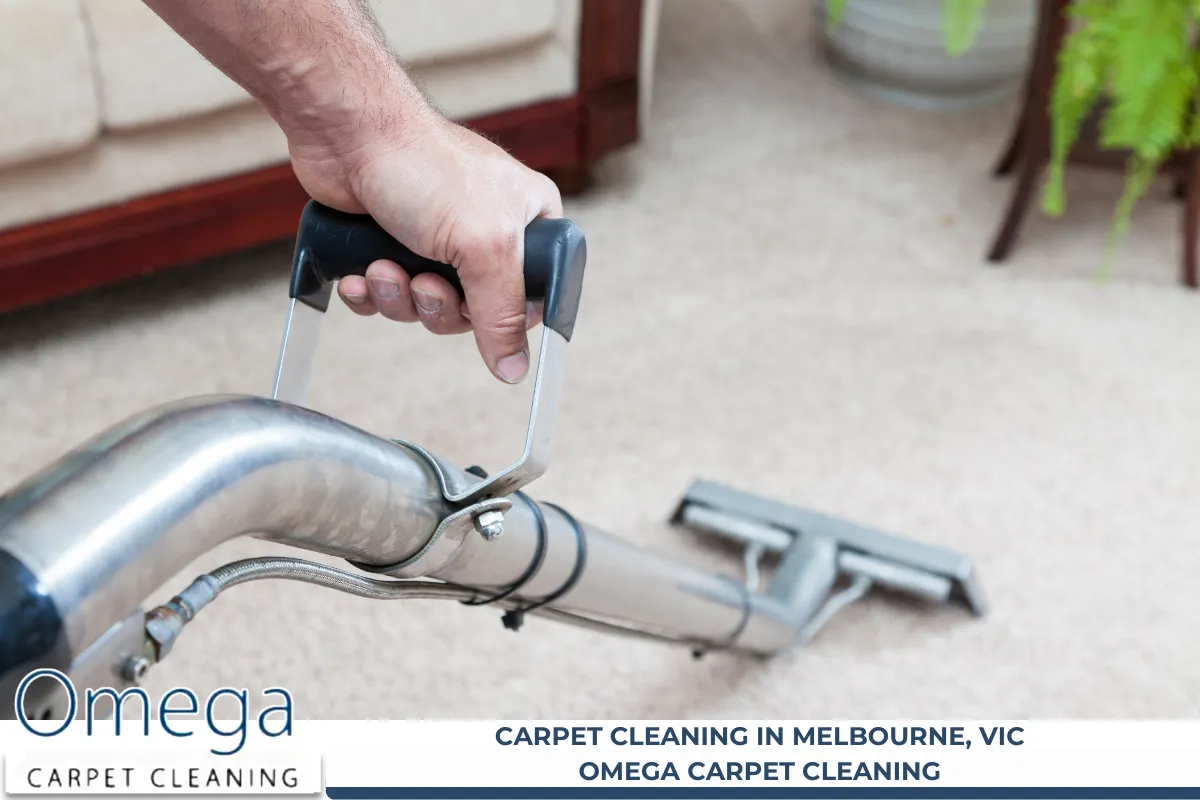
We are Omega Carpet Cleaning, a Melbourne-based carpet cleaning service with 23 years of industry experience helping restaurants, cafes, and hospitality venues tackle greasy walking paths and heavy-traffic soiling. We service Melbourne, Victoria and all surrounding areas, with flexible after-hours appointments designed around your trading schedule.
Our services include hot water extraction, low-moisture systems, and targeted degreasing treatments built specifically for commercial venues. We use professional steam cleaning equipment and carefully selected cleaning agents to break down cooking oils while protecting your carpet fibres. Every job is completed with a thorough rinse to maintain a safe, low-residue finish.
Whether you need a one-off restorative clean or a regular professional cleaning program, we are ready to help. Call Omega Carpet Cleaning on 0406 996 819 or fill out our online contact form to receive a tailored quote. We understand Melbourne’s hospitality demands and can help extend the life of your carpets, improve hygiene, and keep your dining room looking fresh for every guest.
Frequently Asked Questions
How Can I Tell if Restaurant Carpet Grease Damage Is Permanent?
Look for fibre distortion, heavy shading that persists even after spot treatment, or worn patches where carpet backing shows through. Oxidised grease that has sat for months or years can permanently discolour light-coloured carpets, particularly in older Melbourne venues with original flooring. A practical test is to have a professional clean a small corner of the worst traffic lane. If colour and texture recover noticeably, restorative cleaning across the full area is likely worthwhile. If fibres remain flattened and discoloured after treatment, replacement may be the only option. Always consult a qualified carpet cleaner before committing to full replacement, as specialist degreasers and mechanical agitation can sometimes restore areas that look beyond saving.
Should I Replace Carpet with Hard Flooring to Avoid Greasy Paths?
Hard floors are easier to maintain in extreme grease zones near buffet stations or kitchen doors, and they meet compliance standards more readily in food preparation areas. However, they come with trade-offs: increased noise levels, reduced comfort for diners, and a higher risk of slips if grease reaches smooth tile surfaces without proper matting. A hybrid approach works well for many Melbourne venues, with hard flooring close to kitchens and bars and quality carpet retained in dining zones, protected by strong maintenance routines. Plenty of Melbourne restaurants successfully keep carpet throughout by combining mats, frequent vacuuming, and scheduled regular professional cleaning to manage grease before it bonds permanently.
Can Staff Use Kitchen Degreasers on Greasy Carpet Spots?
Avoid using heavy-duty kitchen degreasers or caustic products on carpet. These chemicals are formulated for non-porous surfaces like stainless steel and tile. On carpet, they can strip dyes, weaken fibres, and leave sticky residues that attract more dirt in the future. Some products may also breach safety guidelines when applied to soft furnishings in dining areas. Instead, keep a restaurant-safe carpet spotter on hand, ideally one recommended by your professional carpet cleaner, with clear instructions for staff. Always test any product in an inconspicuous corner first. Avoid over-wetting, as excess moisture can damage carpet backing, encourage mould, and create lingering smell issues beneath the pile.
How Long Should Restaurant Carpets Take to Dry After Professional Cleaning?
With modern equipment and proper ventilation, most restaurant carpets cleaned by hot water extraction dry within four to six hours. Low-moisture and dry cleaning systems cut this down significantly. Some methods leave carpets walk-on dry in just one to two hours, making them ideal for venues operating both lunch and dinner on the same day. Schedule cleaning after close of trade or on quieter days to allow full drying before reopening. Use fans, air conditioning, and open windows where possible to accelerate the process while keeping foot traffic to a minimum on damp sections. Rushing foot traffic across a wet carpet re-introduces soil and undoes much of the work completed during the clean.
What Should I Ask a Cleaner Before Booking Them for My Restaurant?
Start with their experience in hospitality venues. Ask what methods they use specifically for grease removal, what their typical drying times are, and whether they can provide references from similar restaurants or cafes. Confirm after-hours availability, as most Melbourne restaurants cannot afford to close during regular service for a carpet wash. Ask about noise levels from their equipment, and how they protect furniture, skirting boards, and adjoining hard floors during the process. Verify that the company carries public liability insurance and whether technicians hold recognised industry certifications. Finally, request a written maintenance plan rather than accepting a one-off visit. A reliable provider will map your traffic patterns and recommend a schedule that keeps greasy walking paths under control throughout the year.
Disclaimer
This article provides general guidance for Melbourne hospitality venues and does not replace professional or legal advice. Readers should confirm specific requirements with their local council, relevant Victorian regulatory authorities, and qualified cleaning professionals before making decisions about carpet maintenance or compliance.
Read What Kills Mould Under Carpets? Vital Advice from a Melbourne Carpet Cleaner