
Why Do Carpets Look Dirty Again So Soon After Washing?
Carpet cleaning is supposed to leave your floors fresh, not set the stage for the same marks to creep back a week later. Yet homeowners across Melbourne deal with this exact cycle: you spend a Saturday scrubbing, the carpet looks great for a day or two, then dark patches and familiar spots slowly reappear along walkways and around furniture. The frustration is real, and the problem is not your imagination. Improper cleaning can cause stains to reappear after drying, and the causes are more technical than most people realise. Three mechanisms drive it: wicking from deep in the carpet backing, sticky detergent residue left behind by domestic machines, and embedded soil that a basic carpet washer never reaches. Melbourne’s variable weather, closed-up houses in winter, and thick underlay common in local homes only make the drying process slower and the reappearance of dirt more likely. The rest of this article unpacks each cause and shows how a professional cleaner addresses them.
Key Takeaways
- Stains and dirt often reappear after a home carpet wash because of three causes: wicking from the backing, leftover detergent residue, and over-wetting that traps moisture in the underlay.
- DIY carpet washing and budget carpet washers frequently leave behind soap and excess water, creating a sticky surface that attracts new soil within weeks.
- Hot water extraction performed by professional carpet cleaners reduces wicking, strips residue, and controls drying times when executed correctly.
- Regular vacuuming, prompt spill treatment, and the right cleaning process keep carpets looking fresh between deep cleans.
- Melbourne homes face specific challenges including variable humidity, end-of-lease rental requirements under Victorian guidelines, and heavy foot traffic through entryways.
How Carpet Construction and Everyday Use Trap Hidden Dirt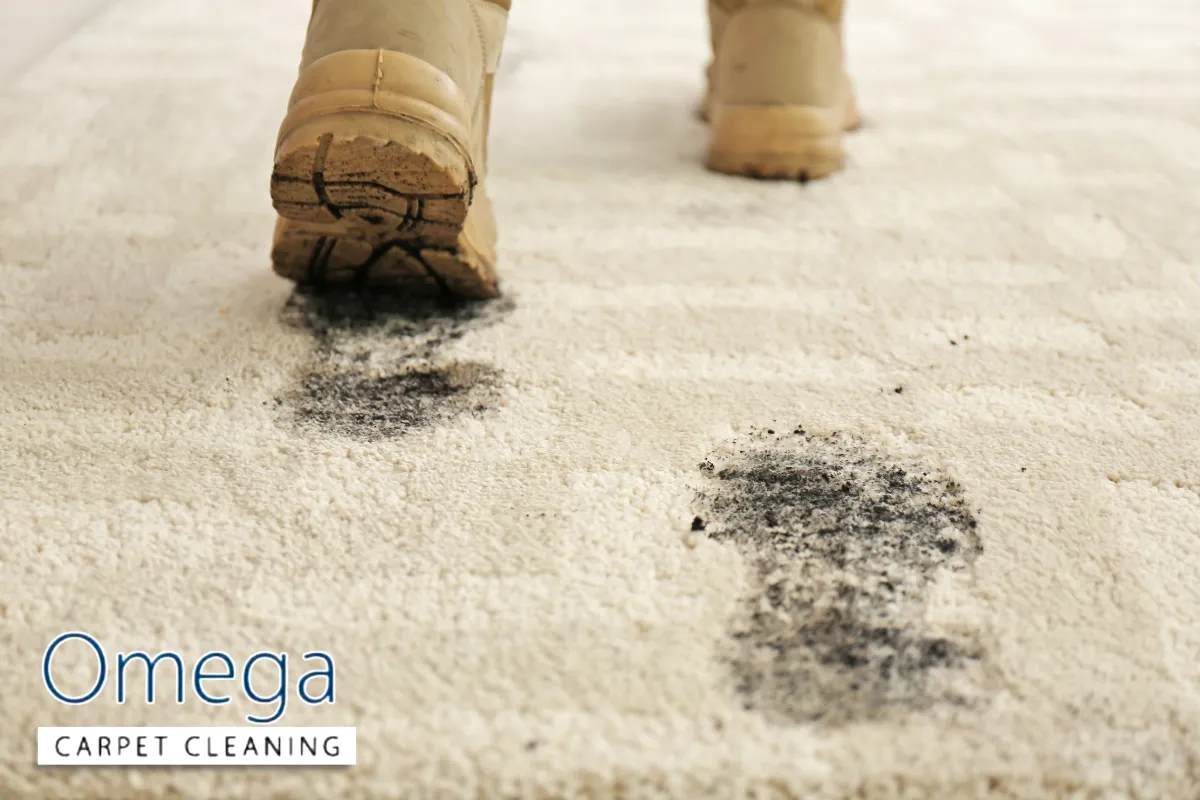
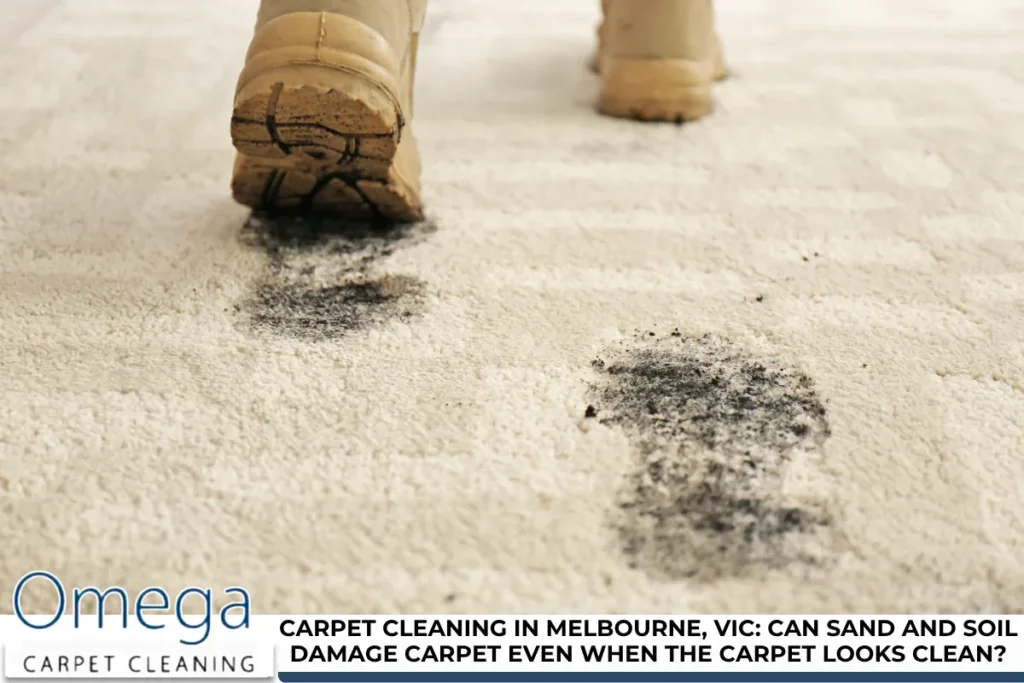
A carpet is not a single sheet of fabric. It is a layered system: face fibers (the visible pile), primary backing, secondary backing, and underlay beneath. Soil does not just sit on top. Fine grit, sand, skin cells, and debris work their way down through the pile over months. Regular vacuuming removes loose surface particles, but finer material migrates into the backing where a standard vacuum cannot reach.
In high traffic areas like hallways, living rooms, and stairs, the problem accelerates. Each step grinds grit against the yarn, abrading the fibers and opening up tiny channels that hold more soil. A house with pets, children, or a shoes-on policy near garden beds and road frontage pushes even more pollen, road dust, and organic matter into the carpet structure.
When a basic carpet washer agitates only the upper layer, everything trapped in the backing stays put. Professional cleaning removes that deeply embedded dirt and allergens, which is why a surface-only approach leaves hidden contaminants that become visible again once drying begins.
Stains Reappearing After Cleaning: The Wicking Effect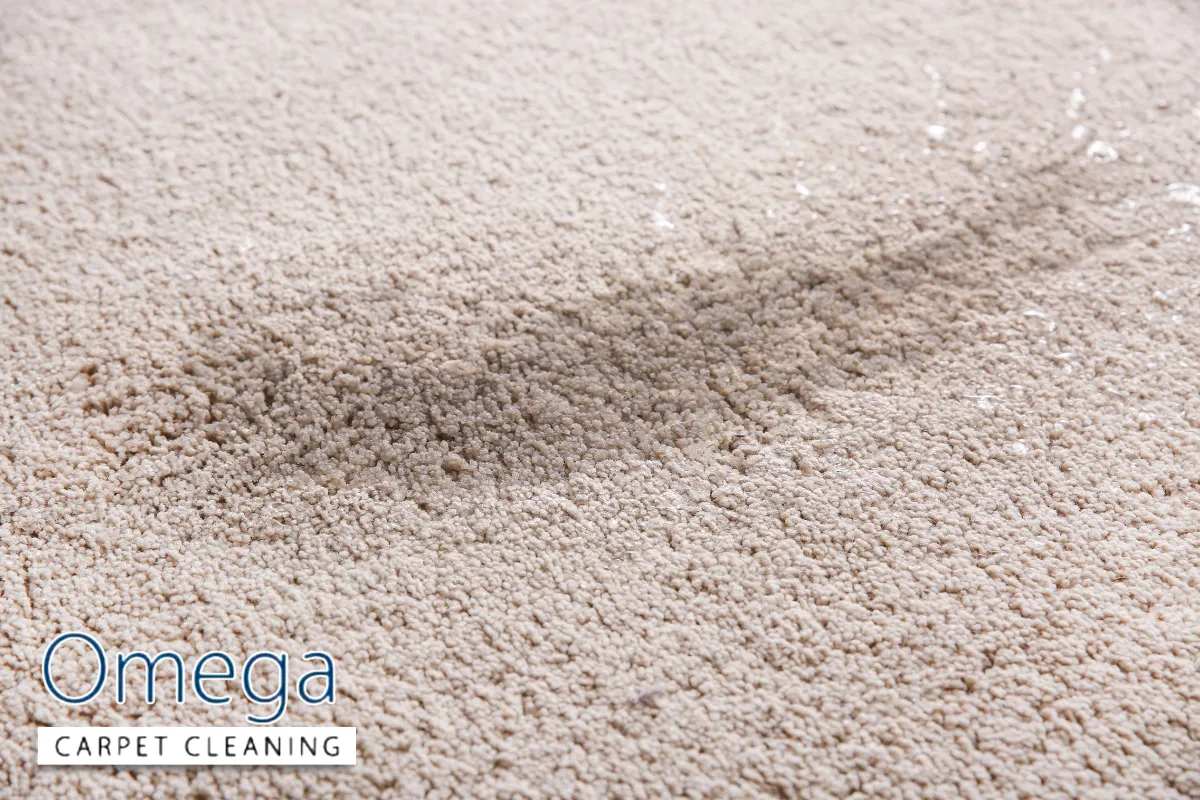
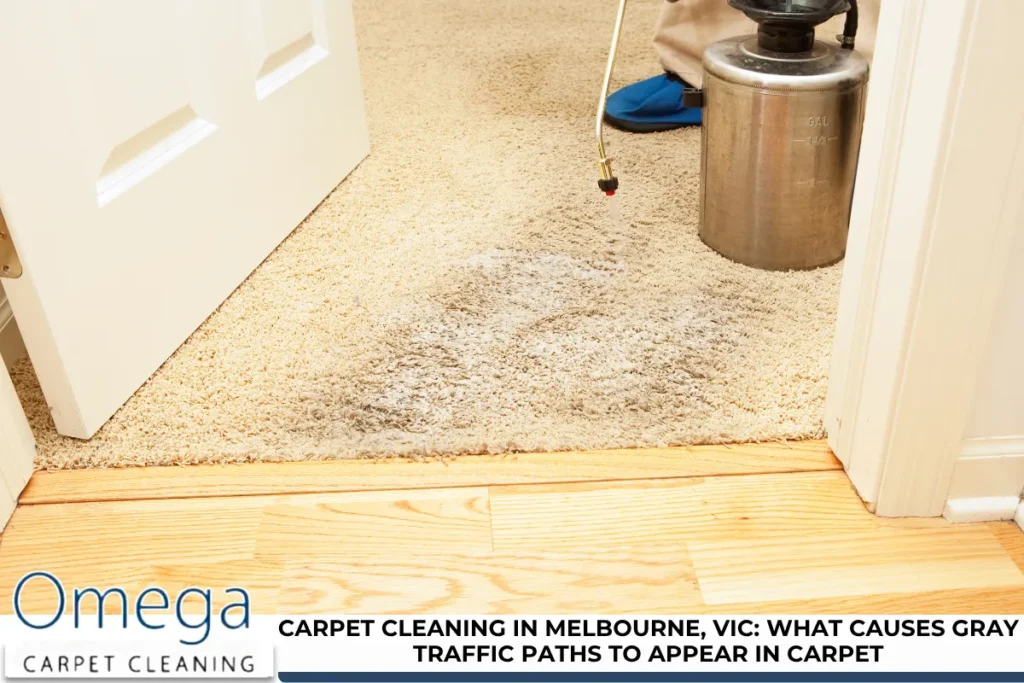
Wicking is the single most common reason stains resurface after a wash. Here is how it works: dissolved or suspended soil sitting in the backing or underlay travels upward through the fibers as moisture evaporates from the surface. The carpet acts like a wick in a candle, drawing liquid from the base to the tips.
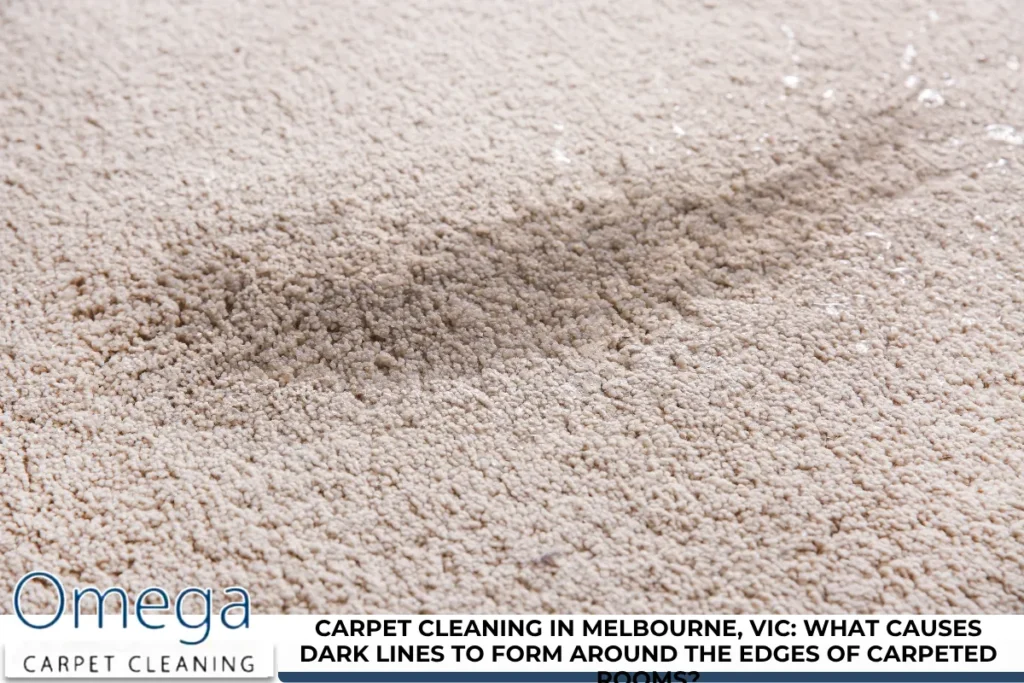
Consider a common scenario. An old coffee spill soaked through the pile and into the backing months ago. A surface wash seemed to remove it, but the cleaning moisture re-dissolved residue hidden deep below. As the carpet dried over the following hours, that residue travelled back up and formed a faint ring on the surface. The same thing happens with pet urine, soft drink spills, and many stains that appeared to be gone after the initial wash.
Over-wetting from slow or weak machines amplifies wicking. Going over the same patch repeatedly adds more water without extracting what is already there. Stains may resurface from dirt trapped beneath the carpet if extraction is not thorough. Carpets should dry completely to prevent stains from wicking back to the surface.
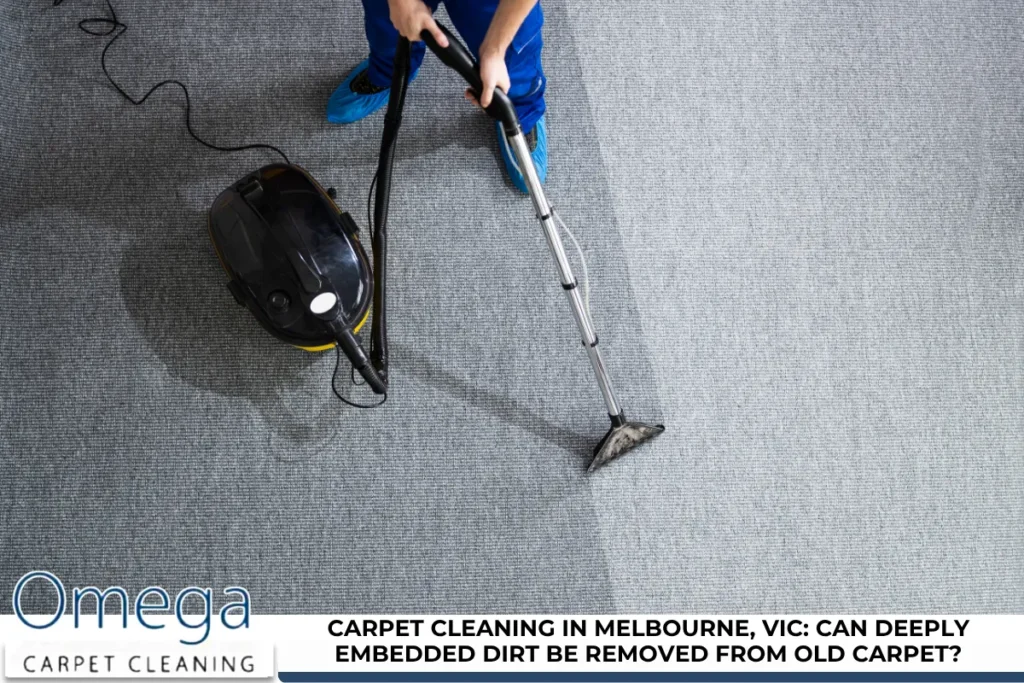
Professional carpet cleaning using controlled hot water extraction pairs high-pressure rinse water with powerful vacuum suction. This pulls moisture out of the backing before it has a chance to migrate upward, reducing wicking to a minimum.
Sticky Detergent Residue and Rapid Re-Soiling
The second major cause of reappearing dirt is residue left behind by cleaning solutions. Many off-the-shelf carpet cleaners and shampoos are designed to foam heavily, which looks impressive but creates a problem: domestic machines often lack the suction to rinse that foam out of the fibers.
Using cheap detergents can leave sticky residue on carpets that acts as a magnet for airborne dust, soot, and shoe grime. The carpet looks clean for a few days, then darkens faster than it did before the wash. Re-soiling is caused by sticky soap left in carpet fibers after cleaning, and it can make the carpet appear worse than it was before the job started.
DIY operators often compound the issue by using too much product. The logic seems reasonable: more solution should mean a cleaner result. In practice, using too much detergent causes sticky residue and stains that attract new soil within one to four weeks in trafficked rooms. High pH cleaning solutions can also cause carpet discoloration on sensitive fibers like wool, adding cosmetic damage on top of the re-soiling problem.
Professional hot water extraction systems in Melbourne typically include a rinse step with neutralising solutions that strip residue from the pile and reset the pH. For homeowners doing occasional spot cleaning themselves, the key is choosing low-residue products, following label dilution instructions, and always rinsing with clean water afterward.
Over-Wetting, Slow Drying and Melbourne’s Variable Climate
A carpet that stays wet for too long is a carpet that will look dirty again fast. Insufficient drying can lead to dirt and dust binding to damp fibers, and airborne dust accumulates on damp carpet fibers quickly after cleaning. Beyond aesthetics, over-wetting carpets can lead to mould growth within days, and musty smells indicate potential mould growth from over-wetting.
Small hire machines and budget equipment often lack the vacuum power to extract enough water from thick underlay and wool blends. Over-wetting can cause carpets to take days to dry. In some cases, it can even cause carpets to develop ripples or buckling as the backing absorbs excess moisture and expands unevenly. Improper cleaning can cause carpets to develop a musty smell that lingers long after the surface feels dry.
Melbourne’s changeable climate affects indoor drying times directly. Cool winters, periods of humidity exceeding 70 to 80 percent, and rain that prompts homeowners to close windows all slow evaporation. Poor ventilation during cleaning can extend carpet drying times well beyond what is safe. Slow drying carpets increase the likelihood of musty odours and mould, and improper drying can lead to mould or mildew growth in the underlay. High humidity can slow down carpet drying times even further in homes without mechanical ventilation.
Practical steps to speed drying:
- Run exhaust fans in adjacent bathrooms or kitchens.
- Open windows when weather permits, even partially.
- Use air conditioning in dehumidify mode or plug in a standalone dehumidifier.
- Avoid laying towels over damp areas, as this traps moisture rather than releasing it.
- High amounts of walking on damp carpets can transfer dirt into the fibers, so restrict foot traffic on wet sections.
In Victoria, good practice requires leaving cleaned areas adequately ventilated and warning occupants about slip hazards on damp carpet.
Read Carpet Cleaning in Melbourne, VIC: Can Dirt Permanently Change the Color of Carpet Fibers?
The Role of Professional Carpet Cleaning and Hot Water Extraction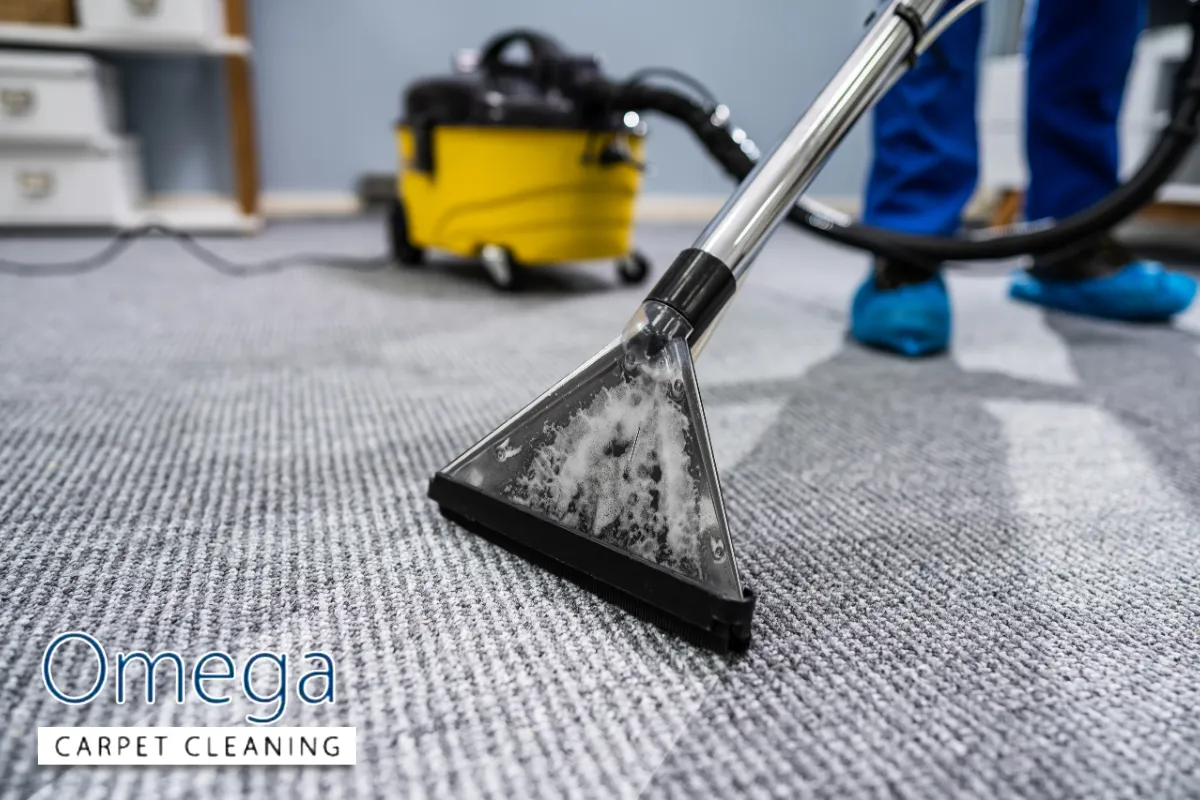
The gap between domestic carpet washing and professional carpet cleaning comes down to three variables: heat, pressure, and suction. A professional system injects water at 60 to 80 degrees Celsius under controlled pressure, then extracts it with vacuum force several times stronger than a hire-shop unit. The result is a carpet that is cleaned deeper and left drier.
The standard hot water extraction cleaning process follows a sequence:
- Pre-inspection to identify carpet type, fibre condition, and problem areas.
- Thorough vacuuming before cleaning prevents muddy residue formation by removing dry soil first.
- Application of a pre-spray suited to the fibre (alkaline for synthetics, neutral or mildly acidic for wool).
- Agitation to loosen bonded soil from the pile.
- High-temperature rinse and controlled extraction, pulling water, soil, and chemicals out of the backing.
- Post-cleaning check and drying advice.
Steam cleaning is highly effective for most carpet types, including nylon, polypropylene, and blended fibers common in Melbourne homes. Trained carpet cleaners measure the carpet type and adjust temperature and solution strength accordingly. Wool requires lower heat and neutral pH to avoid shrinkage or colour movement; nylon handles higher temperatures and alkaline solutions well.
Reputable operators in Melbourne use cleaning products that comply with Australian Standard AS/NZS 3733 and carry Safety Data Sheets. Professional cleaning can improve indoor air quality by removing allergens, bacteria, and debris trapped in the pile. Regular professional cleaning extends the lifespan of carpets by preventing abrasive grit from wearing down fibers. Carpets should dry within 4 to 12 hours after cleaning when proper techniques and equipment are used.
Carpets that have been professionally cleaned using correct methods are far less likely to suffer from recurring stains and rapid re-soiling.
Common DIY Carpet Cleaning Mistakes That Bring the Dirt Back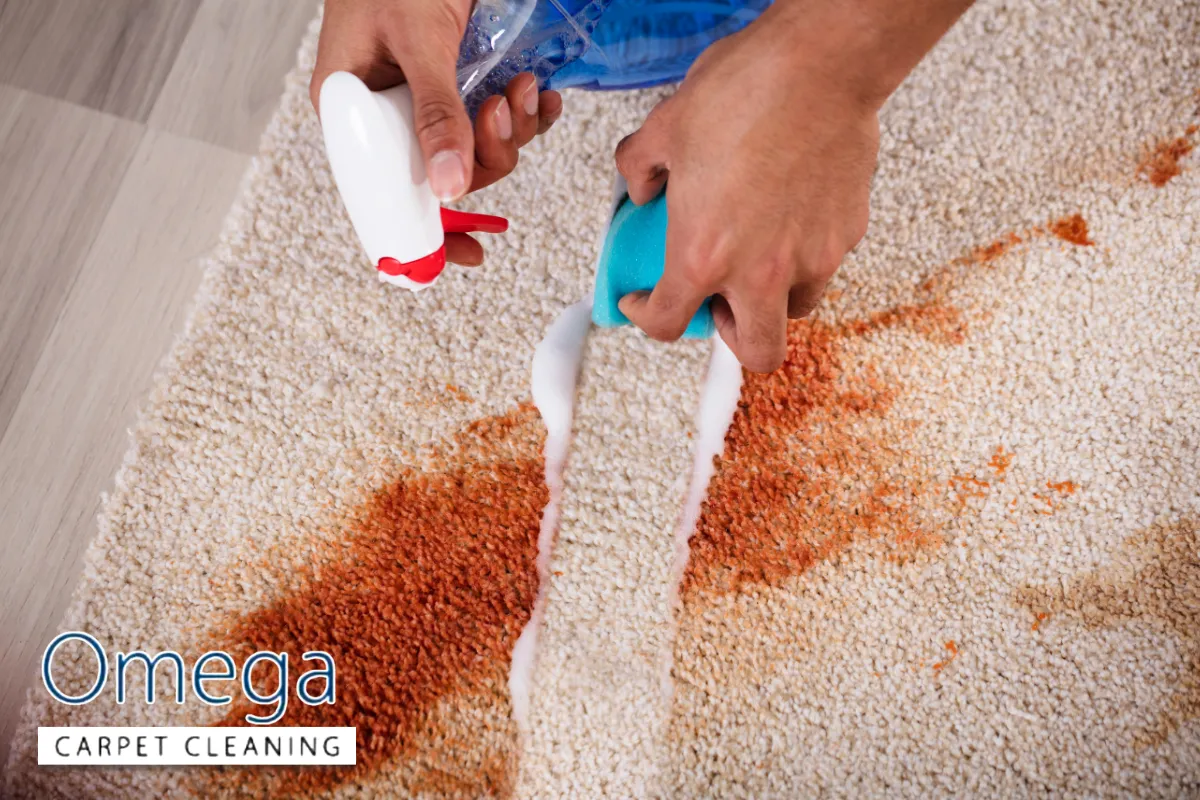
DIY maintenance between professional visits is practical for light tasks. But certain habits guarantee that dirt and stains will reappear.
Common mistakes include:
- Using too much detergent and skipping a clear-water rinse pass. Carpet cleaning residue can lead to rapid re-soiling when soap is left behind.
- Working the same stain for too long with excess water, which pushes contaminants deeper rather than lifting them.
- Using very hot water on wool carpets without checking the manufacturer’s care label. Wool is sensitive to high temperatures and can distort, shrink, or bleed colour.
- Neglecting to pre-vacuum. Adding water to a dirty carpet turns dry soil into mud and forces it deeper into the pile.
- Applying nail polish remover or harsh chemicals to stubborn stains without testing in a hidden corner first, risking bleaching or fibre damage.
For larger rooms, heavily soiled areas, or high traffic zones, homeowners in Melbourne benefit from having carpets professionally cleaned at least once a year. Carpet cleaning is recommended every 12 to 18 months for best results, with more frequent service for households with pets, allergies, or young children.
Practical Ways to Reduce Reappearing Dirt Between Professional Visits
Prevention costs less than repeated cleaning. A few habits reduce re-soiling and delay the return of stubborn stains between professional visits.
- Vacuum carpets at least once a week in bedrooms and more often in lounges, entryways, and stairs. Regular vacuuming removes grit before it bonds to fibers and grinds into the pile.
- Use doormats to reduce dirt entering your home. Place one outside and one inside each main entry.
- Encourage a shoes-off policy or at least a shoe-wiping routine in busy Melbourne households.
- Address spills immediately to prevent stains. Blot with a white cloth, apply a small amount of suitable spot cleaner, and rinse with clean water. Avoid rubbing, which spreads the spill and damages fibers.
- Avoid walking on damp carpets for at least 24 hours after any wet cleaning to stop tracking soil into freshly cleaned fibers.
- Protect walkways with runners where foot traffic is heaviest, especially between the couch and kitchen or from the front door to living areas.
Set a schedule based on your household: every 6 to 12 months for families with pets, children, or allergies; every 12 to 18 months for quieter homes. Maintaining that rhythm keeps odours under control and helps restore the carpet’s appearance each cycle.
Carpet Cleaning in Melbourne, VIC – Omega Carpet Cleaning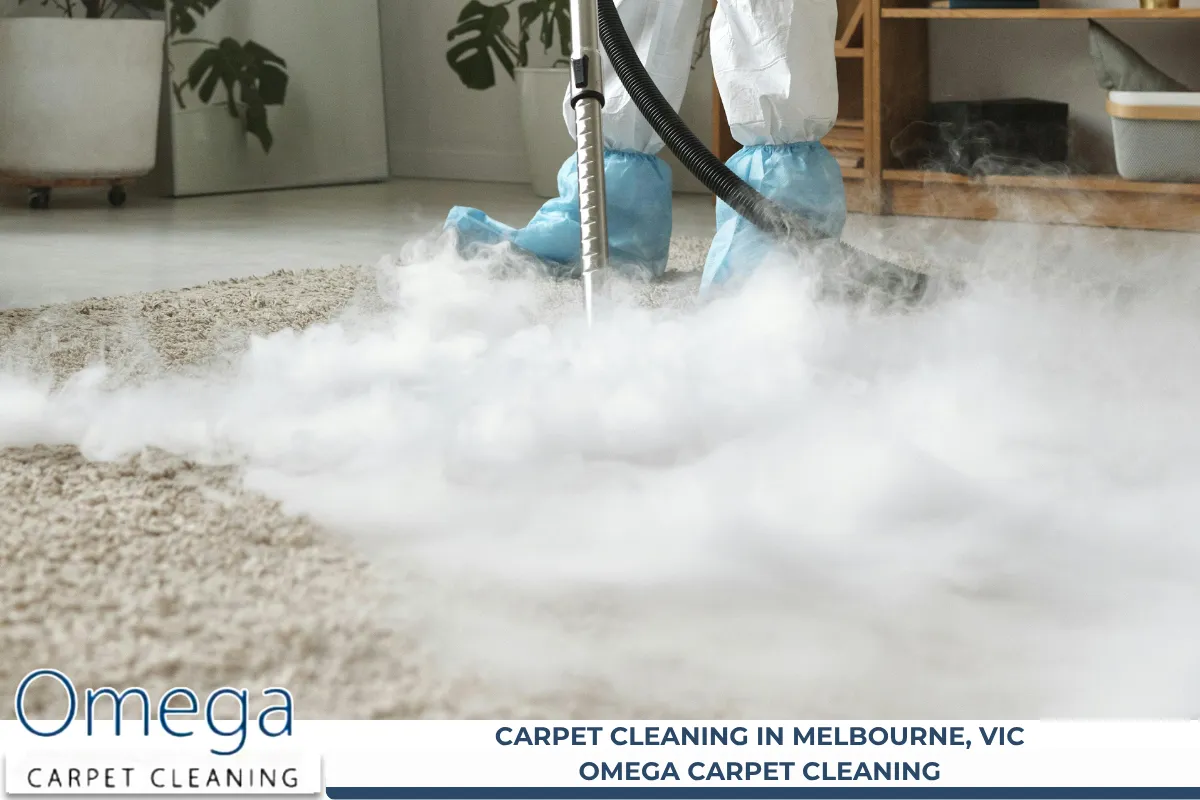
We are Omega Carpet Cleaning, and we help Melbourne homeowners break the cycle of reappearing dirt and stains. Our team uses professional hot water extraction equipment designed to minimise over-wetting and strip residue from every layer of your carpet. We focus on the problems that frustrate people most: wicking, rapid re-soiling, and lingering odours in high traffic areas and family homes across Melbourne, Victoria and surrounding suburbs. Our cleaning process includes pre-inspection, correct chemical selection for your carpet type, thorough extraction, and honest drying advice. We treat every job with care, protect your furniture and couch, and follow Melbourne health and safety guidelines. Call us on 0406 996 819 or fill out our online contact form for a free quote, flexible appointment times, and straightforward service with no waiting around for answers.
Frequently Asked Questions
How long should carpets take to dry after professional hot water extraction in Melbourne?
Most carpets dry within 4 to 8 hours when a professional uses truck-mounted or high-powered portable equipment with adequate suction. Heavier pile, thick underlay, or cooler humid Melbourne days can push drying to 12 hours or longer. A skilled technician will use air movers where needed and advise you to open windows or run your HVAC system to maintain airflow. Warning signs to watch for include a sour odour persisting after 24 hours, visible browning at fibre tips, or dampness that has not improved. Contact your cleaner promptly if any of these occur, as extended moisture in the underlay creates conditions for mould and permanent backing damage.
Can reappearing stains permanently damage my carpet fibers?
The stain itself typically does not weaken fibers. The damage comes from repeated scrubbing, use of harsh chemicals like undiluted bleach, and abrasion from stiff brushes. Old spills such as red wine or pet urine can cause permanent colour changes in the yarn that do not fully respond to later treatment. Repeated wicking cycles also leave mineral deposits along fibre shafts that dull the pile over time. A professional carpet cleaner can assess whether further stain removal is worthwhile or if localised patch repairs or replacement would deliver a better long-term result, saving you money and effort on treatments that will not fully address the issue.
Is it safe for children and pets to be on newly cleaned carpets?
When industry-approved products are used at correct dilution and the carpet is fully dry, normal use by children and pets is generally considered safe. Keep kids and animals off damp areas until drying is complete to avoid slips, tracking of soil, and possible skin sensitivity from residual moisture. Melbourne carpet cleaners should provide information on the products they use, including Safety Data Sheets if requested. Families sensitive to fragrance or with allergies can request low-odour or hypoallergenic cleaning solutions. Ventilation during and after the job reduces exposure to any volatile organic compounds released during the cleaning process and supports faster drying.
What should I tell a carpet cleaner before they start work?
Point out old stains, pet accidents, water damage, or any area where marks have previously reappeared after cleaning. Mention DIY treatments you have used, such as supermarket spot removers or home remedies like bicarbonate and vinegar, because these can react with professional solutions and affect results. If you know your carpet type or have the original warranty card, share that information with the technician so they can select the right temperature and chemistry. Discuss access, parking, and power availability, especially in apartments or multi-level homes in Melbourne. Let the cleaner know about ventilation options so they can plan drying and equipment placement before they begin the job.
How do I know if my carpet needs professional cleaning or full replacement?
Professional cleaning is usually the right choice if the backing is still sound, the pile springs back when you walk across it, and the main issues are soil buildup and light staining. Carpets older than 10 to 15 years with heavy wear paths, permanent odours that survive multiple deep cleans, or widespread fibre matting and fraying are better candidates for replacement. Ask a reputable company to perform a small test clean in an inconspicuous corner. This patch test shows how much improvement is realistically achievable before you commit to the cost of a full-house service. If hygiene and cleanliness remain poor even after proper extraction, replacement delivers better value than repeated cleaning of a carpet past its useful life.
Disclaimer
This article provides general guidance for Melbourne, VIC residents and does not replace professional inspection, product labels, or legal advice. Consult a qualified carpet cleaner for recommendations specific to your property and carpet type.
Read Carpet Cleaning in Melbourne, VIC: Can Deeply Embedded Dirt Be Removed From Old Carpet?