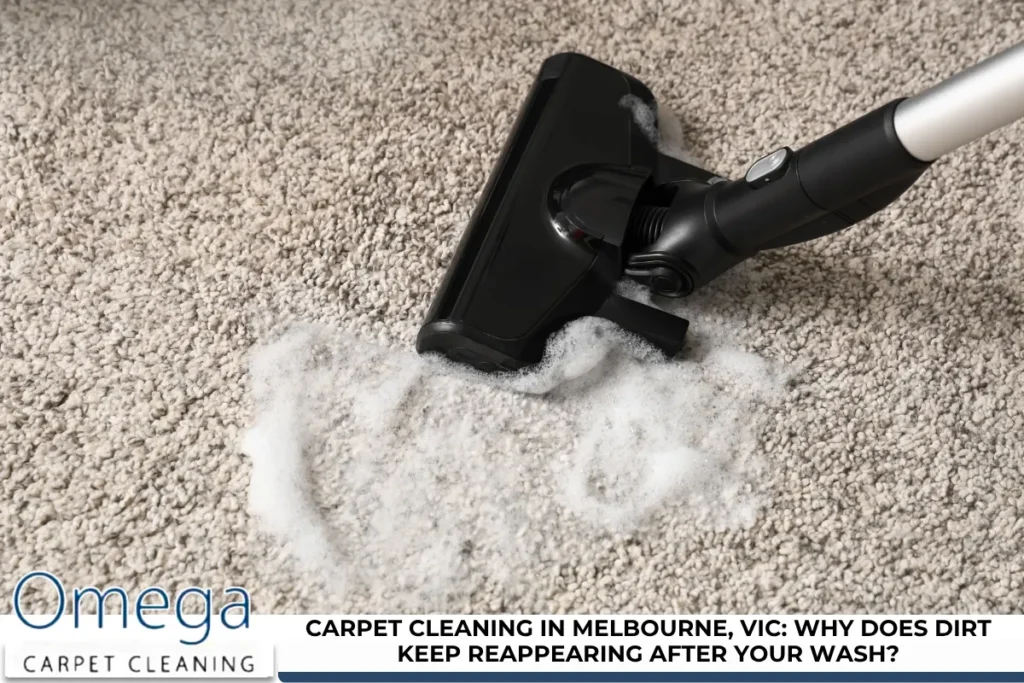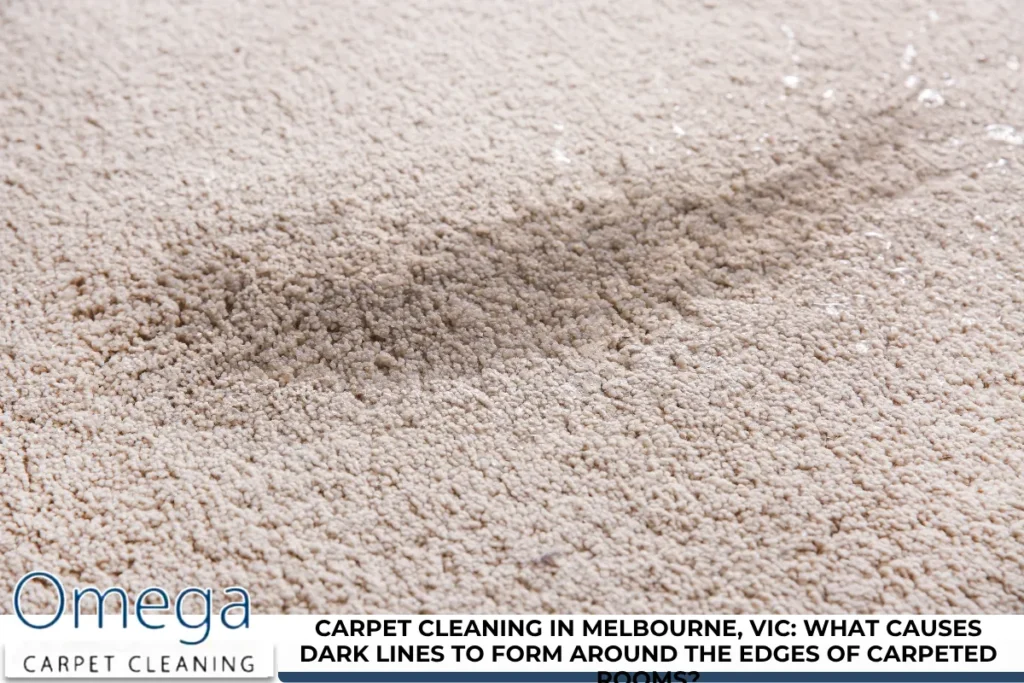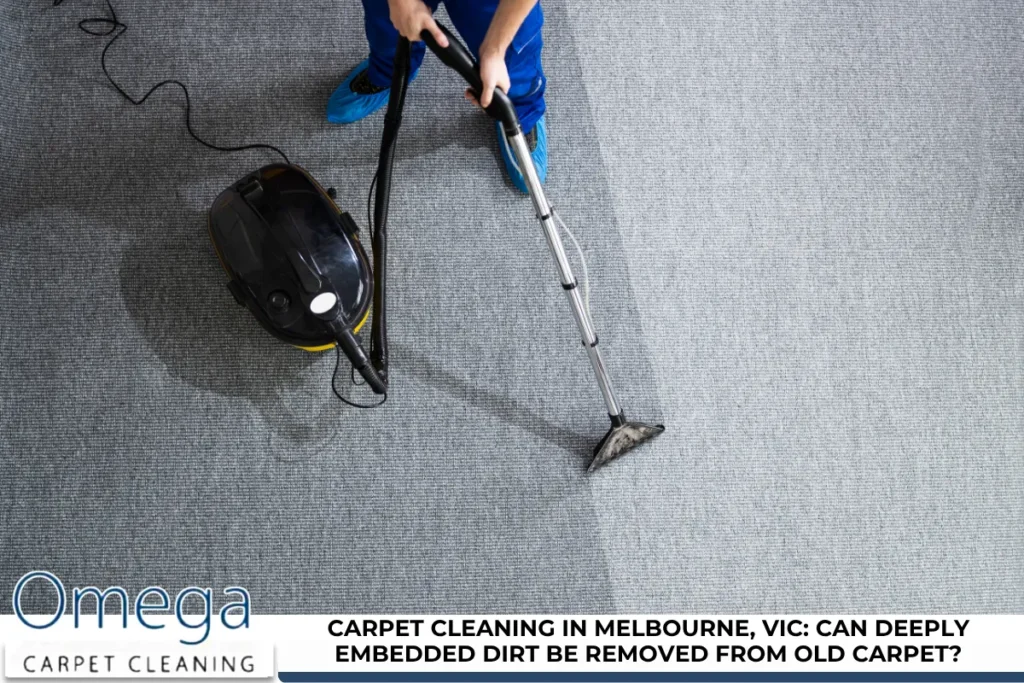
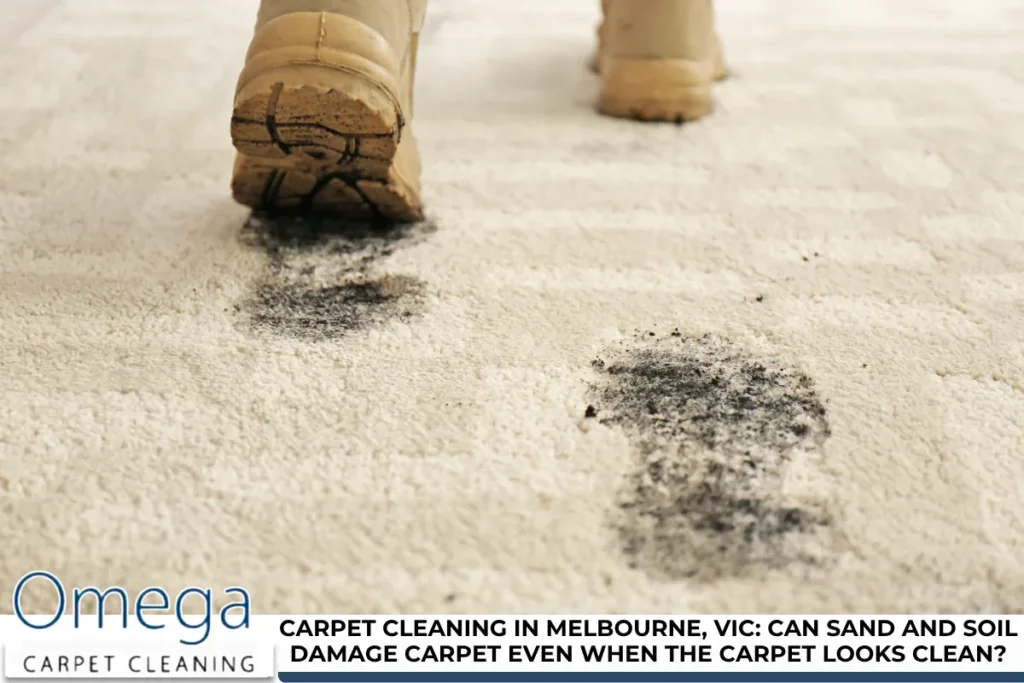

Carpet cleaning is one of those tasks that most people assume they only need when something visible goes wrong, a spill, a stain, a patch of ground-in mud near the back door. But what if your carpets are being damaged right now, even though they look perfectly fine? Sand and soil can damage carpet even when the carpet looks clean, and in Melbourne, the problem is more common than you might think. Between garden soil, coastal grit, construction dust and an active indoor-outdoor lifestyle, fine abrasive particles constantly work their way into your floors. The good news is that understanding how this happens puts you in a strong position to prevent it. This article walks through the science, the local factors and the practical steps that actually make a difference.
Key Takeaways
- Sand and soil can grind away carpet fibres long before any dirt becomes visible to the naked eye, acting as microscopic abrasives with every footstep.
- Melbourne homes collect hidden grit from streets, gardens, construction dust and coastal air, so carpets can look perfectly clean while the pile and backing are being damaged underneath.
- Regular vacuuming combined with periodic professional carpet cleaning greatly slows wear, fading and flattening across high traffic areas.
- Methods like carpet steam cleaning or low-moisture systems help remove deep abrasives safely without causing secondary damage.
- Both Melbourne renters and homeowners can extend carpet life and protect indoor air quality by managing sand and soil proactively throughout the year.
How Hidden Sand and Soil Quietly Destroy “Clean” Carpets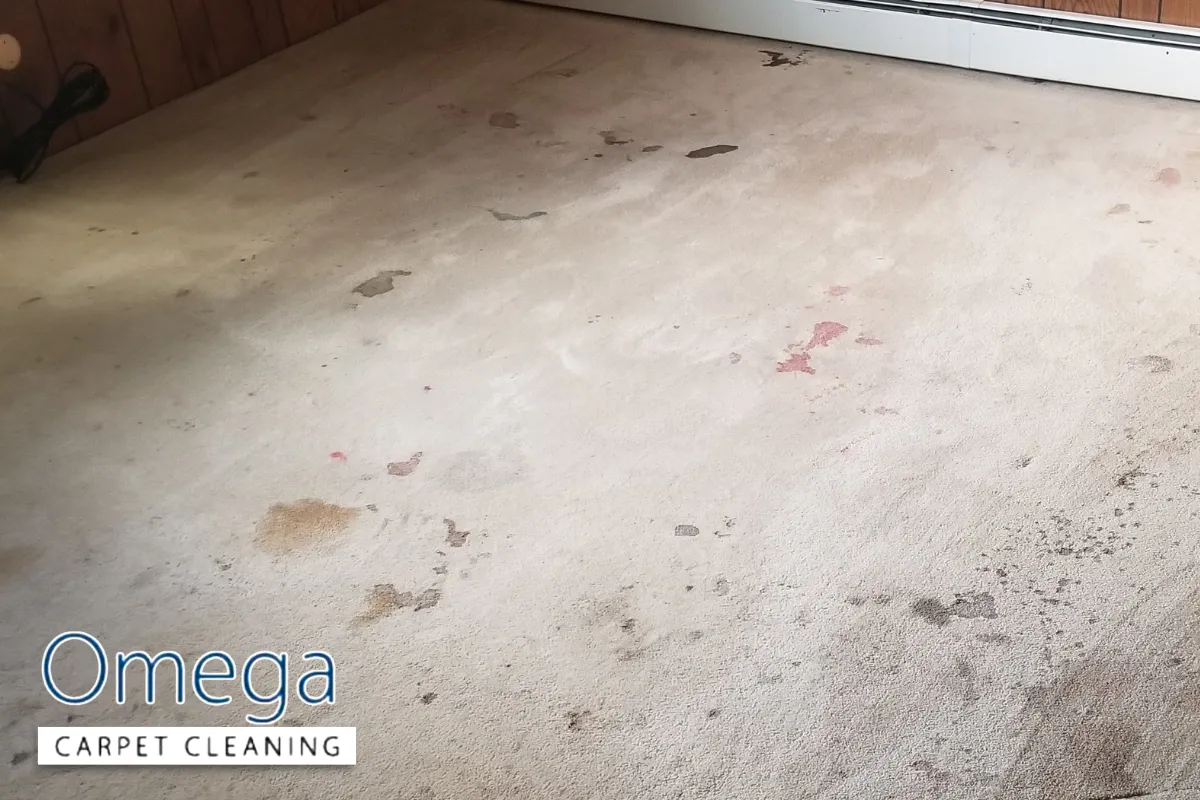
The short answer to the title question is yes, absolutely. Sand behaves like an abrasive material on carpets, and it does not need to be visible to cause real damage. Carpet fibers can hide essentially all soil accumulation from view, especially in dense cut pile and plush styles where particles sink below the tips and settle against the backing.
Dry particles act like microscopic sandpaper. Every time someone walks across the room, foot traffic grinds embedded grit against carpet fibres, slowly cutting and fraying them. Laboratory abrasion tests on polyester cut-pile samples have shown that fibre mass loss can rise from roughly 0.63 percent to over 6 percent as abrasion cycles increase from 5,000 to 50,000, confirming how persistent grit wears material down over time.
Melbourne homes often experience high foot traffic that exacerbates carpet wear. Grit arrives from streets, footpaths, school yards, tram stops, gardens and building sites, particularly in fast-growing suburbs where construction activity generates clouds of fine dust. This abrasive wear shortens carpet lifespan, causes traffic lanes, and in some cases can void manufacturer warranties if proper maintenance is neglected.
Where Sand and Soil Come From in Melbourne Homes
Understanding the sources helps you cut the problem off before it takes hold. Here are the most common ways grit enters Melbourne carpets:
- Garden soil, clay, decomposed granite and mulch tracked in from nature strips and backyards, materials widely used in local landscaping.
- Fine sand and dust from bayside areas, shared paths and sporting ovals, sticking to shoes, prams and pet paws after a walk.
- Construction and renovation dust in new estates and infill suburbs, which settles quickly onto floors, furniture and rugs.
- Airborne particles entering through open windows and doors, especially along high-traffic streets and near rail or tram corridors.
- Salt particles from air that can accumulate on carpets over time, particularly in coastal suburbs where sea breezes carry mineral-laden moisture inland.
- Even apartments without direct yard access still receive grit from carparks, balconies and communal entryways.
How Sand and Soil Actually Damage Carpet Fibres
The mechanisms are straightforward but often underestimated. Tiny particles of sand and grit act as abrasives against carpet fibres through several overlapping processes:
- Abrasion: sharp-edged grains slice and fray the tips of wool and synthetic pile, making them look dull, fuzzy and matted in walkways. This is the primary driver of visible wear.
- Fibre distortion: constant pressure from foot traffic pushes gritty particles downward. Microscopic grit works its way deep into the base of carpet pile, bending and crushing fibres so they will not stand upright again.
- Backing and underlay wear: grit grinds between the carpet backing and underlay, loosening tufts and creating ripples and bald patches over time.
- Colour change: microscratches on dyed fibres alter the way light reflects, causing grey lanes even after standard carpet cleaning. The fibres are not dirty in the traditional sense; they are physically damaged.
- Microscopic soil particles can lead to chemical degradation of carpet materials, particularly when combined with moisture and acidic compounds found in some soils.
Both wool and synthetic carpets are affected, although wool can sometimes mask wear slightly longer before visible damage appears. Nylon and polyester fibres may show abrasion sooner in low-pile configurations.
Melbourne’s Climate and Lifestyle: Why Grit Problems Get Worse Here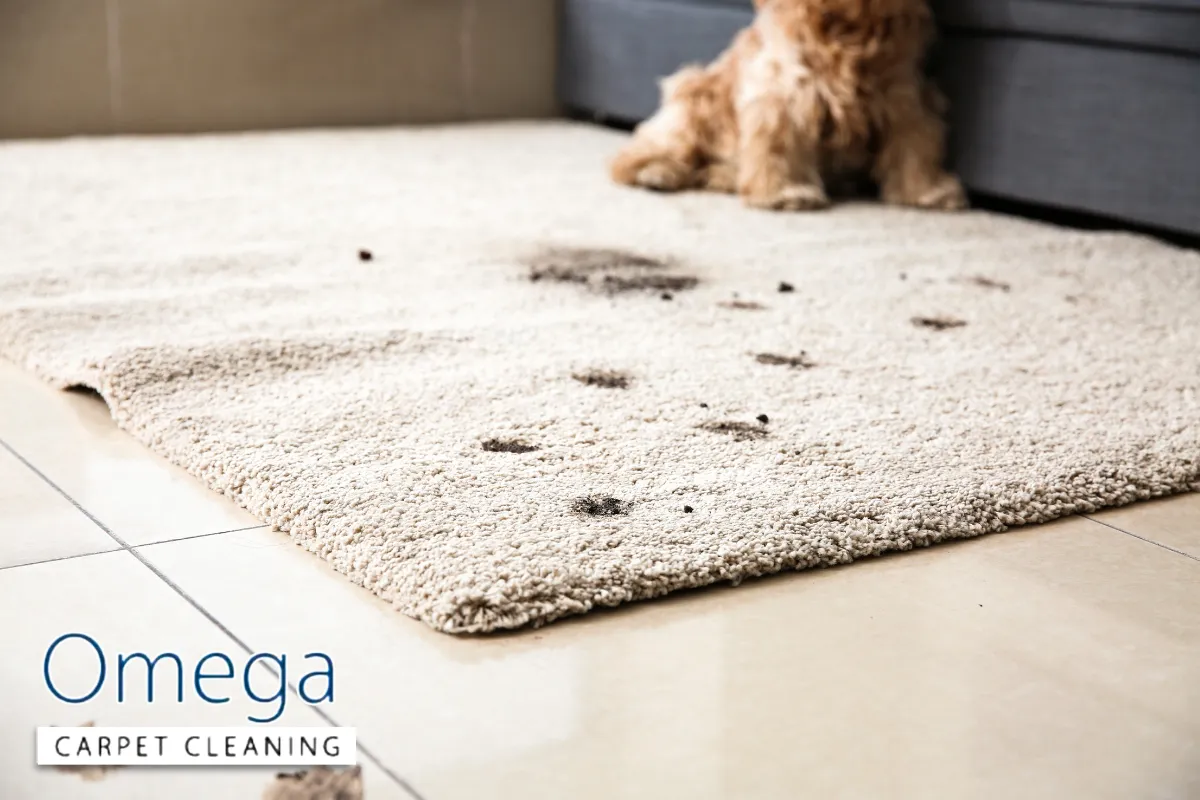
Melbourne’s climate causes increased soil and moisture accumulation in carpets, making the city’s homes particularly vulnerable to hidden abrasive damage.
Damp winters and occasional downpours mix soil with moisture, forming sticky mud that bonds to carpet fibres when walked in and then dries into hard, sharp particles. Moist carpet fibres trap dust and debris more quickly, compounding the issue during cooler months when homes stay closed up for longer periods.
In summer, higher temperatures lead to more open windows and doors, allowing outdoor dust, pollen and fine grit to settle deeply into floor coverings. Coastal homes experience faster carpet wear than inland properties because fine sand and salt-laden air cling to fibres and attract additional dirt through their hygroscopic properties.
Active households with kids, pets and regular sport or beach trips transport grit indoors on socks, fur, toys and sports gear. Heating and cooling systems recirculate fine particles, so debris is continually deposited back onto floors and rugs even after vacuuming. The humidity in Melbourne homes during certain seasons only amplifies these effects.
Everyday Signs Your “Clean” Carpet Is Being Worn by Grit
You do not need specialist equipment to spot early warning signs. Here are some things to look for:
- Squeeze a small section of pile and tap it over a white sheet of paper. Fine sand and dust falling out indicates hidden build-up that regular light vacuuming has not reached.
- Deep-seated grit creates wear patterns known as traffic lanes, visible as dull or grey streaks down hallways and across living rooms, even after routine cleaning.
- Flattening around coffee tables, lounge suites and favourite seating spots where constant pressure pushes grit deeper into the pile.
- Frayed fibre tips, fuzziness and small balling of yarn that indicate ongoing abrasion rather than simple soiling.
- A faint crunching or gritty sound when sliding furniture, which suggests abrasive particles are present throughout the pile.
If you notice several of these signs, surface cleaning alone is unlikely to reverse the damage already underway.
Read Carpet Cleaning in Melbourne, VIC: What Causes Gray Traffic Paths to Appear in Carpet
Vacuuming vs. Professional Carpet Cleaning: What Each Can and Can’t Do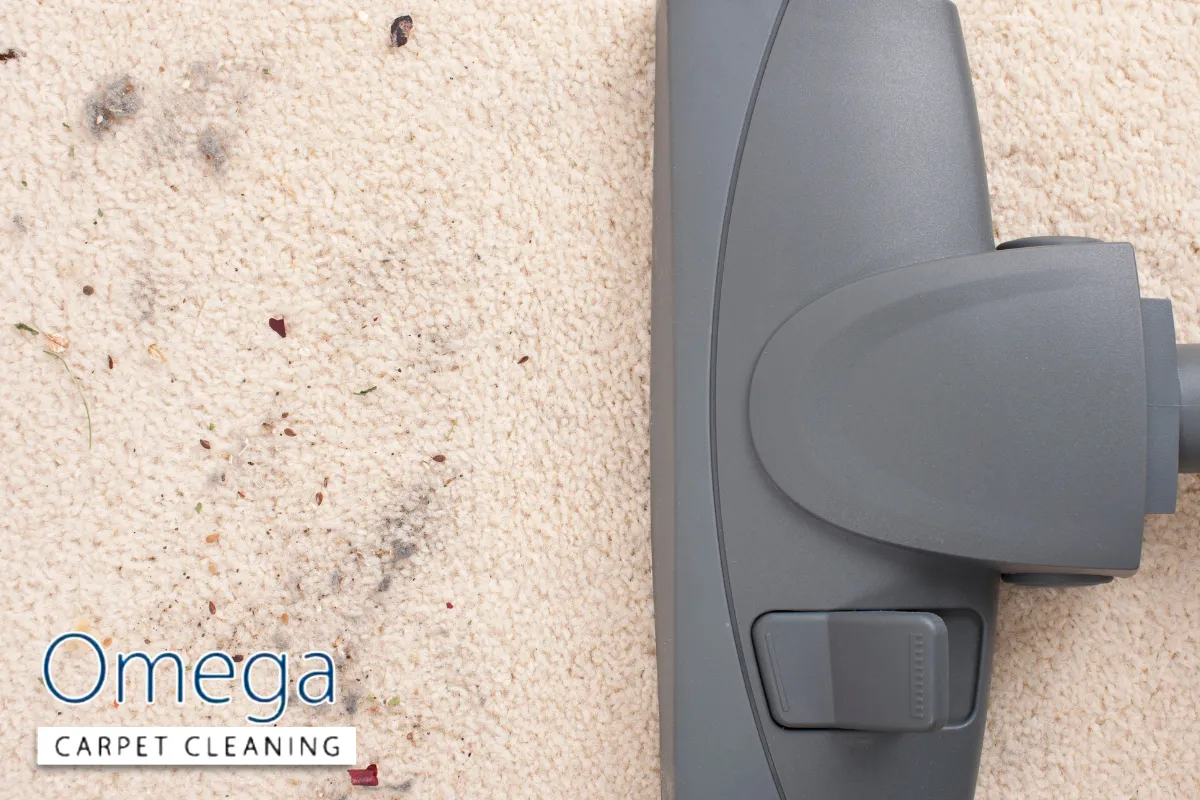
Regular vacuuming removes surface sand from carpets and is the single most important daily defence. A quality vacuum with strong suction, a rotating brush or power head and good filtration (ideally HEPA) lifts loose particles before they migrate deeper. The Carpet Institute of Australia recommends vacuuming at least weekly, with two to three passes per week in high traffic areas and daily attention near entryways if you have pets or children.
However, many household machines struggle to extract fine particles that have migrated to the base of dense cut pile or loop pile. A consumer-grade carpet washer can improve appearance and handle light soiling, but it typically lacks the water pressure and extraction power of truck-mounted or professional-grade equipment.
Professional deep cleaning is required every 12 to 18 months for carpets in typical residential settings, according to Australian industry guidelines aligned with AS/NZS 3733. For homes with heavy traffic, allergies or pets, every six to twelve months is more appropriate. Professional carpet cleaning equipment can flush and extract compacted grit, dust mites, allergens and bacteria from the very bottom of the pile where household tools simply cannot reach.
Carpet Steam Cleaning and Dry Cleaning: Choosing the Right Method for Grit Removal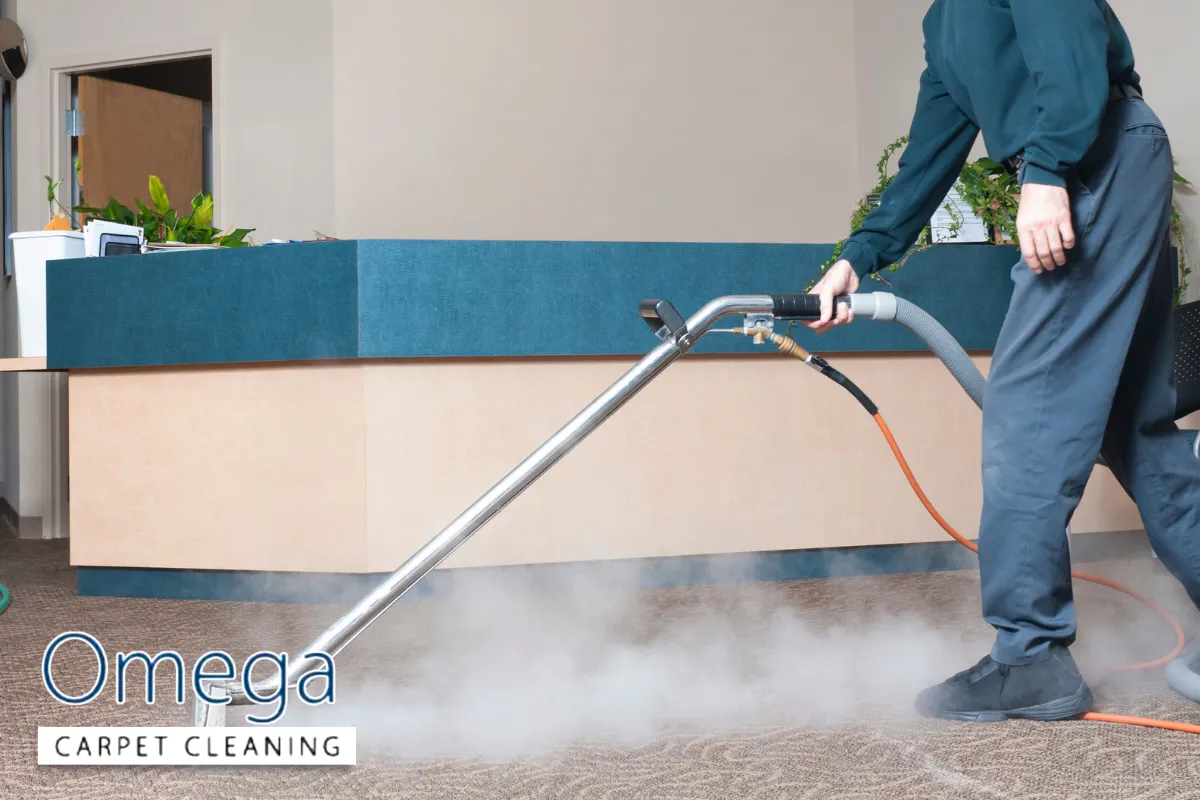
Not every carpet responds the same way to every method. Selecting the right approach depends on fibre type, age, pile height and manufacturer guidelines. Both steam carpet cleaning and dry cleaning have legitimate roles, but their effectiveness at removing embedded sand and soil differs significantly. Getting professional advice before committing to a method helps avoid overwetting, shrinkage or residue issues while still targeting abrasive grit effectively.
Carpet Steam Cleaning (Hot Water Extraction) for Deep Grit Removal
Steam cleaning, more accurately called hot water extraction, is the method recommended by most carpet manufacturers and referenced in AS/NZS 3733. The process involves pre-vacuuming, applying a pre-spray solution, agitating the pile and then flushing it with pressurised hot water before extracting the dirty solution with powerful suction.
Steam cleaning uses 10 to 50 litres of water per room, depending on soil levels and carpet type. Professional steam cleaning removes trapped dirt and allergens effectively because the combination of high temperature and strong extraction pulls contaminants from deep within the pile and backing. High heat in steam cleaning kills dust mites effectively, and regular steam cleaning reduces dust mite populations across the household. Steam cleaning kills dust mites and reduces allergens effectively, which is why it remains the preferred treatment for homes managing respiratory sensitivities.
Typical drying times in Melbourne sit around four to eight hours with good airflow and ventilation. It is important not to walk on wet carpets with outdoor shoes during this period. Professional carpet cleaning equipment delivers significantly stronger suction and higher water pressure than portable rental units, which is why results differ so markedly. Eco-friendly cleaning products used by many technicians reduce allergy symptoms and sensitivities while still breaking down bonded soil.
Dry Cleaning and Low-Moisture Options for Sensitive Carpets
Dry cleaning uses minimal water and relies on cleaning powders, pads or encapsulation products to capture soil. Some well-known systems use approximately one litre of moisture per room, leaving no sticky detergent residue behind, which means carpets feel clean and fresh almost immediately. Dry cleaning carpets can take only 30 minutes to two hours to dry, and some systems allow walking on carpets in just one to two hours, making this a practical choice when fast turnaround matters.
This method can be preferable for delicate wool floor coverings, some commercial tile-backed styles and situations where a room must be back in service quickly. However, while dry cleaning can significantly improve appearance and remove surface soiling, it may be less effective than steam cleaning for heavy grit deep in the backing. Industry data suggests hot water extraction achieves roughly 95 to 98 percent embedded soil removal, while encapsulation methods typically reach 75 to 85 percent.
Natural cleaning solutions used in some low-moisture systems are safer for both health and the environment. A combination approach, thorough vacuuming plus periodic hot water extraction with dry cleaning between visits, often works well for long-term care. Always confirm that products used meet Australian standards and suit your specific fibre type.
Protecting Rental and Owner-Occupied Carpets from Long-Term Grit Damage
Both tenants and owners in Melbourne have strong incentives to manage sand and soil in carpets. Many residential leases expect carpets to be left reasonably clean and free of excessive wear at the end of tenancy. Receipts for lease carpet cleaning are frequently requested during final inspection, and bond disputes often hinge on whether wear is fair or the result of neglect.
Proactive care, including regular vacuuming, prompt stain removal and entrance mats, can reduce end-of-lease costs and help avoid arguments over bond refunds. For homeowners, protecting carpets from abrasion preserves property value and delays expensive replacement, which matters when quality floor coverings represent a significant investment.
Keeping records of when carpets were professionally cleaned is particularly important if they are still under manufacturer warranty. Many Australian carpet warranties require proof that maintenance followed AS/NZS 3733 guidelines before a claim will be considered.
Practical Ways to Reduce Sand and Soil in Melbourne Homes
Small daily habits make a large cumulative difference. Here are steps that genuinely help:
- Use high-quality doormats at every entrance, with a coarse outdoor mat to scrape and a softer indoor mat to capture finer particles. High-quality doormats help reduce soil introduction into carpets significantly.
- Adopt a shoes-off policy indoors, which dramatically reduces grit from streets, parks and public transport.
- Wipe or rinse pet paws after walks and brush pets regularly to reduce soil and hair settling into the pile.
- Vacuum frequently in entryways, hallways and living areas, using slow overlapping passes rather than quick single sweeps.
- Schedule a professional carpet cleaner before and after major events like renovations, moving in or moving out.
- Place runners or rugs in heavy traffic lanes to absorb impact and protect the carpet underneath, particularly near the couch and through the family room.
Health and Indoor Air Quality Benefits of Removing Trapped Grit
Removing sand and soil is not just about appearance or longevity. Carpets trap allergens that can trigger asthma, and fine soil retains moisture, creating conditions for mould growth inside and beneath floor coverings.
Disturbed particles become airborne again when people walk across the room, when children play on the floor, or when vacuuming without adequate filtration stirs up dust, germs and allergens. Reducing fine particulates can support households managing asthma, allergies or other respiratory sensitivities. Steam cleaning every six months benefits allergy sufferers by removing accumulated dust mites, pet dander, pollen and traffic pollutants.
Properly performed carpet steam cleaning followed by thorough drying prevents mould from developing, as mould can begin growing in damp carpet within 24 to 48 hours, particularly during cooler months. Ensuring carpets are fully dry after any treatment is essential, and good air circulation, fans or light use of heating or cooling all speed the process.
When It’s Time to Call a Professional Carpet Cleaner in Melbourne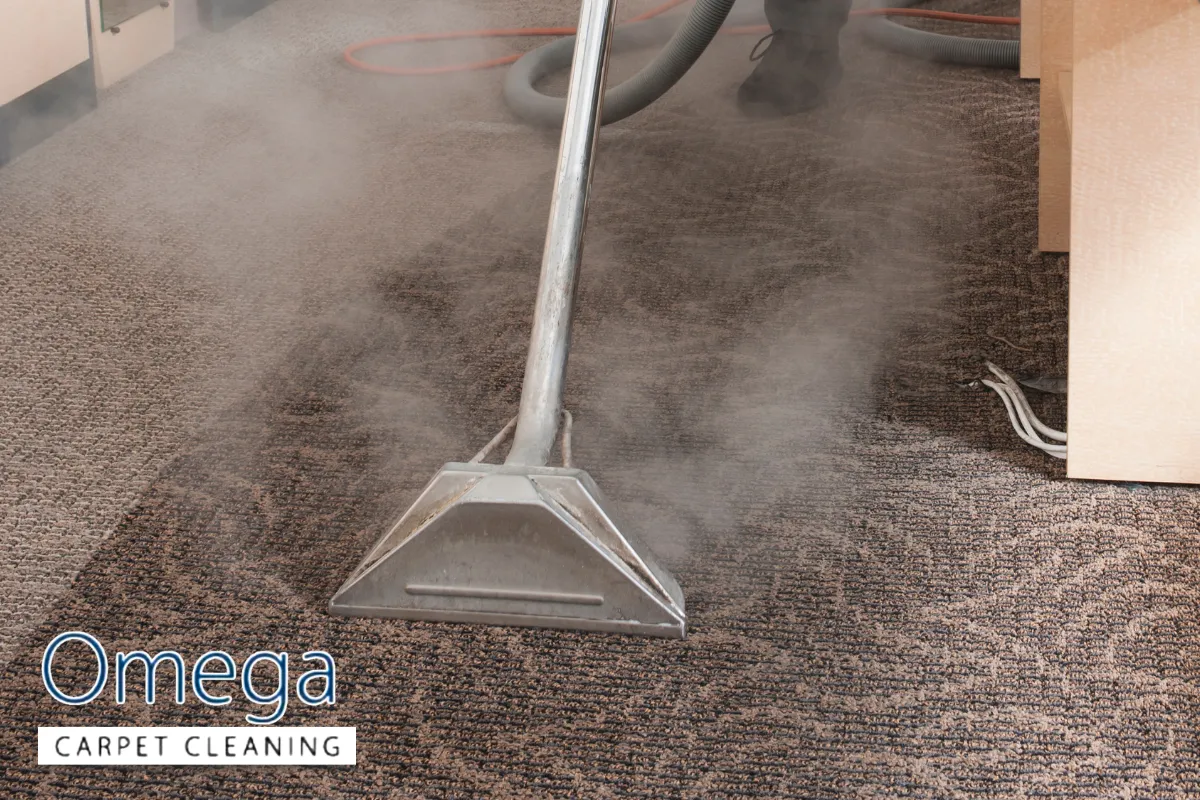
There are clear triggers that signal DIY methods are no longer enough:
- Carpets still look dull, flat or grey in traffic lanes after careful vacuuming and spot treatment.
- Water damage from leaks or flooding requires rapid extraction and drying before mould sets in.
- Pet stain odours, persistent grime or stains that resist household products need targeted stain removal by experienced technicians.
- A musty smell or visible discolouration near skirting boards may indicate moisture trapped beneath the pile.
Professional cleaning is often required for deep-seated sand particles that household equipment simply cannot reach. Ask for a written quote outlining the method (steam or dry), expected drying time and any limitations on specific stains. A good service will inspect the carpet, identify the fibre type and recommend the approach that delivers the best result without causing further damage.
Carpet Cleaning in Melbourne, VIC – Omega Carpet Cleaning
We know that sand and soil do not wait for a visible stain before they start wearing down your carpets. At Omega Carpet Cleaning, our carpet cleaning services across Melbourne, Victoria are designed to reach the hidden grit that shortens carpet life even when everything looks clean on the surface. We use professional equipment for carpet steam cleaning and other methods suited to the specific needs of Melbourne homes and surrounding areas. Whether you are preparing for an end-of-lease inspection, protecting a new investment or simply want fresh, healthy floors for your family, we can help. Call us on 0406 996 819 or fill out our contact form for a tailored quote and practical advice. Omega Carpet Cleaning is here to extend the life of your carpets and improve the comfort of your home.
Frequently Asked Questions
How Often Should I Vacuum to Control Sand and Soil in Melbourne Carpets?
For low-traffic homes, vacuuming at least once a week is a solid baseline. Busy households with children or pets benefit from two to three sessions per week, with daily attention to entryways and living areas where soil accumulates fastest. Multiple slow, overlapping passes are far more effective than a single quick sweep, particularly in hallways and near exterior doors. A vacuum with a rotating brush or power head helps lift particles from the base of the pile rather than just skimming the surface. Keep bags or canisters below three-quarters full so suction stays strong, and pair regular vacuuming with periodic professional deep cleans for the best long-term protection against hidden abrasives.
Can a Hire Carpet Washer Remove the Same Amount of Grit as a Professional Service?
Hire units can certainly improve the look and feel of your floors and are useful between professional visits. However, they typically operate with weaker suction and lower water pressure than truck-mounted or commercial-grade systems, which limits how much compacted sand and soil they can extract from the backing and underlay. In cooler or humid Melbourne weather, there is also a risk of overwetting if the machine does not extract efficiently, leading to slow drying, musty odours or even moisture damage. For deeply embedded grit, the extraction power of professional equipment makes a measurable difference. Treat a hire unit as a useful interim measure rather than a complete replacement for expert cleaning.
Is There a Best Season in Melbourne to Book Carpet Steam Cleaning?
Spring and early autumn often provide ideal conditions. Moderate temperatures and reliable airflow help carpets dry faster, reducing the risk of moisture sitting in the pile for too long. That said, steam cleaning is still effective in winter and summer with a few adjustments. In winter, running the heater after the clean accelerates drying. In summer, fans and open windows do the job quickly. Avoid scheduling on days of heavy rain or extreme humidity where possible, particularly if ventilation is limited. Planning ahead before open homes, parties or end-of-lease inspections gives enough time for the carpet to be fully dry and looking its best.
How Can I Tell If the Underlay Has Been Damaged by Sand and Soil?
Underlay damage often reveals itself as soft spots, noticeable dips or a crunchy feel underfoot in certain areas of a room. Loose or lifting carpet edges, recurring wrinkles and persistent noise when walked on can also point to worn backing and degraded underlay beneath. If you notice tufts pulling out easily or small bald patches developing, abrasion between the carpet backing and underlay may have progressed significantly. Ask a professional carpet cleaner or installer to lift a small corner in a suspect area to assess the condition directly. Early intervention can sometimes save the underlay and avoid the cost of replacing an entire room of flooring.
How Long Can a Carpet Last in a Melbourne Home If I Control Sand and Soil Properly?
Well-maintained carpets in typical Melbourne homes often last ten to fifteen years, and sometimes longer, depending on the quality of the product and the level of foot traffic. Frequent vacuuming, prompt stain removal and regular professional cleaning all help slow abrasive fibre wear that would otherwise cut that lifespan considerably. Using runners or rugs in heavy traffic lanes provides additional protection for the pile underneath. Lower-quality carpets or those in very busy households with multiple pets may still need replacement sooner despite good care. Monitor high-use areas for signs of irreversible flattening or fibre loss and consult a professional when the wear no longer responds to cleaning.
Disclaimer
This article provides general information about carpet cleaning and grit damage in Melbourne, not personalised professional or legal advice. Readers should seek tailored guidance for their specific carpet type and property circumstances.
Read Carpet Cleaning in Melbourne, VIC: Why Does Dirt Keep Reappearing After Your Wash?