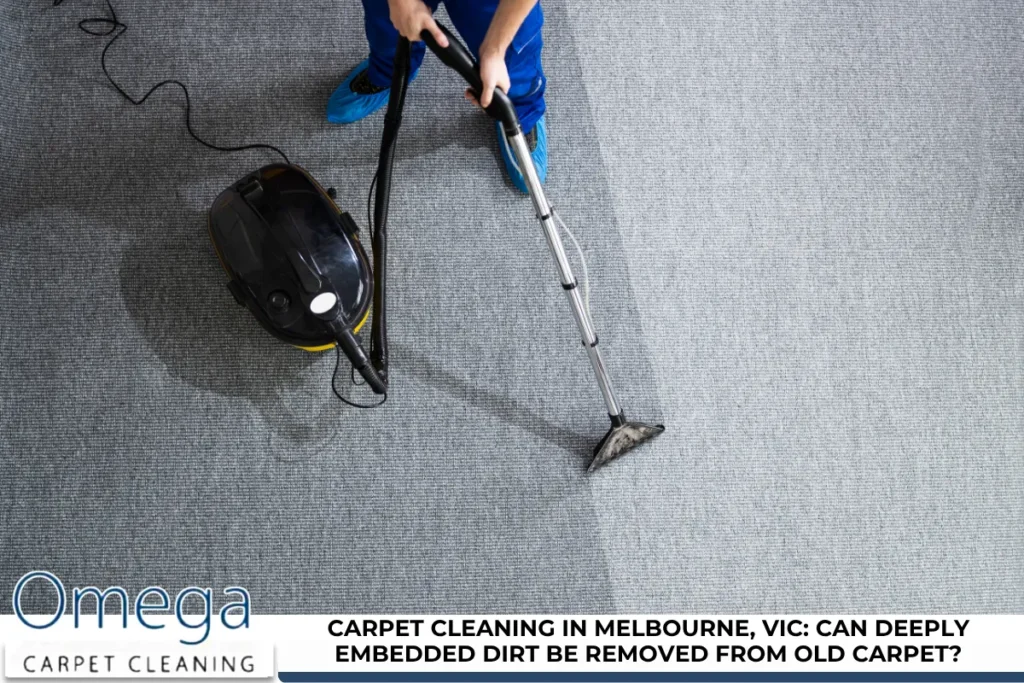


Does Dirt Really Permanently Change Carpet Color?
Carpet cleaning is one of those tasks many homeowners in Melbourne put off until grey traffic lanes, yellowed patches, or returning stains force their hand. The problem is real: carpet discoloration can result from dirt buildup and spills that accumulate week after week, slowly changing how your floors look and feel.
Left alone, that grime does more than sit on the surface. It bonds with fibers, reacts with moisture, and grinds away at protective coatings. Over months, what started as a simple dirty patch can become a permanent colour shift no carpet washer can undo.
The good news: understanding your carpet type, the kind of soil involved, and the right cleaning process makes the difference between reversible dullness and lasting damage. Professional hot water extraction, paired with fibre-appropriate detergents, can prevent permanent colour change and often restore the original appearance of your carpets.
Key Takeaways
- Compacted soil and oily residues left for months or years can bond with carpet fibers and cause colour changes that cleaning cannot fully reverse.
- Not all discoloration is permanent; professional carpet cleaning can usually restore carpet appearance when the issue is surface soiling rather than dye loss.
- Bleach marks, UV fading, chemical burns, and aged pet urine represent physical dye damage, not dirt, and require repair or replacement rather than more washing.
- Routine vacuuming, prompt spill treatment, periodic carpet steam cleaning, and correct cleaning solutions are essential to keeping carpets bright in Melbourne’s climate.
- Dirt can permanently alter the color of carpet fibers when abrasive particles scratch the fibre surface and change how light reflects off the pile.
How Dirt and Soiling Affect Carpet Fibers and Colour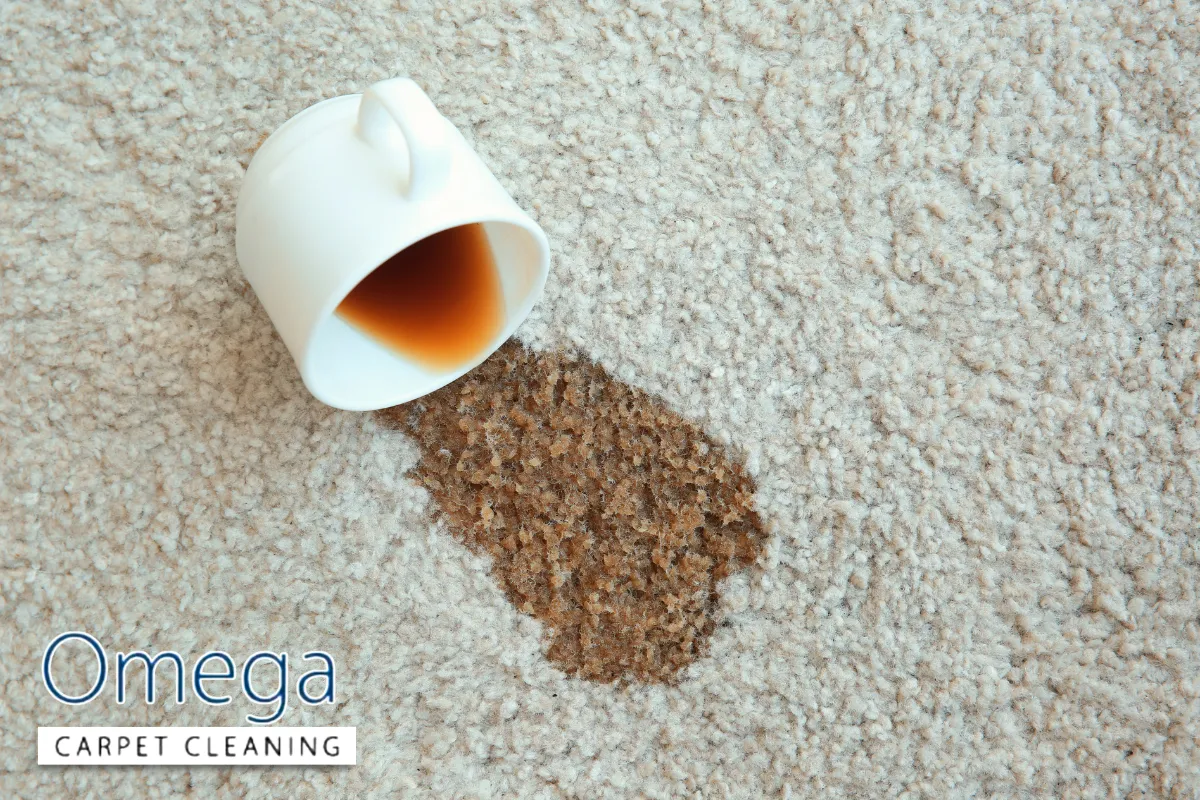
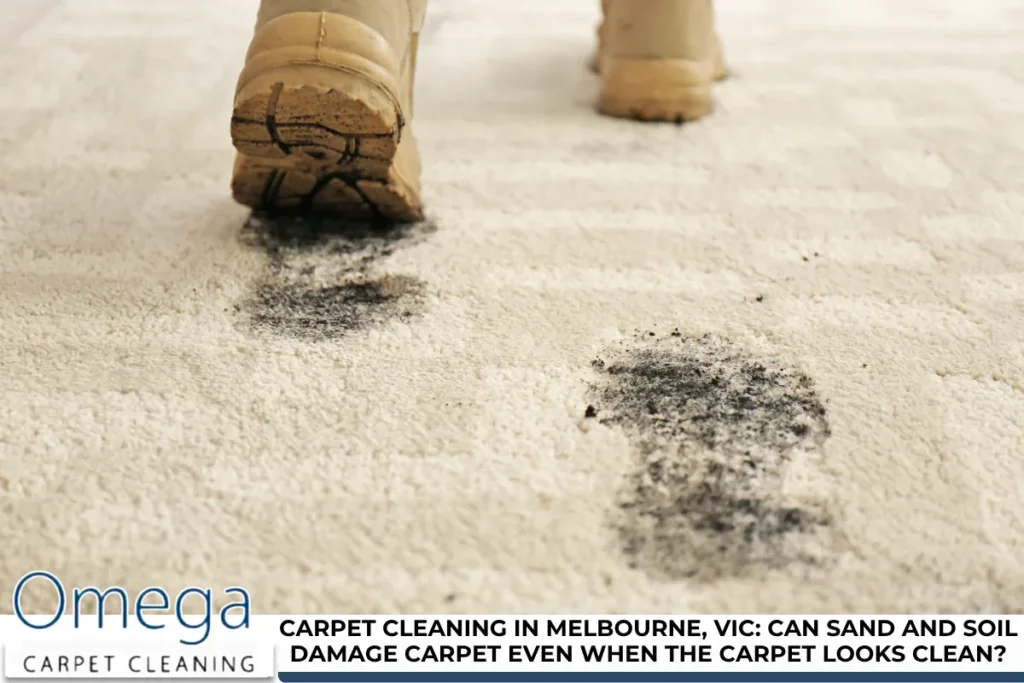
Carpets act as filters. They trap dry soil, oils, pollutants, and microscopic grit carried in on shoes, pet paws, and air currents. Over time, this accumulation does real damage to both fibre structure and carpet color.
- Soil particles scratch and wear away the outer protective coating of carpet fibers. This micro-abrasion, sometimes called “blooming,” opens the twist of yarns and causes them to scatter light differently, producing a dull, muddy look even after thorough cleaning.
- Dirt acts as a slow-acting abrasive that compromises color and structural integrity. Each footstep grinds fine grit against the fibre, and the resulting surface damage is irreversible.
- Ground-in dirt can cause premature aging and fiber damage in carpets. Fibers that have been scratched and frayed for years will never regain their original sheen, regardless of the cleaning method used.
- Oily residues from cooking, skincare products, and bitumen tracked from Melbourne roads create a sticky residue on fibers. This film traps more dust and grime, making clean carpets look progressively darker.
- Trapped dirt can contribute to resoiling and make stains harder to remove. Once soil is bound by oil, water-based cleaning alone will not release it.
- There is a distinction between apparent discoloration (a grey film sitting on the fibre that can be removed) and true colour loss (dye damaged or stripped at the molecular level). Both look similar at first glance, but only the first is fully reversible.
When Is Discoloration From Dirt Reversible, and When Is It Not?
The answer depends on whether the issue is soil sitting on fibers or damage done to the fibers themselves. Professional cleaning can improve discoloration from dirt and residue in most cases where the dye structure is intact.
- If soil is the problem (dark traffic lanes, general greyness), professional carpet cleaning or carpet steam cleaning can usually flush it out and reveal the original tone underneath.
- Chemical stains can permanently alter color by reacting with the carpet’s dye complexes. Bleach splashes, strong alkaline cleaners used on wool, or oxidising agents break dye bonds in ways no rinse cycle can reverse.
- Some stains permanently change carpet color and cannot be removed. Old red wine that has oxidised into the fibre, or turmeric that has chemically bonded with nylon, fall into this category.
- Long-term compacted soil permanently scratches synthetic fibers like nylon carpets, making pile look dull even once it is technically clean. A hallway used daily since 2015 with only occasional vacuuming may show permanent wear bands that no amount of cleaning can fully even out.
- Pet urine left unattended for weeks undergoes chemical aging: urea breaks down to ammonia, salts crystallise in the backing, and those alkaline byproducts attack dye molecules. Even after thorough cleaning, the colour shift remains.
- A qualified technician will typically test a small patch with specialised cleaning solutions to estimate how much colour recovery is realistic before treating the full area.
Common Causes of Carpet Colour Change in Melbourne Homes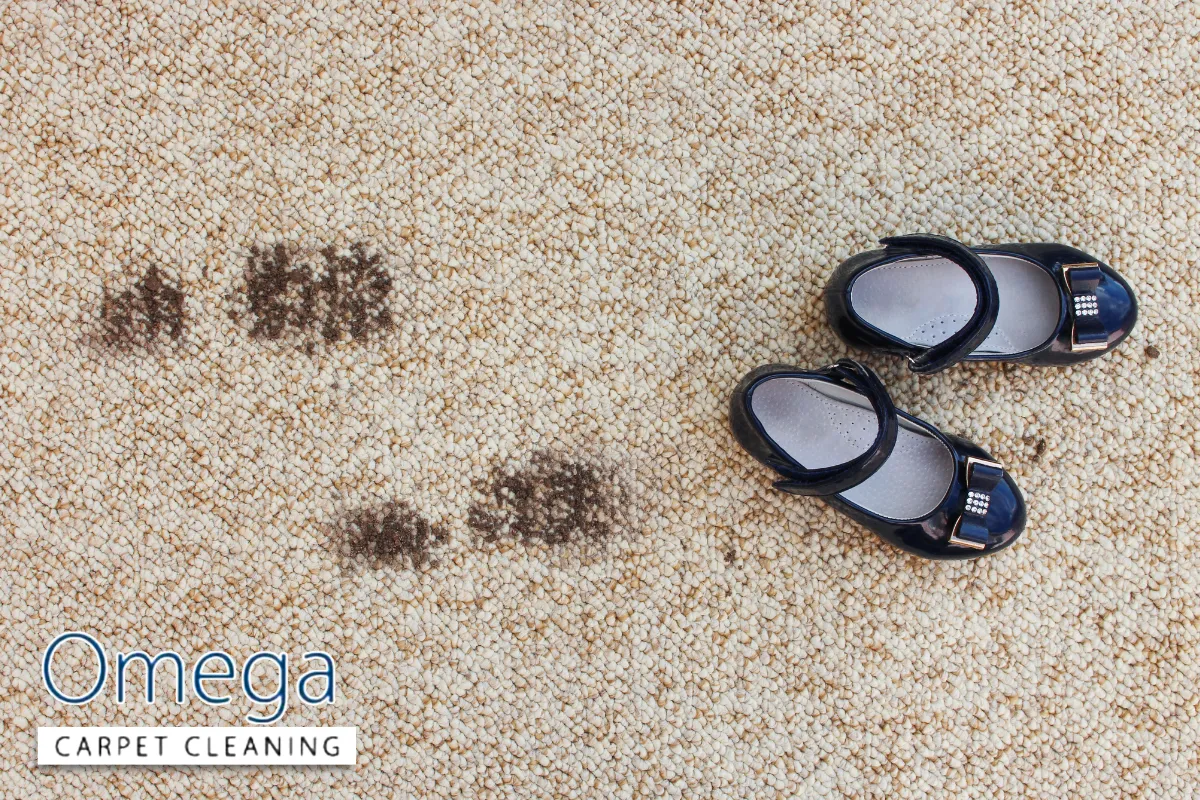
Melbourne’s mix of wet winters, strong summer UV, high pet ownership, and urban dust creates a specific set of risks for carpet appearance. Many homeowners notice changes they assume are just “age” but are actually preventable damage from identifiable sources.
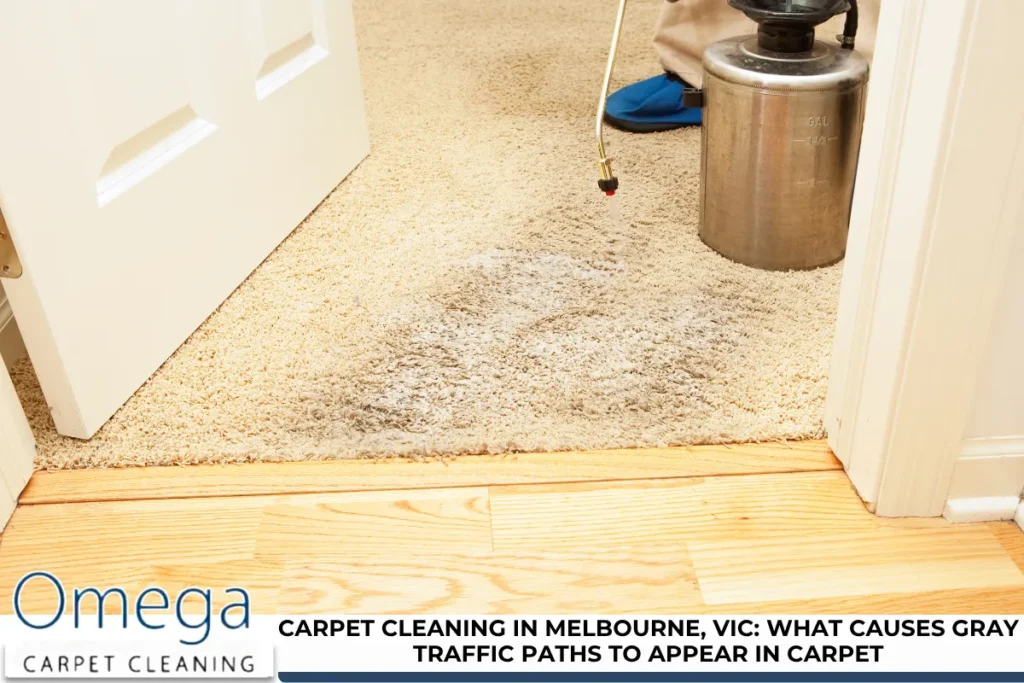
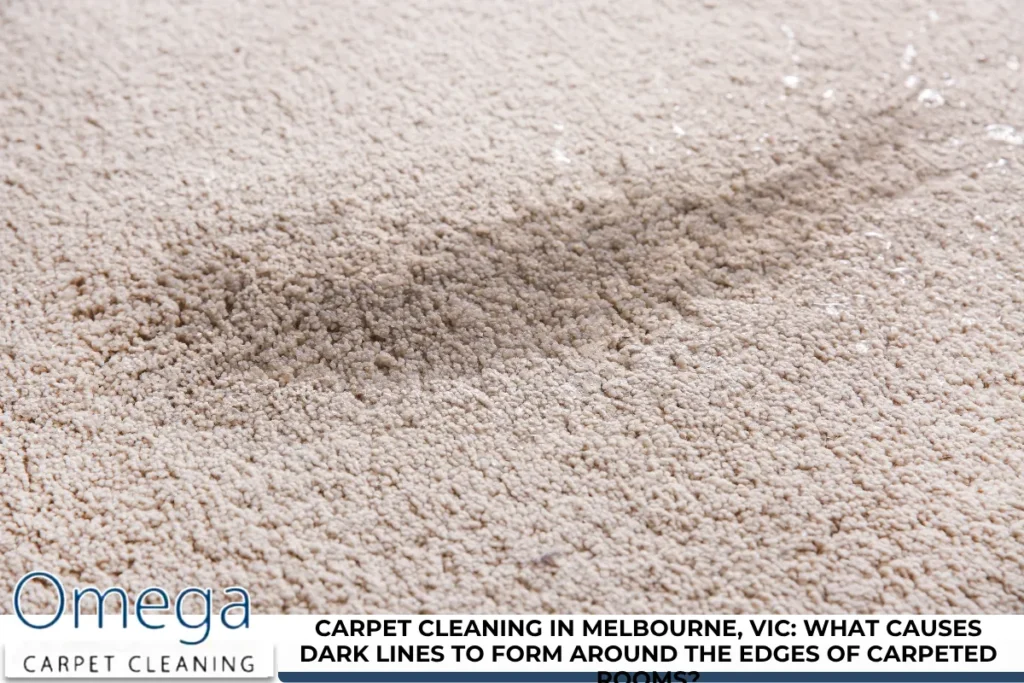
- Outdoor soil and asphalt dust tracked in from driveways and footpaths darken traffic areas near entries and hallways. Heavy foot traffic creates darker traffic lane discoloration that worsens each month without intervention.
- Spills from coffee, red wine, cordial, and cooking oils oxidise and darken if not flushed properly. During later wet cleaning, dissolved stain residue can wick up from the backing to the surface, making it look as though the stain has returned.
- Pet accidents can cause recurring stains and discoloration. Urine, vomit, and faeces initially appear as surface stains, but over time the chemistry changes. Ammonia from decomposing urea is highly alkaline and attacks carpet dyes, leaving yellow or brown patches even after washing.
- Moisture can lead to browning and yellowing of carpet fibers. Wet shoes, winter rain dragged inside, or minor leaks under furniture create prolonged dampness. On wool carpet in particular, that moisture activates tannins in natural fibre backings like jute, producing brown or yellow marks that migrate into the pile.
- Sunlight exposure can permanently fade carpet colors. North- or west-facing windows in Melbourne let UV light break down dye molecules over months and years. The area under a couch stays rich in colour while the exposed strip fades, and no cleaning process can rebuild destroyed dye.
- Cleaning product residue can attract dirt and cause discoloration. Supermarket carpet shampoos or rental carpet washers often leave behind a sticky film that collects more dirt within days, making those spots look darker than the surrounding carpet.
- Melbourne’s climate can trap organic dirt and humidity, affecting carpet condition. The combination of cool, damp winters and warm, breezy summers means carpets cycle between absorbing and releasing moisture, accelerating chemical reactions in embedded soil.
Carpet Fiber Types: Why Some Carpets Discolour More Easily
The chemistry of your carpet type and the way carpet dyes are applied determine how vulnerable your floors are to dirt, cleaning agents, and UV light. Prolonged exposure to acidic or alkaline substances can degrade natural carpet fibers, while synthetics face their own challenges.
- Wool carpet is resilient and luxurious but sensitive to cleaning solutions above pH 8.5 to 9. High-alkaline detergents strip natural lanolin, cause dye bleed, and trigger browning or yellowing. Slow drying compounds the problem by allowing tannins from jute backings to migrate upward into the pile. Wool needs mildly acidic or neutral products and controlled moisture.
- Nylon carpets are common in Melbourne homes, durable, and generally responsive to professional cleaning. Over many years, though, heavy traffic abrades the fibre surface and diminishes the sheen. Once that physical wear occurs, the dulling persists even after deep extraction.
- Polyester and polypropylene (olefin) resist water-based spills well but attract oily soils. Cooking residue and body oils bind to these fibers, and without periodic deep cleaning, traffic lanes can appear permanently dark.
- Solution-dyed fibers have colour integrated into the polymer during manufacturing. This makes them highly resistant to UV fading and chemical attack. Discoloration on solution-dyed carpet is almost always soil or chemical residue, meaning a thorough cleaning process can typically fix it.
- Manufacturers’ care instructions and warranty conditions should be followed. Many warranties in Australia require maintenance that aligns with AS/NZS 3733:2018, covering acceptable methods, chemical parameters, and drying procedures.
Read Carpet Cleaning in Melbourne, VIC: Why Does Dirt Keep Reappearing After Your Wash?
How Professional Cleaning Processes Address Colour Problems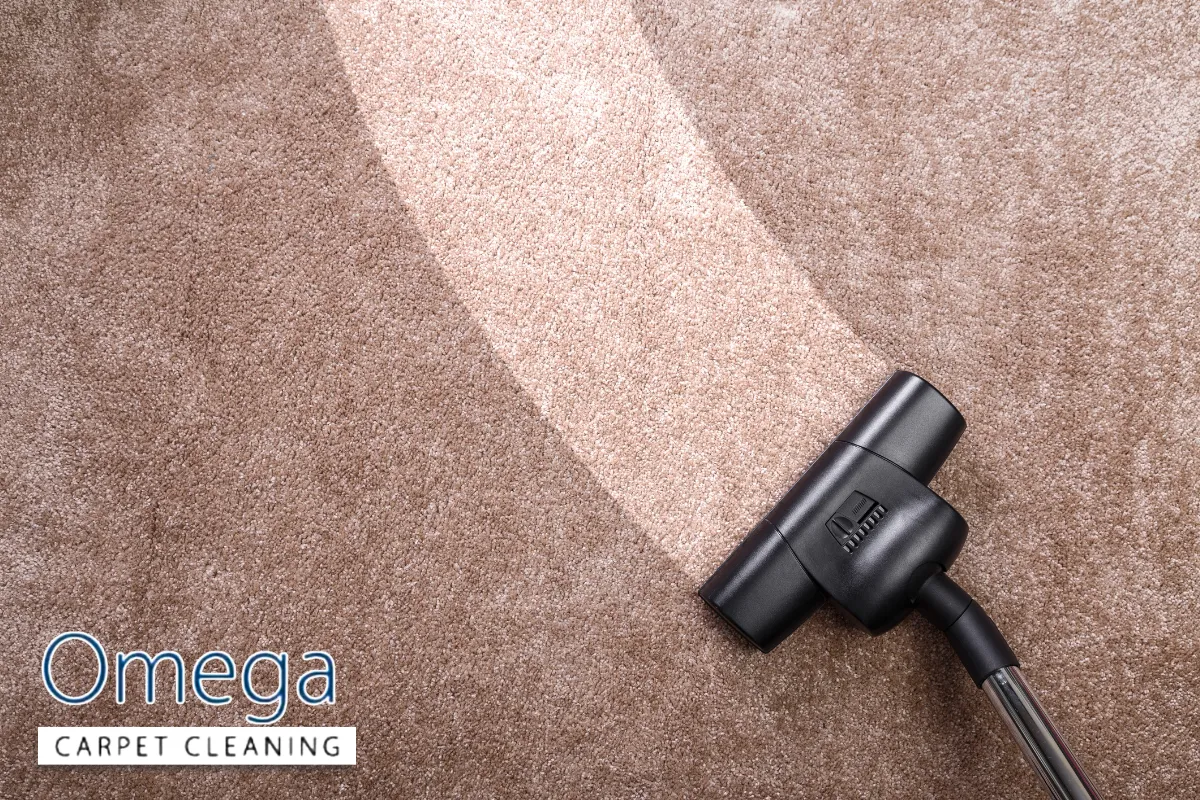
A professional cleaning visit is not just a rinse. Each stage targets a different layer of the problem, from loose grit to chemically bonded residue. Professional steam cleaning removes 99.9% of germs and allergens while also lifting embedded soil that dulls carpet color.
- A trained technician begins with a thorough pre inspection of carpet fibers, backing, carpet type, and existing stains. This step identifies previous chemical damage, dye loss, or fibre wear that cleaning alone cannot fix.
- Commercial-grade vacuuming with high-powered equipment removes loose grit and dust before any wet cleaning begins. Skipping this step means abrasive particles get dragged through the pile during extraction, causing additional scratching.
- Pre-treatment follows: targeted application of specialised detergents or stain removal products matched to fibre type and pH requirements. Tough stains like oil or tannin marks get dedicated attention with appropriate cleaning agents.
- Hot water extraction (often called carpet steam cleaning) uses controlled pressure and high temperatures to flush soil and cleaning solution out of the pile. Hot water extraction cleans carpets at 150 degrees Fahrenheit to 200 degrees Fahrenheit, with some units reaching up to 93 degrees Celsius. High-powered extraction removes deeply embedded contaminants effectively at these temperatures.
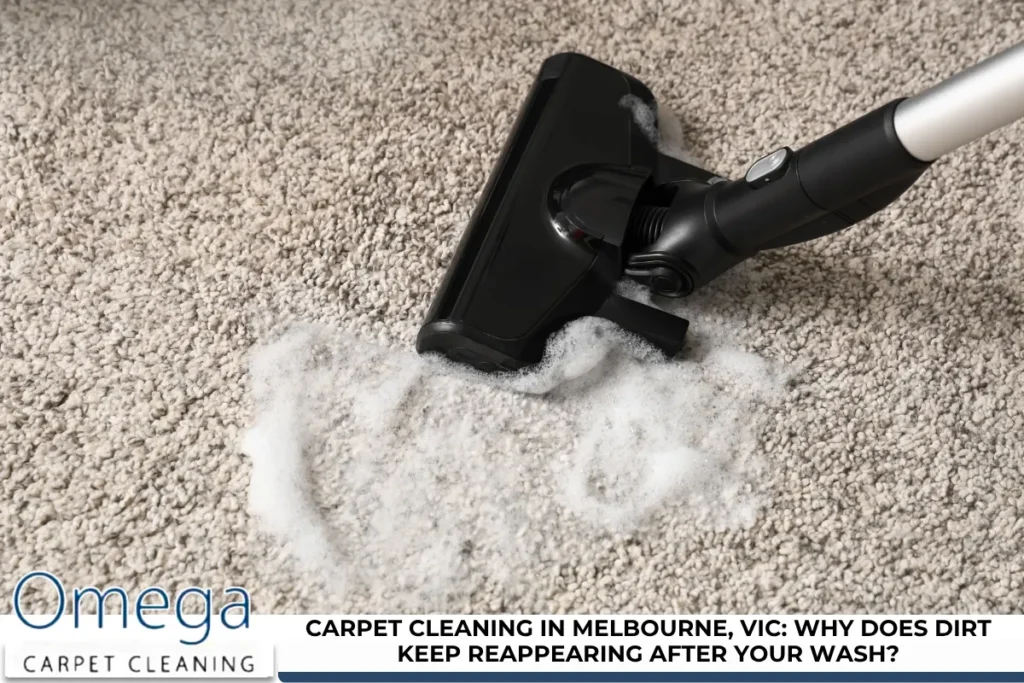
- Thorough rinsing reduces chemical residue left in the carpet. Residue that remains will attract dirt within days and make the carpet appear darker again, undoing the work.
- Controlled drying with air movers or ventilation prevents wicking, browning, and microbial growth. If the carpet dries slowly (especially in Melbourne’s cooler months), moisture can pull dissolved soil back to the surface or trigger mould. Faster drying times protect carpet color and fibre health.
Professional cleaning can remove deep-seated dirt and stains that home equipment simply cannot reach. It also removes deep-seated dirt and allergens effectively, improving both the overall appearance and the well being of household occupants.
Best Practices to Prevent Permanent Colour Change in Your Carpets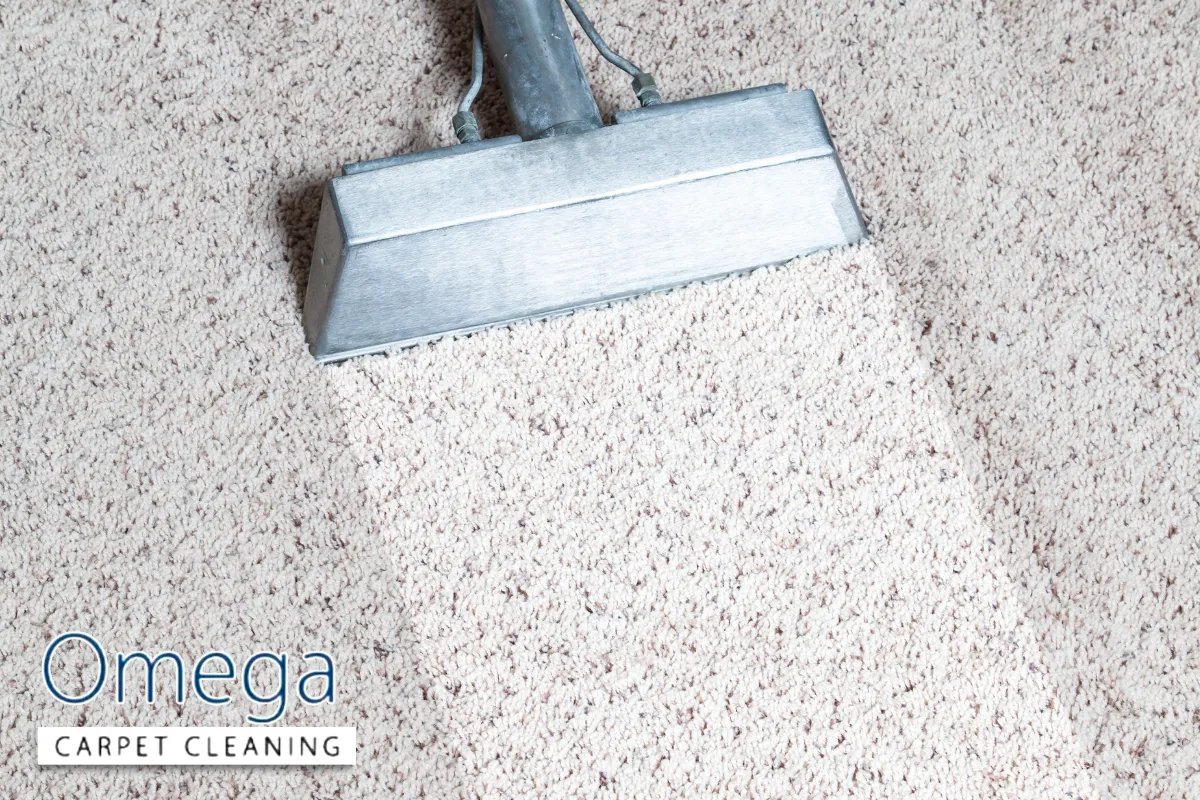
Prevention costs less than restoration. A few consistent habits keep soil loads low and protect carpet fibers from the kind of embedded grime that leads to permanent damage.
- Regular vacuuming can prevent dirt from embedding in carpet fibers. Vacuum at least twice a week in living areas and hallways, more often with kids or pets. Use a beater bar or power head on most synthetic carpets, and gentler suction-only settings on delicate wool or loop piles.
- Addressing spills immediately helps prevent permanent discoloration. Blot with clean white towels, avoid scrubbing, and use only mild, fibre-appropriate cleaning solutions until a professional can attend to deeper treatment if needed.
- Doormats can help reduce dirt brought into the home from outside. Place mats at all exterior doors and encourage a shoes-off policy indoors to cut the volume of grit and oil tracked onto your carpet.
- Use blinds, curtains, or UV window films in sun-exposed rooms. North- and west-facing windows in Melbourne deliver strong UV during summer, and slowing that exposure preserves carpet dyes and prevents uneven fading.
- Schedule professional deep cleaning every six to twelve months depending on traffic and lifestyle. Regular professional cleaning can extend carpet lifespan by years by removing abrasive particles before they cause irreversible fibre damage.
- Choose eco friendly products and pH-balanced detergents. Incorrect chemistry strips dyes and damages fibers. A cleaning solution rated for your specific carpet type keeps colour intact and avoids the chemical residue that leads to resoiling.
Related Surfaces: How Similar Issues Affect Rugs, Mattresses, and Grout
The same principles that govern carpet colour change apply to other soft and hard surfaces throughout your home. A coordinated approach to maintenance keeps interiors uniformly bright.
- Area rugs are often made from the same fibers as wall-to-wall installations. Soil and UV light dull rug colours in the same way, especially near windows. Rotating rugs periodically evens out wear and sun exposure.
- Mattress cleaning addresses body oils, sweat, and dust mites that stain and discolour fabrics over time. Controlled moisture and correct detergents prevent yellowing while also removing allergens and bacteria that accumulate in bedding.
- Tile and grout cleaning faces similar embedded-soil problems. Dirty grout lines can make a whole floor look darker or patchy even when tiles themselves appear clean. Grout cleaning with appropriate equipment restores the original contrast between tile and grout.
- Upholstery cleaning follows the same fibre-specific rules as carpet care. Sofa fabrics trap oils, pet hair, and dust, and neglecting them means dirt migrates to freshly cleaned carpets from furniture contact.
Choosing Safe, Effective Cleaning Solutions and Equipment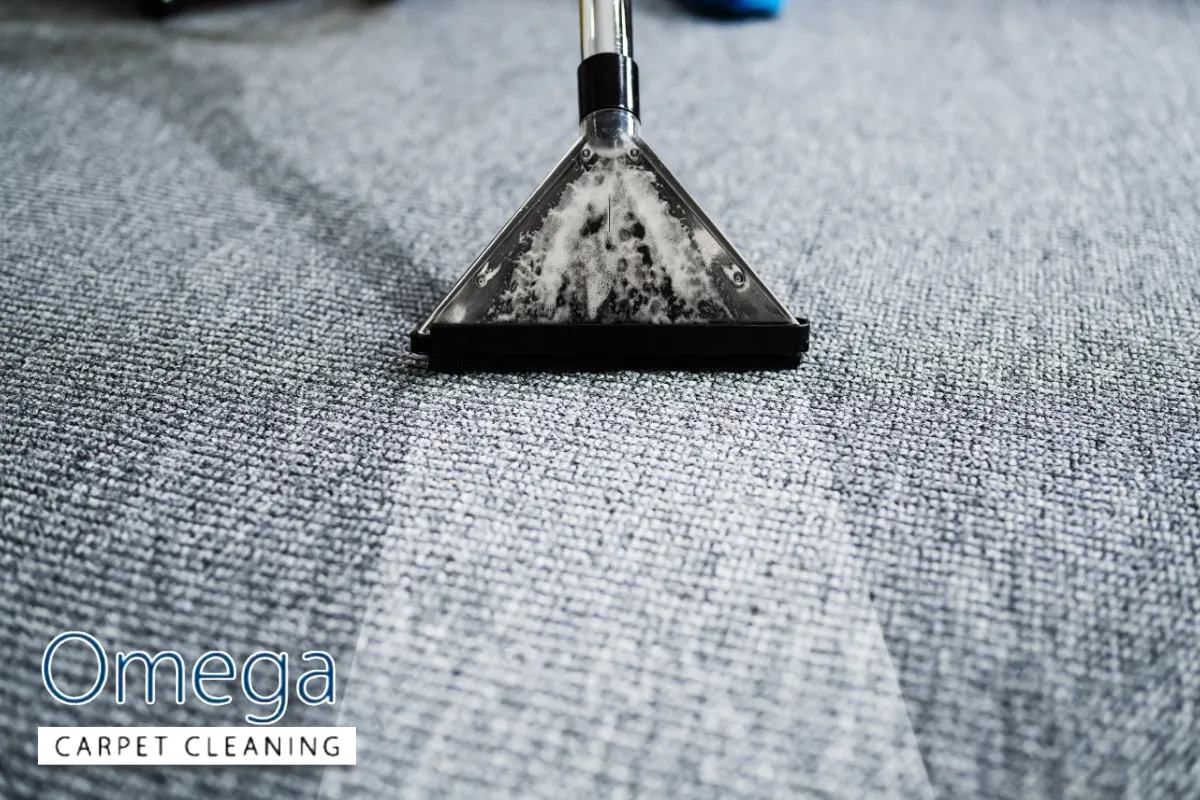
The products and equipment you use matter as much as the technique. Wrong choices accelerate the colour damage you are trying to prevent.
- Never use chlorine bleach-based products on coloured carpets. Bleach strips carpet dyes permanently. Avoid mixing chemicals such as bleach and ammonia; the combination produces toxic fumes and destroys fibre structure.
- Choose a cleaning solution with a pH suitable for your specific carpet fiber. Wool requires mildly acidic or neutral products (pH 5 to 7). Synthetic fibers tolerate mildly alkaline solutions but can still suffer if excess moisture is left behind.
- Light spot cleaning with consumer products handles minor spills. For deep soil, a professional-grade carpet washer operated by trained technicians delivers far better results than hire machines, which often lack adequate suction and leave carpets saturated.
- Over-wetting carpets with hire machines, especially during Melbourne’s cooler months, can cause prolonged drying times, browning, and mould growth. Dry cleaning methods can leave carpets walk-on dry in one to two hours, but they are surface-level treatments best suited as interim maintenance rather than deep soil removal.
- Check that any carpet cleaner used in your home follows relevant Australian Standards for hot water extraction and safe chemical use. AS/NZS 3733:2018 sets out acceptable methods, and many manufacturer warranties reference this standard.
Practical Maintenance Schedule for Melbourne Households
Consistency matters more than intensity. A realistic schedule matched to your household’s traffic level prevents small problems from becoming permanent colour changes.
- Low-traffic homes without pets: book professional carpet washing roughly every twelve to eighteen months, alongside weekly vacuuming. Professional cleaning is recommended every 12 to 18 months to maintain carpet condition.
- Average families with school-age children and moderate foot traffic: plan deep cleaning every nine to twelve months, with extra attention to living rooms and hallways where grime concentrates.
- High-traffic homes, shared houses, or properties with multiple pets: consider professional carpet cleaning every six months. Pet accidents, heavy foot traffic, and excess moisture from wet paws accelerate soil accumulation and fibre damage at a rate that annual cleaning cannot keep up with.
- Landlords and tenants in Melbourne: end-of-lease carpet steam cleaning is commonly expected by property managers. Treating stains early avoids bond disputes and reduces the cost of the final clean. Professional cleaners can improve carpet appearance to a standard that satisfies most inspection requirements.
- Run seasonal checks at the end of winter and summer. Look for moisture issues under furniture, pet urine stains near doors or beds, and sun fading along window walls. Catching these early, before chemical reactions set in, keeps restoration realistic.
Professional cleaning can improve carpet appearance so that what looked like permanent damage turns out to be removable buildup. The key is not waiting until the damage has crossed the line from soil to fibre destruction.
Carpet Cleaning in Melbourne, VIC – Omega Carpet Cleaning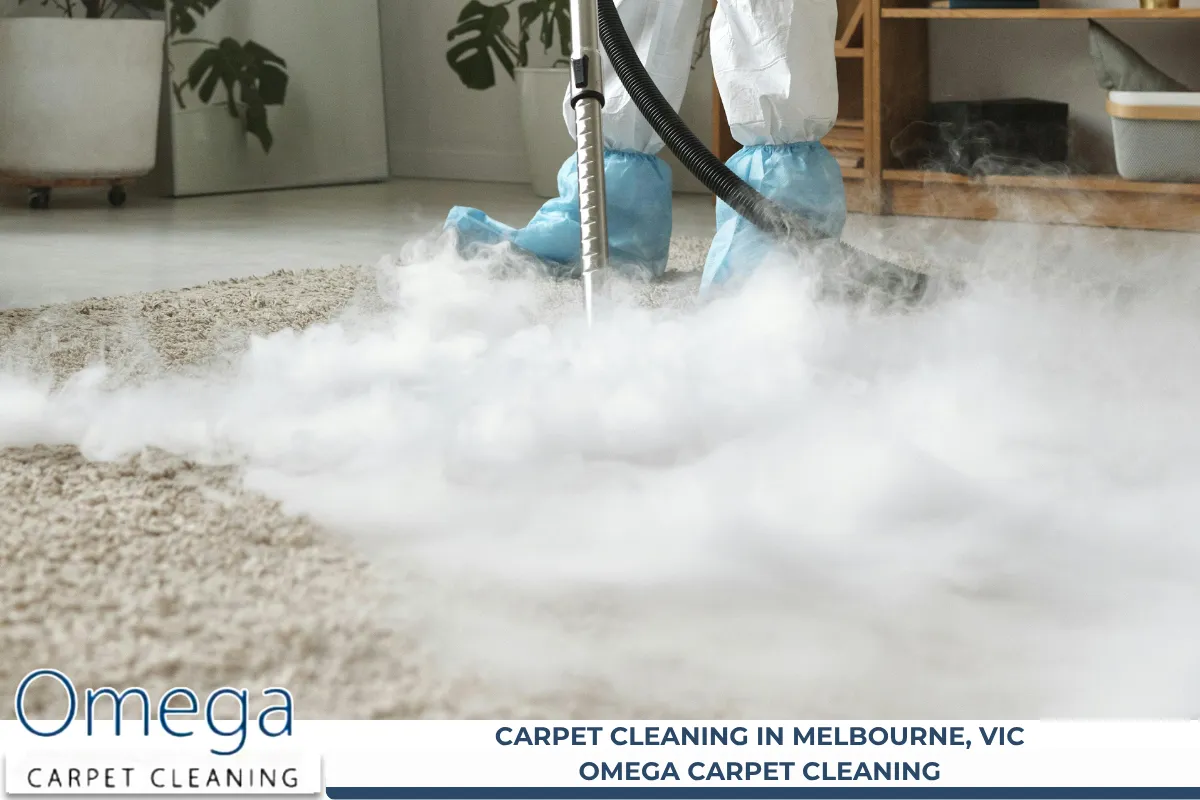
We are Omega Carpet Cleaning, a Melbourne-based team specialising in professional carpet cleaning that targets deep soil, tough stains, and traffic lanes before they become permanent. Our services cover homes and apartments across Melbourne, Victoria, and surrounding areas, including the Mornington Peninsula.
We use advanced hot water extraction, fibre-specific detergents, and eco friendly options to safely restore the appearance of a comprehensive range of carpet types. Our technicians conduct a pre inspection of each room, explain what colour improvement is realistic, and tailor the cleaning process to your carpet type and lifestyle. We also provide tile and grout cleaning, upholstery cleaning, mattress cleaning, and rug care as part of our services.
Call us on 0406 996 819 or fill out our online contact form to arrange an obligation-free quote. We are committed to delivering results our customers can see, at a reasonable price, with a satisfaction guarantee. Book a convenient appointment and let our company help keep your carpets looking their best.
Frequently Asked Questions
Can Regular Vacuuming Alone Prevent Permanent Carpet Discoloration?
Frequent vacuuming removes loose soil and slows fibre abrasion, making it the single most important weekly habit for protecting carpet fibers from early wear and dulling. A vacuum with a beater bar or power head works well on most synthetic carpets, while delicate wool or loop piles benefit from suction-only attachments to avoid snagging. That said, vacuuming cannot extract compacted dirt and oily residues lodged deep in the pile. These buried contaminants need periodic professional treatment using hot water extraction to fully remove. In busy Melbourne homes, combining good vacuuming (twice weekly or more) with scheduled deep cleaning every six to twelve months is the most reliable way to avoid long-term colour change and fibre damage.
Is Carpet Steam Cleaning Safe for All Carpet Types and Colours?
Modern hot water extraction is safe when technicians adjust temperature, pressure, and detergents to match fibre type and dye system. Problems arise mainly when untrained operators over-wet carpets, use high-alkaline products on wool, or ignore manufacturer instructions. A reputable professional cleaner will perform a colourfastness test in a discreet area before proceeding with full-room treatment. In Melbourne, many homes successfully use steam cleaning on both light and dark carpets across nylon, polyester, and wool. True dye loss from a correctly performed professional cleaning is rare. The risk comes from incorrect chemistry or excessive moisture, not from the extraction method itself. Always confirm that your technician understands your specific carpet type before work begins.
What Should I Do If a Stain Looks Worse After I Try to Clean It Myself?
Stop further DIY attempts immediately. Repeated scrubbing and chemical use can spread the stain, distort the pile, or strip colour from carpet fibers. Some household products set stains chemically or leave a residue that darkens over the following days as it attracts fresh soil. Blot any remaining moisture with clean white towels, keep the area as dry as possible, and avoid walking on it. Contact a qualified local technician quickly and provide details of what was spilled and which products you already used. This information helps them choose the safest correction method and avoid chemical interactions that could cause further damage. Acting fast before the stain ages gives the best chance of full removal.
How Long Should Carpets Take to Dry After Professional Cleaning in Melbourne?
Under normal indoor conditions with reasonable airflow, most carpets are touch-dry within four to eight hours after hot water extraction. Thick underlay, heavy pile, cool weather, and high humidity can extend that timeframe. In winter, when Melbourne homes may have limited ventilation, drying can take longer unless fans and heating assist the process. Reputable professional cleaners aim to leave carpets only slightly damp, not saturated, using high-powered extraction equipment that removes excess moisture during the cleaning process. Keep foot traffic light and avoid moving heavy furniture back onto the carpet until it is totally dry to prevent marking, indentation, or moisture trapping that could lead to browning or odour.
Can Colour Repair or Dyeing Fix Permanent Carpet Discoloration?
For true dye loss, such as bleach spots, severe UV fading, or old pet urine burns, specialist spot dyeing or patch repair may be viable options. Colour repair requires skill to match existing tones accurately and is most successful on small, localised areas rather than entire rooms. Restoration certification programs train technicians specifically in dye matching and fibre-level colour correction. In some cases, especially with older carpets or complex patterns, replacing a damaged section with spare offcuts from a wardrobe or cupboard gives a more consistent result. Discuss costs and expectations with a professional before committing; repairs are often worthwhile in visible spots but may not be economical for heavily worn carpets nearing the end of their lifespan.
Disclaimer: This article provides general information only and is not personalised advice. For specific stains, fibre types, or compliance with local standards in Melbourne, Victoria, consult a qualified professional for assessment.