
Why Carpet Cleaning Mistakes Make Stains Look Worse
Carpet cleaning is one of those jobs that looks straightforward until a small coffee ring turns into a dinner-plate-sized shadow overnight. Across Melbourne, VIC, homeowners and tenants deal with this frustration regularly: a quick spill on the living room floor somehow becomes a spreading, stubborn mark that no amount of scrubbing seems to fix. On light-coloured carpets in rental properties and office spaces, the problem is even more visible and stressful. Carpet stains can spread due to multiple physical and chemical factors working together beneath the surface. The good news is that understanding how your carpet fibres, moisture movement and cleaning chemistry interact will help you contain spills effectively until a qualified carpet cleaner can treat the area properly. Melbourne’s damp winters, indoor heating and high pet ownership all play a role, and this guide breaks down exactly what is happening in your carpet and what you can do about it.
Key Takeaways
- Stains spread mainly because liquid soaks into the carpet backing and underlay, then wicks back up as the area dries.
- Rubbing, over-wetting and using too much detergent push a carpet stain wider and deeper into the fibres.
- Pet urine, red wine and sugary drinks are common causes of stubborn carpet stains in Melbourne homes and businesses.
- Humidity changes, temperature shifts and slow drying in Melbourne’s climate can re-activate old spills and make marks grow.
- Prompt blotting, minimal moisture and early professional carpet cleaning greatly reduce the risk of permanent damage.
How Carpet Construction in Melbourne Homes Affects Stain Spread
Most carpets installed in Melbourne homes are synthetic, made from nylon, polypropylene or polyester. Wool and wool-blend options (commonly an 80/20 wool-synthetic mix) remain popular in older or premium properties. The type of carpet fibre affects how it absorbs and spreads liquid stains, so the material under your feet matters more than most people realise.
Every carpet has three main layers that influence how spills behave:
- Face fibres (the pile you walk on)
- Primary and secondary backing (holds the fibres in place)
- Underlay or cushion (sits between carpet and subfloor)
When a drink hits the surface, liquid travels vertically through the pile into the backing and underlay. Heavy or saturated spills can spread moisture horizontally across carpet backing due to gravity, creating a hidden area of contamination far wider than the visible wet spot on top. Cut pile carpets, the most common style in contemporary Melbourne living rooms, tend to show expanding rings and halo marks more clearly than loop pile, because the upright fibres reveal colour changes as the surface dries.
Older Melbourne properties often feature jute-backed carpets and natural fibre underlays like coir or bamboo. These materials absorb and hold moisture longer than modern synthetics, increasing the risk of browning, water marks and deeper spread of any spill that reaches them.
Wicking: The Main Reason Carpet Stains Seem to Grow Overnight
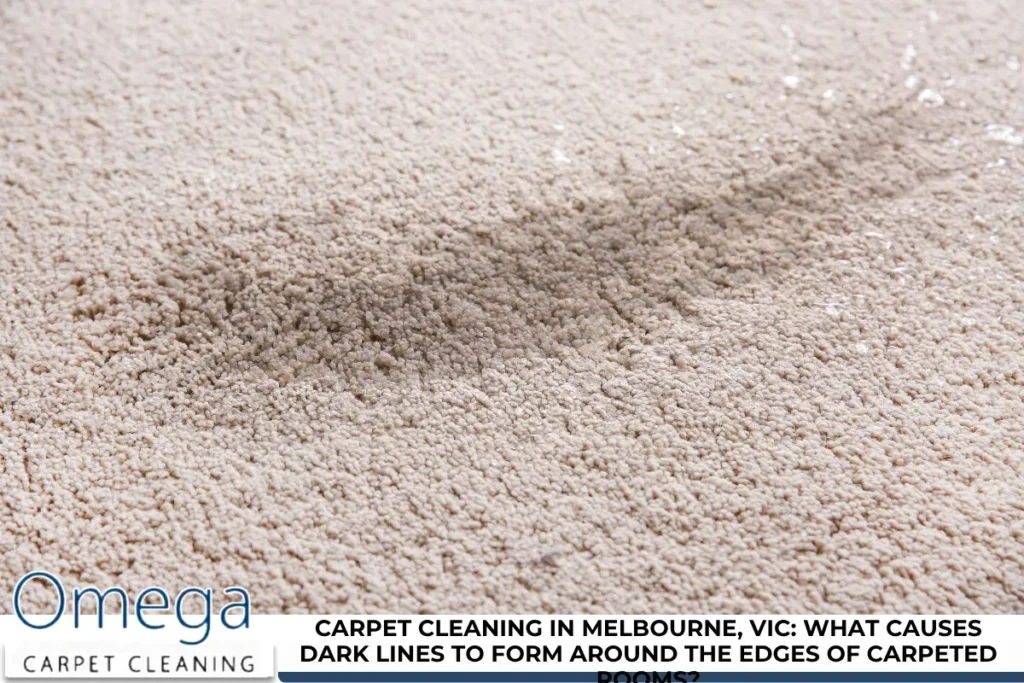
Wicking is the single biggest reason a carpet stain you thought was gone reappears the next morning, often larger than before. In simple terms, wicking occurs when moisture remaining in the backing and underlay rises back to the carpet surface as the area dries. Capillary action allows liquid to be pulled upward and outward through carpet fibres, carrying dissolved soil, dye and contaminants with it.
Picture this common Melbourne scenario: you spill coffee near the sofa on a cool winter evening. You blot the surface quickly, the wet patch looks clean, and you move on. Overnight, moisture from below brings old stains back to the surface. By morning, a faint brown ring has appeared, wider than the original spill. Moisture remaining in carpet allows dissolved contaminants to migrate and expand stains, and this process continues through each drying cycle until all the liquid is gone.
Typical wicking offenders include:
- Coffee and tea (tannin-rich, dark colour)
- Sugary soft drinks and sports drinks
- Red wine
- Pet accidents
- Flood or rainwater
- Old detergent residue from previous carpet washing
Wicking causes stains to reappear as carpets dry, which is why professional carpet cleaning targets the base of the pile and sometimes the underlay itself. Surface cleaning alone rarely solves a stain that has already reached deeper layers.
How DIY Cleaning Habits Push Stains Deeper and Wider
A well-meaning attempt with a carpet washer from the supermarket can unintentionally turn a small mark into a much larger problem. Aggressive scrubbing can push liquid farther into clean carpet fibres, expanding the stain beyond its original boundary. Brushing or rubbing with a cloth forces the contaminant sideways and downward, working it into the backing where it becomes far harder to extract.
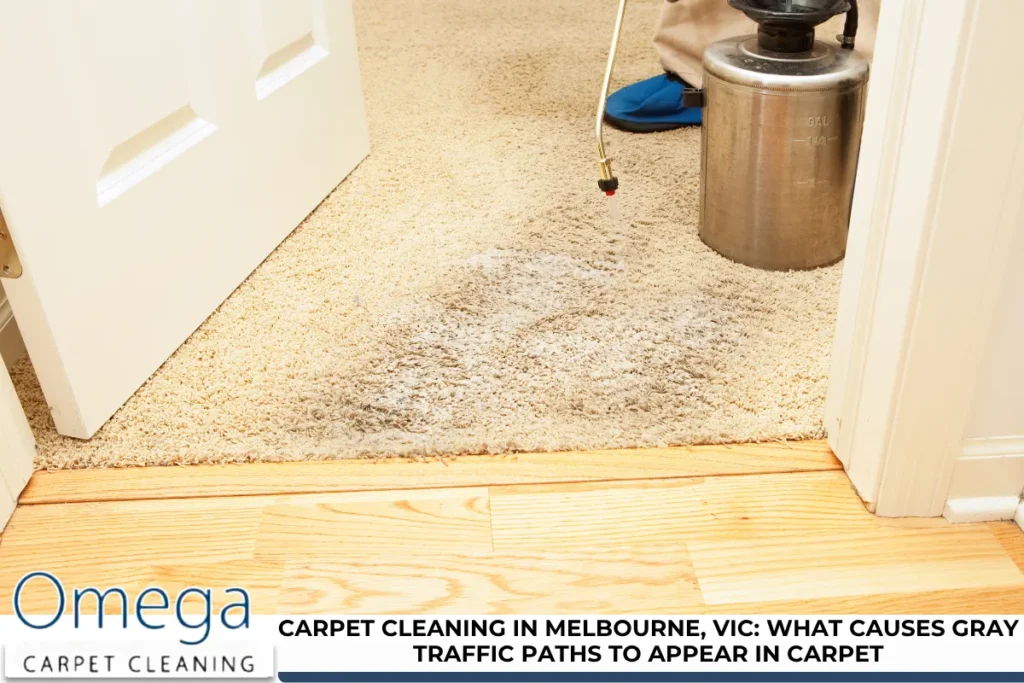
Improper application of cleaning solutions can cause stains to spread further. Many people spray too much product, creating a soaked area that takes hours to dry. DIY carpet machines often leave excess moisture behind because they lack the powerful vacuum suction of commercial carpet cleaning equipment. That leftover dampness is an open invitation for wicking.
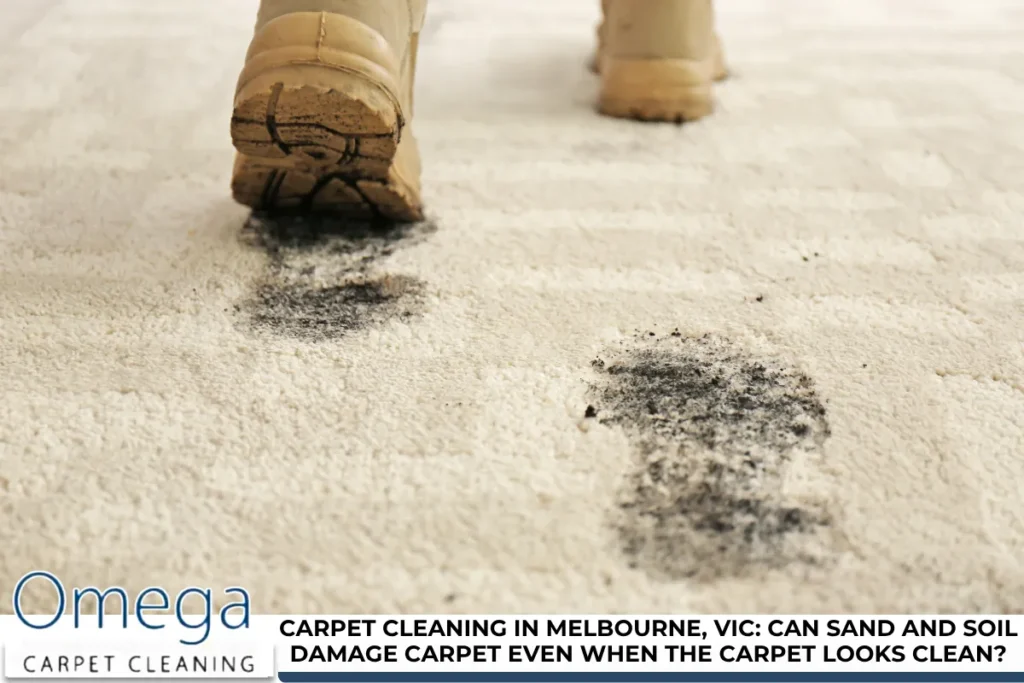
Foot traffic over damp areas can physically spread contaminants across clean sections of carpet, which is why walking on a freshly treated spot in socks or shoes makes things worse.
Here is a quick guide for immediate spill response:
- Blot, never rub. Press down firmly with a dry towel or white cloth.
- Work from the outside edge inward to contain the spill.
- Use a small amount of cool water only if needed.
- Avoid mixing household chemicals such as bleach and vinegar.
- Stop immediately if carpet colour transfers to your cloth, as this signals dye instability.
Spills That Commonly Spread on Carpets in Melbourne, VIC
Some spills naturally migrate further than others because of their chemistry, colour load and texture. Knowing which ones are highest risk helps you react faster.
Clear but sticky liquids like soft drinks, sports drinks and white wine dry almost invisibly. Over the following days, the sticky residue left behind grabs dirt from foot traffic, and a grey or brown patch seems to grow from nowhere. This is not a new stain; it is soil bonding to the sugar film underneath.
Red wine is one of the most feared spills for good reason. Its deep pigment penetrates quickly, and even a small amount can reach the backing within seconds. Fast blotting with minimal moisture is critical. Adding too much water can carry the dye further, making stain removal far more difficult later.
Oil- and grease-based spills from takeaway food, cooking splashes or cosmetics spread sideways easily. Water alone will not break down grease. Spraying water on an oily mark often just pushes it across a wider area of the carpet. These spills usually need a solvent-based treatment from a professional.
Protein-based spills such as milk, baby formula and gravy often smell as they dry, indicating deeper contamination underneath the surface. Invisible grease can create stains that resist normal cleaning, and food residues left in the backing may attract bacteria, adding odour to the problem.
Read Why Rubbing Stains Makes Professional Carpet Cleaning Harder in Melbourne, VIC
Pet Urine and Pet Accidents: Why the Damage Is Bigger Than You See
With roughly 73 percent of Australian households owning a pet, urine-related carpet issues are among the most common requests for professional services in Melbourne. Pet urine can spread further than visible stains suggest, soaking vertically through the pile into the backing and underlay, and sometimes even reaching the subfloor.
The chemistry of urine makes it especially damaging. Fresh urine is slightly acidic and mostly water, but as it dries, bacteria convert urea into ammonia and uric acid salts crystallise in the fibres and backing. When humidity changes or temperature rises, those salts re-liquefy and wick upward, making the stain and odour seem to grow weeks after the original accident. Pet urine can spread beneath carpets, causing recurring stains that surface-level treatments cannot reach.
Pet accidents can cause permanent damage to carpet fibres. The ammonia produced during decomposition can strip dye from the pile, especially in nylon carpets, leaving behind a yellow or orange discolouration that no amount of carpet cleaning will reverse. Light over-the-counter sprays rarely penetrate the full depth of contamination, which is why the mark keeps returning and expanding.
Proper treatment often requires deep flushing with specialised urine-neutralising solutions, enzyme-based products that break down uric acid crystals, and in severe cases, underlay replacement or subfloor sealing. Professional treatments can improve or remove pet urine stains when the right approach is used early enough.
Old Detergent Residue and Why Carpets Look Dirtier Over Time
Some marks that appear to be new carpet stains are actually soil sticking to leftover detergent or soap from past cleaning attempts. Old spot cleaners can leave sticky residue that attracts dirt, creating a patch that darkens and widens with every passing week.
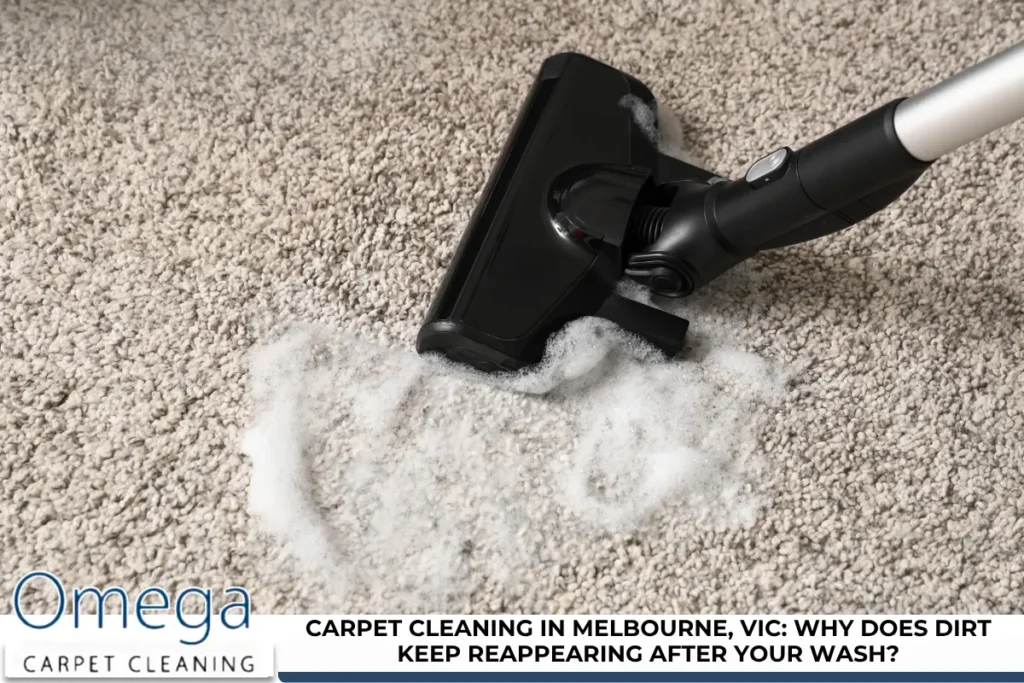
High-foaming supermarket products and general-purpose sprays are common culprits. If these are not rinsed out thoroughly with powerful extraction equipment, a film remains in the fibres. Regular foot traffic deposits fresh soil onto that film, and the area grows gradually larger. Soap residue from cleaners attracts more dirt over time, making the problem self-reinforcing.
Residue from cleaning products attracts dirt and causes stains in a cycle that many homeowners do not recognise. Each new application of a product to the same area can widen the problem zone rather than fix it.
Professional carpet cleaning services in Melbourne generally address this by using controlled detergent concentrations, acid rinses to neutralise alkaline residue, and hot water extraction to flush the fibres clean. This removes the sticky film and breaks the cycle of re-soiling.
Moisture, Slow Drying and Melbourne’s Climate: Hidden Drivers of Spreading Stains
Melbourne’s weather plays a direct role in how carpet stains behave. During autumn and winter, indoor humidity often exceeds 60 percent. Closed windows, limited ventilation and central heating create conditions where carpets dry very slowly after any wetting event.
High humidity can slow drying times for spills, prolonging the stain migration process. The longer a carpet stays damp, the more time wicking has to draw contaminants from the backing up to the surface. In apartments, townhouses and office buildings with poor airflow, a carpet may remain wet for 24 to 72 hours after a spill or DIY treatment.
Overwetting carpets can lead to browning and mildew, particularly in wool or jute-backed carpets. The tannins in natural fibres oxidise when exposed to prolonged moisture, leaving tan or brown halos that appear after the carpet dries. Mould growth is a genuine risk in damp rooms with poor ventilation.
Practical steps to speed drying and limit spread:
- Run ceiling fans or portable air movers after any wetting
- Open windows when weather permits
- Use a dehumidifier in enclosed rooms
- Avoid walking on damp carpet, especially in shoes
- Keep furniture off wet areas until fully dry
When Stains Spread Because the Carpet Fibre or Dye Is Damaged
Sometimes what looks like a spreading stain is actually progressive fibre or dye damage rather than removable soil. Bleaching agents, acne medications containing benzoyl peroxide and harsh cleaning chemicals can strip the dye from carpet fibres, creating pale, orange or yellowish patches that seem to grow as surrounding areas darken with normal soiling.
These are not true carpet stains. They are areas where colour is missing, and no amount of scrubbing or professional cleaning can restore the original shade. Strong acids and alkalis can also weaken the texture of fibres, making them rough and more likely to hold onto dirt. The result is darker, coarser areas that expand over time as soil accumulates in the damaged material.
Realistic options for dealing with dye damage include:
- Patch repair by a carpet installer
- Professional re-dyeing, which works on some fibre types
- Full replacement if the damage covers a large or high-traffic area, such as a hallway or room entrance
If you notice colour loss rather than a removable mark, avoid applying more product. Further chemical exposure is likely to make things worse.
Simple Steps to Stop a Fresh Spill Spreading Before the Professionals Arrive
The extent of stain spreading can increase if the original spill is not quickly contained. Here is a straightforward action plan for dealing with sudden spills before you can book professional carpet cleaning.
- Act immediately. Remove any solids gently with a spoon or blunt edge. Place thick white paper towels or a clean cloth over the spill and apply steady pressure to absorb liquid. Blotting is preferred over rubbing to avoid spreading stains.
- Work from the outside edge toward the centre. This contains the spill and prevents the expanding rings that make marks look larger on the carpet surface.
- Use minimal cool water only if necessary. Using too much water can carry stains deeper into carpets and trigger wicking later. Test any treatment in an inconspicuous area first. If colour transfers to your towel, stop and call a professional.
- Avoid mixing household chemicals. Do not combine bleach, vinegar and multi-surface sprays on carpet. Arrange a professional visit promptly for larger, coloured or greasy spills.
How Professional Carpet Cleaning in Melbourne Prevents Stains from Spreading Again
Trained technicians begin every job with an assessment of the carpet fibre type, backing condition, age and stain history. This inspection determines whether hot water extraction, low-moisture methods or targeted spot treatments will deliver the best result without risking further damage.
Pre-treatment steps typically include identifying pet stains with UV detection tools, applying appropriate spotting agents with controlled dwell times, and gentle agitation to loosen soil from the pile. Professional cleaning can remove deep stains effectively because commercial carpet cleaning equipment delivers far greater suction than consumer-grade machines, extracting more moisture and residue from every pass.
Faster moisture removal means the carpet dries quicker, which directly reduces the chance of wicking and recurring marks. Professional cleaning can remove pet urine stains effectively when enzyme-based pre-treatments are used to break down uric acid crystals before extraction.
Optional protective treatments, such as stain guards, can be applied after cleaning. These products coat individual fibres, making it harder for future spills to penetrate deep into the pile. For homes with pets, children or high foot traffic, this added layer of defence can extend the time between professional services and keep carpets looking cleaner for longer.
Upholstery, rugs and tiles in the same room may also benefit from attention during a professional visit, as soil and odour can transfer between surfaces, especially near furniture and grout lines.
Carpet Cleaning in Melbourne, VIC – Omega Carpet Cleaning
We are Omega Carpet Cleaning, and we specialise in treating spreading and recurring carpet stains across Melbourne, Victoria and surrounding suburbs. Our team handles everything from pet urine and red wine to heavy-traffic soiling and old detergent buildup, using professional equipment designed for local carpet types and Melbourne’s climate conditions. We focus on deep extraction, faster drying and long-lasting results so your carpets stay clean well after we leave. Whether you need help in your home, rental property or office, we are ready to deliver a thorough, honest service. Call us on 0406 996 819 or fill out our contact form for an obligation-free quote. We look forward to helping you protect your carpets and keep every room looking its best.
Frequently Asked Questions
How soon should I call a professional after a major spill on my carpet?
For large or deeply coloured spills such as red wine, pet urine or mud tracked through a hallway, booking a professional within 24 to 48 hours gives you the best chance of full removal. The longer a spill sits in the backing and underlay, the more it bonds with fibres, spreads laterally and becomes resistant to treatment. Blot and contain the area as described above, then arrange a visit before the carpet has gone through a full drying cycle. For smaller, lighter spills, a careful DIY blot may hold you over until your next scheduled clean, but if you see any sign of colour change or spreading, bring in help sooner rather than later.
Can a carpet cleaner fix stains that another company left behind?
In many cases, yes. A skilled technician will first assess whether previous treatments left detergent residue, caused dye damage or simply failed to reach the full depth of the contamination. Residue from earlier attempts can often be flushed out with acid rinses and proper extraction. However, if the previous treatment caused bleaching or permanent dye loss, no cleaning method will restore the original colour. In those situations, options include spot dyeing, patching or accepting the mark. Honest assessment upfront is important, and a reputable company will tell you what is achievable before starting work rather than making promises they cannot keep.
Are there safer spot cleaners I can keep at home for emergencies?
A pH-neutral carpet spotter designed for residential use is the safest option to keep on hand. Look for products that carry certification safe for wool and synthetic fibres, and always patch test on a hidden area first. Keep a supply of plain white cloths or paper towels for blotting, as coloured or printed towels risk transferring dye onto wet carpet. Plain cold water applied sparingly with a spray bottle is often enough for fresh spills. Avoid general-purpose bathroom or kitchen cleaners, as their formulations can strip carpet dye, leave residue or react unpredictably with fibre treatments already on your carpet.
Will frequent professional carpet cleaning wear out my carpet faster?
When performed correctly, regular professional cleaning actually extends carpet life. Most manufacturers recommend hot water extraction every 12 to 18 months for residential carpets, and more frequently for high-traffic areas or homes with pets. Proper methods use controlled water pressure, appropriate temperatures and thorough extraction that removes soil trapped deep in the pile. It is accumulated grit and dirt that damages fibres over time by acting like sandpaper underfoot, not the cleaning process itself. Avoid excessively high pressure or heat on delicate wool carpets, and always choose a technician who assesses fibre type before selecting equipment settings.
What should landlords and tenants in Melbourne include in routine carpet care?
Routine care starts with entry mats at every door to reduce mud and soil tracked onto carpets. Vacuum at least twice a week in living areas and hallways, using a machine with adequate suction and a clean filter. Treat spills immediately by blotting rather than scrubbing. Many lease agreements in Victoria require tenants to have carpets professionally cleaned at the end of a tenancy, so keeping receipts from periodic professional services throughout the lease can help avoid disputes at bond return. Landlords should specify carpet care expectations in writing and consider scheduling at least one mid-lease professional clean for long tenancies to protect the asset.
Disclaimer
This article provides general carpet care information and is not a substitute for site-specific professional assessment. Always follow manufacturer guidelines and consult a qualified carpet cleaning technician for significant, unusual or recurring stains.
Read Why Stains Reappear After Carpet Cleaning in Your Melbourne, VIC Home