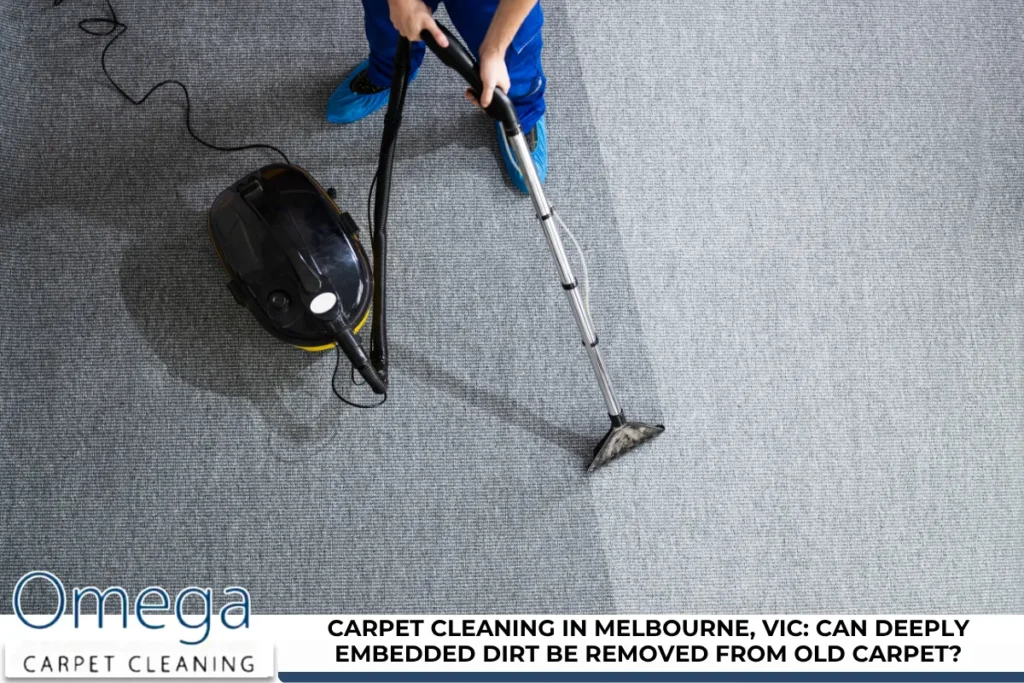

Carpet cleaning is supposed to make your floors look better, not worse. Yet many Melbourne homeowners have experienced that unsettling moment: the technician packs up, the room smells fresh, and then you spot it. A lighter patch sitting right there in the hallway or next to the couch. Panic sets in. Did the cleaner bleach your carpet? Did they use the wrong chemicals? The worry is understandable, especially when you are staring at something that was not visible before. In the vast majority of cases, though, the cleaning has exposed pre-existing damage, fading, or stubborn carpet stains rather than caused new harm. This article covers exactly why that happens, what the common causes are, what Melbourne-specific conditions play a role, and how you can avoid patchy results on your next clean.
Key Takeaways
- Lighter patches after carpet cleaning usually reveal pre-existing wear, UV fading, or chemical damage that was hidden beneath layers of dirt and soil, not new harm caused by the cleaning itself.
- Wicking, where dissolved stains travel upward from the backing as the carpet dries, is a common reason for uneven colour and reappearing spots.
- Sticky detergent residue from previous DIY cleaning attempts and pet urine are frequent contributors to patchy results across Melbourne homes.
- When light patches are caused by true dye loss or bleach damage, stain removal alone cannot fix them. Colour repair, patching, or replacement may be the only realistic options.
- A qualified professional carpet cleaner using proper extraction equipment and pH-appropriate solutions typically prevents patchiness and over-wetting issues.
What Actually Causes Lighter Patches After Carpet Cleaning?
Light patches are almost always revealed by cleaning, not created by it. That distinction matters because it changes how you respond.
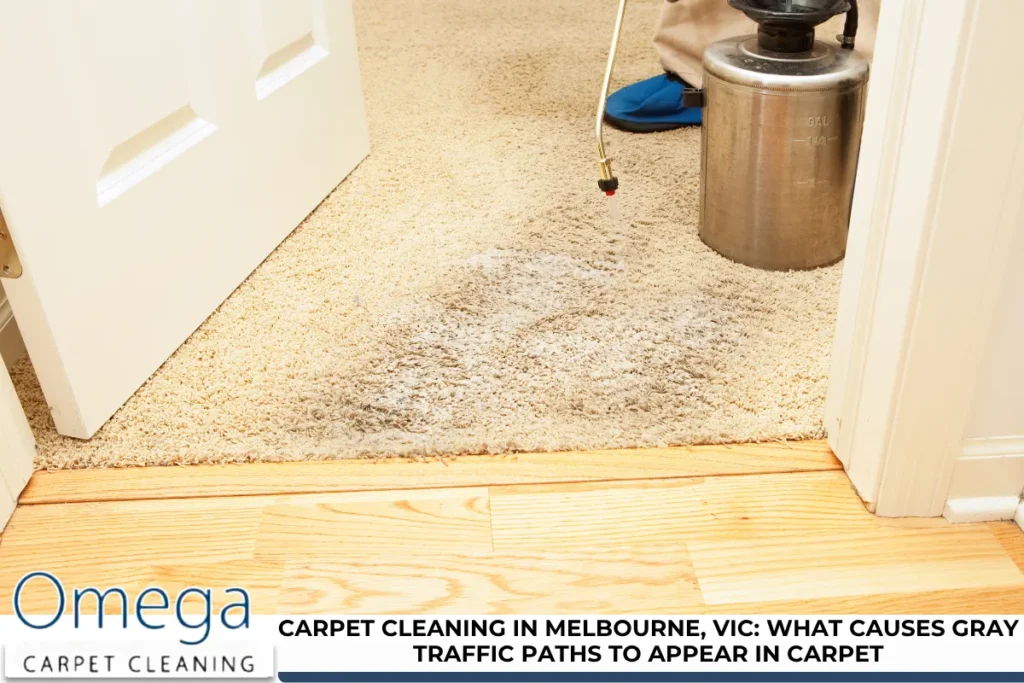
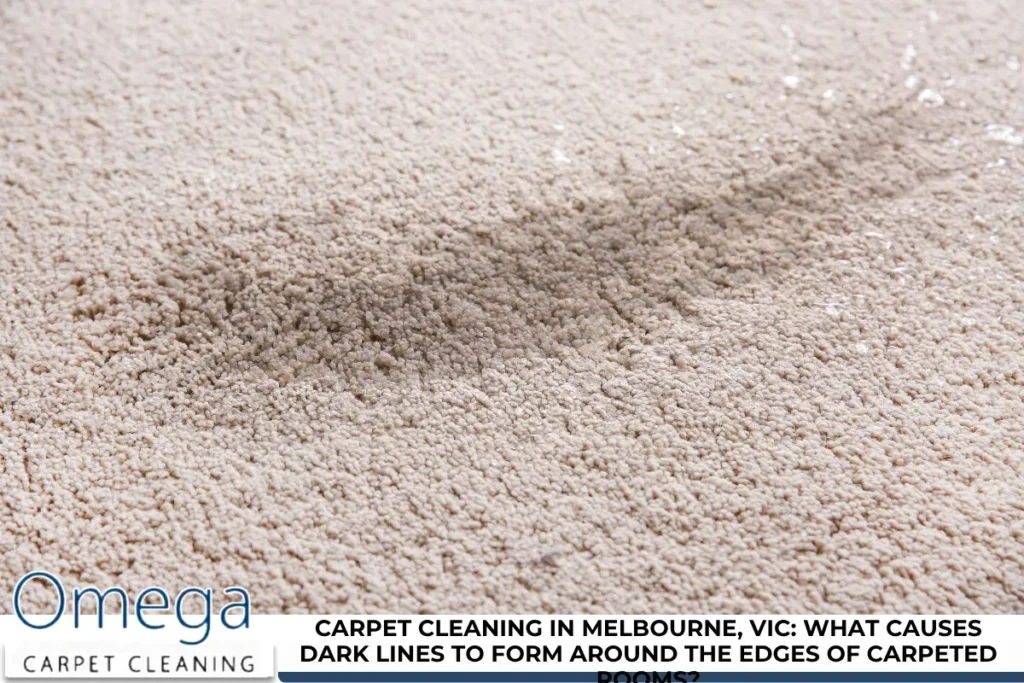
The simplest explanation is the contrast effect. Over months and years, dirt, sand, mud, and general grime darken carpet fibres unevenly. High-traffic zones accumulate more soil than corners tucked behind furniture. When a professional clean strips that soil away uniformly, sections that were already faded, worn, or chemically altered suddenly stand out against areas that retained their original colour. Lighter patches after carpet cleaning usually indicate a colour issue rather than simply one area being cleaner than the rest.
Existing sun damage can become more visible after cleaning due to removed dirt. In Melbourne homes with large north-facing windows, balcony doors, or skylights, UV light quietly degrades dyes over years. You may never notice until a thorough rinse lifts the dark film of soil that was masking the fade. Strong DIY stain removal products can also strip dye from fibres, creating permanent light spots that only become obvious once a professional carpet cleaning session removes surrounding grime. Heavy foot traffic lanes in hallways, on stairs, and in front of couches create wear patterns where fibres are physically crushed and reflect light differently. Once soil is gone, those zones can look flatter and lighter.
Soil Lines, Traffic Lanes and Hidden Wear in Melbourne Homes
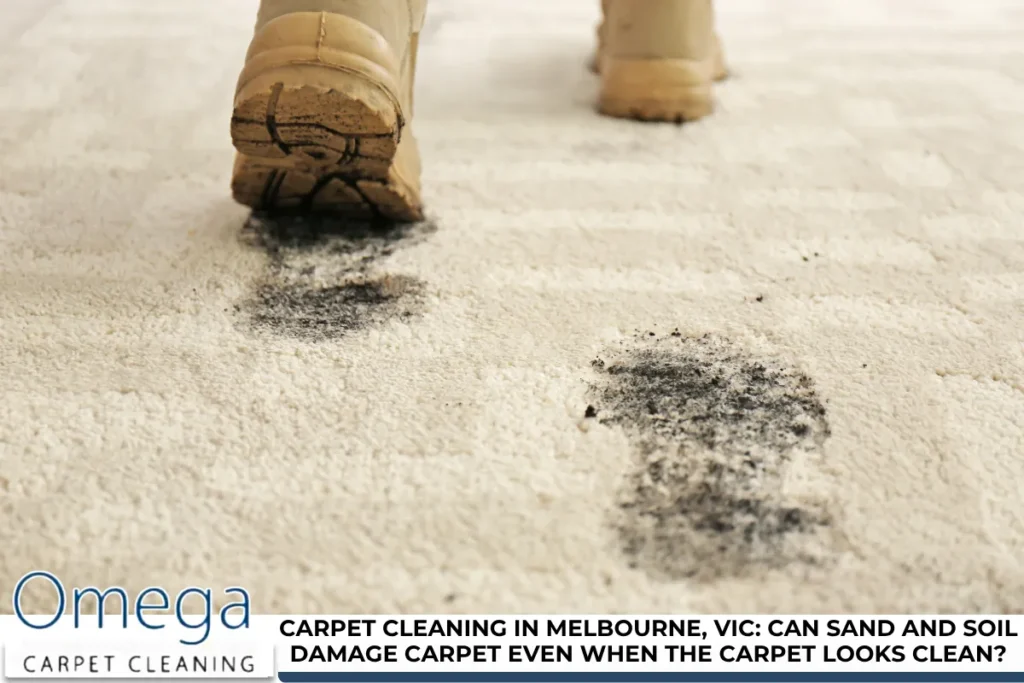
Traffic lanes are the predictable paths people walk every day. In a typical Melbourne floorplan, that means the stretch from the front door to the kitchen, the hallway to bedrooms, and the area directly in front of the sofa. Soil lines form along skirting boards, around furniture legs, and at doorway thresholds where grit is ground in by shoes.
When the best carpet cleaning methods remove that compacted soil, the result can be surprising. You might see lighter underlay marks or visible wear that was hidden for years. Residual soap from previous cleans attracts dirt and can create dull patches that look uneven once fresh soil is lifted. Rental properties and older units across suburbs like St Kilda often have particularly uneven wear because tenants covered sections with rugs or furniture for extended periods, leaving those areas protected while the rest aged.
Consistent, periodic professional carpet cleaning reduces heavy soil contrast and slows fibre damage over time. Regular cleaning can help reduce the soil load that may dull carpet colours, keeping the overall surface more uniform between appointments.
When Light Patches Are Actually Bleach or Chemical Damage
There is an important difference between true bleaching and simple soil removal. A stain is soil sitting on or around fibres. Bleach damage is a permanent colour change within the fibre itself, where dye molecules have been destroyed or altered.
Typical household products that permanently lighten carpets include:
- Bathroom cleaners containing chlorine
- Toilet bleach splashed or dripped onto floors
- Acne creams with benzoyl peroxide
- Hair dye removers and some nail polish removers
- High-strength oven or grout cleaners accidentally tracked through a room
Harsh chemical bleaching can remove colour from carpet dyes during cleaning or from accidental contact. Once that dye is stripped from the fibres, no amount of steam cleaning or scrubbing will bring the original colour back. Only colour repair, spot dyeing, or patch replacement may help. Harsh cleaners can strip carpet colour over time, even from small repeated exposures.
Many Melbourne homeowners only notice a past spill from years ago when a professional clean removes the dark film of soil sitting on top. That old bleach mark was always there, just hidden. Never scrub with chlorine-based products or undiluted chemicals on your carpets. Blot the spill, rinse with cool water, and call a professional carpet cleaner for anything serious before permanent damage sets in.
How DIY Spot Cleaning and Supermarket Products Create Patchiness
Picture this: red wine hits the carpet on a Friday night. You grab the nearest bottle from under the sink, spray generously, and scrub hard. The spot fades. Months later, a carpet washer or professional service comes through, and there it is: a pale ring right where the wine was, surrounded by a darker halo.
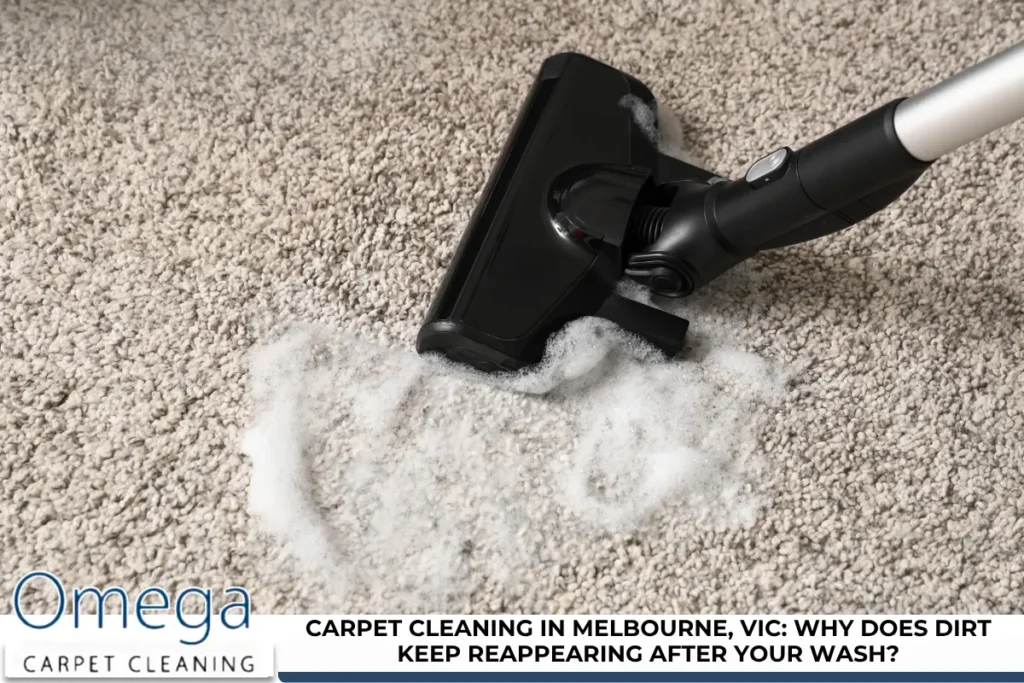
DIY cleaning often leaves sticky detergent residue behind. That residue acts like a magnet, attracting dirt back into the fibres and forming dark circles around earlier spill zones. Soap residue from cleaners can attract more dirt, creating a cycle of re-soiling that makes cleaned areas look patchy. Aggressive scrubbing can alter the way carpet fibres reflect light, roughening the tips so they appear lighter or fuzzy compared to surrounding pile.
Many products available at supermarkets contain optical brighteners that can cause carpets to appear faded until properly rinsed out. High-pH or solvent-based spotters can destabilise certain carpet dyes, leading to uneven colour once thorough rinsing is finally done. DIY cleaners can leave sticky residues on carpets that contribute to long-term discolouration. Proper rinsing is essential to avoid sticky residue that leads to further problems.
Here are a few tips for handling spills at home:
- Blot only. Never scrub.
- Use a small amount of a neutral, carpet-safe product.
- Always do a spot test in a hidden area first. Testing spot cleaners in a hidden area prevents potential dye damage to carpets.
- Avoid saturating the backing or underlay.
- Keep clean white towels on hand for blotting.
Read Can DIY Stain Removers Cause Bleaching Before Professional Carpet Cleaning in Melbourne, VIC?
Wicking and Reappearing Spots: When Stains Travel Up from Below
Wicking is one of the most misunderstood causes of post-cleaning patchiness. It happens when moisture carrying dissolved stains, salts, or residues travels from the carpet backing or underlay up to the surface as the carpet dries. Wicking causes stains to reappear as the moisture evaporates, sometimes within 24 to 72 hours after the job is done.
Old stains, deep spills, and pet urine can sit trapped in the backing for months or years. When wet cleaning introduces moisture, those materials dissolve and ride the moisture upward. You end up with lighter patches in some zones where surface soil was removed, and darker ghost stains where deep contaminants have risen. Stains may return if not fully removed during cleaning, particularly when budget carpet washing methods or DIY rental machines are used.
Over-wetting carpets increases the risk of moisture-related discolouration. Steam cleaning uses roughly 10 to 50 litres of water per room, depending on the equipment and method. DIY machines can leave carpets wet for up to 24 hours because they lack the suction power for proper extraction. Excessive water from DIY machines can cause residue buildup deep in the pile. Carpet cleaning can require two to four hours of drying time after steam cleaning with professional-grade equipment, which is considerably less. Certain dry-cleaning methods allow carpets to be walk-on dry in as little as one to two hours, reducing wicking risk further.
Professional carpet cleaning equipment, with its industrial-strength extraction, removes far more moisture and dissolved residue than any domestic machine. Multiple treatments or targeted deep extraction may be needed for stubborn carpet stains that keep resurfacing in Melbourne properties.
Pet Urine, Old Stains and Uneven Colour After Cleaning
Pet urine is one of the most destructive liquids that can hit a carpet. It soaks through fibres, through the backing, and sometimes into the subfloor, spreading wider below the surface than the visible wet patch suggests. By the time the carpet dries, urine salts crystallise in the backing. Those salts can chemically alter carpet dyes, leaving permanent lightened rings or speckled areas once the area is fully cleaned.
Odour treatments and deodorising can rid the carpet of smell while still leaving visible discolouration where the fibre itself has been damaged. Pets that repeatedly use the same spot compound the problem. The bacteria and salts accumulate in layers that are extremely difficult to treat with surface-level cleaning alone.
Old stains from coffee, cordial, rust, or plant fertiliser may also leave permanent marks even after a professional clean removes all residue. The dye within the fibre has already been altered. Melbourne pet owners should act quickly on accidents, avoid using random household chemicals, and seek prompt professional stain removal for the best chance of saving the carpet’s appearance.
Differences Between Fibre Types and How They React to Cleaning
Not all carpets respond the same way to traffic, stains, or cleaning solutions. Wool, nylon, polypropylene, and blended fibres each have different vulnerabilities.
- Wool carpets, common in older Melbourne homes, hide soil well but are more vulnerable to high-alkaline cleaners and aggressive scrubbing. Professional methods should avoid using overly alkaline cleaners that damage dyes, particularly on wool where the safe pH ceiling sits around 8.5. Wool fibres can yellow or burn under harsh treatment.
- Nylon fibres may show noticeable traffic lanes where pile has been physically crushed, creating lighter or shinier paths after a deep clean. Nylon holds acid dyes well, but improper pH can still break the dye lock.
- Solution-dyed synthetic carpets are more resistant to bleach and chemical fading, but can still suffer from texture changes and residue-related patchiness. Polypropylene in particular is prone to pile crush that affects how light reflects off the surface.
- Cleaning technicians should test for colorfastness prior to using cleaning chemicals, regardless of fibre type. A professional clean should always include fibre identification and pH-appropriate products to minimise the risk of uneven results.
Dry cleaning methods can be effective for removing more stains than other approaches on certain fibre types, particularly where moisture sensitivity is a concern.
Why Professional Carpet Cleaning Reveals, Rather Than Causes, Light Patches
Think of a professional clean as a diagnostic moment. It shows the carpet’s true condition in a way that everyday living never does. Professional carpet cleaning can reveal pre-existing fading hidden under dirt, and professional cleaning reveals lighter areas that were hidden by dirt and soil buildup.
Heavy soil masks faded, scratched, or chemically altered fibres. A thorough rinse and extraction exposes what was already there. If the technician notices excessive foaming during the process, it often indicates prior DIY product residue that has been sitting in the carpet for months or years. Professional cleaning removes those residues and helps prevent further bleaching or discolouration.
Professional cleaning removes 99% of bacteria and contaminants from carpets, leaving a genuinely hygienic surface rather than just a visually clean one. Professional cleaners use industrial-strength equipment for better moisture extraction, which means less risk of over-wetting and less chance of wicking.
Reputable technicians in Melbourne aim to restore the most even appearance the fibres allow, without over-scrubbing or saturating the backing. They set expectations in advance when they see pre-existing bleach spots, UV fading, or serious pet urine contamination, so there are no surprises when the carpet dries.
How to Reduce the Risk of Patchy Results on Your Next Clean
Prevention and maintenance will always deliver better results than crisis cleaning. Here is how to maintain your carpets between appointments and reduce the chances of uneven colour after your next service.
- Schedule professional carpet cleaning in Melbourne homes every 6 to 12 months, depending on traffic and pets. Regular maintenance prevents buildup of dirt and residues that create contrast issues.
- Avoid using multiple random spot cleaners. Keep a simple, neutral, carpet-safe product and clean white towels on hand. Sticky detergent residue attracts more dirt over time, so less product is almost always better.
- Use mats at entryways to trap sand, mud, and grit before they reach the carpet. Vacuum regularly with a quality vacuum that has good suction and a rotating brush bar.
- Blot spills immediately. Never let a mess sit. The faster you treat a fresh spill, the less likely it becomes a stubborn stain.
- Using UV-blocking window treatments can help prevent sun fading on carpets, especially near large windows and glass doors.
- Drying carpets using airflow can prevent browning and other moisture-related issues. Sufficient ventilation speeds up carpet drying times after cleaning, so open windows and turn on ceiling fans when safe to do so.
- Tell your cleaner about any known bleach incidents, pet accidents, or previous DIY cleaning attempts before they start. This lets them tailor their approach and manage expectations.
Repair, Recolour or Replace? What to Do When Light Patches Will Not Disappear
Some light patches are permanent. The fibre or dye has been chemically altered or physically worn away, and no further cleaning will change that. Accepting this early saves time and money.
Options for localised repair include:
- Section replacement or patching from spare offcuts, if available
- Moving carpet from a less visible area such as a cupboard into the damaged zone
- Specialised colour repair or spot dyeing by a trained technician, though exact colour matching is not guaranteed
Full replacement makes financial sense when fading and wear are widespread, particularly in older Melbourne properties where the carpet has exceeded its useful life. Fibre collapse and pile crush cannot be reversed by any cleaning method.
Before making big decisions, seek a professional inspection. Some marks that appear permanent may still respond to specialised stain removal techniques, and an experienced eye can distinguish between surface residue and true dye loss, potentially saving you the cost of unnecessary replacement. An excellent job by a skilled technician can sometimes do a fantastic job of reducing the visual contrast, even if the underlying damage remains.
Carpet Cleaning in Melbourne, VIC – Omega Carpet Cleaning
At Omega Carpet Cleaning, we understand the concern that comes with noticing lighter patches on your carpets after a clean. That is why we always inspect your carpets thoroughly before we begin any work. Our experienced Melbourne team uses modern hot water extraction equipment and carefully selected, pH-appropriate solutions to minimise the risk of over-wetting and patchiness. We handle pet urine, old stains, and stubborn traffic lanes with targeted treatments designed for long-lasting, even results across Melbourne homes. Whether you need upholstery cleaning, rug care, or a full carpet service, we are here to help. We also service surrounding areas throughout Victoria. Call us on 0406 996 819 or fill out our online contact form to book an inspection. We would love to help your carpets look their best.
Frequently Asked Questions
Can lighter patches after cleaning get darker again over time?
True bleach damage will not re-darken because the dye is permanently gone from the fibre. However, mildly abraded or slightly faded areas can appear less obvious as everyday soil gradually builds up again over the following weeks and months. This is not a solution, though. Re-soiling just makes the entire carpet dirtier and can shorten its overall lifespan. Additional professional cleaning with careful grooming can sometimes reduce the visual contrast by evening out the texture across the pile, but it cannot change the underlying colour. Keep realistic expectations: if carpet fibres are permanently damaged, cleaning can optimise the appearance but never completely hide the patch. Routine care will slow further deterioration.
How can I tell if a light patch is bleach damage or just extra clean?
Compare the light area to carpet hidden inside a built-in wardrobe or under a heavy piece of furniture. If those hidden sections match the light patch, the rest of the carpet is simply more soiled. If the hidden carpet is noticeably darker and richer in colour, the light patch likely has genuine dye loss. Check the edges of the patch as well. Sharp, irregular outlines often indicate a chemical spill or bleach contact, while soft, gradual transitions tend to suggest normal shading or UV fading. Under good daylight, look closely at individual fibres. If they appear white, translucent, or stripped of colour, dye has almost certainly been removed. When in doubt, ask an experienced cleaner to assess the area before you commit to any repair.
Is it safe to walk on carpets while they are still damp without causing patchiness?
Light foot traffic with clean bare feet or clean socks is generally safe once the technician confirms the carpet is only slightly damp, not saturated. Walking on very wet carpet with dirty footwear can track soil into the drying fibres and create new uneven marks. Avoid placing towels or plastic sheeting on damp carpet for extended periods, as this can slow drying and potentially cause slight shading differences where the covering sat. To speed up even drying and reduce any risk of visible footprints or lines, use ceiling fans, open windows where safe, and maximise airflow through the room. Most professionally cleaned carpets should be dry enough for normal use within a few hours.
Will using a carpet washer between professional visits make patches worse?
Occasional light use of a domestic carpet washer can help with small, fresh spills if you follow the manufacturer’s instructions carefully and avoid over-wetting. The main risks come from repeated passes, too much detergent, and poor extraction. DIY carpet machines often leave too much water behind, increasing the chance of wicking, sticky residue buildup, and patchy drying. Use minimal product, do extra clean-water rinse passes, and allow plenty of drying time with good airflow. Leave large or complex stains to a professional rather than attempting multiple treatments with a home machine. A washer is best used as a maintenance tool for minor accidents, not as a substitute for periodic deep restorative cleaning.
Can uneven sunlight exposure really make my freshly cleaned carpet look patchy?
Absolutely. UV light from large windows, glass doors, and skylights breaks down carpet dyes in exposed areas, lightening them gradually over years. The fading happens so slowly that it is often invisible under the layer of everyday soil that accumulates on top. When cleaning removes that dark soil uniformly, the sun-bleached zones stand out sharply against sections that were shielded by furniture, rugs, or curtains. Installing curtains, blinds, or UV-filtering film on windows can reduce future fading, but it will not reverse damage that has already occurred. If severe fading becomes a cosmetic concern in a prominent living area, discuss options with a flooring specialist who can advise on colour repair or selective replacement.
Disclaimer: This article provides general information relevant to Melbourne, VIC conditions and is not a substitute for onsite professional assessment or specific product, insurance, or legal advice.
Read Why Rubbing Stains Makes Professional Carpet Cleaning Harder in Melbourne, VIC