
Carpet cleaning is one of those tasks most Melbourne homeowners think they can handle the moment a glass of coffee tips onto the living room floor. The instinct is immediate: grab a cloth, press down hard and scrub back and forth until the colour fades. It feels productive, but aggressive scrubbing can make stains worse instead of better.
What most people do not realise is that rubbing pushes liquid contaminants sideways and down toward the underlay, spreading the stain, fraying fibres and trapping moisture that can breed odour and mould in Melbourne’s damp months. The damage often only becomes clear when a professional carpet cleaner arrives and discovers a problem far more complex than the original spill.
The good news is that gentle blotting, the right home remedies and timely professional cleaning in Melbourne can prevent permanent marks and significantly reduce restoration costs.
Key Takeaways
- Rubbing spills drives stains deeper into carpet fibres and spreads them sideways, turning a small accident into a larger area of damage.
- Harsh scrubbing can permanently distort pile, fray delicate fibres and strip factory-applied stain protection treatments.
- Melbourne’s humidity, urban grit and common wool-blend carpets make gentle blotting and fast action crucial to preventing permanent marks.
- DIY cleaning with the wrong products or technique can cause residue build-up that attracts more dirt and resists professional extraction.
- An early, careful response combined with timely professional carpet cleaning delivers the best long-term results and protects your investment.
What Really Happens Inside Carpet Fibres When You Rub a Stain
To understand the risk, it helps to know how carpets are built. Most domestic carpets consist of twisted yarn tufts (the pile), a backing layer and an underlay or padding beneath. When you press down and scrub, you are not just working on the surface – you are interacting with every one of those layers.
Here is what happens inside the pile when rubbing takes place:
- Friction pushes liquid contaminants deep into the carpet backing and even into the underlay, where household vacuums and basic carpet washers cannot reach. DIY methods may push stains deeper into carpet fibres than they would otherwise travel.
- Rubbing stains can push dirt deeper into carpet fibres while simultaneously spreading pigment sideways, expanding a small drip into a much wider patch.
- Rubbing distorts and frays carpet fibres, especially in cut-pile styles, creating fuzzy or matted patches that reflect light unevenly and alter the overall look of the room.
- A process called wicking means that dissolved soil and stain residue travel up and down the pile as moisture evaporates. This is why a stain can appear removed, only to resurface days later once the carpet dries.
- Factory-applied stain protectors – thin fluorochemical coatings designed to repel spills – can be stripped away by vigorous scrubbing, making future spills bond more strongly and making the carpet harder to keep clean.
- Over-wetting carpets during rubbing can lead to mould growth, particularly when moisture becomes trapped in the underlay. Carpets can trap allergens, dust and food particles, and excess dampness worsens indoor air quality by encouraging bacterial development.
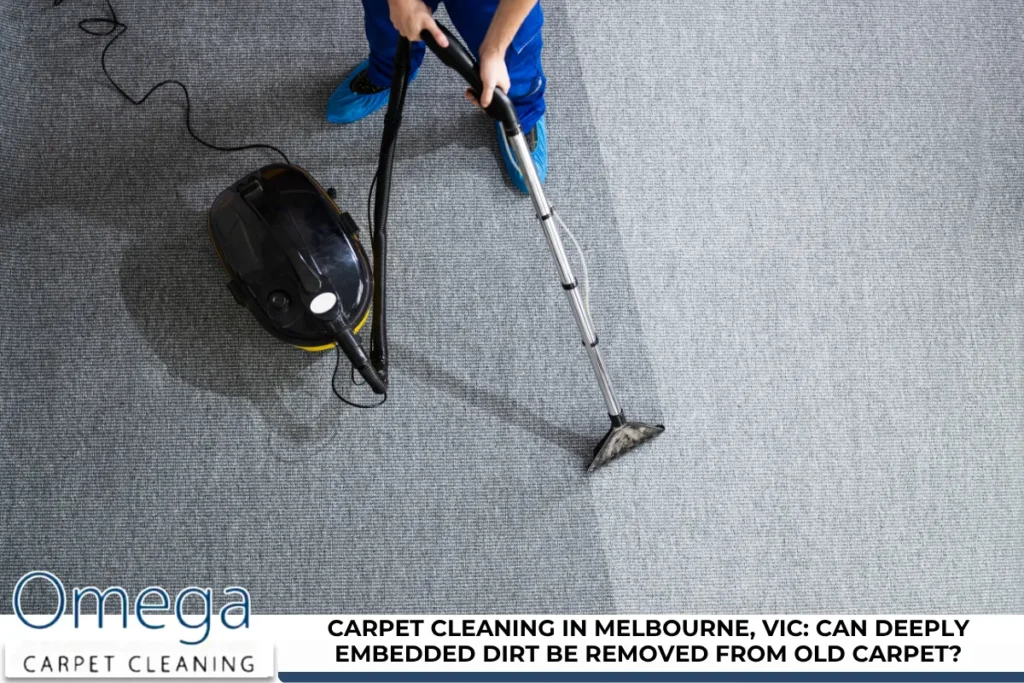
- Professional steam cleaning equipment is specifically designed to flush and extract contaminants rather than grind soil into the backing the way a household brush or scouring pad does.
Why Rubbing Stains Makes Professional Carpet Cleaning More Difficult
Rubbing a carpet stain creates mechanical and chemical complications for extraction that even advanced equipment cannot always undo. When professional cleaners arrive at a Melbourne home and find a stain that has been vigorously scrubbed, the job changes in several important ways.
First, rubbing can cause stains to spread across a larger area. What started as a ten-centimetre circle may now stretch thirty centimetres or more. Technicians must treat the entire affected zone – sometimes including the underlay – to avoid visible haloing or colour differences after drying. This means more product, more water and more time on site.
Second, aggressive rubbing can bind stains chemically to carpet fibres. Rubbing can set protein-based and dye-based stains into the fibre bonds, meaning that tannin-rich substances like tea, red wine or coffee may become partially or fully permanent once they have been scrubbed and left to dry. Improper cleaning can damage carpet fibres and reduce lifespan, and this kind of chemical setting is one of the hardest problems for any professional service to reverse.
Here is what else changes for the technician:
- DIY cleaning can cause residue build-up from incorrect products. Rubbing can cause residual soap to bond dirt to carpet fibres, creating a sticky film that resists normal rinsing and attracts embedded dirt within days of the clean.
- Permanent fibre distortion from hard brushes or scouring pads cannot be reversed by deep cleaning. The pile may appear dull, uneven or shaded differently from surrounding carpet, affecting the appearance of the entire room.
- Extra rinse cycles, repeat extractions and specialised spotters increase cost and drying time for the customer. What might have been a standard service becomes a multi-step restoration process.
- Many carpet manufacturers’ care guides specifically state to blot rather than rub. Ignoring these instructions can breach warranty terms, limiting claims for premature wear or staining and creating issues for homeowners during sale or lease negotiations.
Melbourne Conditions: How Local Factors Make Rubbing Even Riskier
Melbourne’s climate, housing styles and typical household soils amplify every risk described above. Here is why local conditions matter:
- High humidity and slow drying times can increase mould growth risk in carpets. Melbourne regularly experiences relative humidity between 60 and 80 percent during winter and late summer. Carpets that have been over-wetted through rubbing take significantly longer to dry – often 12 to 24 hours or more – and that extended moisture window invites mould and smell development.
- Urban dust, tram track residue, road pollution and garden soil common across Melbourne suburbs bring gritty particles indoors. When these are rubbed into carpet during stain treatment, they act like sandpaper, accelerating fibre wear and creating dirty, dull patches.
- In high traffic areas such as hallways, entries and living rooms, rubbing stains into already stressed fibres accelerates visible wear paths and makes the surface look far older than it is.
- Wool carpets can be permanently damaged by aggressive rubbing or scrubbing. Many Melbourne households use wool or wool-blend carpets for insulation and comfort, and wool is particularly vulnerable to felting, texture change and dye loss when scrubbed.
- Renters risk bond disputes if DIY stain rubbing leaves grey shading or permanent fibre damage that landlords detect during inspection. This is a common and costly problem in Melbourne’s rental market.
- Using too much water during frantic rubbing can damage carpet fibres and increase drying time, compounding every other risk in a humid Melbourne home.
These factors reinforce the importance of acting carefully and choosing to schedule professional cleaning before DIY attempts create irreversible problems.
Read What Causes Stains to Spread Before Professional Carpet Cleaning in Melbourne, VIC?
Common Home Remedies That Backfire When You Rub Them In
The internet is full of home remedies for carpet stains, but many of them cause more harm than good – especially when scrubbed in rather than gently applied. Homeowners should avoid using multiple cleaning products simultaneously, as layered chemicals can react unpredictably.
- Baking soda and vinegar paste is one of the most popular suggestions online. Vinegar is acidic and baking soda is alkaline; when mixed and rubbed into carpet, they can leave a gritty alkaline residue that lightens dyes, particularly on wool or coloured synthetics, and creates a crunchy texture that attracts future dirt.
- Dishwashing liquid produces thick foam that, when rubbed deep into pile, is extremely difficult to rinse out with household machines. The residue acts as a magnet for re-soiling, and carpets treated this way often look dirty again within weeks.
- Bleach or oxygen-based powders are strong oxidisers. Rubbing them into coloured or patterned carpets causes patchy colour loss and can weaken fibres structurally, leaving light spots that no amount of professional carpet washing will fix.
- Rubbing alcohol and nail polish remover are solvents that can dissolve backing adhesives and strip stain protection coatings. On wool blends, they may cause browning or irreversible fibre loss.
- Store bought cleaners and trigger sprays from the supermarket are often highly concentrated. When instructions are ignored and the product is ground in without full extraction, chemical reactions can set stains or damage pile beyond what even a professional carpet cleaner can address.
- Rubbing can cause residual soap to bond dirt to carpet fibres, turning a temporary stain into a permanent soil trap.
Small test patches and gentle blotting remain the safest approach for any DIY cleaning attempt. Professional carpet washing methods use balanced, fully rinseable solutions matched to the specific fibre type.
Blot, Don’t Scrub: Safe First Aid for Spills Before the Pros Arrive
Fresh stains are generally easier to treat than dried stains, so speed matters. Here is how to deal with a spill without making things worse for professional cleaners later:
- Act within minutes. Use a clean white towel or paper towel to blot from the outside of the spill inward. To treat spills effectively, homeowners should blot from the outside in to prevent spreading pigment into clean fibres.
- Gently lift semi-solid spills – food particles, mud, wax – with a spoon or dull knife rather than grinding them down into the pile.
- Apply small amounts of cool water and continue blotting. Avoid soaking the underlay; using too much liquid is one of the most common mistakes during DIY stain treatment.
- Know when to stop. If colour transfers heavily onto your cloth, or if the stain involves blood, pet urine, red wine or unknown chemicals, pause and call a reliable carpet cleaning service rather than experimenting further.
- Photograph the stain before and after your first-aid attempt. This gives professional cleaners a clear picture of previous attempts and helps them select compatible treatments.
- Place a dry towel over the area with a heavy book or weight on top to absorb remaining moisture until the carpet can be properly cleaned.
- Never use hard brushes, scouring pads or coloured cloths that may shed dye under pressure. These tools cause the fibre distortion and colour bleeding that make professional work harder and more expensive.
How Professional Steam Cleaning Deals With Rubbed-In Stains
When a technician encounters a stain that has already been scrubbed, the process changes significantly. Contacting a professional early for tough stains can preserve carpet integrity and avoid the escalation described below.
- Pre-inspection comes first. Professional cleaners check the fibre type, identify the stain category, assess pile distortion and test for DIY residues before selecting any cleaning method.
- Dry soil removal through thorough vacuuming precedes any wet treatment. Removing surface dirt and embedded dirt prevents grit from being driven further in during extraction.
- Targeted pre-treatments – enzyme-based, solvent-based or tannin-specific – are applied with controlled dwell times. This is the opposite of rubbing a general-purpose spray into the pile.
- Hot water extraction, often called carpet steam cleaning, uses controlled pressure and powerful suction. Steam cleaning penetrates deep into carpet fibres for thorough sanitation, and professional cleaning removes 99 percent of bacteria from carpets. Professional cleaners use high-powered extraction systems for quick drying, reducing the mould risk that comes with slow evaporation.
- In severe wicking cases, technicians may need to clean, allow the carpet to dry completely, then re-treat stubborn stains that resurface from the backing. This multi-pass process is a direct consequence of earlier rubbing.
- Even with the best equipment, permanent damage such as fibre distortion, colour loss or backing delamination usually cannot be reversed. This is the strongest argument for careful handling from the moment a spill happens.
Reducing Future Damage: Smarter Carpet Care Habits for Melbourne Homes
Prevention is always less expensive than restoration. These habits help Melbourne homeowners and renters protect their carpets between professional visits and maintain cleanliness year-round.
- Place door mats at every external entry and encourage family members to remove shoes before walking on carpet. This reduces the gritty soil that scratches fibres and collects in pile over time, where it can collect dust and allergens.
- Vacuum high traffic areas at least three to four times a week with a quality vacuum suited to your carpet type. Regular maintenance keeps surface dirt from grinding deeper under heavy foot traffic.
- Schedule professional cleaning every six to twelve months, or more frequently in homes with kids or pets. Professional cleaning can extend carpet lifespan significantly and prevents allergens from accumulating in carpets. Carpets trap dust, pollen, and allergens, affecting air quality, so proper maintenance directly supports better indoor air quality.
- Keep a simple spot-cleaning log so household members know what products have been used on previous spills. This prevents layering conflicting chemicals and gives professional carpet cleaners useful information when they arrive.
- Rearrange furniture occasionally to prevent permanent pile crushing and to expose hidden spills before they set. Moving rugs and upholstery pieces also helps air circulate around the carpet surface.
- Address pet accidents and spills promptly with gentle blotting rather than rubbing. The habits you build between professional visits determine whether each appointment delivers a fresh, deep-cleaned result or a damage-control exercise.
Carpet Cleaning in Melbourne, VIC – Omega Carpet Cleaning
We know exactly how rubbed-in stains behave in real Melbourne conditions – the humidity, the wool-blend carpets, the gritty urban soil – and we tailor our cleaning methods to deal with all of it. At Omega Carpet Cleaning, our team uses professional-grade hot water extraction, safe cleaning products and high-powered extraction equipment designed for faster drying time and best results on every job.
We service Melbourne, Victoria and the surrounding areas, handling everything from high traffic areas and stubborn pet stains to old DIY attempts that have gone wrong. Whether you need a routine carpet cleaning appointment or urgent stain treatment, we are ready to help.
Call us on 0406 996 819 or fill out our contact form today. Let our professional team protect your carpets before more rubbing causes more damage.
Frequently Asked Questions
Does Rubbing Always Make a Carpet Stain Permanent?
Rubbing increases the risk of permanence, but it does not guarantee it. The outcome depends on the fibre type, the substance spilled and how quickly a professional is called. A light coffee drip on synthetic carpet that was briefly rubbed may still respond well to extraction. However, dye-based or tannin-rich stains on wool that have been scrubbed and left to dry may only be lightened rather than fully removed. If you notice fibre distortion or colour change during your DIY attempt, stop immediately and seek expert help. The sooner a professional assesses the damage, the better the chance of a satisfactory result.
Can Rubbing a Stain Void My Carpet’s Manufacturer Warranty?
Many manufacturer care guides for carpets sold in Melbourne specify blotting only and require the use of approved cleaning products and methods. Aggressive scrubbing with unapproved chemicals or abrasive tools can breach these warranty terms, limiting your ability to claim for premature wear or staining defects. Under Australian Consumer Law, guarantees may also be affected if damage results from misuse that contradicts documented care instructions. Before attempting any strong stain treatment at home, check your warranty booklet or the retailer’s website for specific guidance on what is and is not permitted.
What Should I Do if Someone Has Already Rubbed a Stain Before I Noticed?
Stay calm and avoid making the situation worse. Stop any further rubbing immediately and lightly blot any remaining moisture with a clean white cloth. Do not add more random products on top of whatever has already been used. Take note of what was spilled and which products were applied so that professional carpet cleaners can select compatible treatments and avoid chemical reactions. Book a professional visit as soon as practical, especially if the stain is in a visible area or has developed a strong smell. The longer a rubbed stain sits, the more difficult and costly it becomes to treat.
Are There Any Brushes or Tools That Are Safe for Spot Cleaning Carpets?
Most household stiff brushes are too aggressive for modern carpets, particularly wool and cut-pile styles. A soft white microfibre cloth is the safest tool for home use. Rather than scrubbing, use a gentle tamping motion – pressing the cloth straight down and lifting – to absorb the spill without spreading it. Some professional cleaners use specialised grooming tools and carpet spotting pads, but these are applied with training, controlled technique and knowledge of the specific fibre type. If you are unsure, a plain white paper towel and cool water used with patience will almost always produce a safer outcome than any brush.
How Often Should I Book Professional Cleaning if My Family Has Frequent Spills?
Busy Melbourne households with children, pets or regular entertaining should consider professional cleaning every six months. Carpets should be professionally cleaned every three to six months with pets in the home, as animal hair, dander and accidents accelerate soil build-up and allergen accumulation. Frequent light maintenance cleans are far more effective than waiting until the carpet looks visibly stained or worn. Between professional visits, prompt treatment of individual spills using blotting rather than rubbing will keep each appointment more effective and less costly, helping maintain a fresh appearance and extending the life of your carpet.
Disclaimer: This article provides general information only and does not replace manufacturer-specific care instructions. For significant, unusual or persistent carpet stains, seek advice from a qualified professional cleaning technician familiar with your carpet type.
Read Can an Old Stain Become Permanent Without Professional Carpet Cleaning in Melbourne, VIC?