

Why Carpet Cleaning Reveals Brighter Patches Under Furniture

Carpet cleaning often starts with a surprise. You slide the couch across the lounge room, and the carpet underneath looks like it belongs to a completely different house. Meanwhile, the walkway between your front door and kitchen has turned a dull, greyish shade you barely noticed happening. The contrast is jarring, especially in Melbourne homes where high UV exposure and busy households combine to accelerate surface wear. Those dingy traffic lanes, yellowed patches near windows and stubborn stains simply will not match the protected areas, no matter how many times you run the vacuum over them. The carpet hidden beneath your furniture was shielded from abrasion, sunlight and everyday spills. The rest of the article explains exactly why this happens and what you can do to bring the exposed areas back to life.
Key Takeaways
- Carpets under furniture often appear brighter due to less light exposure, minimal foot traffic and protection from spills and soil.
- Melbourne homes commonly develop grey traffic lanes in hallways and living rooms while carpet beneath lounges and beds retains a shade close to the original carpet colour.
- Most of this contrast is reversible with deep steam cleaning and fibre-safe treatments that flush out embedded grime.
- Uneven colour across a room is a reliable signal that it is time to book professional carpet cleaning rather than relying on store-bought products alone.
- This article breaks down the science behind the difference and provides practical prevention tips, cleaning method comparisons and guidance on when to call a professional in Melbourne, VIC.
How Daily Foot Traffic Changes Carpet Colour in Melbourne Homes
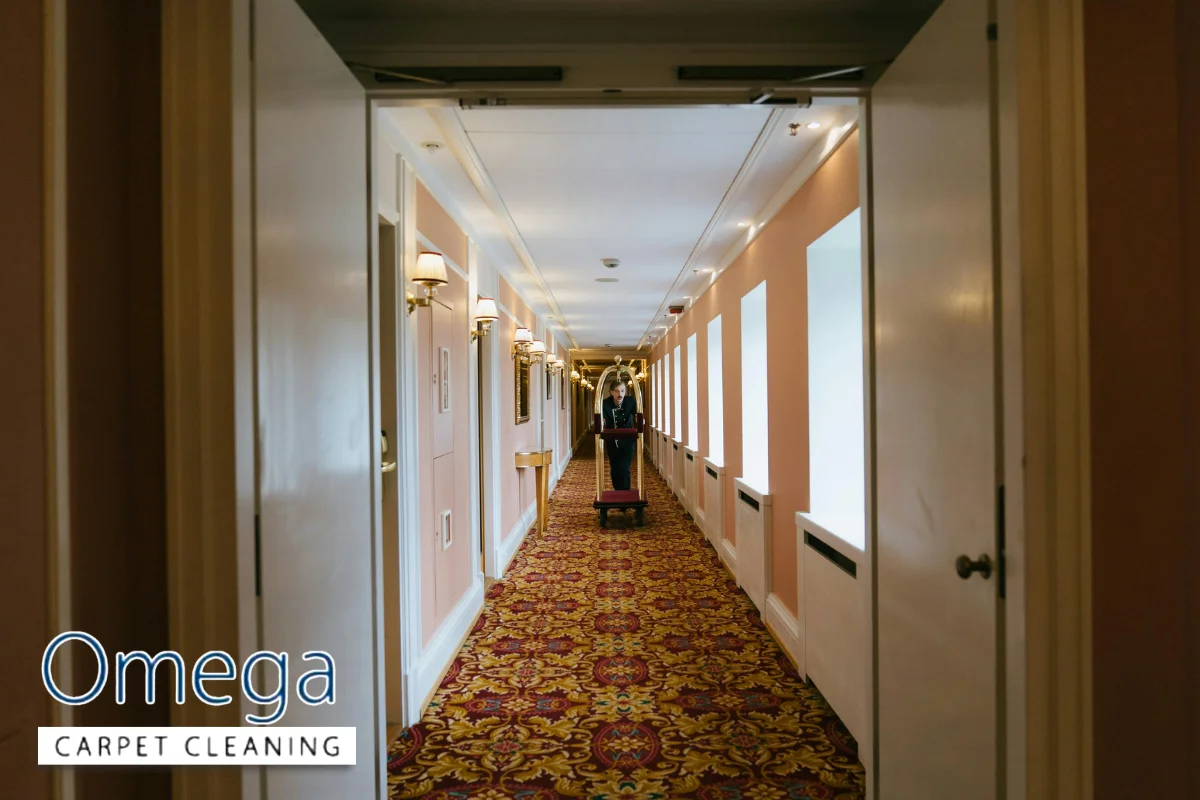
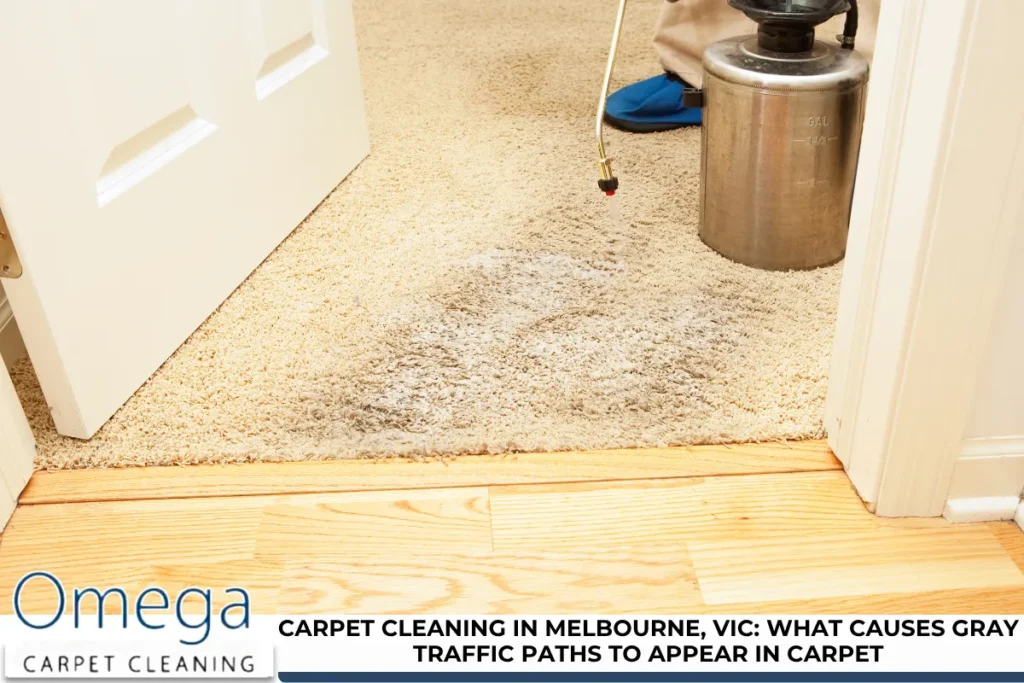
Traffic lanes are the darker, duller pathways that develop in high-use zones across a home. In Melbourne, VIC, the most common spots are hallways, entryways and the well-worn path between the couch and the kitchen. These lanes form because shoes grind grit, dust and tiny stones into the fibres with every step.
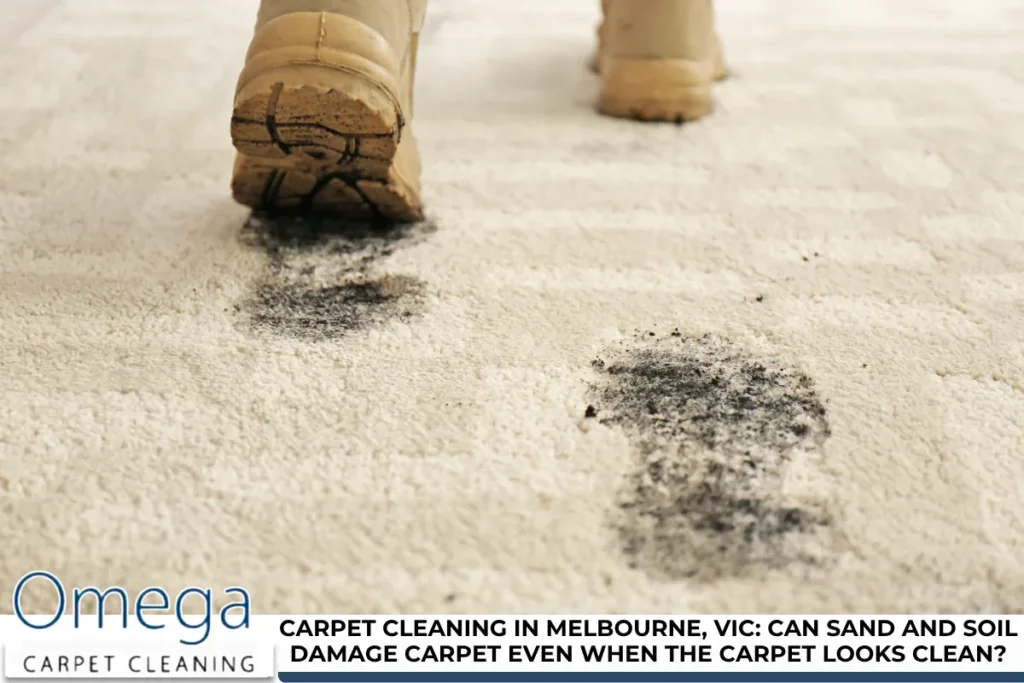
Exposed areas of carpet collect soil and dust due to foot traffic, and over time, accumulated debris can lead to discrepancies in carpet brightness. Research into carpet soiling suggests that roughly 85 percent of all dirt found in carpet fibres is tracked in from outside, with the remaining 15 percent settling from airborne dust.
Carpet under a dining table or sofa avoids this constant abrasion. The pile stays more upright, reflects light more evenly and appears noticeably brighter. Regular vacuuming helps remove surface particles, but it cannot fully extract compacted soil from deep in the pile, particularly in high traffic areas. That is why a carpet washer or home vacuum alone often falls short. Professional deep cleans use stronger suction and heated solutions to flush out what household equipment leaves behind.
Sunlight, UV Fading and Why Covered Carpet Keeps Its Original Shade

Melbourne’s UV levels can be intense, particularly through north- and west-facing windows during summer. Even on overcast days, ultraviolet rays cause fading in exposed carpet areas over time. This photodegradation is cumulative and largely irreversible.
Carpets under furniture often appear brighter due to less light exposure. A bed, sideboard or heavy lounge acts as a shield, blocking both direct sunlight and reflected light from reaching the fibres underneath. The result is carpet that retains its original colour years after installation.
How fibres respond depends on their composition. Wool carpets are prone to photoyellowing, where the fibre itself turns a yellowish tone under sustained light. Synthetic fibres such as nylon and polyester include UV-stabiliser additives, but they still degrade with prolonged exposure. Dye fastness is measured on the Blue Wool Scale from 1 (fades rapidly) to 8 (highly resistant). Many residential carpets sit between 2 and 5 on this scale, meaning noticeable fading can occur within months in strong light.
UV protection can help prevent further fading of carpets. Sheer curtains, external blinds and UV-filtering window film are practical measures for rooms with large windows and sliding doors. Remember that light exposure and traffic can cause permanent color changes in carpets, so prevention works far better than trying to reverse the damage after the fact.
Soil, Spills and Everyday Life: Why Exposed Carpet Gets Dull Faster

Everyday debris in Melbourne homes settles mainly on open carpet. Garden soil from shoes, food crumbs from the kitchen, coffee drips and dust from open windows all land on the same exposed surfaces day after day.
Dry soil acts like fine sandpaper. Each footstep pushes abrasive particles deeper into the fibre, scratching the surface and creating a permanently dull texture compared with protected sections. The appearance difference in carpets can result from dirt accumulation alone, even before any dye fading occurs.
Spills make things worse. A coffee ring left from incomplete stain removal or a wine mark scrubbed too hard leaves dark residues and damaged dye. Indoor cooking oils and airborne pollutants settle on open carpet areas too, creating a sticky film that attracts even more dust. Over time, these layers build up to produce a noticeable contrast with the fresh carpet hidden beneath nearby furniture.
Periodic steam cleaning services can remove these embedded residues, helping the overall carpet colour look more uniform across a room.
Furniture Pressure Marks vs. Colour Difference: Knowing What You Are Seeing

Not every dark patch under a piece of furniture is a colour issue. Furniture compresses carpet fibres, making them appear different from the surrounding pile. Heavy items like a sofa, bookcase or entertainment unit leave dents where the pile is pushed flat. These indentations look darker or shadowed because the compressed fibres absorb light instead of reflecting it evenly.
The fix is usually straightforward. Gentle brushing, light steaming from a short distance or placing a damp cloth over the dent and applying heat from an iron can lift the pile back up. Once the fibres stand upright again, the colour typically matches adjacent areas.
Traffic lanes are a different story. In those zones, fibres are worn, scratched and loaded with dirt. Even after fluffing, the shade stays darker because the damage runs deeper than a surface indentation. When simple grooming does not fix the look, it is worth considering professional carpet cleaning to address the deeper issues of soil and wear.
Impact of DIY Spot Cleaners and Over-the-Counter Products on Carpet Colour

Many supermarket stain removers contain strong oxidisers or high-pH agents designed to break down stains fast. While they may lift the mark, they can also strip dyes from the fibre, leaving a lighter patch that stands out against the rest of the room.
Repeated scrubbing around a stain often creates a halo effect, a noticeably lighter ring surrounding the original spot. Hidden carpet under furniture has not been exposed to harsh chemicals, so it retains the manufacturer’s dye more accurately.
Refined to maintain absolute technical precision:”In accordance with industry care guidelines and Australian Standard AS/NZS 3733, bleach-based or strong oxidative cleaners should never be used on wool carpets. For synthetic carpets, solutions exceeding pH 10 risk permanent dye damage and stripping. Even optical brighteners, if unevenly applied during spot treatment, can leave visible light spots that appear only under certain lighting.
A few practical rules to follow:
- Always test any new solution in an inconspicuous area first.
- Follow the care labels specific to your carpet fibre type.
- Avoid rubbing aggressively; blot instead.
- Neutralise high-pH spot treatments with a mild rinse.
For large or high-visibility areas, using a professional carpet cleaner instead of aggressive DIY products prevents patchy lightening and keeps the carpet colour consistent.
How Professional Carpet Cleaning Evens Out Colour Differences
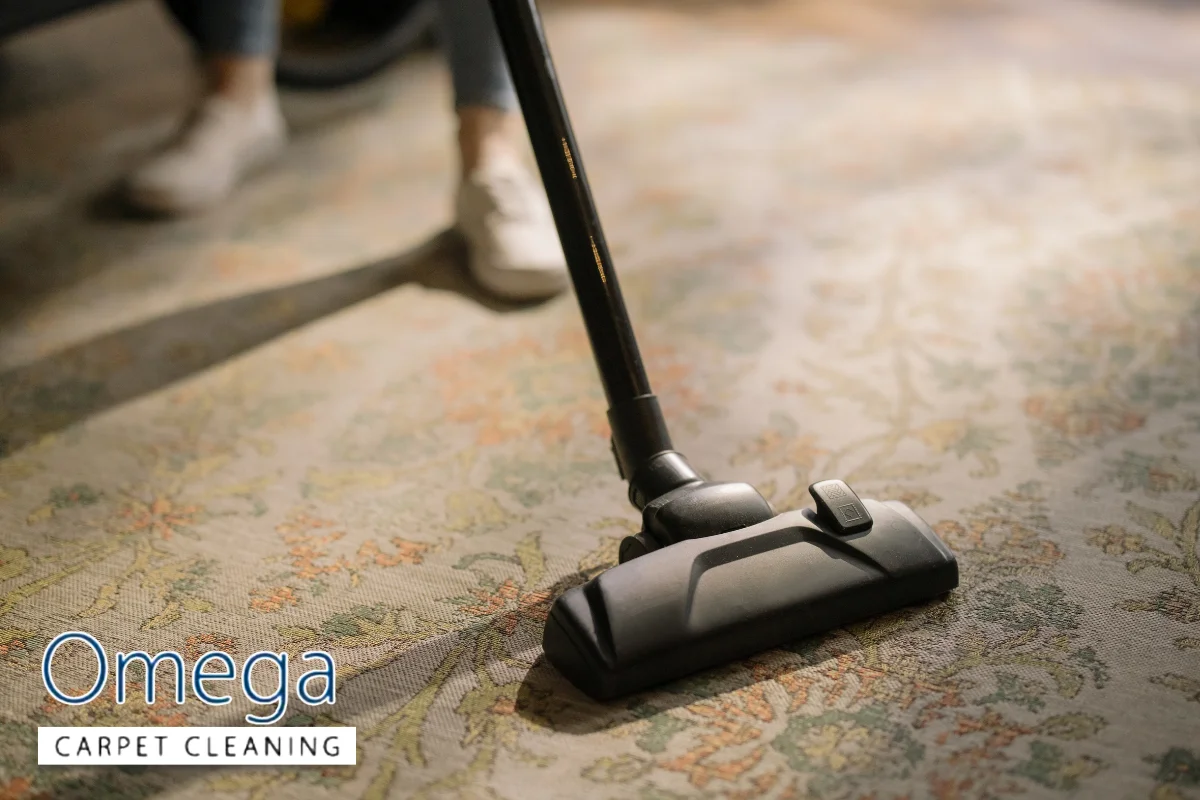
Professional carpet cleaning targets the embedded soil and residues that make walkways darker than protected areas. Cleaning methods can enhance carpet brightness in exposed areas by reaching dirt that household machines simply cannot.
Hot-water extraction cleaning removes embedded dirt, improving brightness across the treated surface. The process works by injecting heated water and a controlled cleaning agent into the pile under pressure, then immediately extracting the dirty solution along with loosened soil and residues. Technicians can adjust temperature, pressure and chemical concentration to suit the fibre type and the existing condition of the carpet colour.
In many Melbourne homes, a single thorough deep clean significantly reduces the contrast between exposed carpet and areas under furniture. One commercial restoration in Australia found that carpet widely believed to be grey was actually bright blue, with decades of soil masking the original shade.
While colour loss from UV and physical wear cannot be reversed, a well-executed professional treatment can make differences far less noticeable by restoring brightness where soil was the primary culprit.
Steam Cleaning, Dry Methods and When to Use Each

Different carpet types in Melbourne properties respond better to specific cleaning methods. Choosing the right approach matters for both the result and the longevity of the carpet.
Steam cleaning is ideal for most modern synthetic carpets where deep cleans and allergen removal are priorities. Hot-water extraction effectively eliminates the vast majority of deeply embedded bacteria, dust mites, and common household allergens, making it a strong choice for families with kids, pets or allergy concerns. Hot-water extraction requires 2 to 4 hours of drying time, which is manageable in most residential settings with good ventilation.
Low-moisture or dry methods suit certain situations better. Dry cleaning carpets can be usable in 1 to 2 hours, which is helpful for offices and retail spaces that cannot afford extended downtime. Low-moisture cleaning is perfect for delicate or wool carpets where excessive water can cause shrinkage or backing issues.
Steam cleaning is ideal for end-of-lease carpet cleaning, meeting the high standards required by property managers when professional cleaning is specified in lease agreements or needed to restore the carpet. A trusted professional will assess pile density, backing material and pre-existing colour changes before recommending the right method. Combining the correct technique with proper drying times helps prevent resoiling and the formation of new dark patches.
Read What Causes Carpet Near Doorways to Discolour? | Carpet Cleaning in Melbourne, VIC
Commercial Carpet Cleaning and Visible Traffic Lanes in Workplaces
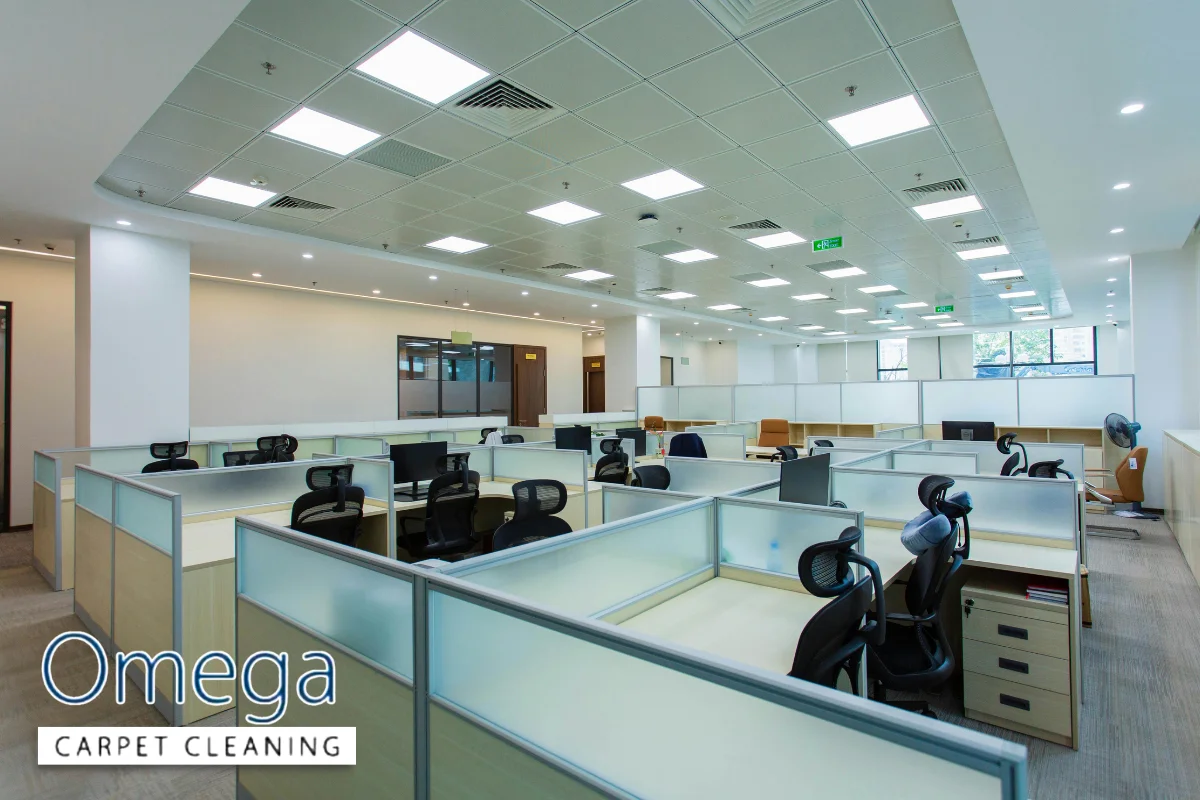
Offices, retail shops and commercial spaces in Melbourne often show far more extreme traffic lanes than homes. Reception areas, corridors and open-plan zones see constant foot traffic from staff and visitors, while carpet under fixed desks and counters remains protected.
Castor chairs, trolleys and high pressure foot traffic rapidly dull the surface in walkways. When furniture is shifted during office refits, the brighter carpet underneath reveals just how much soil has built up in exposed sections. The difference can be startling.
Scheduled commercial carpet cleaning, rather than ad-hoc visits, keeps colour more uniform across large areas. Consistent maintenance also contributes to an odour-free, professional image that matters in offices and client-facing environments. Many businesses find that a structured cleaning service plan, including interim low-moisture treatments between full extractions, extends carpet life and delays costly replacement.
Pets, Children and How Household Habits Affect Carpet Colour

Melbourne families with a golden retriever, a couple of kids and a busy routine know the toll that daily life takes on carpet. Muddy paws, spilled juice, scattered crumbs and crayon marks all tend to land on exposed surfaces, rarely under large furniture pieces.
Pet stain accidents are among the most common causes of localised colour change. Urine, in particular, can react with carpet dyes and leave permanent marks if not treated promptly. Frequent spot cleaning in these high-use areas adds to colour variation when harsh chemicals or bleach-based products are used.
Some habits help protect carpets in busy households:
- Establish shoe-free zones, especially near entry points.
- Place washable area rugs over main walkways and play areas.
- Treat pet stain issues and spills immediately with a neutral-pH cleaner.
- Vacuum at least twice a week in rooms that see heavy daily use.
Prompt treatment and consistent maintenance minimise long-term colour changes and keep the gap between hidden and exposed carpet as narrow as possible.
Other Surfaces: Why Tiles, Grout and Hard Floors Also Discolour Unevenly
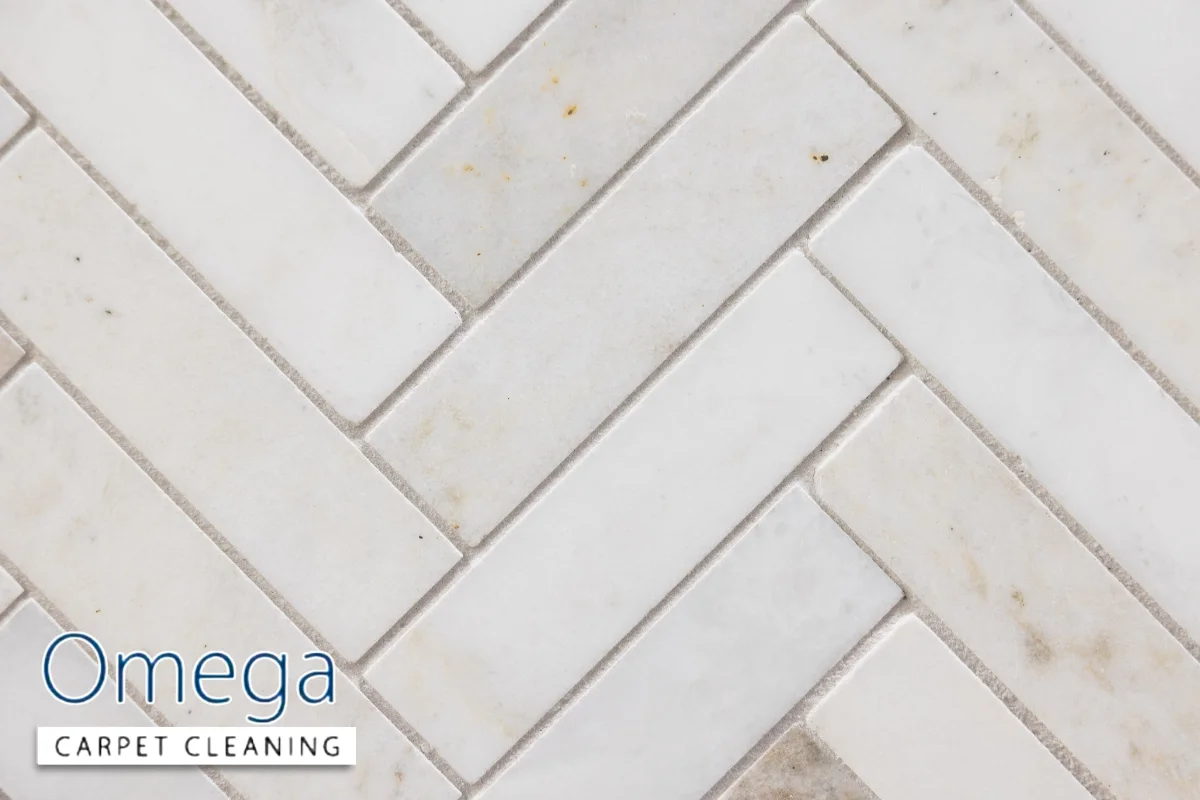
The same pattern seen on carpet also appears on hard floor surfaces. Tile and grout lines in kitchens, bathrooms and laundries darken in high-traffic zones while areas under appliances or cabinetry stay noticeably lighter.
Grout cleaning is often needed where foot traffic grinds grime into porous joints, turning pale grout grey or brown. A grout cleaning service can restore the original tone, but, like carpet, prevention through sealing and regular mopping delivers better long-term results.
Timber and vinyl hard floor finishes fade in sunlight too, leaving brighter patches under area rugs and furniture. Even stairs show uneven wear, with centre treads dulling faster than edges.
Regular professional maintenance across carpet, tile and other surfaces helps keep colour more consistent throughout the property. A whole-home approach, combining carpet, tile cleaning and upholstery cleaning in a single visit, saves time and delivers more uniform visual results across every room.
How Often to Book Professional Cleaning to Keep Carpet Colour Consistent

Frequency depends on household size, pets, smoking and traffic patterns. The Melbourne climate can influence how carpets respond to cleaning too, with wet winters tracking more mud indoors and dry summers raising dust levels.
General guidance:
Situation | Recommended Frequency |
|---|---|
Light carpet in a busy family home with pets | Every 6 to 8 months |
Dark carpet colours in a low-traffic household | Every 12 to 18 months |
Commercial offices and retail spaces | Every 3 to 6 months |
Lease carpet clean before moving out | At end of tenancy |
Regular professional cleaning maintains carpet brightness and lifespan. Many carpet manufacturers specify periodic professional service as a condition for maintaining warranty coverage.
Watch for visual cues: grey paths, dull pile, clear lines where furniture was moved and lingering odours. These are reliable signals that it is time to book rather than wait for the contrast to grow worse.
Simple Habits to Reduce Colour Differences Between Hidden and Exposed Carpet

Small daily changes slow colour change and wear on exposed carpet. None of these require expensive equipment or special products.
- Rotate or occasionally shift furniture to change where the main traffic lanes form. Rearranging furniture can help exposed carpet blend with covered areas over time by evening out light exposure and wear patterns.
- Place quality entry mats at every door to capture tracked-in soil before it reaches the carpet.
- Vacuum regularly, focusing on high-traffic zones and edges of furniture where dirt accumulates.
- Use fibre-safe, neutral-pH products for spot treatment and avoid over-the-counter bleach-based cleaners.
- Open and close curtains or blinds to manage direct sunlight on carpet near windows.
Schedule periodic deep cleans as part of general home maintenance. Treating carpet care the same way you treat servicing an appliance or maintaining a room keeps colours more even and extends the life of your floor covering.
Bringing Dull Carpets Back to Life: When to Call a Professional in Melbourne

DIY methods have limits. Once soil is deeply embedded, fibres are visibly worn or sun fade has set in, home equipment and store-bought solutions cannot close the gap.
Signs it is time to call a professional:
- Strong colour contrast appears when you move a couch, bed or lounge.
- Lingering odours persist after vacuuming and spot cleaning.
- Visible traffic patterns remain even after a thorough DIY effort.
- Stains reappear after drying, indicating residue deep in the pile.
A professional carpet cleaner can assess fibre condition, advise on realistic colour outcomes and perform the appropriate deep treatment. A reputable provider in Melbourne, VIC will offer a free quote and transparent advice about what can and cannot be restored, ensuring you get an affordable and honest job without surprises.
Early professional attention usually delivers best results. Acting while the carpet still has healthy fibre structure means more of the original colour can be recovered. Waiting until traffic lanes are ground in and dyes are stripped by harsh chemicals makes full restoration far more difficult and expensive. The brighter patch under your furniture is a helpful reminder that most of the dullness on the surface is dirt, not damage, and an efficient, professional treatment can make an amazing difference.
Carpet Cleaning in Melbourne, VIC – Omega Carpet Cleaning

At Omega Carpet Cleaning, we help Melbourne homeowners and businesses bring their carpets back to life. We are based in Melbourne, Victoria and proudly service the surrounding suburbs, offering professional carpet cleaning, upholstery cleaning and mattress cleaning using truck-mounted equipment and fibre-safe solutions.
Whether you are dealing with stubborn traffic lanes, preparing a lease carpet clean or simply want your space to look fresh, we have the experience and machines to deliver quality results. Our team assesses every job individually to recommend the right approach for your fibre type and condition.
We also provide tile cleaning, grout cleaning and hard floor services for a complete solution across your property.
Call us on 0406 996 819 or fill out our online contact form to request a free quote. We offer honest advice, reliable scheduling, and a satisfaction guarantee focused on achieving the best possible result for your floors.. Let Omega Carpet Cleaning handle the dirty work.
Frequently Asked Questions
Can moving furniture regularly fully prevent visible traffic lanes from forming?
Shifting furniture periodically helps distribute wear and light exposure more evenly, which slows the formation of obvious traffic lanes. However, it cannot fully prevent them. Foot traffic still concentrates along natural walking routes between doors and key areas of a room, regardless of where the couch sits. The main benefit of rearranging is that it prevents a single strip of carpet from bearing all the abrasion and soil load for years. Combining regular repositioning with entry mats, consistent vacuuming and periodic professional treatment gives you the best chance of keeping carpet colour uniform across the entire floor space.
What is the safest way to test a new cleaning solution on carpet without causing colour loss?
Choose a small, hidden section of carpet, such as inside a wardrobe or behind a door, and apply a tiny amount of the product with a white cloth. Press the cloth against the fibres for about 30 seconds, then check both the cloth and the carpet. If dye transfers onto the cloth or the carpet colour changes, do not use that product on visible areas. Wait until the test spot dries completely before making a final judgement, as some reactions only become apparent once moisture evaporates. Always check the pH of the cleaner and keep it below 10 for synthetics.
Does mattress cleaning or rug cleaning show the same bright versus dull contrast when items are moved?
Yes. Mattress cleaning can reveal a similar pattern. The underside of a mattress and the floor area it covers are shielded from dust, skin cells and ambient light, so the surface underneath looks noticeably fresher than exposed surroundings. With area rugs, lifting them often reveals a brighter rectangle of carpet or timber beneath, while the exposed edges and nearby floor show fading and soil build-up. The same principles of UV shielding, reduced abrasion and lower soil accumulation apply to virtually any surface that has been consistently covered by another object over a long period.
How long after professional cleaning do carpets usually stay looking brighter in busy Melbourne households?
The duration depends heavily on the household. In a home with pets, kids and frequent visitors, the brightness improvement from a professional clean may remain noticeable for three to six months before soil starts building up again. In a quieter home with fewer occupants and good entry mats, results can last twelve months or longer. Applying a fibre protector after the clean adds a barrier that slows resoiling. Regular vacuuming between professional visits extends the fresh appearance significantly. Most technicians recommend booking follow-up deep cleans before the contrast between clean and dirty zones becomes obvious again.
Can hard floor areas and carpet be serviced in the same visit for convenience?
Most professional providers in Melbourne offer multi-surface services that cover carpet, tile, grout and timber in a single appointment. This approach saves time and ensures consistent results across an entire property. The technician will typically start with hard surfaces, allowing drying time while moving on to carpet extraction. If you are preparing a rental property for inspection or getting a home ready for sale, a combined visit is efficient and usually more affordable than booking separate appointments. Confirm with your provider that they carry the appropriate equipment and solutions for each surface type before scheduling.
Disclaimer
This article provides general information relevant to Melbourne, VIC and should not be taken as tailored advice. Always consult a qualified local carpet cleaning professional for recommendations specific to your carpet type, condition and property.
Read Carpet Cleaning in Melbourne, VIC: Can Sand and Soil Damage Carpet Even When the Carpet Looks Clean?