
Why Old Upholstery Stains Don’t Have to Be Permanent
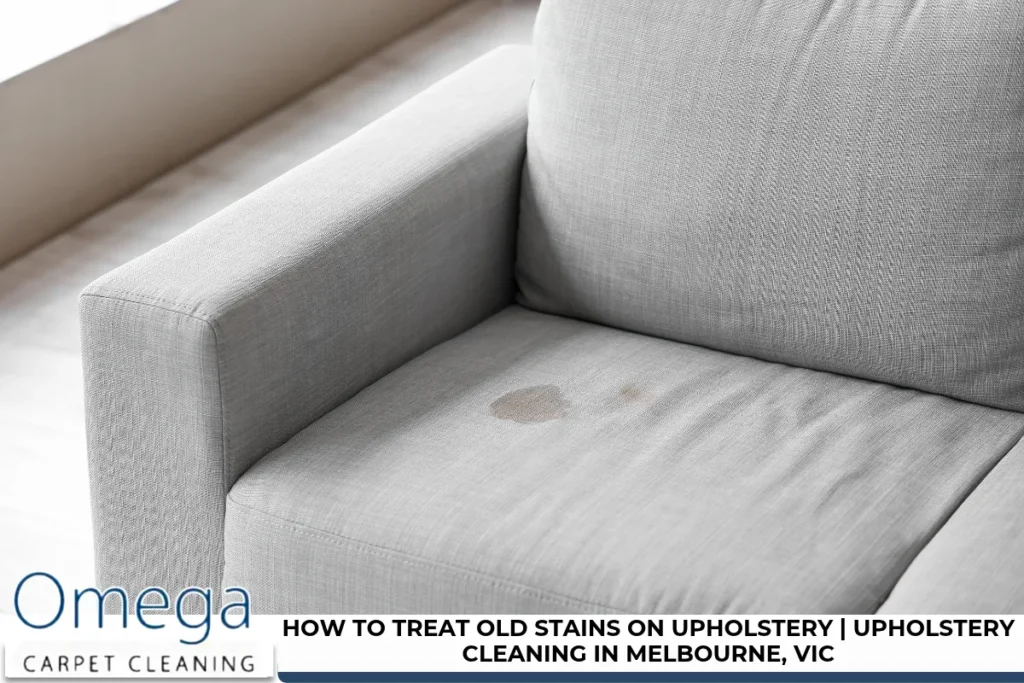
Upholstery cleaning is one of those jobs most Melbourne households put off until a stain has settled so deep it looks permanent. You know the story: a coffee ring on the sofa arm, a mysterious mark on the dining chairs, or a pet accident on the lounge suite that you thought you cleaned up months ago. The longer a spill sits, the more it bonds with the fabric fibres, making removal harder with every passing week. Grabbing a supermarket spray and scrubbing hard often spreads more stains, creates watermarks, or damages the weave entirely. The good news is that with proper fabric identification, the right cleaning solution, and safe technique, many set-in marks can be significantly reduced or removed. This guide walks through step-by-step stain removal for common problems, explains when steam cleaning helps, and outlines when calling a professional upholstery cleaner in greater Melbourne is the smarter move.
Key Takeaways
- Old stains can often be removed with the right methods, especially when fabric codes and fibre types are checked first before applying any product.
- Melbourne, VIC homeowners should always vacuum and pre-test cleaning solutions in a hidden area before attempting stain removal on couches, lounge suites, and armchairs.
- Some set-in marks such as red wine, pet urine, and ink are best left to professional upholstery cleaning services using hot water extraction or low-moisture methods.
- Incorrect DIY methods like scrubbing, using generic bleach, or over-wetting can cause permanent damage and may void furniture warranties.
- Engaging a local expert in greater Melbourne can save money long-term by prolonging the life of upholsteries instead of replacing them.
Know Your Upholstery: Fabric Types, Cleaning Codes and Melbourne Conditions
Before you reach for any bottle, the single most important step is identifying what your upholstered furniture is made of and how the manufacturer says it should be cleaned. Skipping this leads to colour bleeding, shrinkage, and damage that no professional service can reverse.
Reading the Cleaning Code Tag
Cleaning codes specify safe cleaning methods for upholstery fabrics. You will usually find a tag tucked under the seat deck, along the base, or beneath a cushion zip. The codes are:
- W: Water-based cleaners are safe.
- S: Solvent or dry-cleaning agents only. No water.
- WS: Either water-based or solvent-based products may be used.
- X: No water, no solvent. Vacuum or dry brush only.
Upholstery care requires checking the manufacturer’s cleaning code before applying any liquid. Even synthetic fabrics can carry an S code depending on dye, finish, or backing materials. Acting against the code is one of the fastest ways to ruin a couch.
Common Fabrics in Melbourne Homes and Offices
Polyester blends and microfibre are popular for everyday sofas and chairs because they resist wear and repel liquids initially. Cotton and linen absorb moisture deeply and are prone to watermarks if treated carelessly. Wool blends react badly to high pH and aggressive detergent. Leather, whether genuine or faux, needs pH-balanced cleaners and conditioners rather than standard fabric products.
Why Melbourne’s Climate Matters
Melbourne’s varied climate can affect upholstery drying times significantly. Humidity often sits between 60 and 70 percent, and cooler winters slow evaporation. If you over-wet a couch in June, trapped moisture can encourage mould growth inside cushion foam and along the timber frame. In summer, direct sun or high-temperature cleaning agents can shrink natural fibres or cook tannin-based stains deeper into the weave.
If the tag is missing, treat the fabric as delicate. Test any product in a hidden area first, start with the mildest neutral detergent you have, and avoid harsh chemicals and high heat until you know how the material responds.
Essential Prep Before Treating Any Old Stain on Upholstery
Proper preparation separates a successful restoration from a bigger mess. Rushing straight to a spray bottle filled with stain remover is tempting, but a few minutes of groundwork makes a real difference.
- Vacuum upholstery before treating stains to remove debris. Use an upholstery attachment and work into seams, crevices, and under seat cushions to lift grit and dust that could scratch or smear during wet cleaning.
- Gently scrape dried-on solids with a dull spoon or spatula. Removing crusted food, mud, or dried liquids before adding moisture prevents contaminants from being pushed deeper into the weave.
- Perform a patch test. It is important to test cleaning solutions in hidden areas before full application on upholstery. Apply your chosen product to an inconspicuous spot, wait until it is fully dry, then check for colour bleed or texture change.
- Use microfiber cloths during application and blotting. Microfiber cloths should be used to prevent dye transfer during the process, especially on darker or brightly dyed fabrics.
- Ensure good ventilation. Open a window or use a fan when handling solvent-based products. Wear gloves when working directly with concentrated stain removers. If your sofa has a powered recliner mechanism, switch it off and unplug it before applying any liquid.
Avoid oversaturation when cleaning upholstery to prevent moisture-related issues such as mildew, odour, and frame rot.
Step-by-Step Methods for Treating Common Old Stains
This is the core how-to section. The steps below are general guidelines suitable for many W or WS-coded fabrics. If your furniture carries an S or X code, use solvent-based methods or consult a professional upholstery washer before proceeding. Old stains on upholstery bond deeply with fabric fibres, which means patience and repeated light treatments often outperform one aggressive attempt.
A few universal rules before you start:
- Never mix cleaning products such as ammonia and bleach.
- Always blot gently with a clean cloth rather than scrubbing aggressively.
- Heavy-duty stain removers can tackle tough stains, but should be matched to the fabric type.
- For valuable or antique furniture in Melbourne homes, professional assessment is the safest starting point.
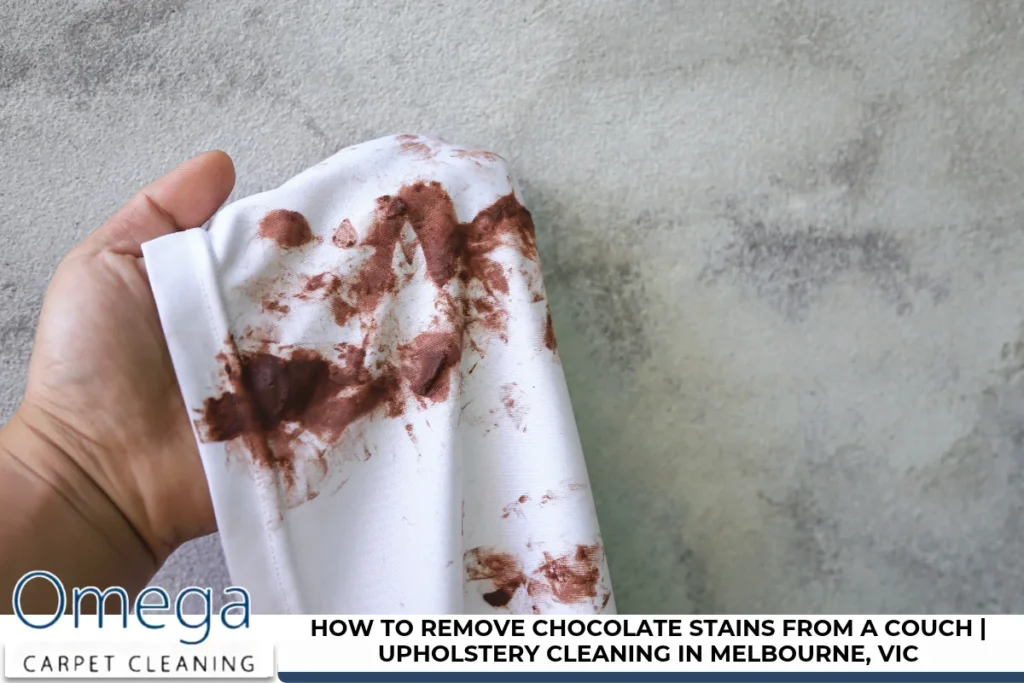
Read How to Remove Chocolate Stains From a Couch | Upholstery Cleaning in Melbourne, VIC
Old Food and Drink Stains (Tea, Coffee, Soft Drink, Sauce)
These are among the most frequent set-in marks on household sofas and armchairs.
- Dampen a clean cloth with plain water and blot the stain gently on W or WS fabrics.
- Mix a small amount of dish soap (a few drops) in cool water. Dab the solution from the outside of the stain inward to avoid spreading.
- For sticky sugar-based residue from soft drinks or sauces, use lukewarm water with a neutral detergent and work slowly.
- Dark coffee and tea stains may respond to a mix of white vinegar and water applied to colourfast fabric, followed by thorough blotting with a slightly damp cloth and then a dry one.
- Rinse the area by blotting with fresh water to remove any detergent residue that could attract more dirt over time.
When a large, old spill covers multiple seats of a lounge suite, professional hot water extraction is often the most effective route.
Red Wine, Juice and Coloured Beverage Stains
Red pigments bind strongly to upholstery fibres, particularly on light-coloured couches common in open-plan Melbourne living areas.
- If any moisture remains, press salt or dry paper towels onto the area to absorb as much pigment as possible before treatment.
- Apply a targeted oxygen-based cleaner on appropriate fabrics, following the product instructions carefully.
- Never pour boiling water directly on the stain. High heat can cook tannins into natural fibres like linen and cotton, making the mark permanent.
- Use vinegar or vodka to blot stains on non-water-safe fabrics as a gentle alternative, testing in a hidden area first.
- Repeated light treatments are safer than one heavy, aggressive attempt. Rings and fibre distortion are common results of over-doing it in a single session.
Specialised fabric-safe wine stain products are available; always rinse thoroughly after use to minimise residue buildup.
Pet Urine, Sweat and Odour-Building Stains
In Melbourne’s pet-friendly households, urine and body oils are a leading cause of lingering smells and yellowing on otherwise clean upholstery. Simple fragrance sprays only mask the problem temporarily.
- Locate older urine marks using your nose or a UV torch in a darkened room. Affected areas often fluoresce under ultraviolet light.
- Blot any remaining moisture, then apply an enzymatic cleaner suited to upholstery. Enzyme-based upholstery cleaners are effective for organic stains like pet urine because they break down uric acid and proteins at a molecular level.
- Allow adequate dwell time as directed on the product label, then extract with a damp cloth or wet vacuum if the fabric code permits.
- Do not over-soak foam cushions. Trapped moisture inside the lounge suite can lead to mould and bacteria growth that is far harder to treat than the original stain.
Where urine has penetrated deeply into padding or the timber frame, professional upholstery cleaning services with commercial extraction equipment are strongly recommended.
Grease, Makeup and Body Oil Marks
Oily stains from take-away food, sunscreen, cosmetics, and hair products attract dust and darken over time, creating stubborn stains that look worse than they originally were.
- Start dry. Baking soda and cornstarch can be effective for absorbing grease and oils from upholstery. Sprinkle generously over the affected space, leave for several hours or overnight, then vacuum away.
- For S-coded fabrics, solvent-based spotters or dry-cleaning fluids are appropriate. Patch testing is critical because solvents can strip colour or damage finishes.
- On W or WS fabrics, a small amount of grease-cutting dish soap in cool water, dabbed carefully without saturating, often lifts oil residue.
- Leather and faux leather require specific pH-balanced cleaners and conditioners rather than general fabric products.
Ink, Texta and Dye Transfer from Clothing
Denim dye on armrests, marker pens on cushions, and biro ink on car-style upholstery are common complaints in busy Melbourne families.
- Dab very lightly with isopropyl alcohol on a cotton bud for many ink marks, always patch-testing in an inconspicuous spot first. Avoid rubbing, as rubbing spreads the dye and can leave permanent ring marks.
- Some permanent markers and deep dye transfers cannot be fully removed without risking fabric damage or colour loss. This is an area where expectations need to be realistic.
- For prized or expensive pieces, calling a professional upholstery cleaner is the wisest step, as dye migration is complex and the margin for error is thin.
- Avoid nail polish remover or acetone-based products unless the manufacturer explicitly confirms suitability. These solvents dissolve many synthetic fibres and finishes on contact.
Using Steam and Hot Water Extraction Safely on Old Stains
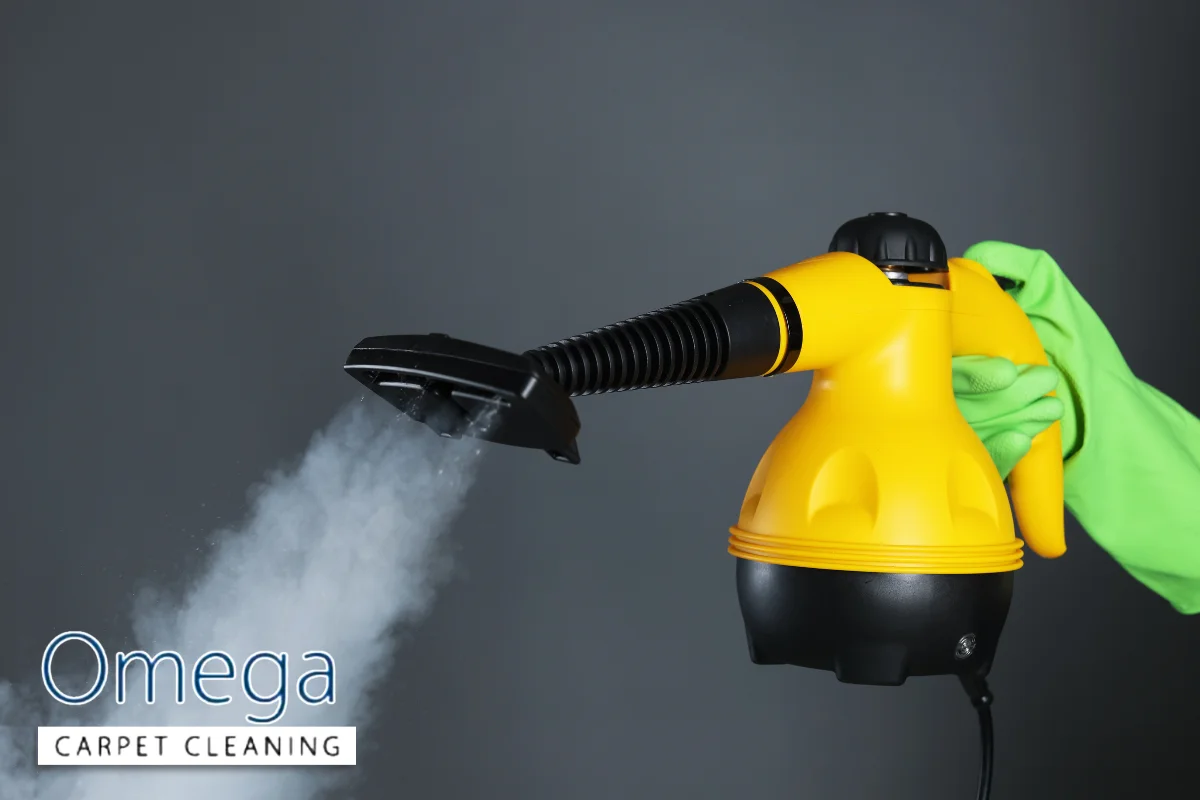
There is an important difference between a small consumer steamer and the commercial hot water extraction equipment used by many Melbourne cleaning services. Consumer units produce limited steam and often lack sufficient suction for extraction. Professional machines inject heated water and a cleaning solution under controlled pressure (typically 40 to 100 psi at 60 to 70 degrees Celsius), then extract the dirty water along with loosened soils.
Steam can help loosen older stains if the fabric is water-safe. Only W or WS-tagged fabrics should be exposed to upholstery steam cleaning. Applying steam or moisture to S or X coded items risks shrinkage, dye bleed, and brown water marks.
The professional process generally follows this order:
- Pre-vacuum to remove dirt and allergens.
- Pre-treatment with a targeted cleaning solution.
- Gentle agitation to lift soils.
- Hot water extraction with controlled rinse cycles.
- A dry pass to remove as much moisture as possible, leaving the upholstery only slightly damp at finish.
Many professional cleaning processes dry upholstery in four to six hours under normal conditions. Some providers using low-moisture or encapsulation methods report that upholstery dries in one to two hours, offering faster drying and minimal disruption.
Improper steam cleaning at home can cause long drying times, especially during Melbourne’s cooler months, and risks mould if ventilation is poor.
When DIY Isn’t Enough: Benefits of Professional Upholstery Cleaning in Greater Melbourne
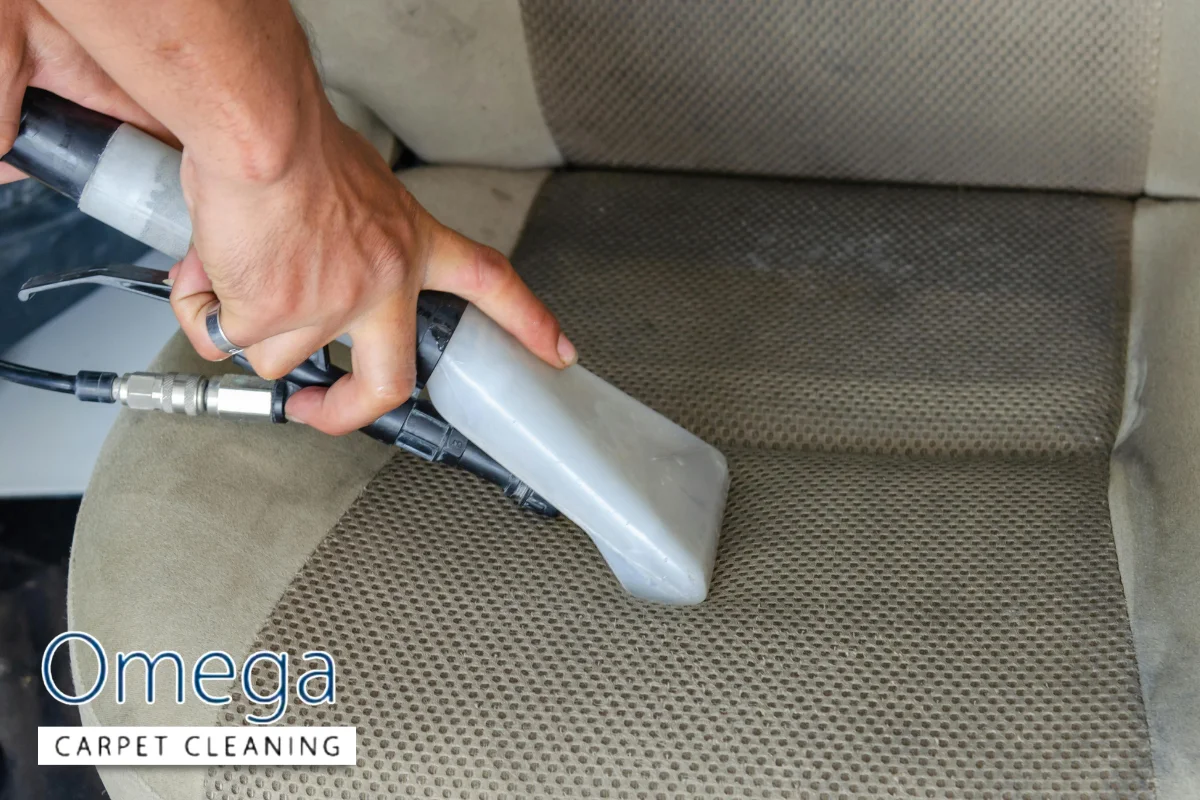
There are situations where even the most diligent homeowner should step back. Old set-in stains may require specialised local care to avoid damage, and professional cleaning services often use specialist tools and techniques designed for specific types of stains that household products simply cannot match.
Consider calling a professional when you are dealing with:
- Extensive old stains across a large sofa or modular lounge suite
- Unknown fabric types where the cleaning code tag is missing
- Serious odours from pets, smoke, or water damage
- Mould contamination that poses health risks if disturbed
- Valuable, antique, or commercial office furniture
Professional upholstery cleaning offers commercial-grade extraction equipment, fibre-specific chemicals, and experienced technicians who can assess damage using methods like thermal imaging for moisture mapping. Professional cleaning solutions often remove more stains than conventional household methods because they are formulated for deeper penetration and safer rinsing.
Reputable Melbourne operators follow Australian standards and align with frameworks like the IICRC S300 for upholstery cleaning. Reputable operators carry comprehensive insurance, use non-toxic, eco-friendly formulations, and handle waste disposal in compliance with local Victorian EPA guidelines and trade waste regulations. Many providers offer upholstery steam cleaning services alongside carpet cleaning and rug care, making it convenient to book a full household clean at a reasonable price.
Regular maintenance cleans every 12 to 24 months preserve colour, comfort, and value far better than sporadic DIY attempts. Some upholstery may take six to twelve hours to dry depending on thickness and conditions, but a quality professional service manages this with air movers and dehumidifiers.
Drying, Deodorising and Protecting Upholstery After Stain Removal
Successful stain removal is only half the job. If the furniture does not dry properly, you risk water marks, mould, and odours that are worse than the original problem.
Upholstery typically dries in four to six hours after cleaning under average Melbourne conditions. To speed this up:
- Open windows when weather allows to increase airflow through the space.
- Position pedestal fans to blow across the sofa surface. Using fans can help speed up upholstery drying time considerably.
- Run a dehumidifier in the room on damp or cool days.
- Avoid sitting on the furniture until it is fully dry.
After drying, lightly groom the fabric pile with a soft brush to restore texture and prevent watermark patterns. If the manufacturer approves, apply a fabric protector or stain guard to help repel future spills. Check warranty documents before applying any aftermarket product.
Ongoing habits that keep your upholstery looking its best:
- Blot spills immediately rather than letting them soak in.
- Vacuum weekly, especially in homes with pets, to remove dirt, dust, and allergens.
- Rotate and flip removable cushions to distribute wear evenly.
- Use washable throws or arm covers on high-traffic chairs and sofas.
These simple steps reduce the frequency of deep cleaning and help your furniture last years longer.
Upholstery Cleaning in Melbourne, VIC – Omega Carpet Cleaning
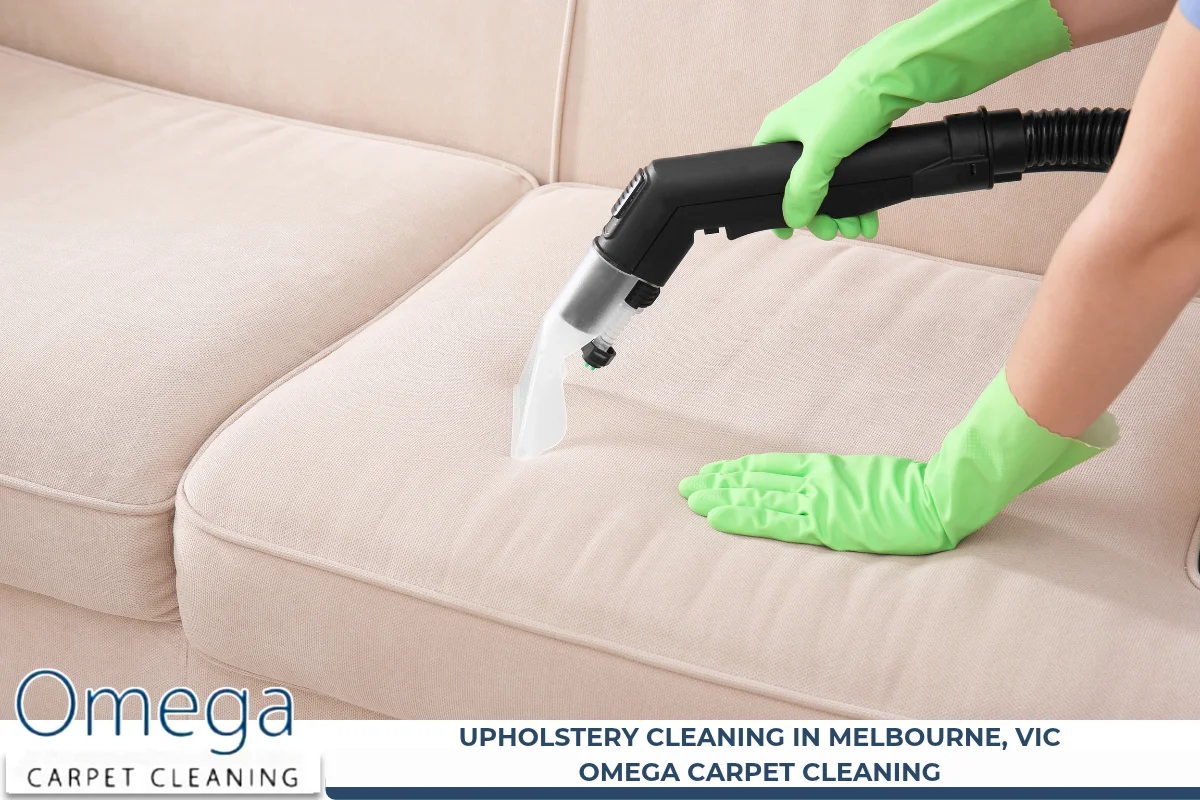
At Omega Carpet Cleaning, we bring over 15 years of upholstery cleaning experience to homes and businesses across Melbourne, Victoria, and the surrounding areas. We specialise in removing old stains from sofas, couches, lounge suites, and armchairs using modern methods including hot water extraction and low-moisture cleaning, always tailored to your fabric type and cleaning codes.
Our team delivers an excellent job on every visit, combining specialist tools with safe, effective products to help restore tired upholsteries without risking damage. We also provide carpet cleaning, rug care, and mattress cleaning for a complete household refresh.
Whether you are dealing with stubborn stains, pet odours, or general wear, we are here to help. Call us on 0406 996 819 or fill out our contact form for a fast, obligation-free quote. We are highly recommended by families across greater Melbourne for our excellent customer service, honest pricing, and results you can see and feel. Working with Omega Carpet Cleaning extends furniture life, improves indoor air quality, and keeps your home looking its best.
Frequently Asked Questions
How Long Should Upholstery Take to Dry After Professional Cleaning in Melbourne Homes?
Most fabric upholstery dries within four to six hours after hot water extraction. However, thicker cushions, natural fibres like linen, and dense weaves can extend drying to six to twelve hours, particularly during Melbourne’s cooler months when humidity is higher and airflow is limited. Low-moisture or dry-cleaning methods typically allow furniture to be usable within one to two hours. To speed drying, run fans pointed at the sofa, open windows if the weather cooperates, and consider a dehumidifier in enclosed rooms. Avoid placing blankets or sitting on the furniture until the fabric feels completely dry to the touch. Residual dampness left too long can encourage mould and musty odours.
Can I Safely Use Supermarket Carpet Stain Removers on My Couch Fabric?
Not always. Many supermarket products are formulated for carpet fibres and may contain bleaching agents, high alkalinity, or foaming compounds that leave residue on upholstery. Before applying any such product, check that it is labelled safe for upholstery use and matches your fabric’s cleaning code. Always patch test in a hidden area and wait until it is fully dry before proceeding. On S-coded or delicate fabrics such as silk, velvet, or untreated wool, avoid water-based supermarket products entirely. If the label does not specify suitability for your fabric type, you are better off using a purpose-made upholstery spotter or consulting a professional to avoid permanent damage.
How Often Should I Book a Professional Upholstery Clean If I Have Kids or Pets?
For households with children and pets, booking professional upholstery cleaning every six to nine months is a practical guideline. Average-use homes without pets can extend this to every 12 to 24 months. Regular professional cleaning prevents body oils, food residue, and pet dander from building up and becoming permanent. It also reduces allergens that settle deep in fabric and cushion foam. Between professional visits, vacuum weekly, blot spills immediately, and treat small marks promptly using methods suited to your cleaning code. Consistency is what prevents the kind of deep-set old stains that become expensive or impossible to remove later.
Is It Possible to Remove Mould Stains from Upholstery Safely?
Small surface mould spots on sturdy, colourfast fabric can sometimes be treated at home, but caution is essential. Take the furniture outdoors if possible to avoid spreading spores indoors. Wear a mask and gloves, and use a soft brush to gently lift dry mould before applying a mild antifungal solution suited to the fabric code. Never scrub aggressively, as this drives spores deeper into the weave. If mould has penetrated deep into the cushion foam, padding, or timber frame, professional decontamination using HEPA extraction or replacement of the affected foam is strongly recommended to protect indoor air quality. Professional operators have commercial extraction and antimicrobial treatments that address mould safely and reduce airborne spore risks inside the home.
Will Cleaning My Upholstery Affect the Manufacturer’s Warranty?
It can, depending on the method and products used. Many furniture manufacturers require that cleaning follows the specified cleaning code on the tag and that only approved products are applied. Using solvent on a W-coded fabric, applying unapproved protectants, or over-wetting cushions can all be cited as warranty breaches. To protect your coverage, keep the original care instructions, follow the recommended cleaning code, and retain receipts from any professional cleaning company you engage. If in doubt, contact the manufacturer before treating a stain. Choosing a professional service that follows recognised industry standards provides an additional layer of protection and documentation should a warranty claim arise.
Disclaimer
This article provides general guidance for Melbourne, VIC conditions only and is not a substitute for personalised professional assessment, manufacturer-specific care instructions, or compliance advice relevant to your situation.
Read How to Tell If Office Carpet Is Dirty or Worn Out | Commercial Carpet Cleaning in Melbourne, VIC