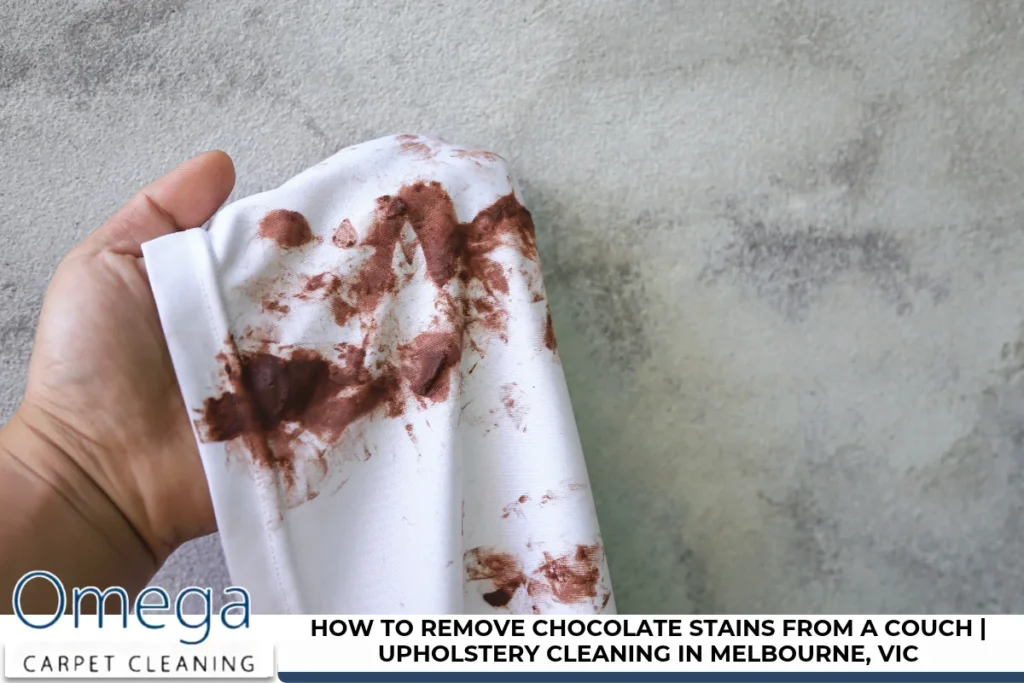

The Real Reason Chocolate Spills Turn Into Couch Nightmares
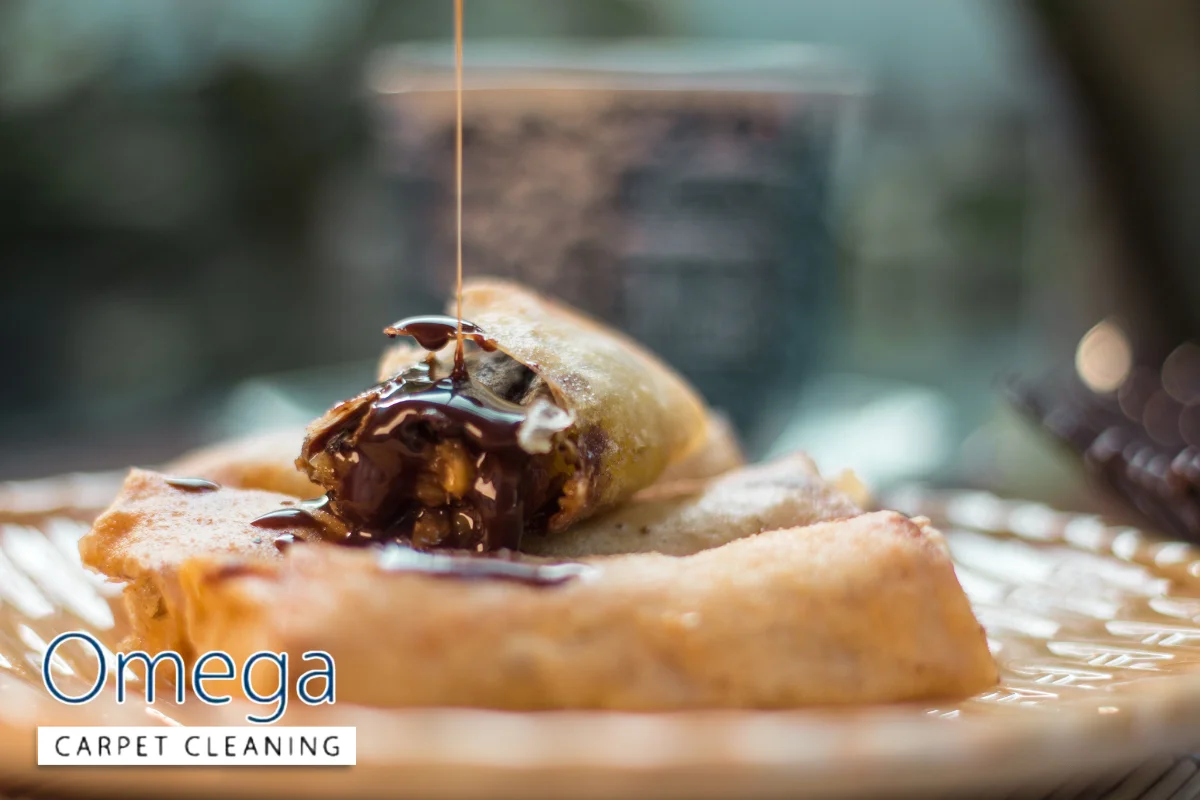
Upholstery cleaning becomes urgent the moment a slab of chocolate melts into your favourite couch on a warm Melbourne afternoon. Maybe the kids left an Easter egg on the cushion, or a mug of hot chocolate tipped sideways during a movie night. Either way, you are now staring at a sticky, brown mess soaking into fabric that cost you a small fortune. Left untreated, chocolate leaves behind oily residues, dark marks, and lingering odours that no amount of wiping seems to fix. The good news is that most chocolate stains can be tackled at home with the right approach, common household products, and a bit of patience. This guide walks you through every step, from immediate first aid to deep couch cleaning, and explains when it makes sense to call a professional upholstery cleaner right here in Melbourne, VIC.
Key Takeaways
- Fresh chocolate stains on fabric couches are far easier to remove when you act fast with prompt blotting and cold water treatment.
- Scraping off dried chocolate gently with a dull tool, then treating the area with mild dish liquid and cool water, is usually safe for most upholstery types.
- Melbourne’s variable climate and humidity affect drying times after couch cleaning, so good ventilation and fans help prevent odours and mildew.
- Steam cleaning and professional upholstery cleaning in Melbourne, VIC are recommended for large, old, or stubborn chocolate stains that resist home methods.
- Always patch-test any stain remover on a hidden area and follow manufacturer care labels to avoid colour loss or fabric damage.
What Makes Chocolate Stains So Tough on Fabric Couches?
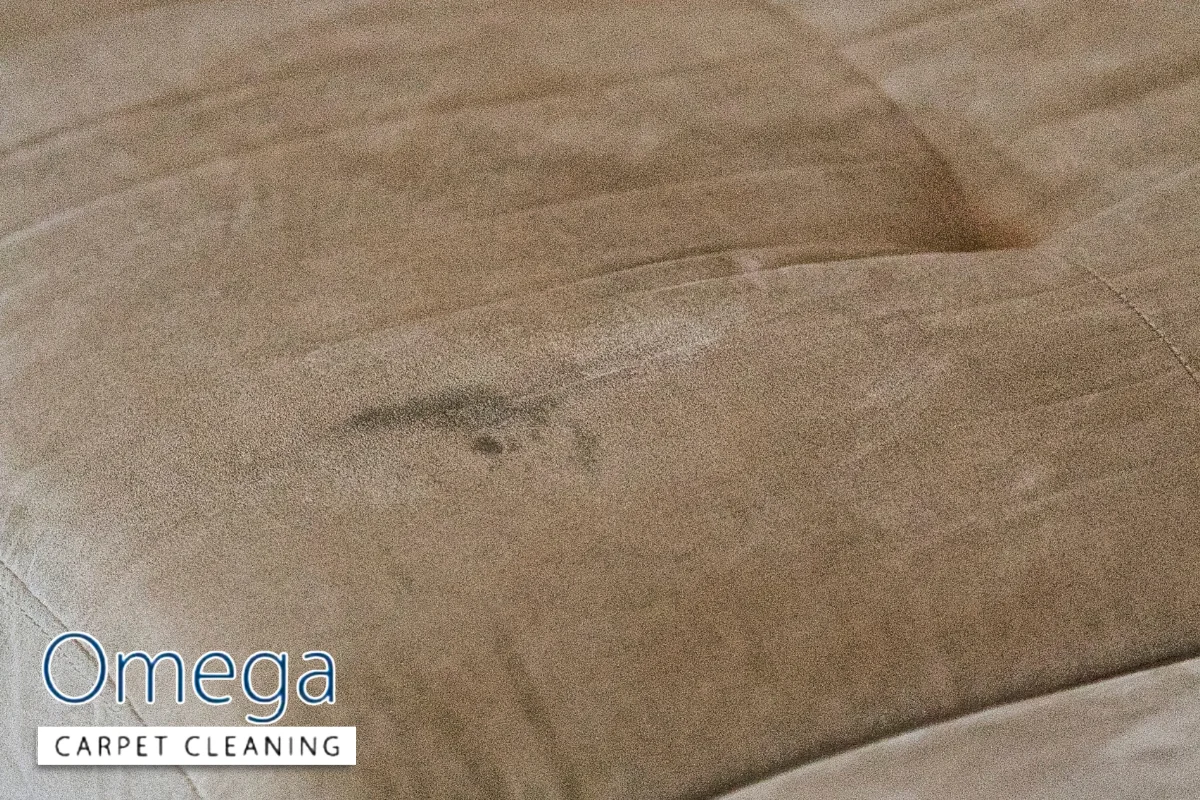
Chocolate is not a single-substance spill like water or juice. It is a complex combination of cocoa butter, milk fats, sugar, and cocoa solids, each of which interacts with fabric fibres in a different way. That layered composition is precisely what makes it one of the more frustrating stains to deal with on upholstery.
Chocolate contains fats and proteins which can bind tightly to upholstery fibers. The oil component is hydrophobic, meaning it resists water and clings stubbornly to textile weaves. Sugar can crystallise as it dries, while milk proteins may denature and harden if exposed to heat. When a chocolate stain sits on a couch for even a short time, these elements begin bonding deeper into the fabric.
Heat is the real enemy. If sunlight streams through a window onto the spill, or if someone instinctively reaches for hot water, the proteins coagulate and the fats melt further into the weave before resolidifying. This is why a dried chocolate mark that has been sitting in a warm room is significantly harder to treat than a fresh one. Older spills often need deeper cleaning or even steam cleaning to shift completely.
Delicate upholsteries like linen, untreated silk blends, and certain velvet weaves are especially vulnerable. The wrong chemical or too much moisture can cause colour bleeding, shrinkage, or permanent distortion on these surfaces, turning a stain removal attempt into a bigger problem than the original mess.
Immediate First Aid: What to Do as Soon as Chocolate Hits Your Couch
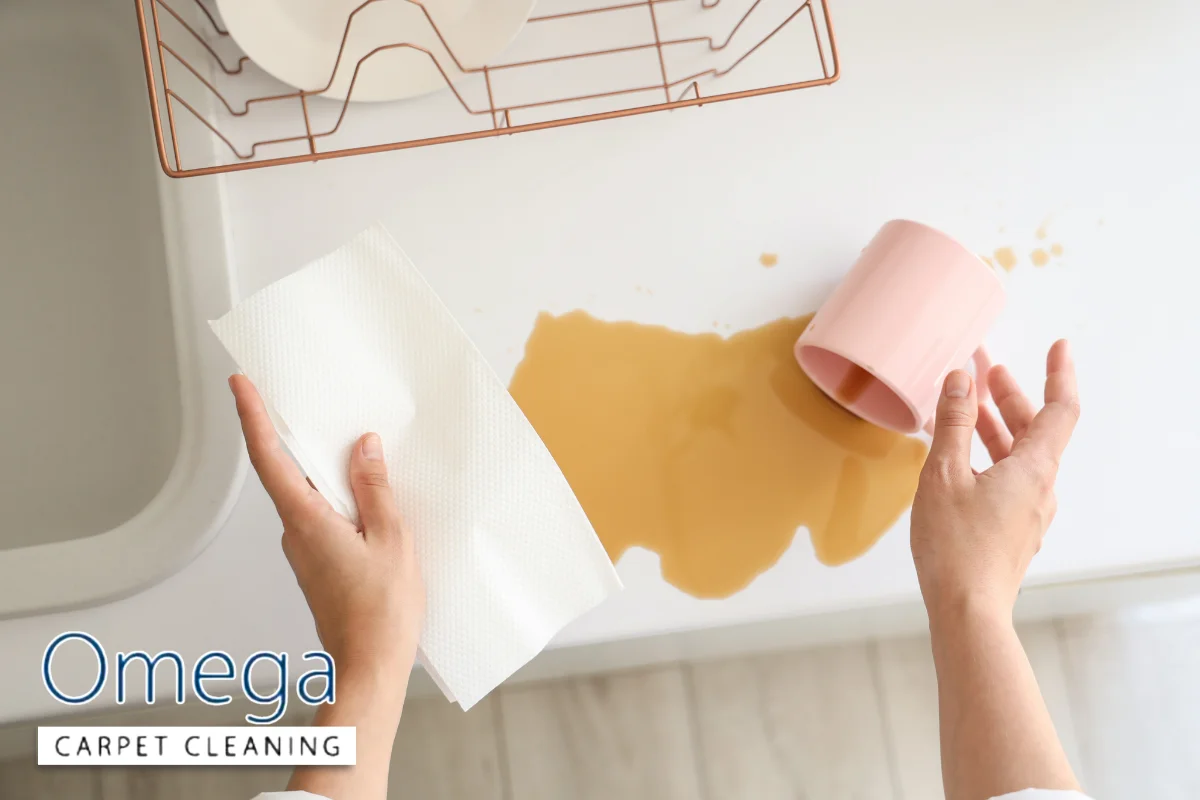
Speed matters. Treat chocolate stains immediately to prevent deeper absorption into the padding beneath. The first few minutes after a spill determine whether the mark comes out completely or becomes a permanent fixture on your sofa.
Follow these steps in order:
- Scrape off excess chocolate using a dull tool like a spoon or butter knife. Work gently and lift solids away from the surface rather than pressing down. Always move from the outside edge of the stain toward the centre to avoid spreading it further.
- If the chocolate is still soft or liquid, use ice wrapped in a plastic bag and press it against the spill for a minute or two. Use ice to harden liquid chocolate before removal, making it easier to flake away without smearing.
- Blot the stain with a clean cloth to avoid spreading. Use white paper towels or an undyed dry towel so there is no risk of transferring fabric dyes onto your couch. Press down firmly, lift, and repeat. Never rub, as rubbing pushes the chocolate deeper and can damage the texture of the fabric.
- Dampen a damp cloth with cold water and continue blotting. Cold water helps flush out soluble sugar and protein fractions without setting the stain. Avoid warm or hot temperatures at this stage.
- Spot-test any cleaning solution on a hidden part of upholstery before applying it to the stain. Check the underside of a cushion or the back panel near the base. Wait a few minutes and look for any colour change, water marking, or texture distortion.
Acting quickly and calmly during these first few minutes saves a great deal of effort later on.
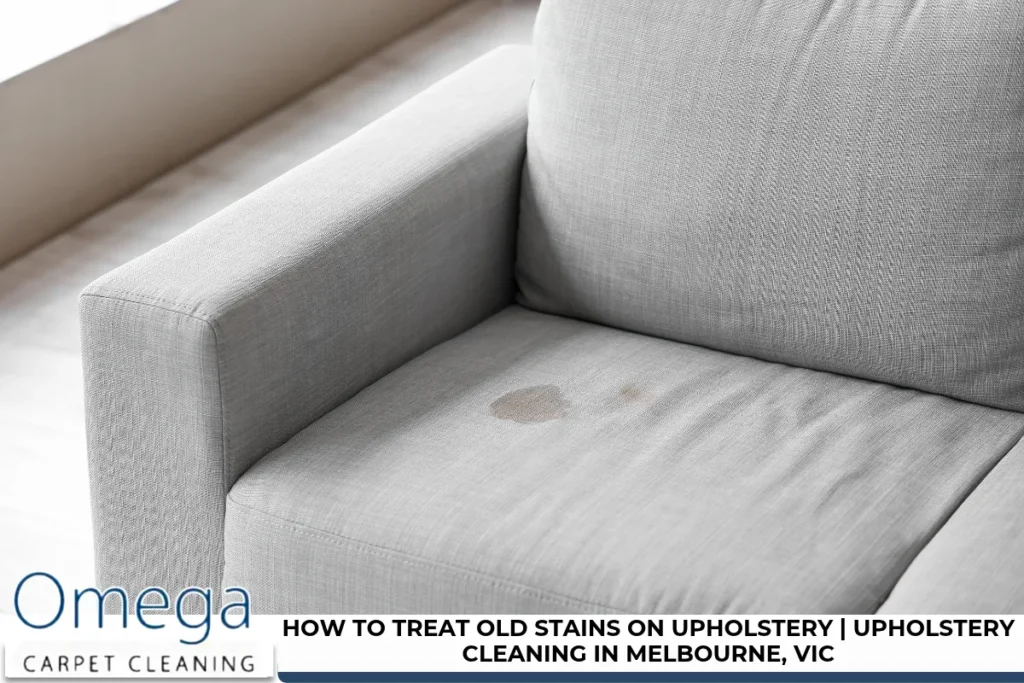
Read How to Treat Old Stains on Upholstery | Upholstery Cleaning in Melbourne, VIC
Step-by-Step Guide: How to Remove Chocolate Stains from Different Upholstery Fabrics
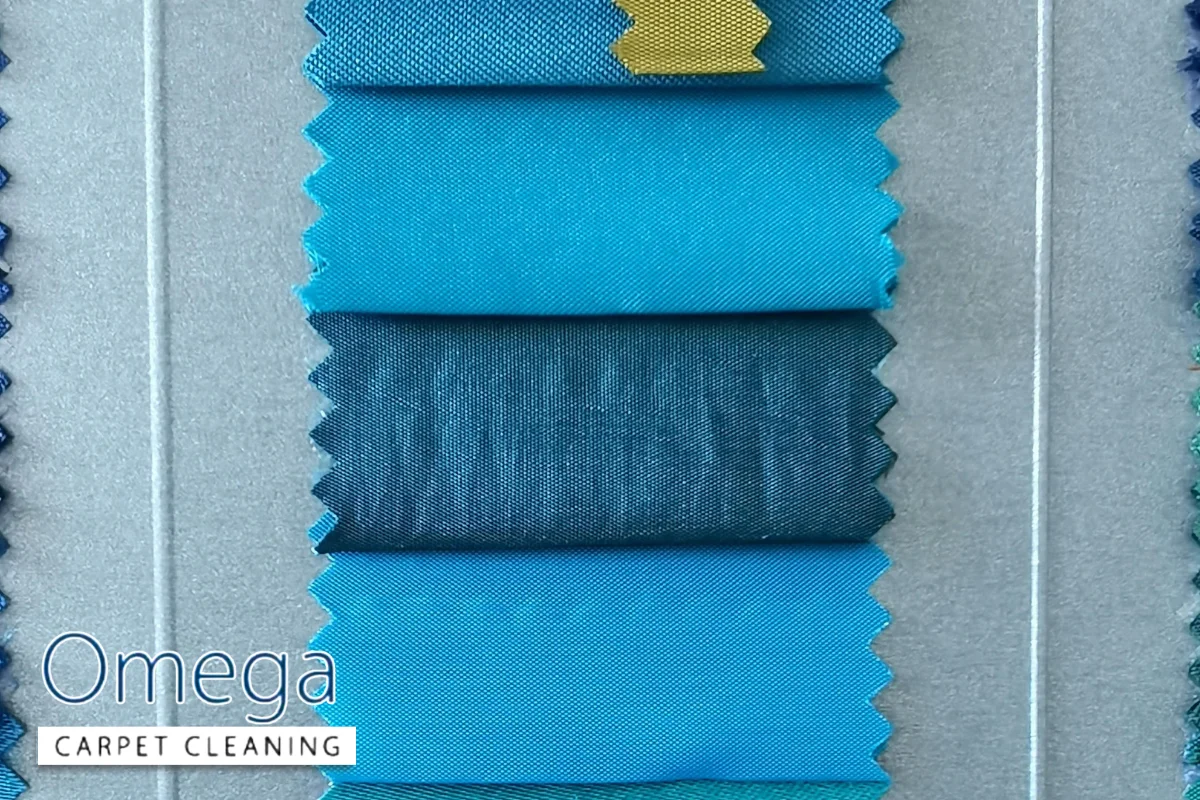
Not all fabric couches respond to the same treatment. Always check the care tag on upholstery to determine safe cleaning methods. Most sofas carry a cleanability code sewn under a cushion or along the frame base:
- W means the fabric can be cleaned with water-based solutions.
- S means solvent or dry-cleaning methods only. Water can cause shrinkage, browning, or dye bleeding.
- WS means either water or solvent approaches are acceptable after spot testing.
- X means vacuum or gentle brushing only. No liquid of any kind.
Water-Safe Fabrics (Code W or WS)
These are the most forgiving. Mix one tablespoon of dish detergent with two cups of cold water. Dip a clean white sponge or cloth into the solution and gently work it into the chocolate stain from the outside edge inward. Allow detergent to sit on the stain for at least five minutes so the surfactants can break down the fats. Then blot with a fresh cloth dampened with plain cold water to rinse the area. Repeat if any remaining stain persists. Avoid oversaturating the cushion, as too much liquid can soak through to the padding.
For dried chocolate, use a soft brush to gently loosen flakes before applying the solution. Dried residue often needs a longer dwell time and a second application before it lifts fully.
Solvent-Clean-Only Fabrics (Code S)
Water is off limits here. Use a specialised solvent-based stain removal product labelled safe for upholstery. Apply a small amount to a clean white cloth and dab the stain gently. Do not pour solvent directly onto the couch. Ensure maximum ventilation by opening windows and doors, use a solvent specifically formulated for dry-clean-only upholstery, and keep children and pets away until the solvent has completely evaporated.
Vintage and Delicate Pieces
Delicate fabrics like velvet and silk may require professional cleaning to avoid damage. If you own antique chairs, a designer lounge, or heavily patterned upholsteries, aggressive DIY methods carry too much risk. A professional upholstery washing service in Melbourne can assess the fabric and choose the safest technique.
Using Household Products vs Specialised Stain Removers

Most Melbourne kitchens already contain the basics needed for a first pass at chocolate stain treatment. A few drops of neutral dish liquid in cool water works well for breaking down fats without introducing harsh chemicals. White vinegar diluted in water can help with residual discolouration, while baking soda sprinkled over a damp patch absorbs odours and draws out oils.
These household options are cheap, accessible, and gentle when used correctly. Their limitation is that they may not fully remove a set or large stain, and repeated application risks oversaturating the cushion padding.
A branded stain remover designed for upholstery may be more efficient for larger spills or combination stains involving milk, coffee, or wine alongside chocolate. Enzyme-based cleaners are particularly useful because they break down protein and sugar compounds at a molecular level, though they need adequate dwell time and a thorough rinse to avoid leaving residue that attracts dirt.
A few things to keep in mind:
- Avoid chlorine bleach on coloured couch fabrics. If a bleaching agent is needed, oxygen bleach is the safer alternative, but always patch-test first.
- Follow Australian product labelling and safety directions for any cleaning solution you purchase.
- Let the treated area air dry between applications. Oversaturating the sofa can push staining deeper, cause watermarks, or damage the backing material underneath the fabric.
Deep Cleaning Options: Steam Cleaning, Deodorising and All-Over Couch Care
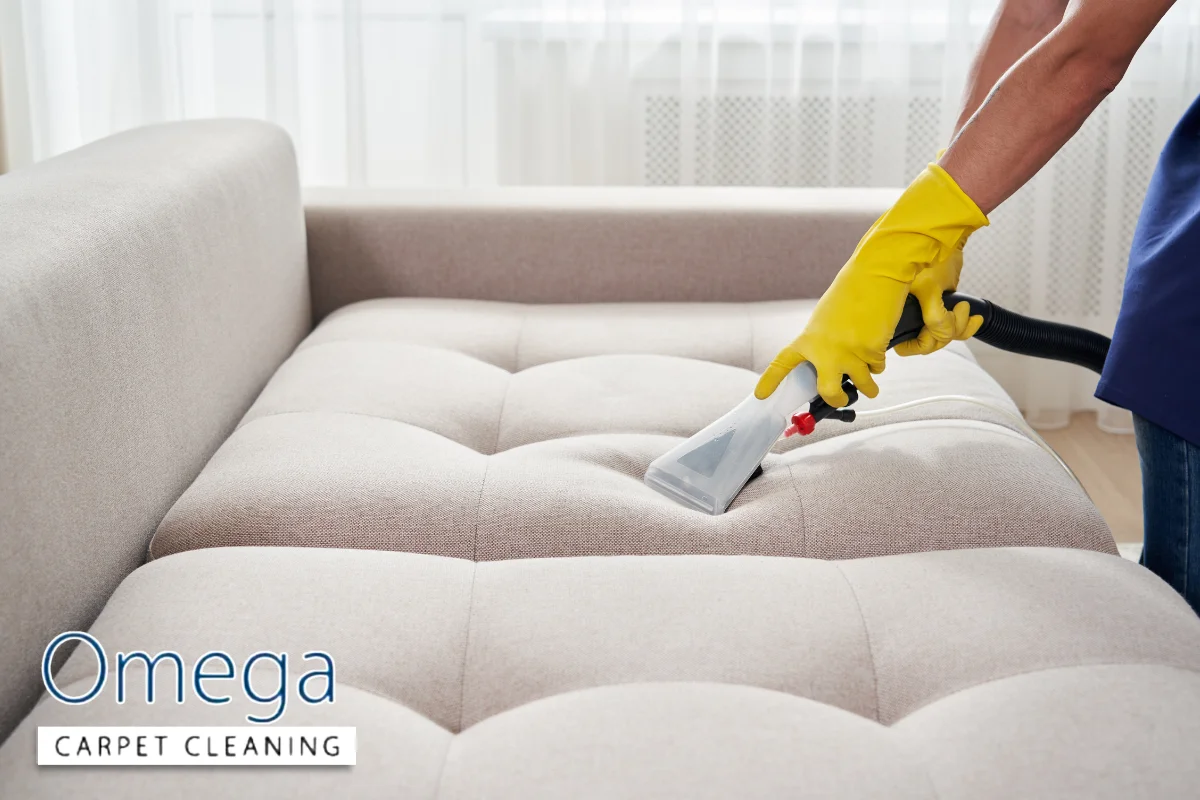
Once the visible chocolate mark is gone, residue can linger below the surface. Oils, sugar traces, and bacteria may remain embedded in the fibres, contributing to gradual discolouration and unpleasant odours over time. This is where a deeper clean makes a measurable difference.
Professional upholstery cleaners use hot-water extraction to remove embedded stains, deeply accumulated dust mites, allergens, and organic contaminants from fabrics. It is suitable for W and WS coded fabrics but should never be used on S or X materials.
Consumer-grade upholstery washer machines are available for hire and can help with suitable fabrics, but users should follow instructions carefully and avoid overwetting. Too much moisture left inside a cushion creates a breeding ground for mould and mildew, especially in Melbourne where cool winters and humid summer days slow indoor drying times considerably.
To speed drying after any wet cleaning method:
- Open windows for cross-ventilation when weather permits.
- Position a fan to blow air across the damp surfaces.
- Use a dehumidifier in enclosed rooms during Melbourne’s wetter months.
- Avoid pointing a heater directly at the fabric, which can cause shrinkage or backing damage.
Upholstery cleaning helps remove allergens and dust mites that accumulate in couch fibres alongside food residues and general soil. Finishing with a light dusting of baking soda, left to sit for thirty minutes and then removed with a vacuum cleaner, neutralises lingering odours and leaves upholsteries smelling fresh. Overall, regular upholstery cleaning can restore fabric appearance and freshness, extending the life of your furniture.
Preventing Future Chocolate Stains and Everyday Couch Spills
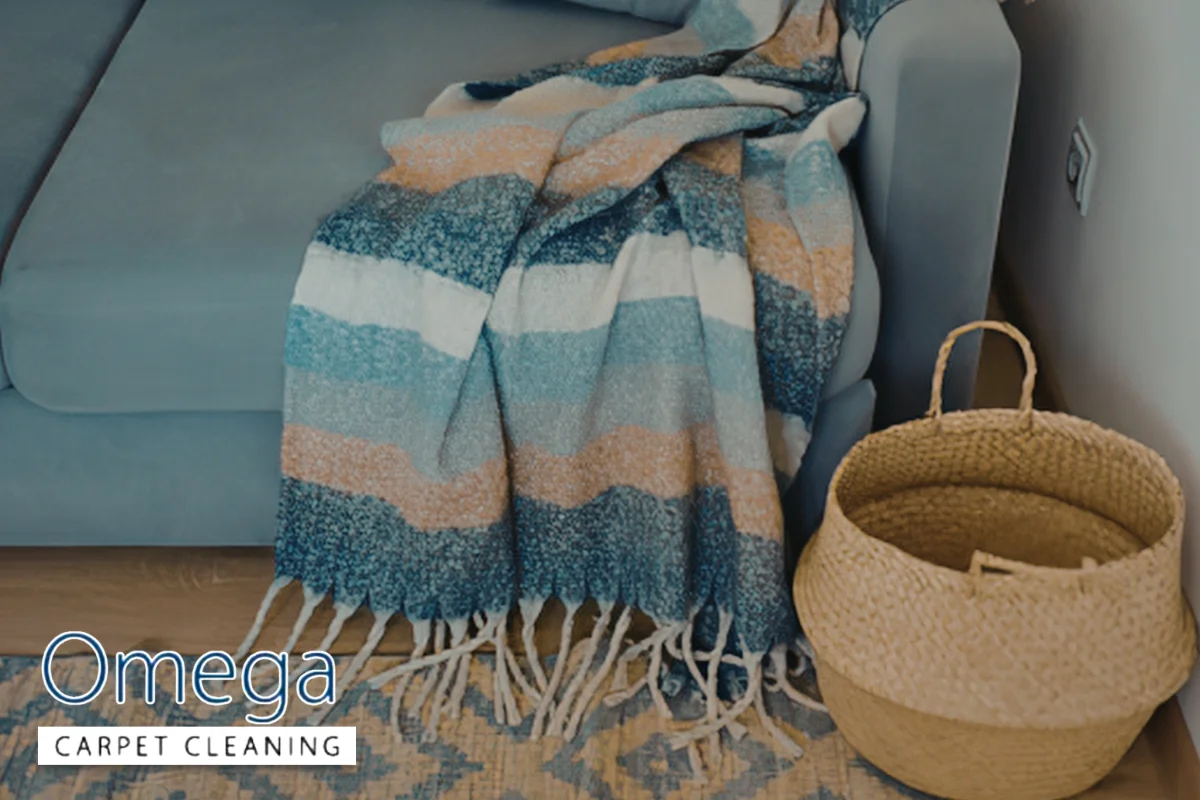
Prevention is always cheaper and less stressful than repeated stain removal or premature replacement of fabric couches. A few simple habits make a significant difference.
Fabric protection treatments applied after cleaning create a barrier that slows absorption of liquid and oil-based spills. These products are available in spray form and should be approved for use on your specific upholstery type. They will not make a couch stain-proof, but they buy you valuable seconds to grab a cloth and blot before chocolate soaks in.
Practical routines that reduce risk:
- Use washable throws or slipcovers on the sofa when children are eating snacks or sitting with messy foods.
- Keep a clean cloth or roll of paper towels within reach of the lounge area for immediate wiping of small spills.
- Avoid eating chocolate-heavy desserts on very light or delicate couches altogether.
- Vacuum upholstery weekly with a suitable attachment to remove crumbs, dirt, and dust mites. Particles left in the weave mix with moisture and create dark marks over time.
Schedule periodic professional couch cleaning alongside carpet cleaning, especially in busy Melbourne households with children or pets. Most furniture manufacturers recommend a deep clean every twelve to twenty-four months, depending on usage.
When to Call a Professional Upholstery Cleaner in Melbourne, VIC
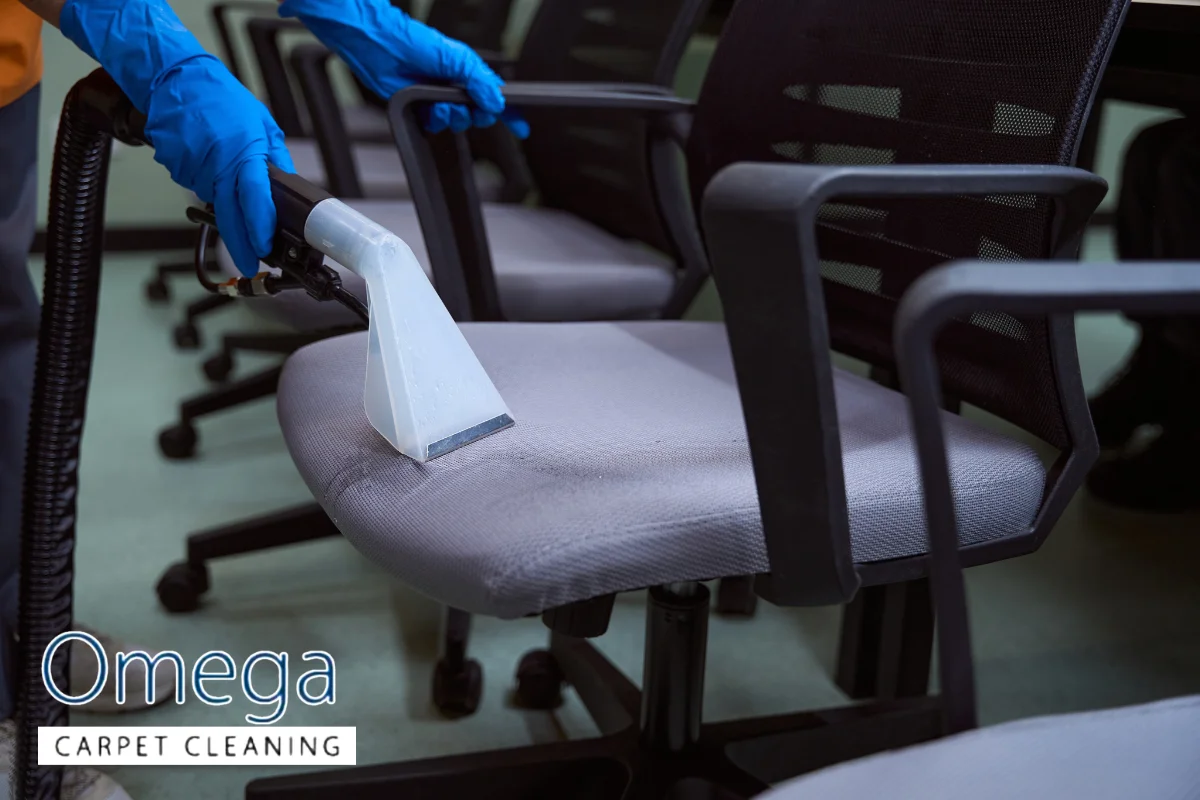
DIY methods have real limits. Incorrect home treatments can set stains permanently, cause colour loss, or even void the manufacturer warranty on expensive furniture. Knowing when to step back and call in professional help saves money in the long run.
Signs it is time to book a cleaning service:
- The chocolate spill has spread under cushions or into the frame padding.
- A lingering odour persists despite surface cleaning.
- Colour bleeding or watermarks have appeared after a home attempt.
- The couch carries an S or X cleaning code and you are unsure how to proceed.
- Multiple stubborn stains across the sofa need attention at once.
Fully trained technicians bring specialised stain removal solutions, fibre-safe equipment, and detailed knowledge of Australian safety standards to every job. Trained technicians use safe chemicals for upholstery cleaning, including eco-friendly options that are gentle on both fabric and the people living in the home. Eco-friendly upholstery cleaning options are available in Melbourne for clients who prioritise non-toxic products around children and pets.
Professional upholstery cleaning can take three to five hours depending on the size of the piece, the severity of staining, and drying requirements. Reputable services will offer a clear quote after a pre-inspection, explain their process in detail, and confirm that their products are child- and pet-safe.
This type of service is particularly useful for rental properties, strata-managed apartments, and homes preparing for sale in Melbourne’s competitive property market. Many local services in Melbourne specialize in chocolate stain removal for upholstery, so finding a reliable provider is straightforward.
Upholstery Cleaning in Melbourne, VIC – Omega Carpet Cleaning
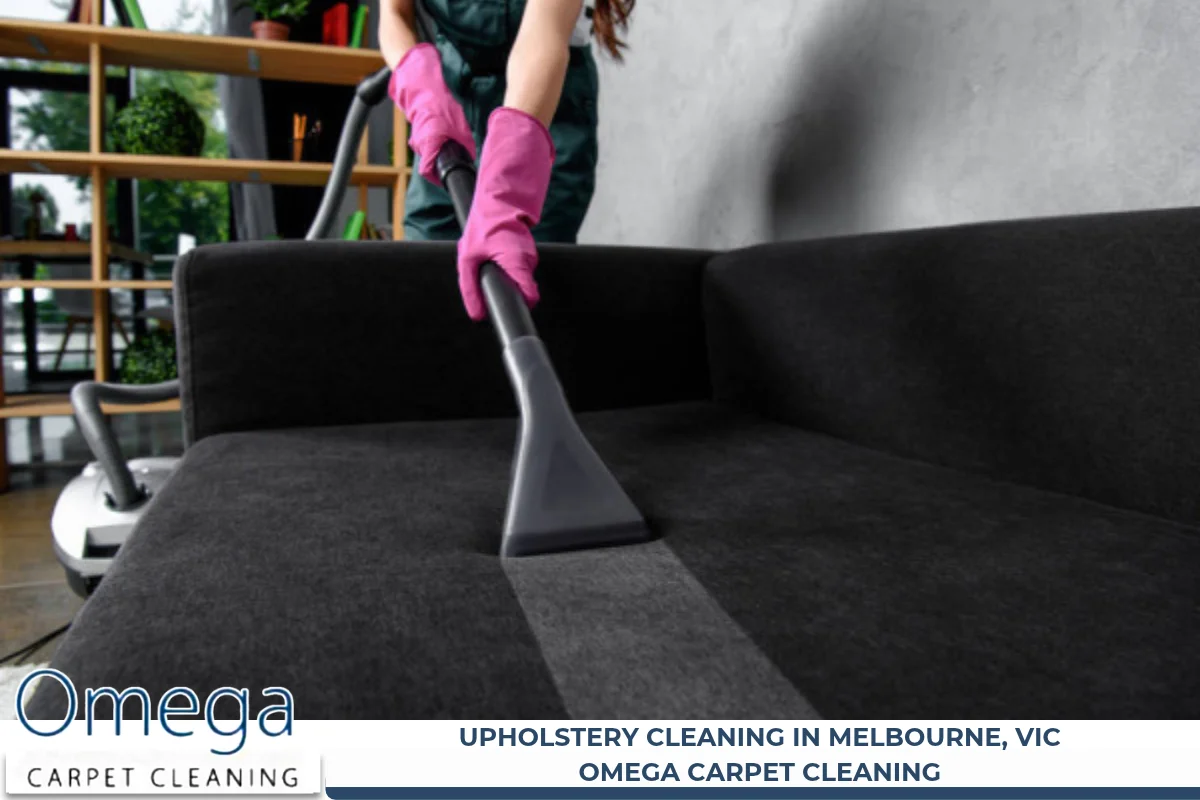
We are Omega Carpet Cleaning, proudly based in Melbourne, Victoria, and servicing surrounding suburbs with expert upholstery cleaning and couch stain removal. Our friendly team of technicians is fully trained in handling everything from fresh chocolate spills to deeply set marks on all types of furniture, including sofas, chairs, mattress surfaces, and rugs. We use professional-grade equipment for both upholstery and carpet cleaning, delivering efficient results that restore your fabric to its best condition. Whether you need a single cushion treated or a full lounge refreshed, we provide polite, reliable service at an affordable price. Call us on 0406 996 819 or fill out our online contact form for a fast, obligation-free quote. We are ready to help Melbourne homes look and feel clean again.
Frequently Asked Questions
Can chocolate stains reappear on a couch after cleaning?
Yes, this is a common issue known as wicking. When chocolate residue remains deep in the cushion padding, moisture from cleaning can draw it back to the surface as the fabric dries. This is more likely if the initial treatment did not fully rinse the area or if the couch was oversaturated during cleaning. To reduce the risk, use minimal liquid during treatment, blot thoroughly after each application, and ensure the cushion dries completely with good airflow. If a shadow reappears after drying, repeat the cleaning process with a fresh solution and consider a professional extraction to remove residue trapped below the surface.
How often should couches be professionally cleaned in busy Melbourne homes?
For households with young children or pets, professional couch cleaning every twelve months is a sensible benchmark. Homes with lighter use can stretch to every two or three years. Melbourne’s climate adds a layer of complexity because higher humidity in summer and damp winters can accelerate the buildup of moisture, odours, and allergens inside upholstery padding. Regular professional sessions help manage this accumulation and extend the lifespan of your furniture. Between professional visits, routine vacuuming and prompt treatment of spills keep surfaces in good condition and reduce the workload when a technician arrives for a deep clean.
How do you treat chocolate stains on leather or faux leather couches?
Leather and faux leather respond differently to chocolate than woven fabrics. Scrape off any solid chocolate with a spoon or soft plastic spatula, taking care not to scratch the surface. Wipe the area with a cloth dampened in lukewarm water mixed with a tiny amount of mild soap. Avoid soaking the leather, as excessive moisture can cause cracking or discolouration over time. Dry the spot with a soft cloth immediately after wiping. For finished (pigmented) genuine leather, follow up with a quality leather conditioner to restore suppleness. Always check whether your leather is finished or unfinished (such as aniline or suede) before applying any conditioner.
Is it safe to wash removable couch cushion covers in a washing machine?
Some removable covers are machine washable, but this depends entirely on the fabric and the care tag instructions. Check for a wash symbol and temperature guidance before placing any cover in the machine. Use a gentle cycle with cold water and a mild detergent to minimise the risk of shrinkage or colour fading. Avoid tumble drying, as high heat can distort the shape and damage elastic or zip closures. Reshape the cover while damp and let it air dry flat or over a clean surface. If the tag says dry clean only, a machine wash could ruin the fit permanently and potentially void any furniture warranty.
Are DIY fabric protector sprays worth using on couches?
Fabric protector sprays can provide a useful first line of defence against spills and everyday dirt. They work by coating individual fibres with a thin barrier that repels liquid and oil, giving you extra time to blot a spill before it absorbs. However, they are not a permanent solution. Protection diminishes with regular use and friction from sitting, so reapplication every few months is necessary. Always choose a product suitable for your specific fabric type and follow the application instructions carefully. A patch test on a hidden area is essential before treating the entire couch, as some protectors can alter the texture or sheen of certain materials.
Disclaimer
Disclaimer: This article provides general guidance for informational purposes only and does not replace professional advice or manufacturer care instructions. Always patch-test products on a hidden area and follow relevant safety directions and local regulations before cleaning upholstery at home.
Read Why Are Carpet Fibres Breaking Near Doorways? | Commercial Carpet Cleaning in Melbourne, VIC