
Why Carpet Near Doorways Discolours So Quickly

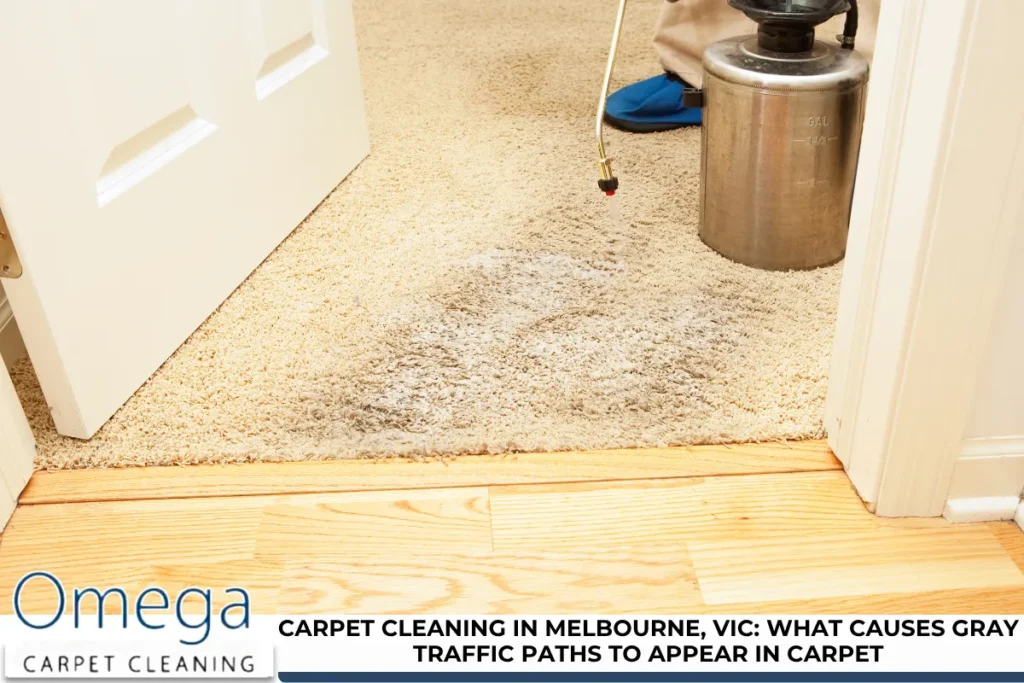
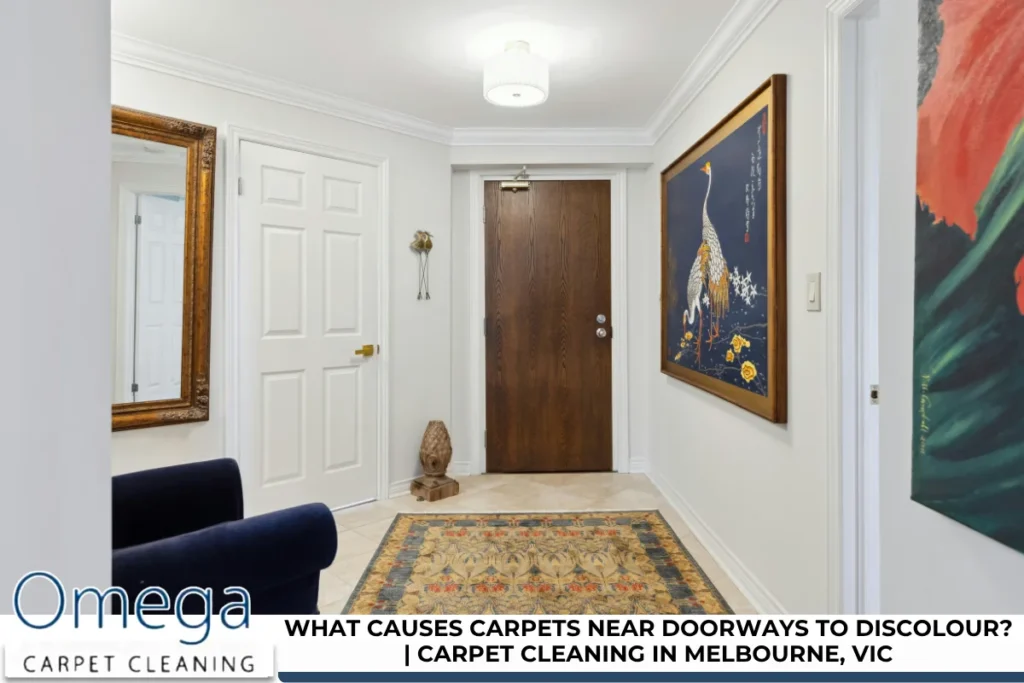
Carpet cleaning requests almost always start with the same complaint: dark patches and grey paths near doorways that no amount of household scrubbing seems to fix. Those discoloured strips are not random. They form because doorway areas sit at the intersection of three forces that attack carpet fibres at once.
Carpet discoloration near doorways is caused by soil accumulation from foot traffic, airborne contaminants filtering through gaps, and moisture carried in from outside. Tracked-in dry soil is a major cause of discolouration; each step pushes grit, dust and organic matter deeper into the pile. Oily residues from cooking and body contact make the surface sticky, bonding particles to fibres so they resist removal.
In Melbourne, VIC, the combination of wet winters, variable humidity and indoor heating accelerates this process. Rain-soaked shoes deposit minerals. Gas heaters and sealed windows push soot-laden air through carpet edges. Outdoor pollution from traffic and wood fires adds another layer of fine particles.
The sections below separate what can be cleaned from what is permanent, so you can judge what your doorway carpet actually needs.
Key Takeaways
- Doorway discolouration usually results from filtration soiling, foot traffic grinding in grit, and embedded dirt that regular vacuuming cannot reach.
- Some dark lines and grey patches respond well to professional carpet steam cleaning, but heavy carpet wear or colour loss from UV exposure is permanent.
- Prevention depends on entrance mats, better airflow management, regular vacuuming, and prompt treatment of a few stains before they set.
- Melbourne, VIC homes and offices benefit from periodic professional cleaning service every 12 to 18 months to keep carpets closer to their former glory.
- Knowing the difference between removable soil and permanent fibre damage helps set realistic expectations before booking any work.
Filtration Soiling: The Hidden Culprit Behind Dark Doorway Lines
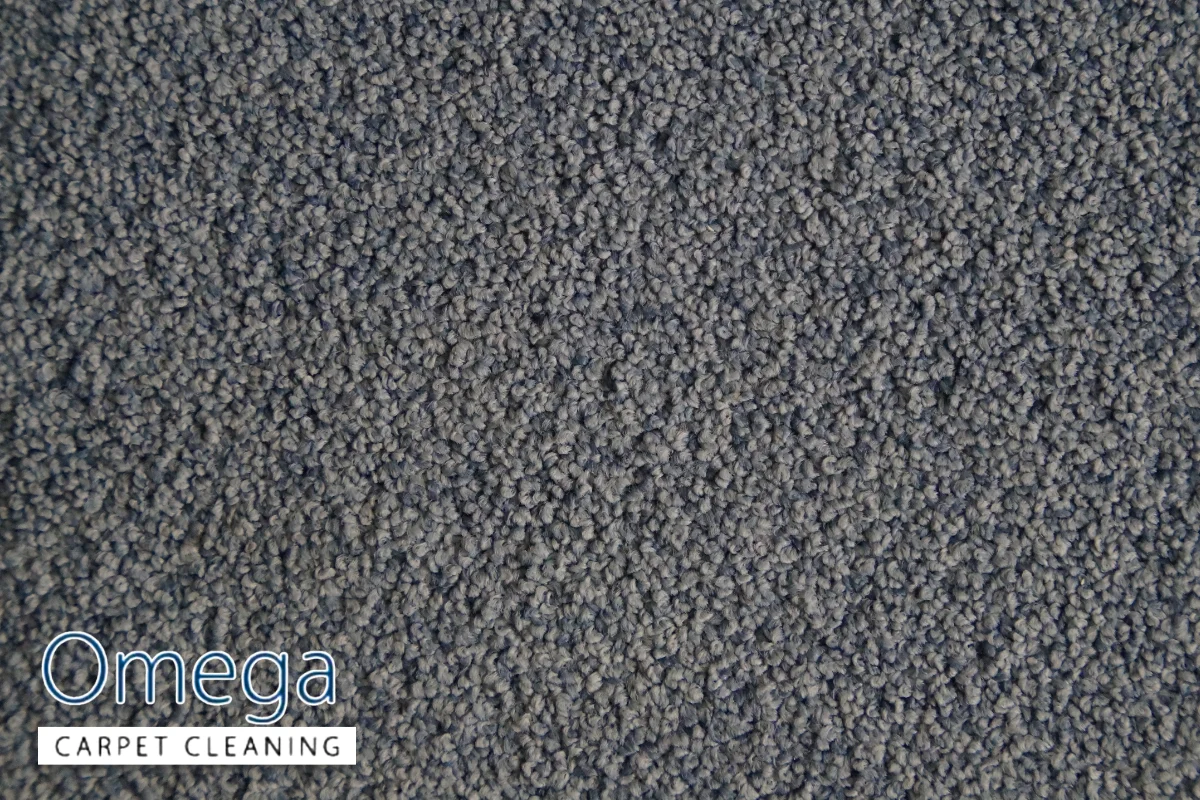
Filtration soiling is the technical name for the dark lines that appear under doors, along skirting boards, and at wall-to-carpet junctions. It looks alarming, but the mechanism behind it is straightforward.
Pressure differences between rooms force air through small gaps under doors, between walls and floor, and around door frames. That moving air carries fine particles: smoke residue, cooking vapours, candle soot, traffic emissions, and dust from heating and cooling systems. As the air passes through the carpet pile, the fibres act like a filter, trapping those particles near the base of the yarn.
Visual clues that point to filtration soiling rather than ordinary dirt:
- Sharp dark lines running parallel to a closed door’s bottom edge
- Grey smudges following the wall line near skirting boards
- Darker carpet on the side where a door swings shut, compared to open walkway areas
- Lines that appear even in rooms with low foot traffic
These particles are far smaller than normal household dust. They also carry an electrostatic charge that makes them cling to carpet fibres. That is why regular vacuuming struggles to pull them free; a standard vacuum removes loose surface soil but cannot dislodge particles bonded to the fibre at a molecular level. Filtration soiling creates dark lines along walls and under doors that need targeted professional treatment to improve.
High Traffic Wear and Abrasion in Doorway Areas
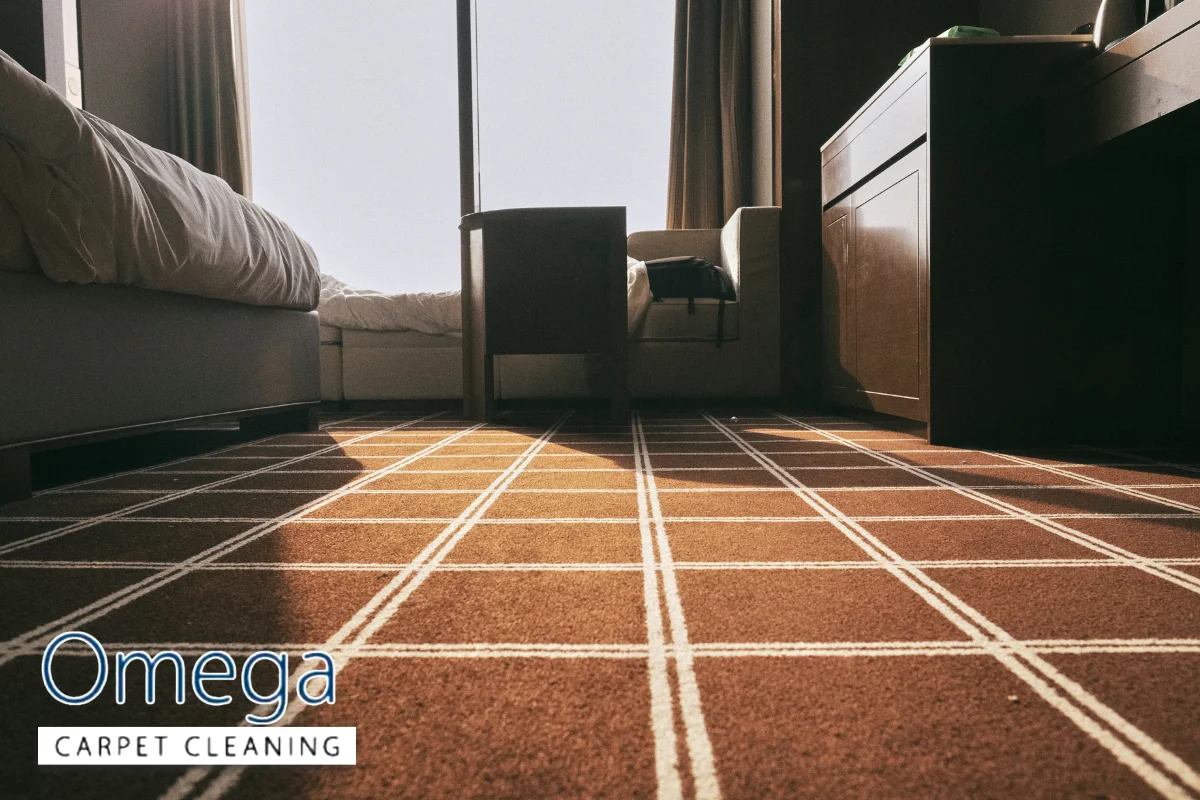
Doorways funnel every person in a household through the same narrow strip of carpet, sometimes dozens of times a day. That concentration of foot traffic is why doorway pile wears out faster than any other part of a room.
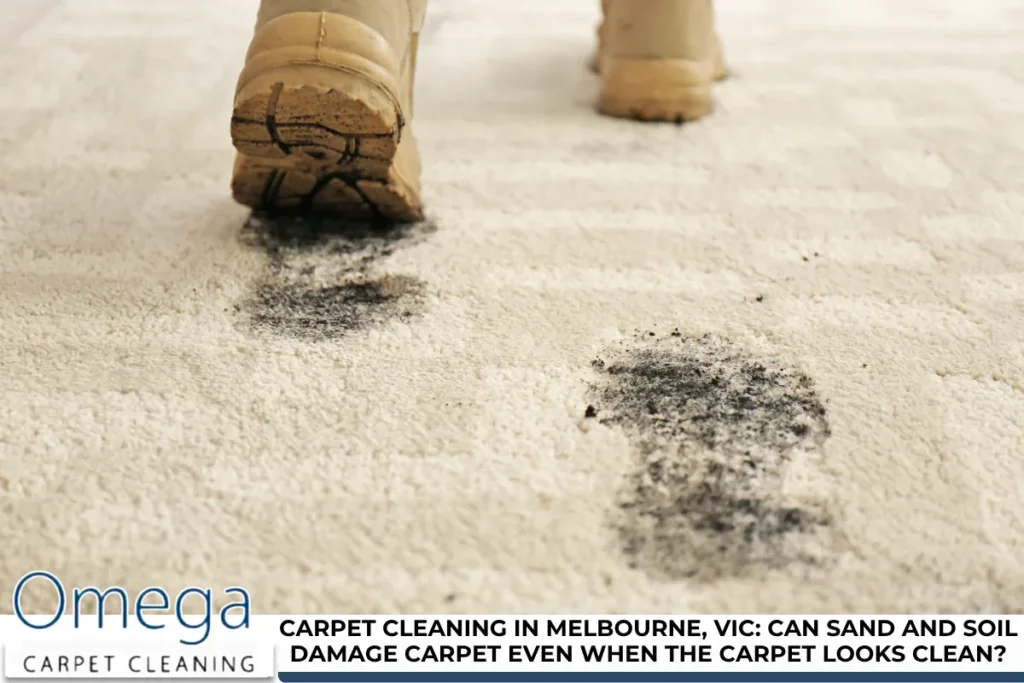
Heavy foot traffic grinds outdoor dirt and natural oils deep into carpets. Abrasive grit damages carpet fibres, leading to grey paths that stay visible even after thorough cleaning. Each step pushes sand and grit particles against the yarn like fine sandpaper, scratching the fibre surface, breaking down twist, and roughening the outer layer. Once the surface of a nylon or polyester fibre is scratched, it reflects light differently. A clean, smooth fibre bounces light evenly; a scratched one scatters it, producing a dull, grey appearance.
Common signs of traffic-lane wear versus soil:
- Pile height is visibly lower in the centre of the doorway than at the edges
- Fibres feel stiff, rough, or matted underfoot
- The grey “lane” remains even after a deep clean
The distinction matters. Removable soil can be extracted by a skilled carpet cleaner. Permanent carpet wear means the fibres have physically changed shape and texture; no cleaning process can restore twist that has been ground away. Cheaper or low-density carpets installed at entry points in Melbourne rentals tend to show this kind of wear within two to three years, while higher-density options with tighter twist last longer before reaching the same stage.
Moisture, Spills and Oils: How Everyday Life Stains Doorway Carpets
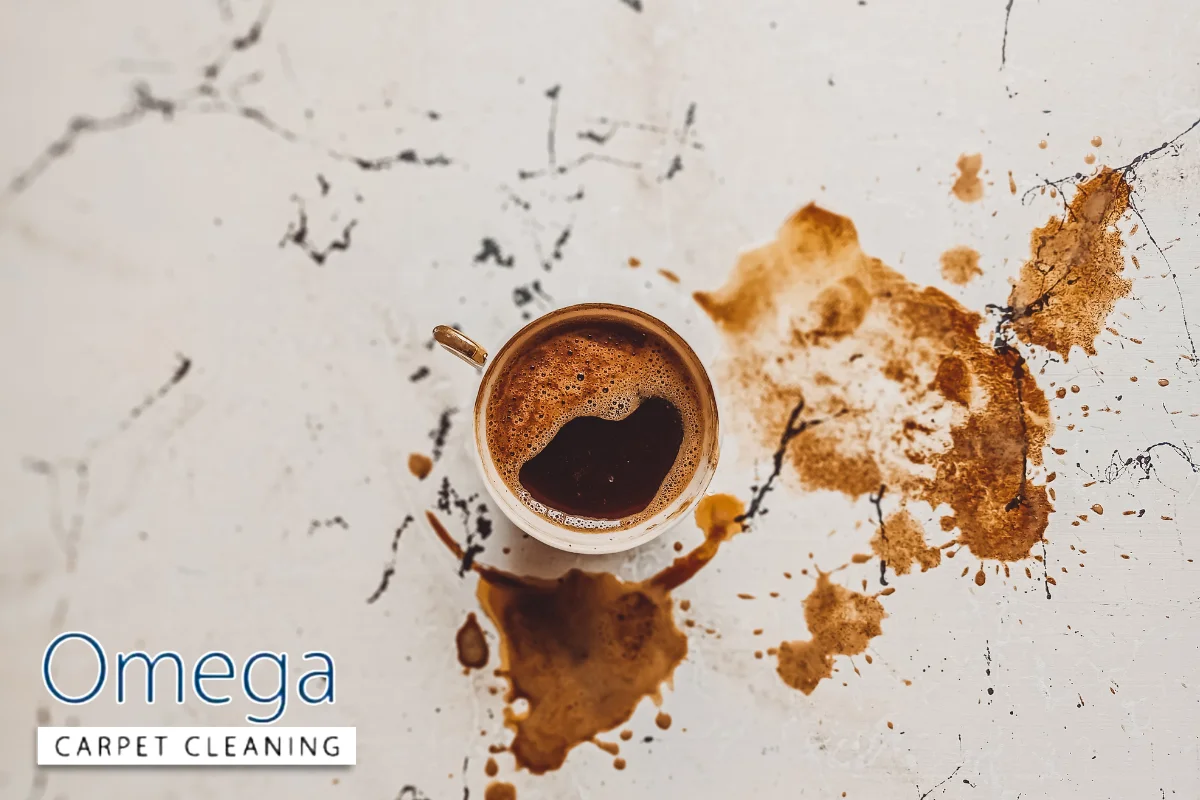
Entrances collect moisture, food residues and body oils because they sit between the controlled indoor environment and the unpredictable outdoors.
Moisture from outdoor weather contributes to indoor soil accumulation. Damp shoes and dripping umbrellas at doors soak the pile and underlay. As the carpet dries, dissolved minerals and soil travel upward through capillary action, a process called wicking. The result is patchy browning or rust-coloured marks at thresholds. In Melbourne’s wetter months, repeated wetting without thorough drying can lead to staining and mould growth in the backing and underlay.
Natural skin oils and fatty acids attract dirt when deposited onto carpet fibres. Every time someone touches a door frame, leans against a wall, or walks barefoot across a threshold, they leave behind a thin film. Pets rubbing past doorways add their own oils. Kitchen vapours drift towards cooler hallways, depositing a greasy layer on nearby carpet. Oily residues from skin and cooking attract dust to carpets, creating a cycle where sticky fibres pull in more soil with every passing day.
A few stains around a doorway can quickly turn into larger dark patches because the oily film extends beyond the original spill, bonding particles across a wider area. Oil-based marks respond best to targeted pre-treatment by a professional carpet cleaner using degreasers matched to the carpet type before hot water extraction removes the loosened soil.
What Discoloured Doorway Carpet Actually Looks Like
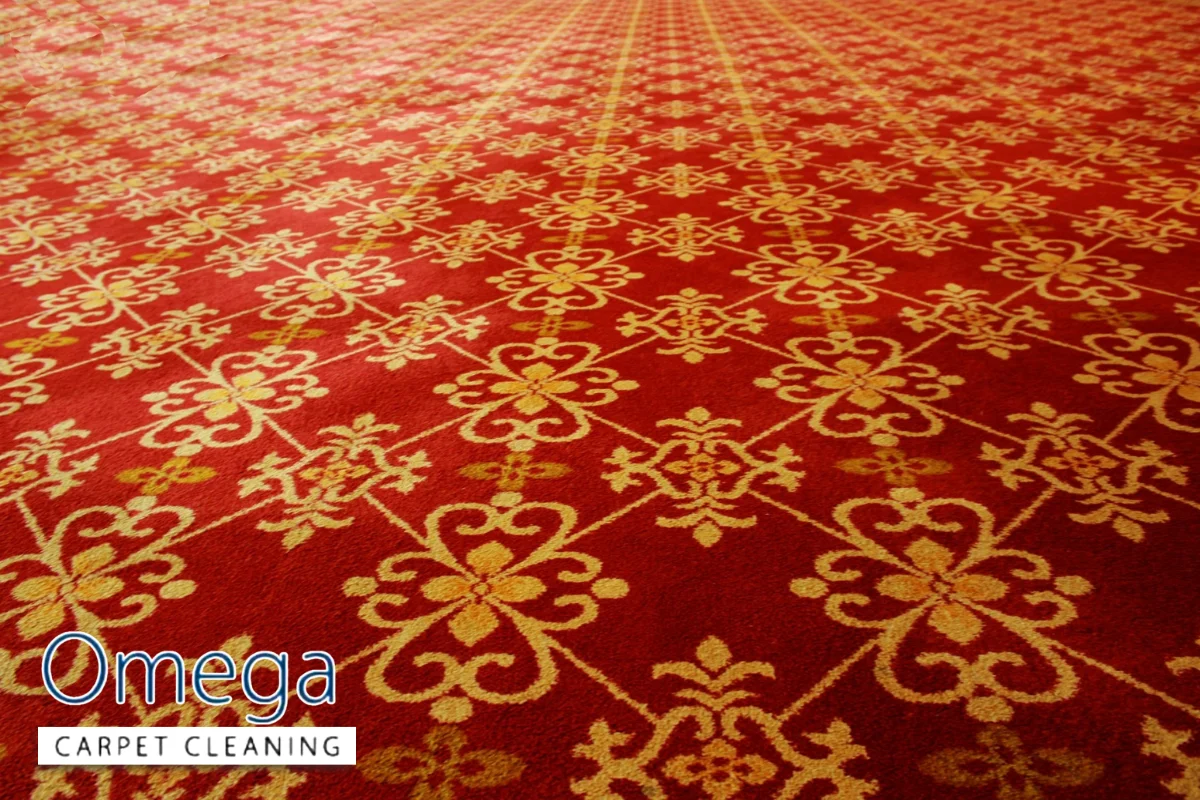
Recognising the type of discolouration helps determine whether cleaning, repair or carpet replacement is the right response.
- Dark lines at the threshold, under closed doors, and along skirting boards. These are often mistaken for mould or gaps in underlay but are almost always filtration soiling; fine particles trapped in the pile base.
- Grey shadowing that follows the natural walk path into a room. The centre strip looks dull and matted while carpet at the edges of the whole room stays noticeably lighter and fluffier.
- Patchy colour variation where spills have lightened or darkened the visible surface in contrast to surrounding traffic soils.
- Yellowing or brown tide marks near thresholds where moisture has wicked minerals upward from the underlay.
If you part the carpet fibres and look at the base of the pile, heavy filtration soiling appears as a dark band close to the backing. Traffic wear shows as frayed, shortened, or twisted-out fibres. Staining from spills tends to sit on the upper portion of the yarn. Each pattern points to a different cause and a different solution.
Can Carpet Near Doorways Be Restored, or Is the Damage Permanent?
Some doorway discolouration is soil sitting in the pile, waiting to be removed. Other changes are permanent alterations to the fibre itself.
Professional cleaning can remove many stains and odors. Filtration soiling that has not been left for years, fresh spills that have not oxidised, and embedded dirt that has not yet abraded the pile surface all respond well to proper extraction and chemistry. A test patch clean in a small doorway section, using pre-treatment and controlled extraction, can reveal how much improvement is realistic before committing to a full carpet washing service.
What is normally permanent:
- Colour loss from bleach contact or repeated use of harsh cleaning products
- UV light exposure can cause fading in carpet fibers over time, and this is especially common near glass doors and balcony entries where direct sunlight hits the pile daily
- Melted or heat-damaged fibres from dropped items or friction burns
- Heavy abrasion where pile twist is gone and fibres have shortened
In some Melbourne homes, replacing a doorway strip or threshold transition piece is more cost-effective than booking multiple intensive cleans on carpet that has passed its serviceable life. A professional service can advise on that balance before any work begins.
Read Why Is Carpet Under Furniture Brighter Than Exposed Carpet? | Carpet Cleaning in Melbourne, VIC
DIY Cleaning: What Helps and What Can Make Discolouration Worse
Many Melbourne homeowners try DIY methods before calling a professional. Some approaches help; others lock the damage in place.
Start with gentle vacuuming using edge tools along skirting boards and thresholds to remove loose soil before applying any liquid. Frequent vacuuming can prevent dirt from settling deep into carpet fibers, but it works best as a maintenance habit rather than a rescue measure for heavy soiling.
Avoid these common mistakes:
- Aggressive scrubbing with stiff brushes. This fuzzes the fibre surface, making dark areas look more obvious and accelerating carpet wear.
- Over wetting doorway edges with rental machines. Excess water soaks into underlay and nearby timber trims, causing slow drying time, browning, and potential damage to floor boards. Carpets typically take 4 to 8 hours to dry after cleaning with professional equipment; rental machines with weaker extraction leave moisture behind for much longer.
- Cleaning products that leave residues can attract dirt back to the carpet quickly. Household degreasers, bleach and high-pH solutions may strip colour or deposit a sticky film that accelerates re-soiling.
If a stain is large, old, or sitting close to metal thresholds, plaster or timber, a professional assessment avoids turning a treatable mark into permanent damage.
Professional Carpet Steam Cleaning for Doorway Discolouration
Professional carpet cleaning using hot water extraction, commonly called steam cleaning, is the most effective method for treating embedded dirt and filtration soiling near entrances. Professional hot-water extraction cleans carpets effectively because it combines controlled heat, pressure, surfactants and immediate vacuum extraction in a single pass.
The typical cleaning process for doorway work:
- Pre-inspection to identify soil types, carpet type, fibre composition and any moisture or wicking issues
- Dry soil removal with a commercial vacuum to clear loose dust and grit
- Targeted pre-spray on dark lines, traffic lanes and oily patches, using degreasers matched to the fibre (wool requires lower pH than nylon, for example)
- Mechanical agitation in threshold areas to loosen bonded particles
- Controlled hot water extraction with immediate suction to remove solution, soil and moisture
- Careful edging work along skirting boards and door frames
- Thorough drying using air movers or low-moisture techniques to limit mould risk
Highly trained technicians match cleaning chemistry to fibre type. A solution-dyed polyester responds differently to a wool blend, and using the wrong pH can strip colour or cause browning. Professional cleaning methods comply with Australian Standards, specifically AS/NZS 3733:2018, which defines acceptable equipment, chemical compatibility, moisture limits and drying protocols. Working within these guidelines also helps maintain manufacturer warranties on most carpets.
Preventing Dark Doorway Lines and Grey Traffic Paths
Prevention costs less time and money than reversing heavy discolouration. A few targeted habits make a measurable difference.
- High-quality entrance mats trap dirt and moisture before reaching carpets. Place mats both outside and inside exterior doors. Use door mats in high traffic areas including internal thresholds between rooms. Entrance mats should be cleaned regularly to remain effective; a dirty mat just redistributes soil.
- Establishing a no-shoes policy reduces dirt and chemical residue on carpets. Soft-soled indoor footwear is a practical alternative in busy households.
- Regular vacuuming prevents dirt from embedding in carpet fibers. Focus on doorways, edges and hallways at least weekly; in homes with pets or children, vacuum these busy areas two to three times per week.
- Seal obvious gaps under doors where air is drawn through carpet edges. Adjust door undercuts where practical and maintain clean filters in heating and cooling systems to reduce airborne fine particles settling into carpet.
- Control sunlight near glass doors with blinds, curtains or UV-blocking window film to slow fading.
- Rotate area rugs seasonally to distribute foot traffic across different sections of carpet, reducing concentrated wear at fixed walking paths.
Creating a Practical Cleaning and Maintenance Schedule

A schedule prevents the slow build-up that turns manageable soil into permanent-looking discolouration.
For typical Melbourne homes:
Area | Vacuuming frequency | Professional deep clean |
|---|---|---|
Entrances, hallways, doorway thresholds | 2 to 3 times per week | Every 12 to 18 months |
Living rooms, bedrooms | Weekly | Every 12 to 18 months |
Homes with pets, children, or allergies | 2 to 3 times per week throughout | Every 6 to 12 months |
Retail or office entry carpet | Daily or every second day | Every 3 to 6 months |
Vacuum carpets at least once every fortnight as an absolute minimum, even in low-use rooms. Deep clean carpets every 12 to 18 months for longevity. High traffic areas may need cleaning every 3 to 6 months to manage visible traffic lanes and maintain appearance for clients or visitors.
Spot treatment of new spills around doors should happen as soon as possible. Blot liquids with a white cloth, avoid rubbing, and use a neutral-pH spotter. Inadequate maintenance accelerates the formation of grey traffic lanes that eventually become permanent.
For lease carpet, document every professional clean with receipts and before-and-after notes. Lease cleaning at each vacate, plus interim cleans for long-term tenancies, protects both tenant and landlord.
Health and Indoor Air Quality Around Discoloured Doorways
Discoloured carpet near doorways holds higher concentrations of fine particles, combustion residues and biological allergens than cleaner sections of the same room. Deep extraction reduces allergens and dust mites in carpets, which matters for households with asthma, hay fever, or young children who spend time on floors.
Filtration soiling traps particles small enough to become airborne again when disturbed by foot traffic or furniture movement. Regular vacuuming with a HEPA-filtered machine and timely professional cleans reduce this reservoir.
Warning signs that go beyond standard cleaning:
- Musty odours near thresholds, especially after rain
- Recurring dampness or visible mould growth on carpet or underlay
- Persistent respiratory irritation in rooms with heavy doorway soiling
If you suspect contamination from smoke events, water damage or persistent leaks, seek a professional assessment. Standard carpet cleaning jobs may not address mould in underlay or structural moisture, and those issues require different interventions.
When to Repair, Replace or Call in a Carpet Specialist
At some point, doorway discolouration stops being a cleaning problem and becomes a replacement decision.
Signs that cleaning is still worthwhile:
- Good pile height with visible twist remaining in the yarn
- No fraying or splitting at threshold seams
- Darkening that is mainly soil-based rather than fibre damage
- A noticeable difference appears after a test clean on a small patch
Signs that repair or carpet replacement makes more sense:
- Frayed or split seams at door transitions
- Exposed backing visible through worn pile
- Recurring wicking from old spills that return after every clean
- Colour has faded unevenly near glass doors or windows
- New carpet in the rest of the room makes the doorway strip look conspicuously dirty even when clean
In Melbourne homes, it is common to replace just the most worn doorway or hallway section if the rest of the carpet is still in good shape. A carpet specialist can patch in matching carpet or install a hard-wearing transition strip. Get a professional assessment before committing to either full replacement or repeated intensive cleans, so the cost, appearance and remaining carpet life all line up with realistic expectations.
Carpet Cleaning in Melbourne, VIC – Omega Carpet Cleaning

We are Omega Carpet Cleaning, and we specialise in treating dark doorway lines, filtration soiling and traffic lanes across Melbourne, Victoria and surrounding areas. Our team delivers professional carpet cleaning using hot water extraction and targeted pre-treatment methods designed to lift embedded dirt from doorway edges, skirting boards and hallway paths.
We provide honest assessments before every job. If discolouration is soil-based, we explain what our cleaning process can achieve. If the damage is permanent carpet wear or fading, we tell you upfront so you can make an informed decision. Every client receives a free quote with no obligation, great communication throughout, and prompt service on short notice when needed.
Whether you need end-of-lease carpet work, rug cleaning, upholstery freshening for a lounge suite, or extra attention on stubborn doorway stains, we bring the right equipment and expertise.
Call us on 0406 996 819 or fill out our online contact form to discuss your discoloured doorways and book a tailored cleaning service. We have built our reputation on doing a fantastic job and delivering great service that makes a real difference to your floors and furniture.
Frequently Asked Questions
How do I know if the dark line at my doorway is dirt or permanent damage?
Dampen a white cloth with a small amount of warm water and a drop of mild dish soap. Gently blot a small, inconspicuous section of the dark line. If brown or grey soil transfers onto the cloth, the discolouration is at least partly removable soil. Next, part the carpet fibres and inspect the yarn. If fibres look frayed, feel rough, or appear lighter when you separate them, physical wear or colour fading is involved. A professional carpet cleaner can run a targeted spot treatment with a degreasing pre-spray and brief extraction on a test patch, which gives a clearer reading of how much improvement a full clean can deliver. This test takes only a few minutes and avoids committing to a whole room clean on carpet that may not respond.
Will doorway discolouration always return after professional cleaning?
Recurrence depends on habits, airflow and maintenance rather than the quality of the cleaning job itself. If gaps under doors remain unsealed, mats are absent or dirty, and heavy traffic continues on the same path without regular vacuuming, soil will gradually rebuild in the same spots. Good prevention measures such as quality mats, weekly vacuuming of busy areas, and sealing obvious air gaps can slow re-soiling to the point where annual or 18-month professional cleans keep the carpet looking even. Permanent wear will still show as dullness even when all soil has been removed, because the fibre surface itself has changed. The carpet will look more uniform and hygienic, but it will not match the appearance of unworn sections in different directions of light.
Is it safe to use household stain removers on doorway carpet?
Some supermarket spotters are safe when used exactly as directed, but many are too harsh for repeated use on one concentrated doorway area. Avoid anything containing chlorine bleach or strong solvents on patterned or coloured carpets; these can strip dye and create a lighter patch that stands out more than the original stain. Test any product on an inconspicuous patch first, wait 10 minutes, and check for colour change. Repeated use of high-alkaline cleaners can cause progressive colour loss or leave residues that attract more soil. If the stain is large, old, or positioned close to timber trims, plaster or metal thresholds, contact a professional. The risk of spreading the mark or damaging adjacent surfaces outweighs the cost of an expert spot treatment.
How often should rental properties in Melbourne clean carpets near entrances?
Rental property entrances and hallways take more punishment than owner-occupied homes because tenancy turnover brings different cleaning habits and furniture layouts. If specified in your lease conditions—such as to rectify soiling beyond fair wear and tear, or due to approved pets—book professional carpet steam cleaning as part of your vacate obligations under Victorian residential tenancy guidelines. For long-term tenancies, an interim clean every 12 to 18 months controls build-up and protects the landlord’s asset. Shared building entries or lift lobbies with constant foot traffic may need attention every three to six months. Keep receipts and job reports for every professional clean. This documentation helps both tenants and property owners demonstrate reasonable care of the flooring and can prevent disputes over bond deductions related to carpet condition at the end of a tenancy.
Can I fully remove soot or smoke marks from carpet at doorways?
Light soot or smoke residues around internal doors, such as those caused by candles, gas heater exhaust or cooking vapours, can often be improved with specialist degreasing agents and thorough extraction. A professional carpet cleaner will pre-treat the affected area with a solvent-based or alkaline degreaser matched to the fibre, agitate gently, then extract with hot water. Results vary depending on how long the residue has been in place and whether it has oxidised. Heavy smoke damage from a nearby fire or electrical incident may leave permanent staining or persistent odour even after multiple treatments. In those cases, safety and odour control are the priorities; an amazing job on the visible surface does not always resolve contamination trapped in underlay or backing. Replacement may be the safest option when smoke exposure has been severe or prolonged.
Disclaimer: This article offers general information about carpet discolouration in Melbourne, VIC and is not a substitute for on-site professional inspection or product-specific manufacturer advice.
Read Carpet Cleaning in Melbourne, VIC: What Causes Gray Traffic Paths to Appear in Carpet