
Why hidden mould under carpets is a bigger problem than you think
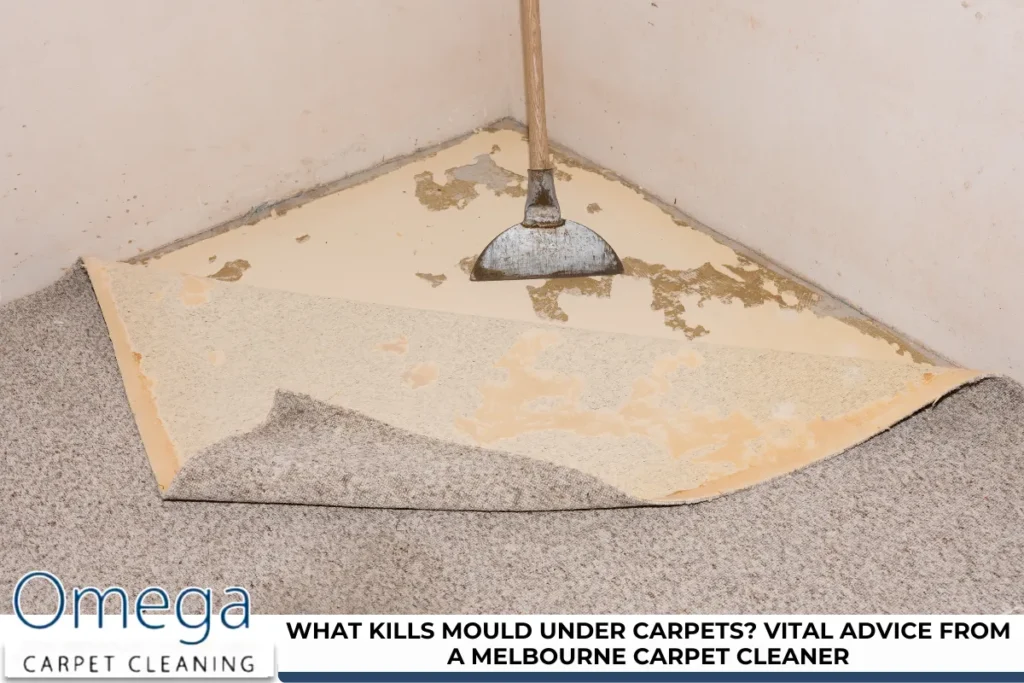
Carpet cleaner advice is often overlooked until a musty smell or visible damage appears, but mould under carpets can quietly affect your home and health long before that. Many homeowners face hidden moisture issues, especially after spills, leaks, or humid conditions. Left untreated, this moisture turns into mould, spreading beneath carpet fibres and even into the subfloor.
The real issue is that mould doesn’t just sit on the surface. It grows deep where regular carpet cleaning can’t reach, making it harder to remove and more dangerous over time. The good news is that there are proven methods to kill mould effectively and prevent it from returning. Understanding these solutions is the first step toward safer, cleaner carpets and a healthier indoor environment.
How mould forms beneath carpets in Melbourne homes
Mould growth under carpets is closely tied to moisture and poor ventilation. In many Melbourne homes, especially those with high traffic areas or limited airflow, carpets can trap moisture for extended periods.
Mould can thrive in damp environments, making it essential to address moisture issues in carpets to prevent its growth. Common causes include:
- Water leaks from plumbing or appliances
- Spills that weren’t dried properly
- Flooding or heavy rain exposure
- High indoor humidity levels
- Improper carpet washing or slow drying
Musty odours, persistent dampness, and health symptoms such as sneezing or coughing may indicate the presence of mould in carpets. Ignoring these early signs can lead to deeper contamination and costly repairs.
What actually kills mould under carpets
Natural and chemical solutions that work
There isn’t a one-size-fits-all solution for mould removal. The right method depends on how deep the mould has spread and the type of carpet.
White vinegar solution
The acetic acid in white vinegar effectively kills mould at its source when mixed with water and applied to surfaces. It’s widely used for light infestations and safe for most carpet fibres.
Hydrogen peroxide treatment
Hydrogen peroxide, when mixed properly, serves as a powerful mould remover but may bleach some carpet types. Always test a small area first before applying broadly.
Clove oil mixture
Clove oil can kill mould spores effectively within 24 hours when mixed with water. It’s a natural alternative that also leaves a pleasant scent.
Baking soda application
Baking soda absorbs moisture and neutralizes musty odours when sprinkled over treated areas. It’s often used as a follow-up step after cleaning.
Why bleach is not the answer
Using cleaning solutions with bleach is not recommended for mould removal as it fails to eliminate mould in porous materials and only strips colour.
When DIY carpet cleaning is enough—and when it’s not
Not all mould problems require professional help, but knowing the limit is critical.
The “One Metre Rule” suggests that for surface mould infestations smaller than one square metre, a DIY clean may suffice, whereas larger or deeper infestations typically require professional remediation.
DIY cleaning methods that can help
Effective DIY cleaning methods include using baking soda to absorb moisture, vacuuming with a HEPA filter, and scrubbing lightly with a vinegar solution.
HEPA vacuuming involves advanced systems with HEPA filters designed to capture microscopic spores that standard vacuums might recirculate.
Regular vacuuming of carpets at least once per week is crucial to remove surface dirt and prevent it from settling deeper into the fibers.
Address spills immediately to avoid stain formation, using appropriate cleaning solutions and equipment for your specific carpet type.
Why professional carpet cleaning is often necessary

Surface cleaning alone won’t eliminate mould hidden deep beneath carpets. This is where professional carpet cleaner services become essential.
Professional carpet cleaning services can effectively remove dirt, stains, and allergens, enhancing the appearance and lifespan of carpets.
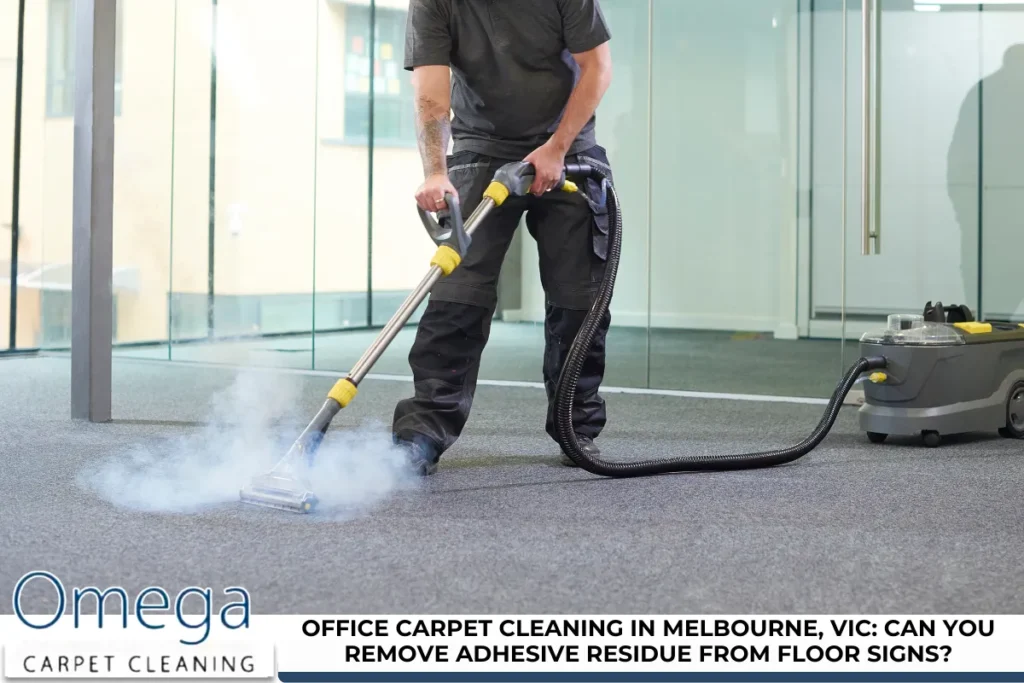
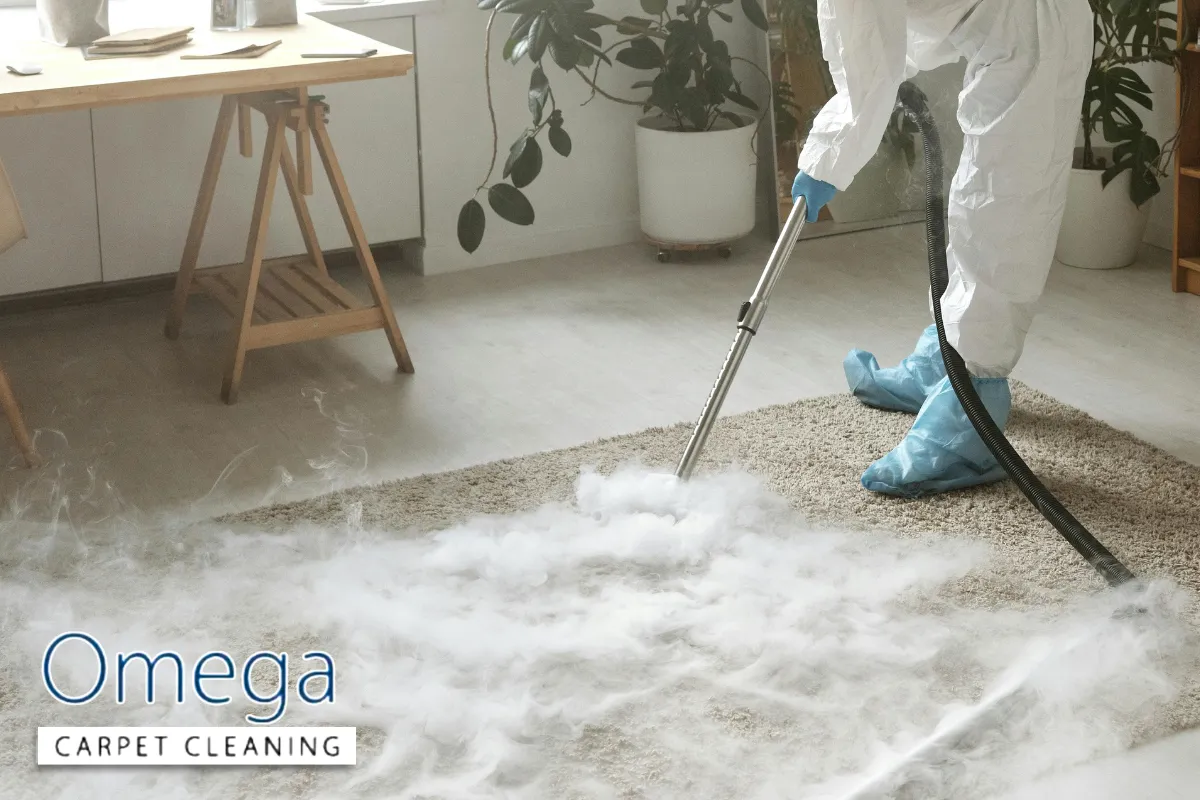
Steam cleaning is often recommended for carpets as it penetrates deep into the fibers, removing more dirt and stains compared to other methods.
Steam cleaning is often considered more effective than dry cleaning for deep cleaning carpets, as it penetrates deep into the fibers to remove dirt and stains.
Advanced methods used by professionals
- Steam carpet cleaning for deep sanitisation
- Industrial-grade extraction machines
- Anti-microbial treatments
- Subfloor drying techniques
- Upholstery cleaning and rug cleaning for full coverage
Professional dehumidification employs heavy-duty dehumidifiers and air movers to thoroughly dry carpets and subfloors, preventing mould regrowth.
Specialized non-toxic mould inhibitors are often applied after cleaning to prevent future infestations.
The role of moisture control in preventing mould
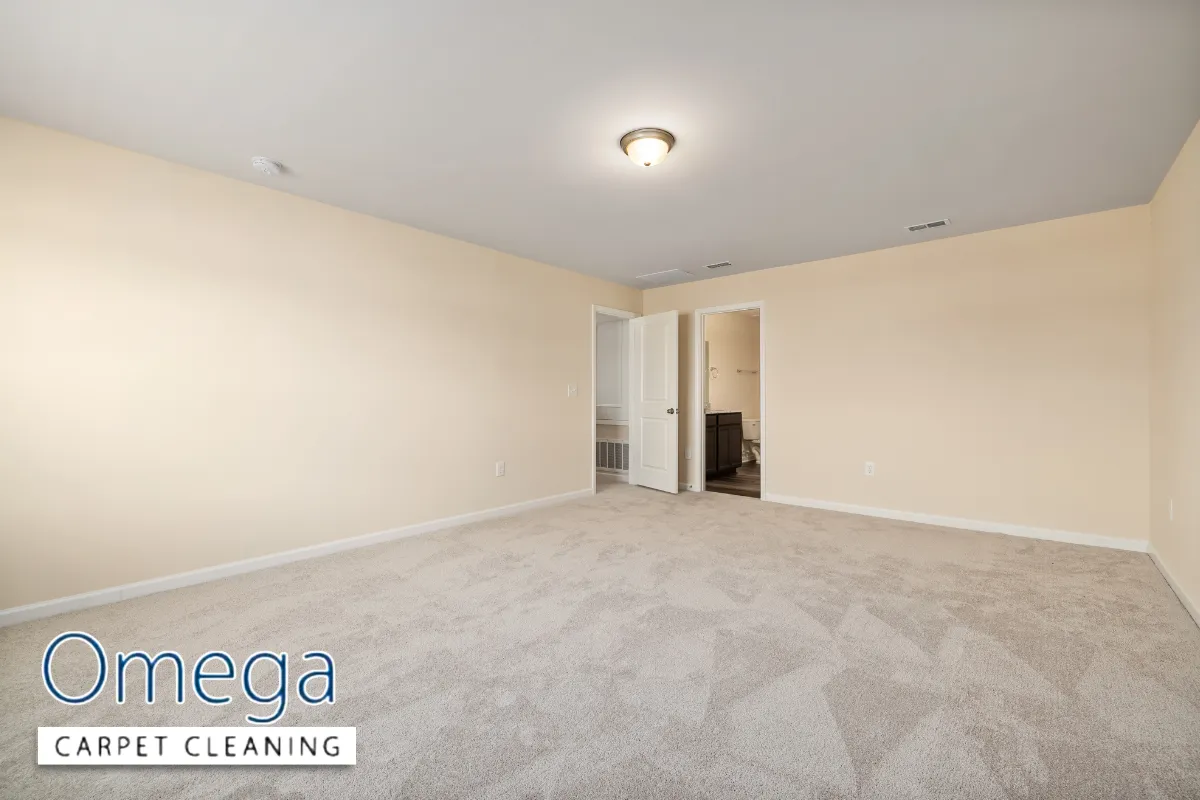
Removing mould is only half the solution. Preventing it from coming back is equally important.
Maintaining indoor climate control, such as using dehumidifiers, is essential for preventing moisture accumulation in carpets.
Using a dehumidifier in areas with carpets can help control humidity levels, making it less conducive for mould to grow.
Simple steps include:
- Improving ventilation
- Fixing leaks immediately
- Avoiding over-wetting during carpet washing
- Ensuring faster drying after cleaning
Regular cleaning and maintenance of carpets can help reduce the risk of mould growth by removing dirt and moisture that can contribute to its development.
How often should carpets be professionally cleaned?
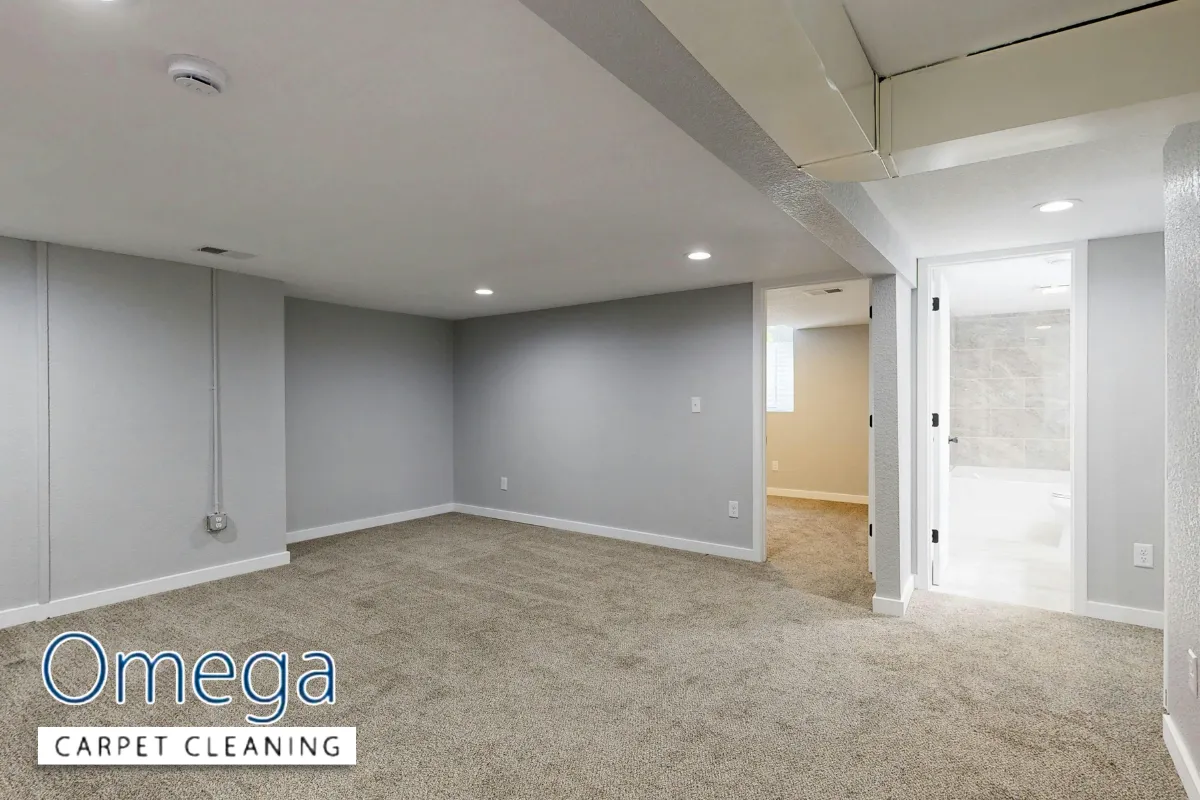
Professional deep cleaning of carpets is recommended every 6-12 months to ensure thorough sanitation and quick drying.
Most modern homes will have at least three carpeted bedrooms that need a deep clean once a year.
Incorporate professional steam cleaning services at least twice a year to remove embedded dirt and debris, which helps maintain the appearance and longevity of carpets.
Regular steam cleaning can improve indoor air quality by removing allergens, dust, and dirt from carpets, which is beneficial for families with children or pets.
Read Does Baking Soda Soften Rugs? Advice from a Professional Carpet Cleaner in Melbourne, VIC
Comparing carpet cleaning methods for mould removal
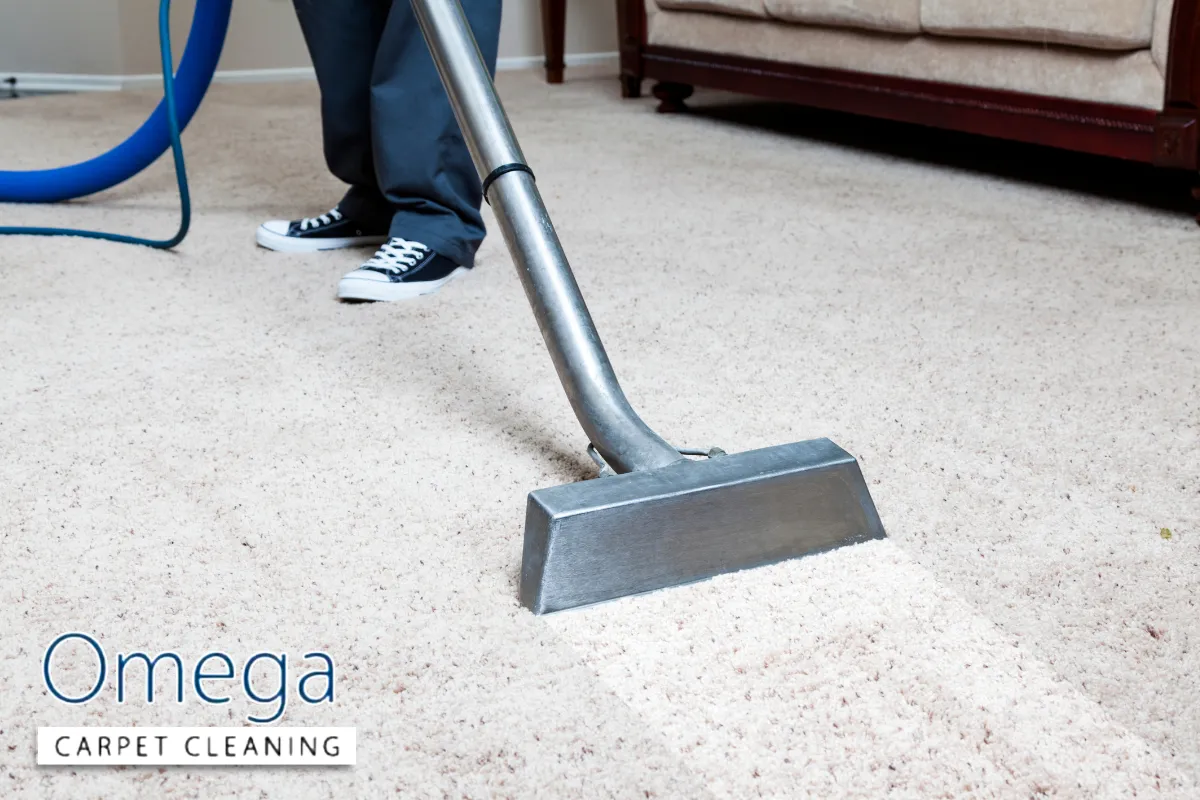
Carpet cleaning methods include steam cleaning, dry cleaning, encapsulation cleaning, and host cleaning, each varying in effectiveness and application.
Steam cleaning
- Best for deep mould removal
- Uses hot water extraction
- Ideal for heavily soiled carpets
Dry cleaning
- Faster drying
- Suitable for delicate carpet fibres
- Less effective for mould
Encapsulation cleaning
- Low moisture method
- Good for maintenance cleaning
Choosing the right method
Steam cleaning remains the preferred option when dealing with mould due to its ability to penetrate deeply and remove contaminants effectively.
Why mould under carpets is a health concern
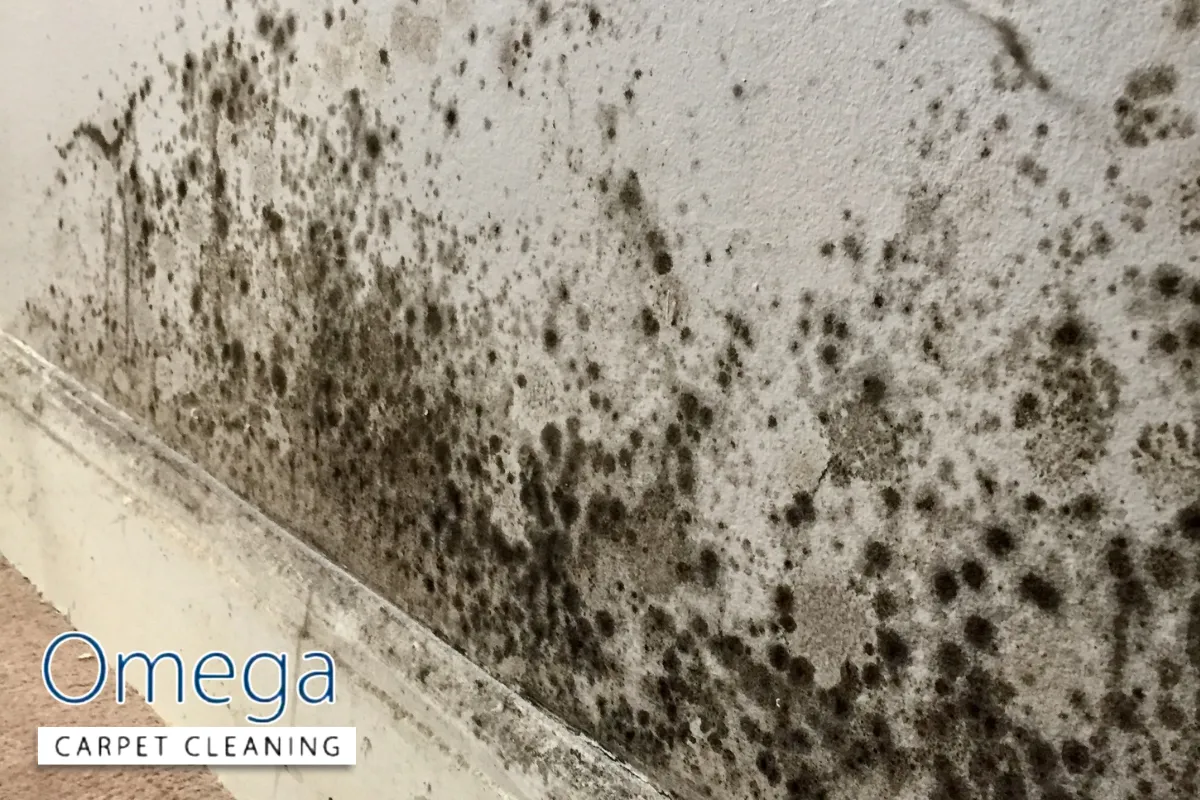
Mould exposure is not just about unpleasant smells. It can impact indoor air quality and trigger health issues.
Common risks include:
- Allergies and respiratory irritation
- Asthma flare-ups
- Skin irritation
- Headaches and fatigue
Removing allergens through proper carpet cleaning helps create a safer indoor environment for families.
Signs your carpets need immediate attention
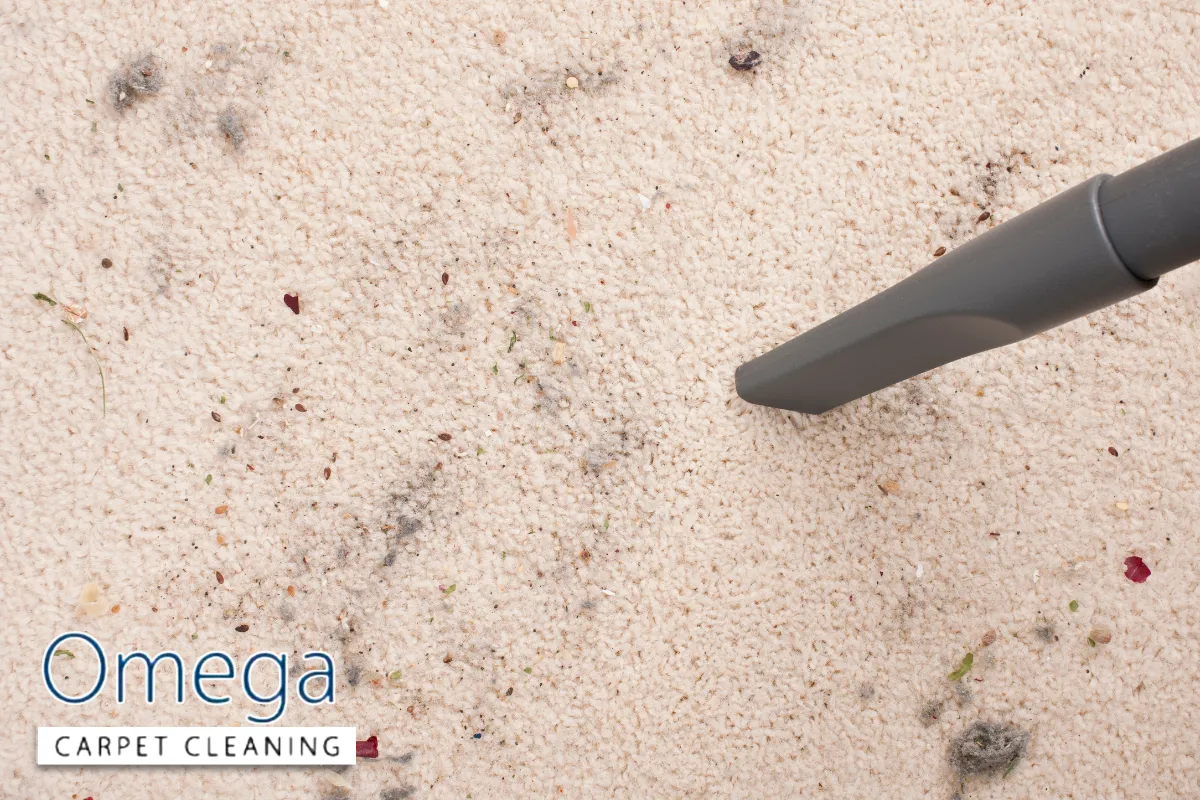
Watch for these warning signs:
- Persistent musty smell
- Discolouration or stains
- Damp or soft carpet areas
- Increased allergy symptoms
These indicators often mean mould is already present beneath the surface and requires urgent action.
Practical tips to keep carpets mould-free
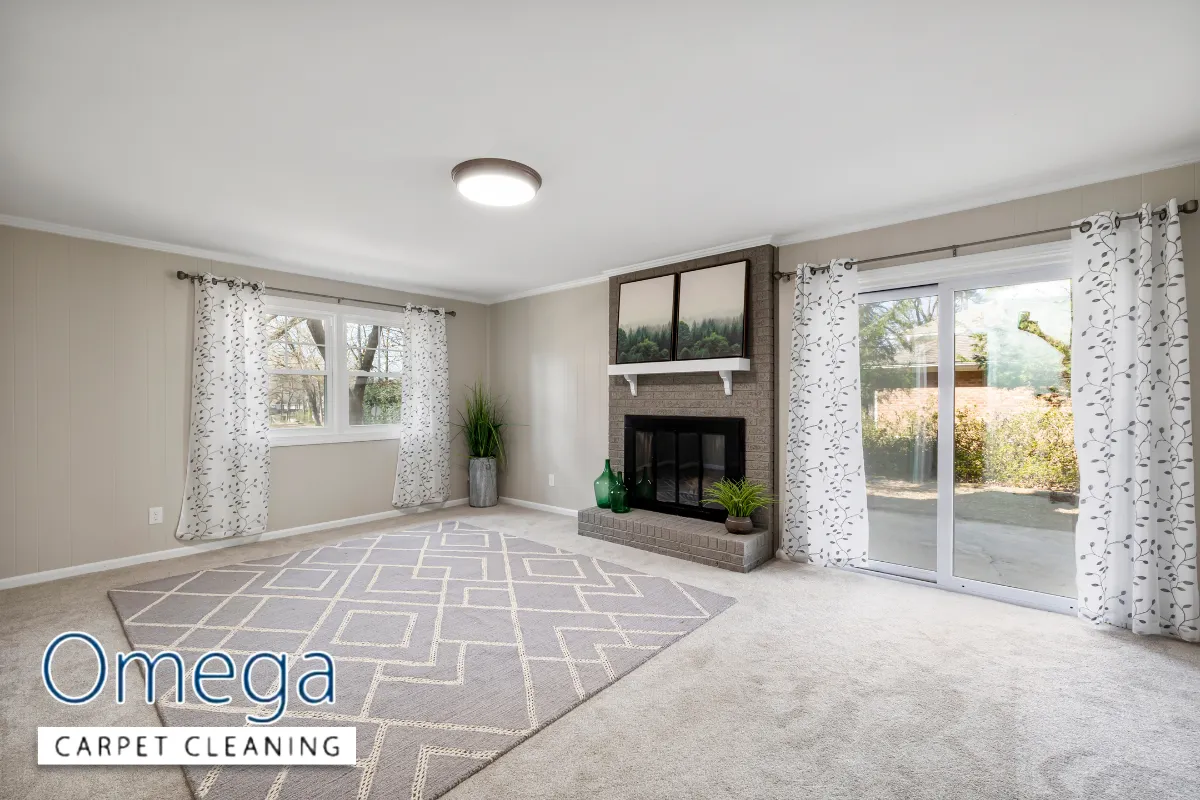
- Vacuum carpets weekly to remove dirt buildup
- Use proper carpet washer equipment for deep cleaning
- Avoid excessive water during carpet washing
- Dry carpets quickly after cleaning
- Schedule routine professional carpet cleaning
Consistency in maintenance is key to preventing future mould problems.
Carpet Cleaner in Melbourne, VIC – Omega Carpet Cleaning
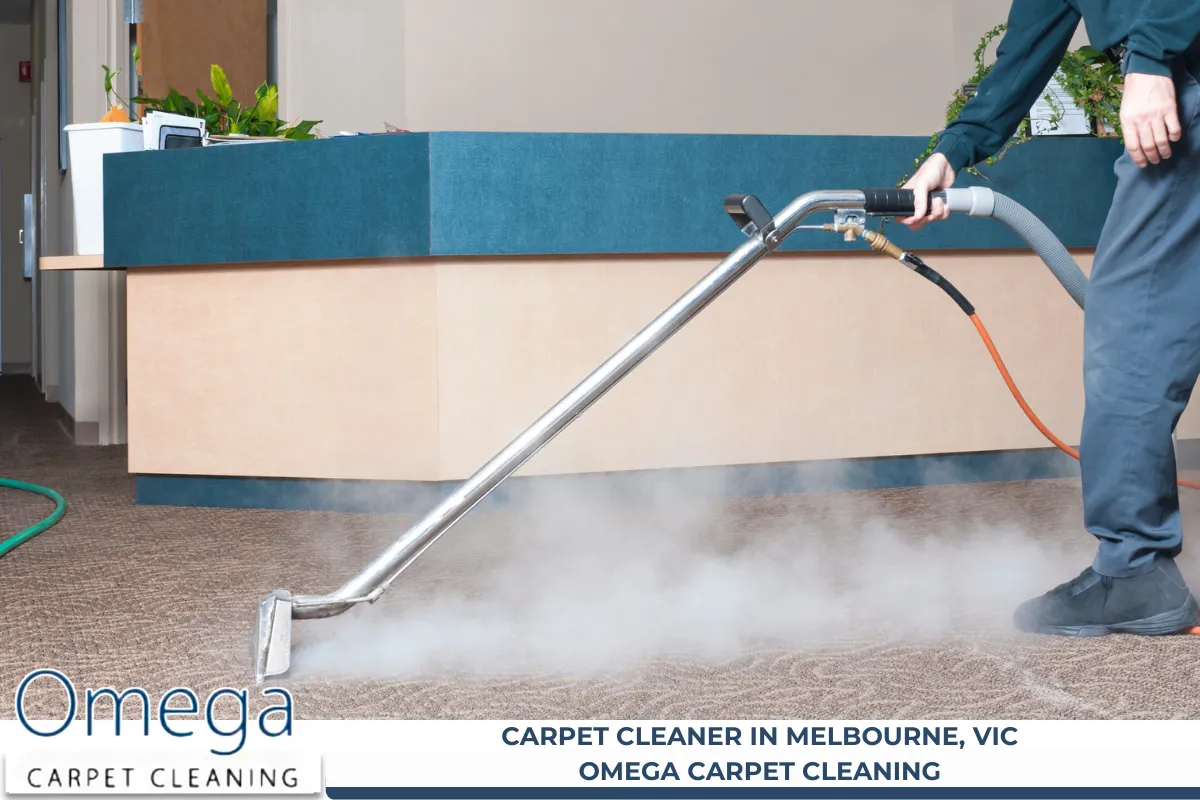
We understand how frustrating and unhealthy mould under carpets can be, which is why our carpet cleaner team delivers reliable and effective carpet cleaning solutions across Melbourne, Victoria and surrounding areas. At Omega Carpet Cleaning, we use powerful equipment and proven steam cleaning methods to remove mould, stains, and trapped moisture deep within carpet fibres.
Our professional carpet cleaner service focuses on fast drying, safe treatments, and long-term prevention. We handle everything from routine carpet washing to complex mould issues, ensuring your carpets are clean, fresh, and hygienic. Whether it’s residential or commercial cleaning, we tailor every job to your needs.
Call us today at 0406 996 819 or fill out our contact form to book a trusted carpet cleaning service that protects your home and health.
Frequently Asked Questions
How long does it take to remove mould from carpets?
The time required depends on the severity of the mould and the cleaning method used. Minor surface mould can be treated within a few hours using DIY methods. However, deeper infestations may require professional carpet cleaning, which can take a full day including drying time. Steam cleaning and dehumidification processes are often necessary for complete removal. Faster drying is essential to prevent mould from returning, so professionals use specialised equipment to speed up the process. Always allow carpets to dry fully before walking on them.
Can mould come back after carpet cleaning?
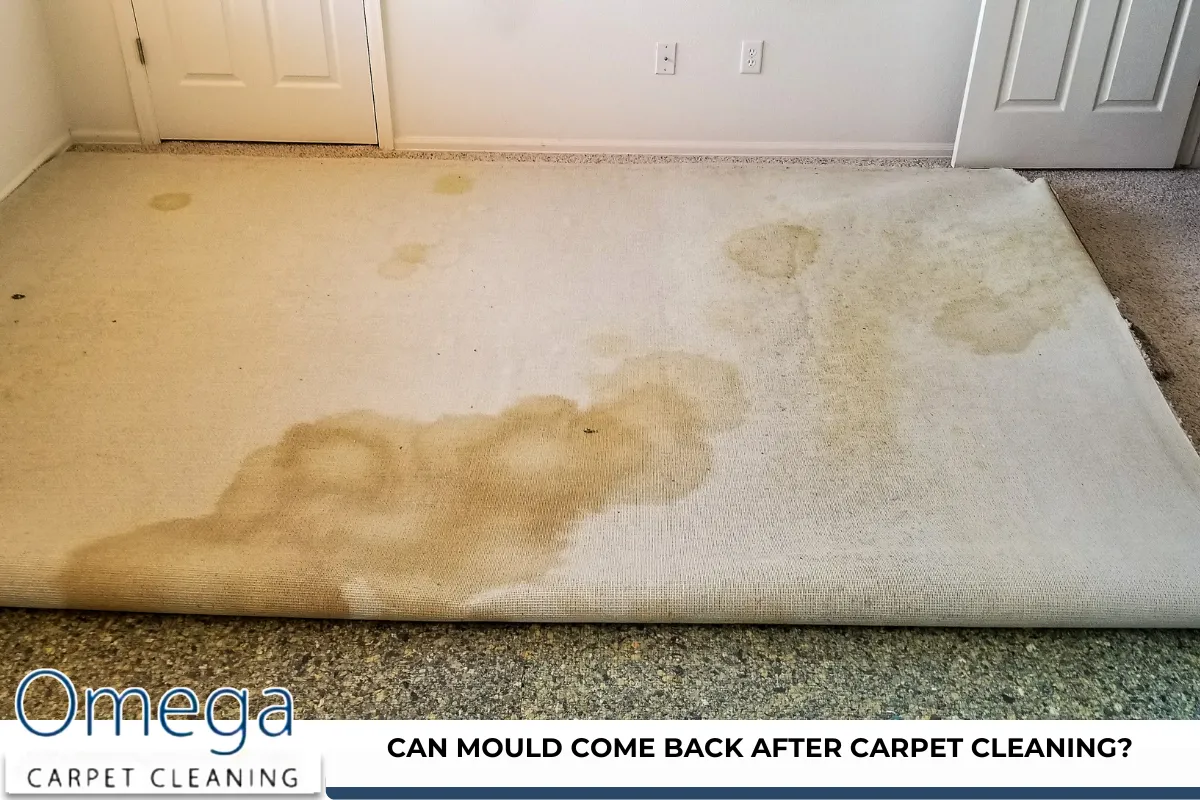
Yes, mould can return if the underlying moisture issue is not resolved. Carpet cleaning removes existing mould, but prevention depends on controlling humidity and ensuring proper drying. If leaks, spills, or high humidity persist, mould spores can regrow. Using dehumidifiers, improving ventilation, and scheduling regular carpet cleaning services can significantly reduce the risk. Professional treatments often include mould inhibitors, which provide an added layer of protection against future growth.
Is it safe to stay in a home with mouldy carpets?

Living with mouldy carpets can pose health risks, especially for individuals with allergies, asthma, or weakened immune systems. Mould spores can become airborne and affect indoor air quality. While small areas may be manageable temporarily, larger infestations should be addressed immediately. Professional carpet cleaner services can safely remove mould and restore a healthier environment. If symptoms worsen, it’s best to limit exposure until the issue is resolved.
What type of carpets are more prone to mould?
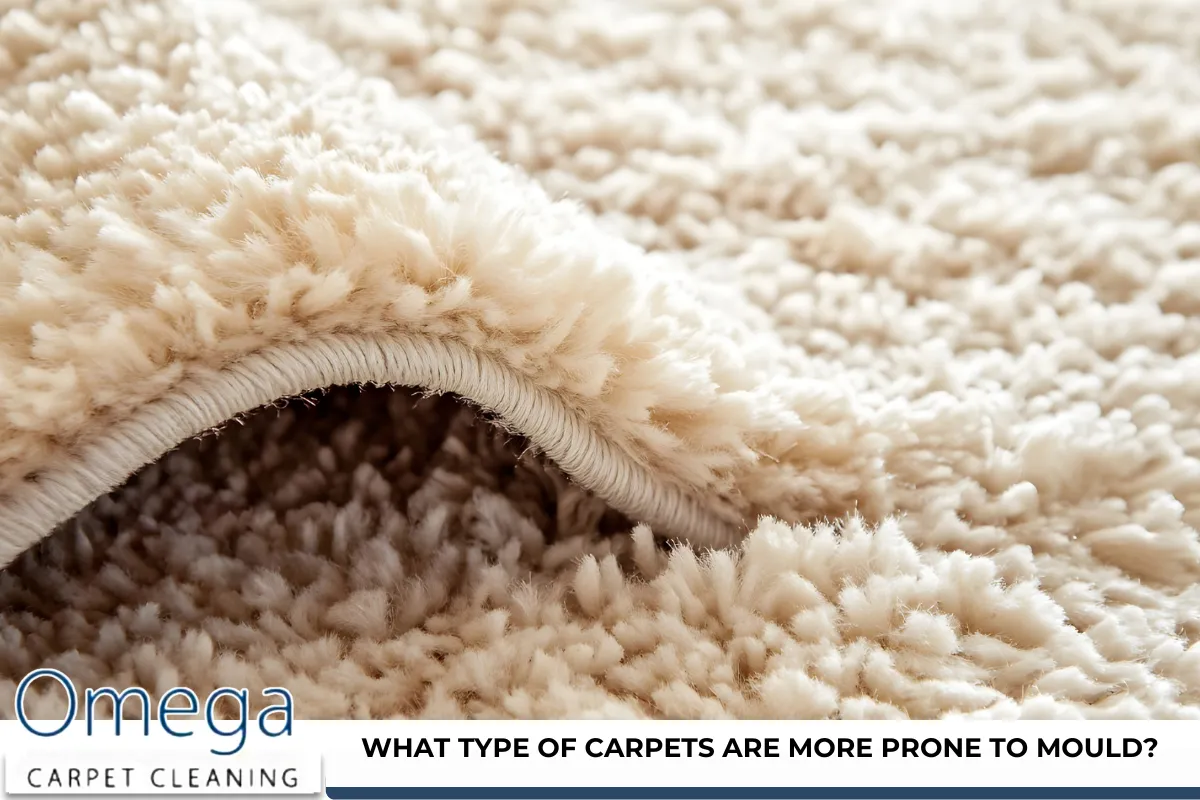
Carpets with dense fibres and thick padding are more likely to trap moisture, making them susceptible to mould growth. Natural fibre carpets, such as wool, can also retain moisture if not dried properly. Areas with high humidity or poor ventilation increase the risk further. Regular carpet cleaning and proper maintenance are essential for all carpet types. Choosing carpets with moisture-resistant backing can help reduce the likelihood of mould developing underneath.
Does insurance cover mould under carpets?

Coverage depends on the cause of the mould and your insurance policy. Sudden events like burst pipes or flooding may be covered, while gradual issues such as long-term moisture buildup often are not. It’s important to check your policy details and act quickly when water damage occurs. Prompt carpet cleaning and drying can help minimise damage and improve the chances of a successful claim. Always document the issue with photos and reports.
Final thoughts on keeping carpets mould-free
Mould under carpets is a hidden issue that requires immediate attention and the right approach. From natural remedies to professional carpet cleaning services, there are effective ways to eliminate mould and prevent it from returning. Consistent maintenance, moisture control, and timely cleaning are the keys to protecting your carpets and indoor environment.
Disclaimer: This article provides general information only and does not replace professional assessment. Always consult certified carpet cleaning specialists for severe mould issues or health concerns.
Read Mastering Tufted Furniture: Expert Upholstery Cleaning Tips for Melbourne Homes