
Why Upholstery Care Matters More Than You Think
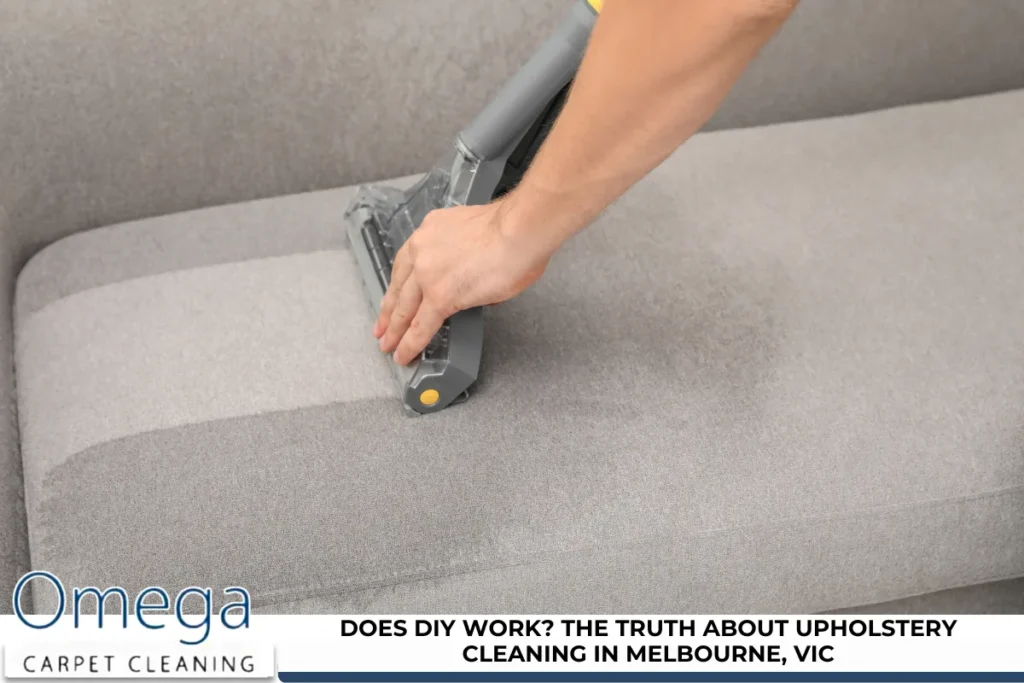
Upholstery Cleaning in Melbourne, VIC is more than a routine household task—it is essential for keeping your home healthy, comfortable, and long-lasting. Many homeowners don’t realise how quickly allergens, hidden dirt, oils, and bacteria accumulate inside couches, chairs, and other soft furnishings. As these contaminants build up, upholstery starts to look dull, smell unpleasant, and even contribute to poor indoor air quality. This creates a cycle of discomfort that can worsen over time.
The good news? Regular professional care breaks that cycle. With consistent upholstery cleaning and the right upholstery cleaner methods, you can restore freshness, extend fabric lifespan, and maintain a healthier environment for your family.
How Upholstery Impacts Indoor Health and Comfort
The Overlooked Relationship Between Furniture and Air Quality
Soft furnishings act like filters, trapping airborne particles such as dust, pollen, smoke residue, pet dander, and food debris. Over time, these contaminants settle deeper into cushions and become difficult to remove with surface cleaning alone.
Melbourne’s changing seasons, urban pollution, and coastal humidity make this buildup even more significant. Without routine maintenance, upholstery may circulate irritants back into the air each time someone sits down, affecting people with allergies, asthma, or sensitive respiratory systems.
Hidden Contaminants That Settle in Everyday Furniture
Common pollutants found in residential and commercial upholstery include:
- Dust mites and microscopic allergens
- Pet hair and oils
- Food crumbs and spills
- Sweat, body oils, and odours
- Bacteria and mould spores
- Outdoor pollutants carried inside
Regular upholstery cleaning disrupts these contaminants before they damage fibres or contribute to musty odours.
Why Upholstery Deteriorates Without Regular Cleaning
Fabric Fibres Break Down Gradually
Everyday wear causes friction on sofa and chair fabrics. Dirt particles trapped inside the fibres act like sandpaper, accelerating abrasion. This leads to thinning, fading, and tears—especially in high-traffic areas like seat cushions and armrests.
Stains Become Harder to Remove Over Time
When spills aren’t treated promptly, they sink deeper, bond with fibres, and oxidise. This is why old stains appear darker and harder to lift. Certain substances, such as wine, coffee, pet accidents, and cosmetics, cause chemical reactions that require professional treatment.
Odours Absorb Into the Fabric
Soft materials naturally absorb scents from cooking, pets, and general living. Without regular deep cleaning, these odours settle into foam layers, making them more difficult to eliminate with at-home methods alone.
Professional vs. DIY Methods: Why Expert Care Makes a Difference
Limits of Household Upholstery Cleaners
Store-bought upholstery cleaner sprays and machines may help with light surface cleaning, but they are not designed for full extraction of deep-set dirt. Homeowners often face challenges such as:
- Incomplete stain removal
- Fabric oversaturation
- Slow drying times leading to mould risk
- Residue left behind that attracts more dirt
- Potential colour bleeding or shrinkage
Advanced Techniques Used by Professionals
Professional upholstery cleaning uses industry-grade equipment engineered to lift dirt from deep within the fabric. Techniques include:
- Hot water extraction for deep sanitisation
- Dry cleaning for delicate or moisture-sensitive fabrics
- Steam treatment for odour and bacteria elimination
- Specialised stain removal formulas
- pH-balanced rinsing to protect fibres
These methods not only clean but preserve the upholstery’s colour, texture, and structural integrity.
When DIY Is Acceptable — And When It’s Not
Light maintenance is fine for weekly routines, such as vacuuming or blotting quick spills. However, professional treatment becomes essential when:
- Stains have set for weeks or months
- Upholstery smells musty or stale
- Allergies worsen indoors
- Fabrics appear matted or discoloured
- Cushions feel heavy due to trapped moisture
Benefits of Routine Upholstery Cleaning for Melbourne Homes
Improved Indoor Air Quality
Melbourne’s climate exposes homes to high pollen counts, dust, and humidity. Upholstery acts as a magnet for these particles. Routine cleaning:
- Removes airborne pollutants
- Reduces dust mite populations
- Helps people breathe easier
- Supports healthier living for children and pets
Longer Lifespan for Furniture
Replacing sofas and chairs can be expensive. Regular cleaning helps extend furniture life by:
- Removing abrasive dirt
- Preserving colour
- Preventing premature wear
- Protecting delicate materials like linen, velvet, and microfiber
Enhanced Appearance and Comfort
Clean upholstery instantly refreshes a room. Fabrics feel softer, colours appear brighter, and the entire living space feels more inviting.
Reduced Household Odours
Deep cleaning eliminates odours caused by:
- Pets
- Food spills
- Smoke
- Sweat
- Moisture buildup
This creates a fresher environment without needing artificial fragrances.
How Often Should Upholstery Be Cleaned?
General Recommendations
Most experts recommend professional upholstery cleaning every 6 to 12 months, depending on:
- Household size
- Indoor air quality
- Presence of pets
- Fabric type
- Level of use
Situations That Require More Frequent Cleaning
Some circumstances demand accelerated cleaning cycles, such as:
- Pet-friendly homes
- Rental inspections and end-of-lease requirements
- Commercial spaces like clinics, restaurants, and offices
- Homes near heavy traffic or construction zones
- Outdoor furniture cushions exposed to humidity
Read What Are the Benefits of Professional Upholstery Cleaning in Melbourne, VIC?
Common Upholstery Materials and the Best Cleaning Approaches
Fabric Upholstery
This category includes microfiber, cotton blends, linen, and polyester. Hot water extraction is often the preferred method for deep cleaning.
Leather Upholstery
Leather requires careful cleansing, followed by conditioning to prevent drying or cracking. Professionals use pH-balanced formulas to maintain suppleness.
Suede and Alcantara
These materials are delicate and sensitive to water. Special dry-cleaning solutions and gentle brushing techniques are essential.
Velvet Upholstery
Velvet holds onto dust easily and requires expert care to maintain its pile. Steam and low-moisture methods are typically used.
Synthetic Materials
These are durable and respond well to thorough extraction cleaning. They resist fading and are often used in modern family homes.
The Financial Benefits of Maintaining Clean Upholstery
Saving on Replacement Costs
Regular maintenance prevents costly damage, meaning furniture lasts longer and keeps its visual appeal. Over years, this can save a household thousands of dollars.
Preserving Warranty Coverage
Some high-end furniture pieces include warranties that require routine professional cleaning to stay valid.
Increasing Property Appeal
Clean upholstery adds value during:
- Property sales
- Rental showings
- Airbnb or short-term accommodation listings
Simple At-Home Tips to Support Long-Term Upholstery Care
Weekly and Monthly Maintenance Practices
To keep furniture looking its best between professional visits:
- Vacuum upholstery weekly using a soft brush attachment
- Rotate cushions to minimise wear
- Blot spills immediately—never rub
- Use throws or couch covers for high-traffic areas
Products to Avoid
Harsh chemicals can cause dye loss or fibre damage. Avoid:
- Bleach-based sprays
- Abrasive scrubbing pads
- Unapproved “multi-purpose” cleaners
- Over-saturating fabrics with water
When to Call a Professional Immediately
Seek expert help when you notice:
- Persistent odours
- Discolouration after DIY cleaning
- Sinking or water-damaged cushions
- Mould growth or moisture concerns
- Pet urine stains
What Melbourne Residents Should Look for in a Reliable Upholstery Cleaner
Certifications and Training
Professionals should maintain up-to-date knowledge of cleaning chemistry, stain removal, and fabric protection.
Transparent Pricing
Clear communication about costs prevents surprises. Look for companies offering quotes based on furniture size, fabric type, and specific cleaning requirements.
Modern Equipment
High-quality upholstery cleaning relies on machinery that provides:
- Strong suction
- Controlled moisture levels
- Fast drying times
- Safe, eco-conscious cleaning solutions
Reliable Customer Service
Efficient communication, punctuality, and aftercare advice demonstrate a service provider’s commitment.
Why Consistent Upholstery Care Creates a Healthier, Longer-Lasting Home
Routine cleaning isn’t just about aesthetics—it directly affects the health, comfort, and longevity of your living environment. Fresh, sanitised upholstery improves air quality, reduces allergens, protects your furniture investment, and enhances your overall home experience. With Melbourne’s fluctuating weather, coastal air, and urban lifestyle, deep cleaning becomes essential to maintaining safe and comfortable interiors. Whether you are caring for a single couch or an entire household of furnishings, the right techniques and regular professional cleaning make a measurable difference for your wellbeing and home value.
H2: Upholstery Cleaning in Melbourne, VIC – Omega Carpet Cleaning
Upholstery cleaning plays a major role in maintaining a fresh, healthy, and comfortable home, and Omega Carpet Cleaning makes the process simple and stress-free. We provide professional upholstery cleaning services across Melbourne, VIC and the surrounding areas, using advanced methods designed to remove deep-set dirt, stains, and allergens trapped in your furniture. Our team offers fast response times, friendly service, and reliable results that help restore the look and feel of your couches, chairs, and soft furnishings. If you want cleaner upholstery and healthier indoor air, call 0406 996 819 or visit our website to schedule your service or submit our contact form today.
Frequently Asked Questions
1. How do I know when my upholstery needs professional cleaning?
Most furniture shows subtle signs before it looks visibly dirty. If your upholstery feels sticky, looks dull, or has a lingering odour even after airing out or vacuuming, those are early indicators it needs deeper treatment. You may also notice increased sneezing, dust buildup, or worsening allergy symptoms, which suggest allergens are embedded in the fabric. Another sign is uneven colour or dark patches where people sit most often. When these issues appear, a professional service can extract contaminants trapped beneath the surface, restoring the fabric’s freshness and improving your indoor environment.
2. Is professional upholstery cleaning safe for delicate fabrics?
Yes, professional cleaning is safe when handled by trained technicians who understand fibre characteristics and the appropriate cleaning formulas for each fabric type. Delicate materials—such as linen, silk blends, suede, and velvet—require low-moisture methods and specialised tools to avoid shrinkage, colour bleeding, or pile distortion. Professionals assess each piece, perform spot tests, and select pH-balanced solutions tailored to the fabric. This customised approach ensures effective cleaning without damage. In fact, gentle professional care often extends the life of fragile upholstery that would deteriorate more quickly with incorrect DIY products or techniques.
3. How long does it take for upholstery to dry after a professional cleaning?
Drying time varies depending on the cleaning method, fabric type, and ventilation inside the home. Most upholstery cleaned with hot water extraction takes between three to six hours to dry fully, while low-moisture or dry-cleaning methods may take significantly less time. Improving airflow using fans, opening windows, or adjusting your home’s heating or cooling system can speed up the process. Professionals also use machines designed to remove excess moisture, ensuring fibres dry faster and reducing the risk of mould or mildew. Proper drying is essential for maintaining fabric quality and preventing lingering odours.
4. Can professional cleaning remove old or set-in stains?
Professional cleaners use advanced stain-removal techniques and specialised formulas to break down stubborn compounds found in older spills. While not all stains can be removed completely—especially those that have chemically bonded to fibres—many deep-set marks from wine, coffee, food, or pet accidents can be significantly lightened or fully lifted. Successful stain removal depends on factors such as fabric type, stain age, and whether previous DIY products left residue behind. An experienced cleaner evaluates the stain first, applies targeted treatments, and uses extraction methods to remove residues from deep within the upholstery layers.
5. How should I maintain my upholstery between professional cleanings?
Regular maintenance reduces wear and keeps your furniture fresh for longer. Vacuuming weekly with a soft brush attachment removes dust before it embeds deeply. Rotate cushions to prevent uneven wear, and blot spills immediately to stop them from soaking into foam layers. Avoid using harsh chemicals or all-purpose sprays not designed for upholstery, as these can create residue or damage the fibres. Using protective covers on high-traffic areas also prolongs fabric life. By following these steps consistently, your upholstery stays cleaner and your professional cleaning results last much longer, giving your home continued comfort and freshness.
Disclaimer: This article provides general information only and is not a substitute for professional cleaning advice. Techniques and recommendations may vary depending on fabric type, condition, and manufacturer guidelines. Always consult a qualified upholstery cleaning specialist for personalised assessment.
Read Melbourne Carpet Cleaning: How Dirty Are Your Carpets? The Hidden Germs Lurking in Your Home