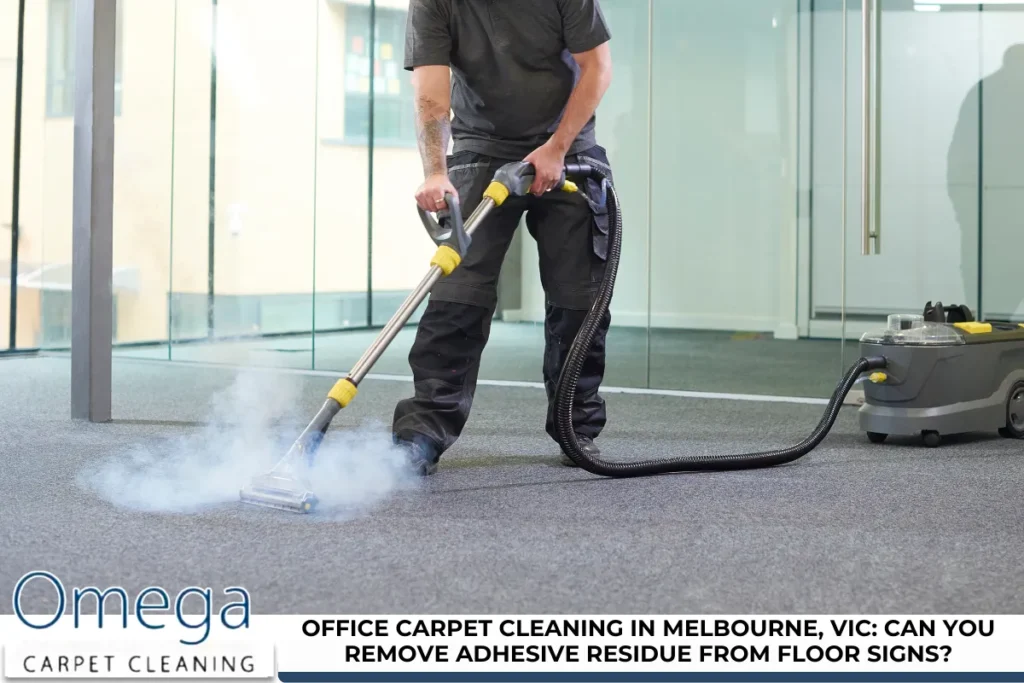

Why Office Carpet Cleaning Now Includes Adhesive Removal
Office carpet cleaning has quietly expanded its scope over the past few years. Walk through any Melbourne CBD tower or business park that operated during 2020–2022 and you will likely spot the telltale signs: faint outlines where “Keep 1.5m Apart” decals once sat, shadow marks from directional arrows, or tacky strips left by hazard tape near lifts and kitchens. These remnants are more than cosmetic annoyances. They trap dirt, compromise safety, and give visiting clients the impression that the space is poorly maintained.
Professional office carpet cleaning improves hygiene and appearance, and it now routinely includes adhesive residue removal as part of the job. Trained technicians can usually eliminate sticky patches from floor signs when the right combination of mechanical removal and chemical treatment is applied. As Melbourne offices push through return-to-work transitions and refurbishment projects from 2023 through 2025 and beyond, the demand for this specialised work keeps climbing.
The rest of this article covers the types of residue you might encounter, how professionals approach them, expected results, costs, compliance with Victorian regulations, and when to call a carpet cleaner rather than attempting removal yourself.
Key Takeaways
- Most adhesive residue from floor signs on commercial carpets can be removed by a professional carpet cleaner using the correct cleaning methods and chemistry matched to the adhesive type.
- DIY solvents like acetone or mineral turpentine can permanently damage carpet fibres, void warranties, or breach building safety policies if misused.
- Melbourne offices commonly deal with glue left behind by COVID-era distancing decals, hazard tape, directional arrows, and temporary exhibition signage.
- Engaging specialist office carpet cleaning in Melbourne, VIC helps restore appearance, improve hygiene, and extend carpet life while staying compliant with Australian and Victorian regulations.
- Professional cleaning can extend the life of office carpets by preventing adhesive-related wear, soil trapping, and fibre degradation.
Common Types of Floor Sign Adhesives Found in Melbourne Offices
Not all adhesive residue behaves the same way, and removing adhesive residue requires a careful approach to avoid damaging carpet fibers. Understanding what you are dealing with helps determine the safest path forward.
Pressure-sensitive acrylic adhesives are the most common culprits. They were used on nearly every COVID-era distancing decal, “Sanitise Here” marker, and directional arrow placed on synthetic office carpets made from nylon or polypropylene. These adhesives are designed to peel off, but they often leave a tacky film that bonds stubbornly with carpet fibres over time, especially when foot traffic grinds the glue into the pile.
Rubber-based adhesives from gaffer tape and hazard tape tend to be thicker and stickier. They are frequently found around reception desks, meeting room thresholds, and temporary queuing zones. This residue is elastic, resistant to water alone, and often requires heat or targeted solvents to shift.
Double-sided tape and carpet tape residues appear after temporary exhibition stands, pop-up privacy screens, or under-desk cable routing are removed. Both adhesive layers and fragments of the tape backbone can lodge deep in the pile, making stain removal more complex.
Older solvent-based or epoxy adhesives sometimes surface during refurbishments where carpet tiles or metal strips have been pulled up from the subfloor. Each adhesive family responds differently to heat, water, citrus, and solvent-based removers, so a one-size-fits-all approach risks damaging the carpet type or its backing.
How Adhesive Residue Affects Carpets, Safety and Indoor Air
Sticky patches on office floor coverings are not just unsightly. Facilities managers across Melbourne should treat them as maintenance priorities that touch on safety, hygiene, and air quality.
Physically, adhesive residue creates trip hazards. Staff can slip when polished-soled shoes meet a smooth, tacky strip. Desk chairs catch and jerk on sticky areas, and runners or floor mats refuse to lie flat over them. For people using mobility aids, these patches present a genuine risk. Stains should be treated promptly to prevent permanent damage and to maintain safe walkways, especially near emergency exits.
At the fibre level, adhesive pulls at carpet tufts, flattens the pile, and attracts gritty soil and debris that cuts fibres with every footstep. Over weeks and months, the affected zone develops premature wear patterns that no amount of vacuuming can reverse. Deep seated dirt embeds itself into the residue, creating dark, greasy marks that stand out against surrounding carpet.
From a hygiene standpoint, residues trap dust, skin flakes, food spills, and even dust mites. In sealed, air-conditioned offices, this becomes an indoor air quality concern. Carpet cleaning can improve indoor air quality by removing allergens, but when adhesive traps contaminants against the fibres, standard maintenance falls short. Some lower-quality adhesives off-gas volatile organic compounds when disturbed with the wrong solvent or excessive heat, which is particularly relevant for allergy sufferers sharing enclosed workspaces.
Australian workplace safety guidance expects floors to be kept free of contamination that can cause slips or interfere with emergency egress markings.
Professional Methods Used to Remove Adhesive from Office Carpets
Experienced melbourne carpet cleaners use a staged, controlled process rather than reaching for one harsh chemical. This layered approach protects the carpet while maximising the chance of a clean result. Effective methods for removing adhesive residue include commercial adhesive removers and mechanical methods used in combination.
The first step is always mechanical removal. Thick adhesive beads and tape fragments are carefully lifted with dull plastic scrapers or bonnet pads. Removing as much material as possible before any liquid touches the carpet reduces the risk of spreading dissolved glue deeper into the pile. This step also shortens dwell time for chemicals later.
Next comes targeted chemistry. Citrus-based solvents are effective at dissolving adhesives, particularly acrylic and rubber types. Products containing d-limonene offer a lower-toxicity alternative to harsher hydrocarbon solvents. For tougher residues, isopropyl alcohol is effective for breaking down adhesive residues, and specialised water-based gel formulations can swell the adhesive for easier extraction. Using low-volatile solvents can safely break down adhesive residues without soaking the carpet, which is critical for preserving the backing integrity.
Applying heat can soften the glue for easier removal in certain situations, though temperature must be carefully controlled on synthetic fibres to prevent melting or distortion. Adhesive remover should be applied sparingly to prevent solvent from penetrating the carpet backing, which could compromise the bond between the carpet and its underlay.
Once the adhesive has softened, technicians agitate gently with a white pad or soft brush, then blot the area before proceeding to a full rinse. The follow-up stage uses hot water extraction to flush softened adhesive and chemical residues from deep within the pile. Excessive moisture can lead to damage in glued carpets or carpet tiles, so professionals regulate water volume and extraction pressure carefully, avoiding saturated seams and edges on tile installations.
When Carpet Steam Cleaning Is the Right Choice After Adhesive Removal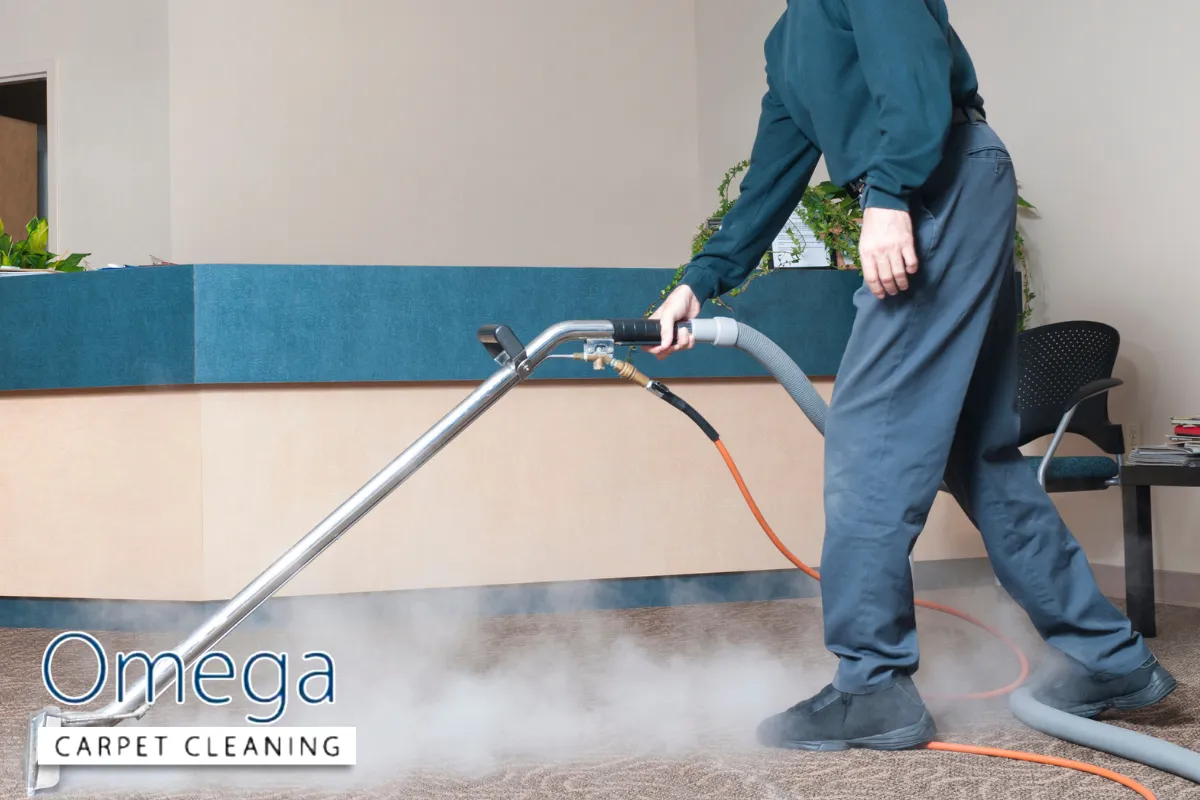
Adhesive removal is often only half the job. A thorough carpet steam cleaning pass is usually needed afterward to restore the treated area and blend it with the surrounding carpet.
Steam cleaning uses hot water extraction to clean carpets by injecting a heated cleaning solution at controlled pressure and immediately extracting it along with loosened soil, residue, and chemical traces. Steam cleaning removes embedded dirt, allergens, and stubborn stains, making it the preferred finishing method after adhesive treatment. Steam cleaning removes dirt, allergens, and bacteria effectively, which is why many carpet manufacturers and tenancy agreements recommend periodic hot water extraction for synthetic commercial carpets.
In high traffic areas like corridors, lift lobbies, staff kitchens, and open-plan workstations across Melbourne office towers, deep cleaning carpets after adhesive removal ensures a uniform appearance. Steam cleaning is effective for removing allergens and bacteria that may have accumulated under or around the adhesive patch.
For moisture-sensitive areas such as server rooms or twenty-four-hour control centres, dry cleaning is ideal for delicate carpets and moisture-sensitive areas. Dry carpet cleaning allows for quick drying within hours, and in some cases dry cleaning allows carpets to be used within 30–60 minutes, keeping disruption to a minimum. Encapsulation cleaning avoids the drawbacks of excessive moisture and leaves minimal detergent residue, making it another viable option.
Steam cleaning typically requires 4–6 hours to dry under good ventilation with air-movers running. Drying time varies by carpet thickness and humidity, so planning around building HVAC schedules and weather conditions matters. Most carpets are dry and walkable within 6–8 hours, and truck-mounted systems dry carpets in 6–8 hours in standard commercial installations. Meeting drying requirements promptly reduces the risk of re-soiling or creating new slip hazards on wet surfaces.
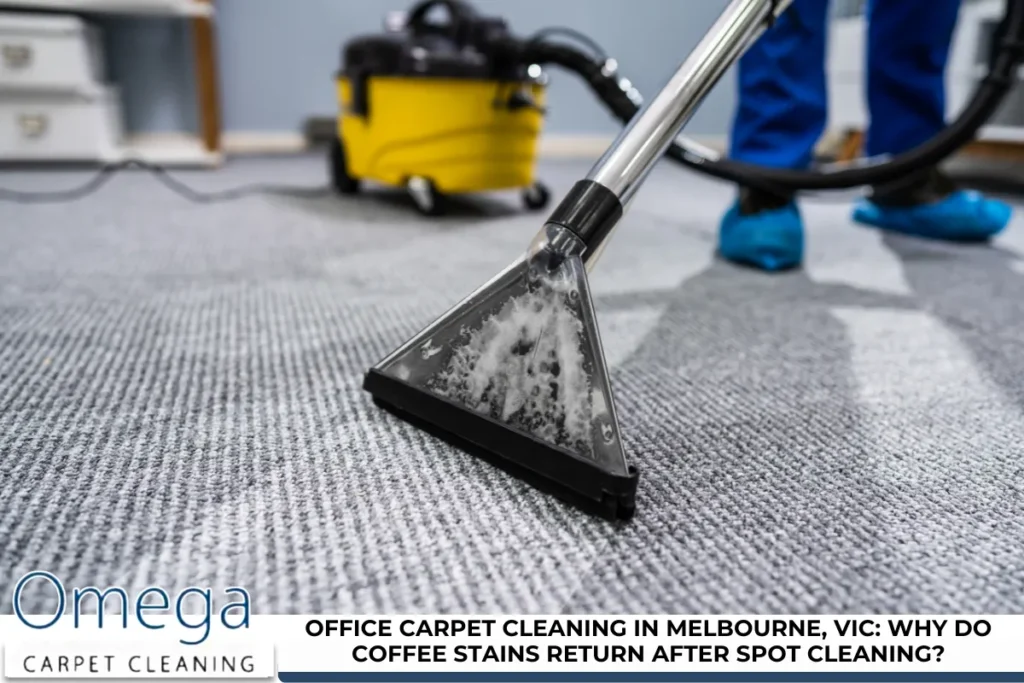
Read Office Carpet Cleaning in Melbourne, VIC: Why Do Coffee Stains Return After Spot Cleaning?
DIY Adhesive Removal vs Hiring a Professional Carpet Cleaner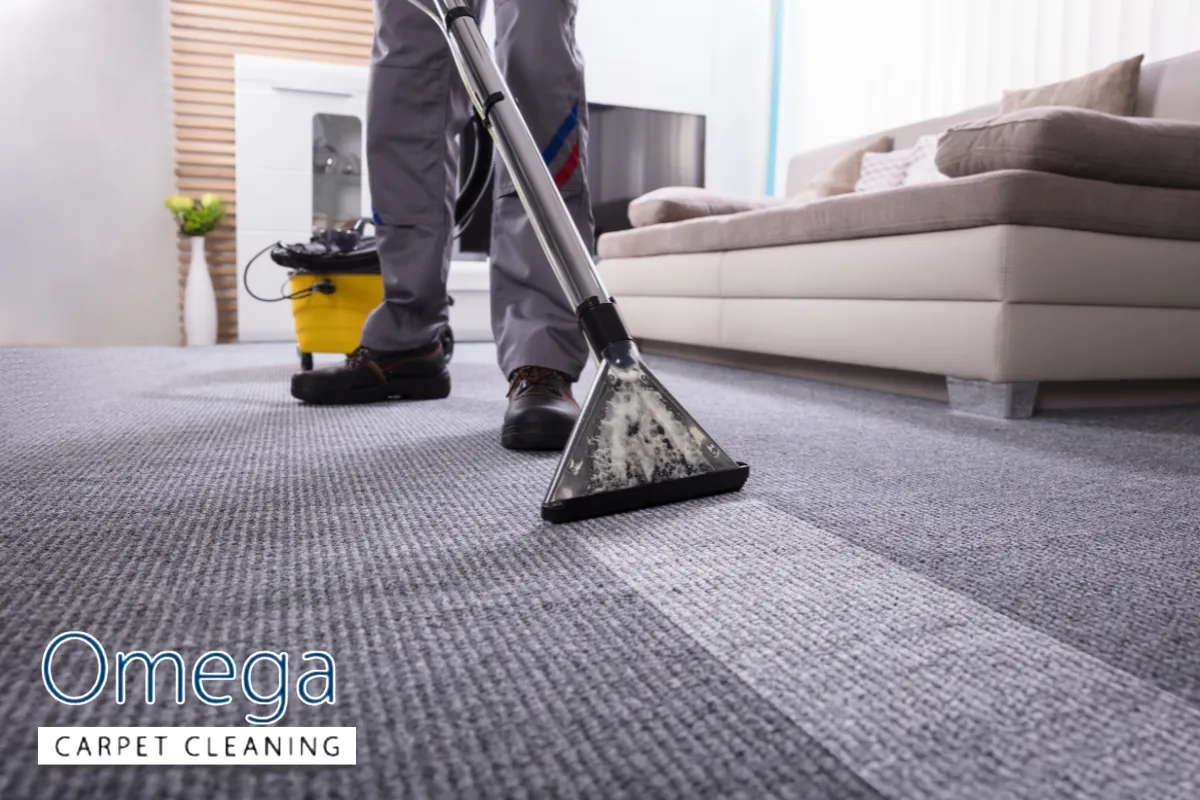
It is tempting to grab a bottle of household solvent and tackle a sticky patch yourself, especially when it is just one small mark in a staff-only area. But the gap between DIY results and professional carpet cleaning outcomes is significant, particularly on commercial floor coverings.
Common DIY mistakes include using strong solvents like acetone or mineral turpentine. These chemicals can strip dye from carpet fibres, dissolve latex backing, or leave oily residues that attract even more dirt. Scrubbing aggressively with green scouring pads crushes and fuzzes the pile, creating a visible texture difference. Domestic steam mops lack the extraction power of commercial equipment and can drive dissolved adhesive deeper into the carpet, worsening the problem. Over-wetting can cause carpet backing separation leading to delamination, turning a small cosmetic issue into a costly repair.
For facilities managers in commercial properties across Melbourne, there are liability considerations too. If an employee slips on a partially removed, still-tacky adhesive patch, the business could face a workplace injury claim. Professional carpet cleaning can remove stubborn stains effectively while maintaining a documented, compliant process.
The advantages of hiring a professional carpet cleaner include correct chemical selection, mandatory spot testing, access to powerful extraction machines and equipment, and insurance coverage if something goes wrong. An experienced team understands how different adhesives interact with different fibre types and backings.
A sensible rule of thumb: small, recent marks in low-visibility areas may be trialled carefully with a neutral cleaner and a white cloth. Anything widespread, aged, or in public-facing zones should be left to a commercial cleaning service with the right tools and training.
Step-by-Step: Safe Process a Professional Uses on Floor Sign Residue
Knowing what to expect during a site visit helps Melbourne office managers plan around the work. Here is the typical sequence before work begins.
Step 1 – Inspection. The technician identifies the carpet type, fibre composition, backing material, and the kind of adhesive present. They check the age of the residue, note any previous stain treatment attempts, and perform spot tests. Always perform a patch test on a small area of carpet before using a cleaner. Testing products in an inconspicuous area is important for ensuring colorfastness and compatibility with the specific carpet.
Step 2 – Dry soil removal. Pre-vacuuming lifts loose grit, debris, and surface dirt that could scratch fibres during the chemical agitation phase. This step also reveals the true extent of the adhesive deposit underneath surface soil.
Step 3 – Mechanical reduction. Thick glue beads, tape remnants, and raised residue are gently lifted with a plastic spatula or dull scraper. The goal is to remove bulk material without cutting or fuzzing the pile.
Step 4 – Targeted chemistry. The chosen adhesive remover is applied to the affected area, given appropriate dwell time, and worked gently into the residue with a white bonnet or soft brush. Surrounding unaffected carpet is protected from overspray.
Step 5 – Rinse and extraction. Professional cleaning methods may combine pre-treatment with hot water extraction at this stage. A carpet washer or extractor pulls softened residue and chemicals from deep in the carpet. Neutralising rinses restore pH balance in the fibres. Regular cleaning with mild soap and water can help remove residual cleaner after adhesive removal if any film persists.
Step 6 – Drying and quality check. Air-movers accelerate the drying process. The technician measures remaining moisture and inspects the treated areas under strong lighting to confirm no sticky patches remain. Office carpet cleaning can take 1-4 hours depending on the service scope and the number of affected zones.
Protecting Carpets and Complying with Melbourne, VIC Standards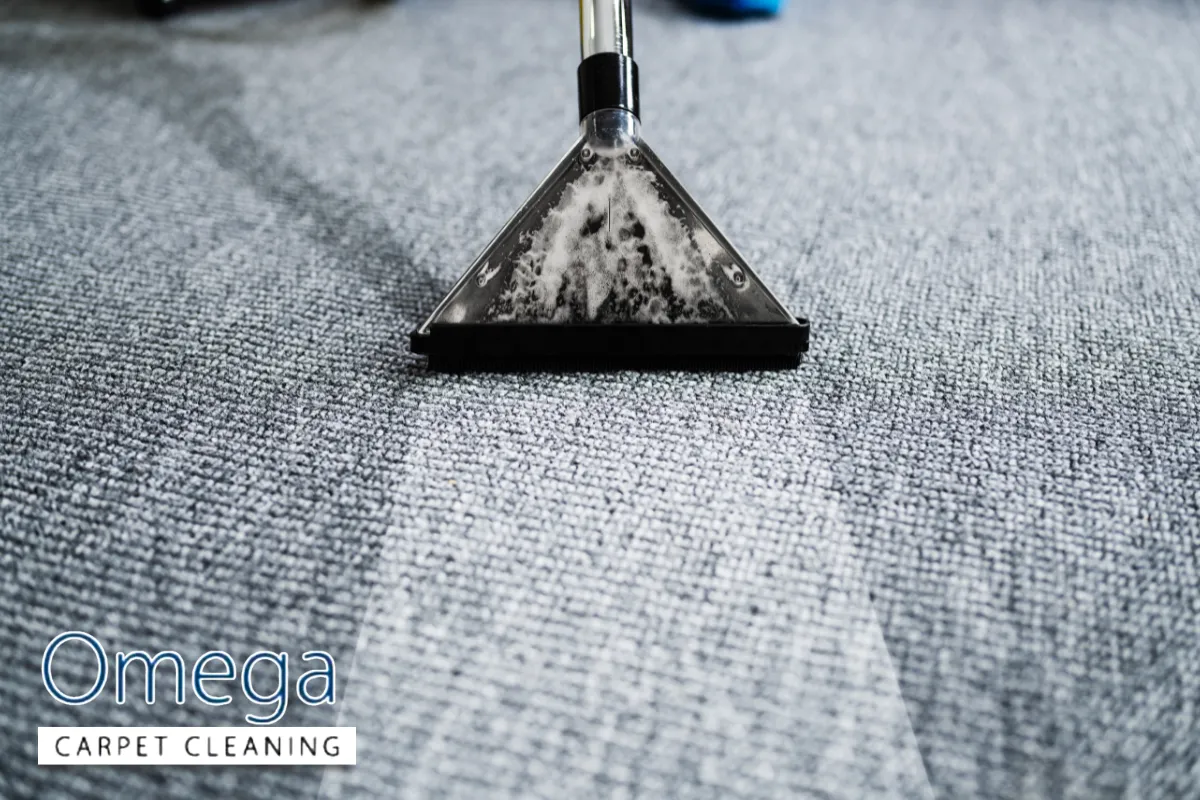
Adhesive removal sits within a broader framework of obligations that Melbourne businesses need to be aware of.
AS/NZS 3733:2018 provides the accepted guidance for textile floor covering cleaning and maintenance across Australia and New Zealand. Reputable cleaning services in Melbourne align their practices with this standard, covering hot water extraction procedures, spot treatment protocols, chemical handling, and operator safety. When engaging a melbourne carpet cleaning service, checking whether the provider follows this standard is a reasonable due diligence step.
Victorian WHS legislation requires that chemical use on commercial premises meets strict criteria: correct labelling, Safety Data Sheets available on site, appropriate PPE for technicians, and adequate ventilation during application. This applies to every adhesive remover and cleaning agent used during the job.
Commercial cleaners plan their work around building evacuation routes, ensuring exit paths remain dry and slip-resistant during and after cleaning in melbourne offices. Signage redirecting foot traffic and blocking wet zones is standard practice.
Strata by-laws and commercial leases in Melbourne frequently require tenants to maintain carpets in “good, clean condition.” Ignoring adhesive residues can breach these obligations and affect a guarantee bond or end-of-lease carpet cleaning inspection. Addressing residue promptly is both a compliance measure and a cost-saving strategy.
On the environmental side, responsible operators prefer low-VOC, biodegradable adhesive removers and manage waste-water disposal in accordance with local council and water authority rules.
Preventing Future Adhesive Damage on Office Carpets
Prevention is far cheaper than restoration or carpet replacement, and a few straightforward practices reduce the chances of recurring adhesive problems.
Choose floor signs specifically designed for carpets, featuring low-tack backing and manufacturer guidance on safe removal timelines. These products are engineered to peel cleanly without leaving residue when removed within their recommended window. Where possible, position hard-backed safety signs on hard floors near lifts, kitchens, or lobbies rather than directly on textile surfaces. Cleaning around skirting boards and light switches during routine maintenance visits also helps technicians spot early signs of adhesive migration from nearby wall-mounted signage.
Facilities managers should maintain a register of temporary floor signage installations with dates. Adhesives left in place for years harden, oxidise, and become exponentially harder to remove. Regular inspections of walkways, reception areas, and high-use zones catch early darkening or stickiness before it becomes ingrained.
Carpets in offices should be cleaned every 3-4 months as a baseline, with professional carpet cleaning recommended every 6-12 months for a deeper treatment. Incorporating spot-checks for residues into the building’s maintenance schedule keeps small issues from becoming large ones. Carpet cleaning services can treat stains from coffee, wine, and pets alongside adhesive work, so bundling tasks into a single visit makes sense from both a cost and disruption standpoint. Taking care of pets-related marks from office-friendly workplaces and tackling spills quickly are part of the same preventive mindset.
Costs, Timeframes and What Melbourne Offices Can Realistically Expect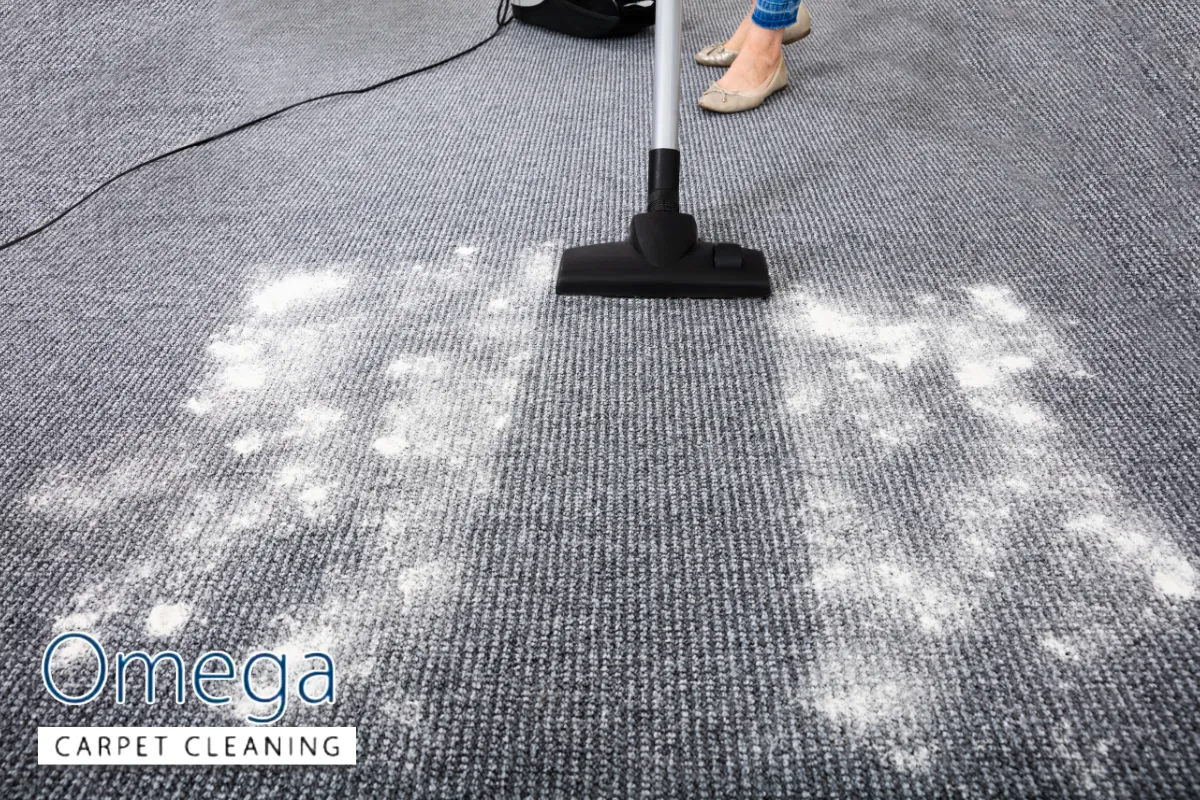
Exact pricing will vary depending on several factors, but there are consistent benchmarks that help with budgeting. Reputable providers should present transparent quotes with no hidden charges.
Most Melbourne carpet cleaning services price standard commercial hot water extraction at approximately $3.50 to $7.00 per square metre for offices in reasonable condition. Adhesive removal typically falls into a specialist category and can push costs to $5–$15 per square metre depending on adhesive type, area size, and carpet condition. Many businesses set a minimum call-out fee, commonly between $99 and $165, to cover travel and equipment setup regardless of property size.
Cost drivers in narrative form include the size of the affected area versus total floor space, the age and chemistry of the adhesive, carpet construction and pile depth, site accessibility (a CBD high-rise versus a suburban business park), and whether after-hours or weekend work is required. Flexible scheduling outside business hours naturally carries a labour premium.
For timeframes, a small room or boardroom with a few tape marks might take under an hour. A full-floor corridor system across several levels where hundreds of decals have been removed could span multiple evenings. The drying time following a carpet steam pass adds another 4–8 hours depending on ventilation and carpet thickness.
Visual outcomes are generally excellent. Most recent adhesive residues can be removed with no visible trace on synthetic carpets. However, badly worn carpets may retain slight shading where the surrounding pile has faded or been crushed by years of foot traffic. Professional cleaning can extend the life of office carpets, but it cannot reverse sun bleaching or fibre breakdown that occurred independently of the adhesive.
Decision-makers should request a site inspection and written quote. Ask specifically whether stain treatment and adhesive work are included in the standard commercial cleaning rate or billed as a specialist add-on. A good melbourne service provider will be upfront about what the job involves.
Many providers also offer detailed cleaning packages that bundle related tasks-removing dirt from upholstery, treating rugs and furniture fabric, grout and tile scrubbing in kitchenettes and bathrooms, and even mattress cleaning for on-site rest areas. Bundling saves on mobilisation costs. Some businesses extend their scope to include rug cleaning, upholstery cleaning, and removing stubborn stains from partition fabric or lobby seating during the same visit, which reduces total disruption. Retail stores and commercial properties with heavier foot traffic may benefit from more frequent visits to stay ahead of embedded dirt and deep stain removal needs. Removing dirt and debris from carpets consistently helps provide fast turnaround on adhesive issues when they arise, because the carpet is already well-maintained.
Office Carpet Cleaning in Melbourne, VIC – Omega Carpet Cleaning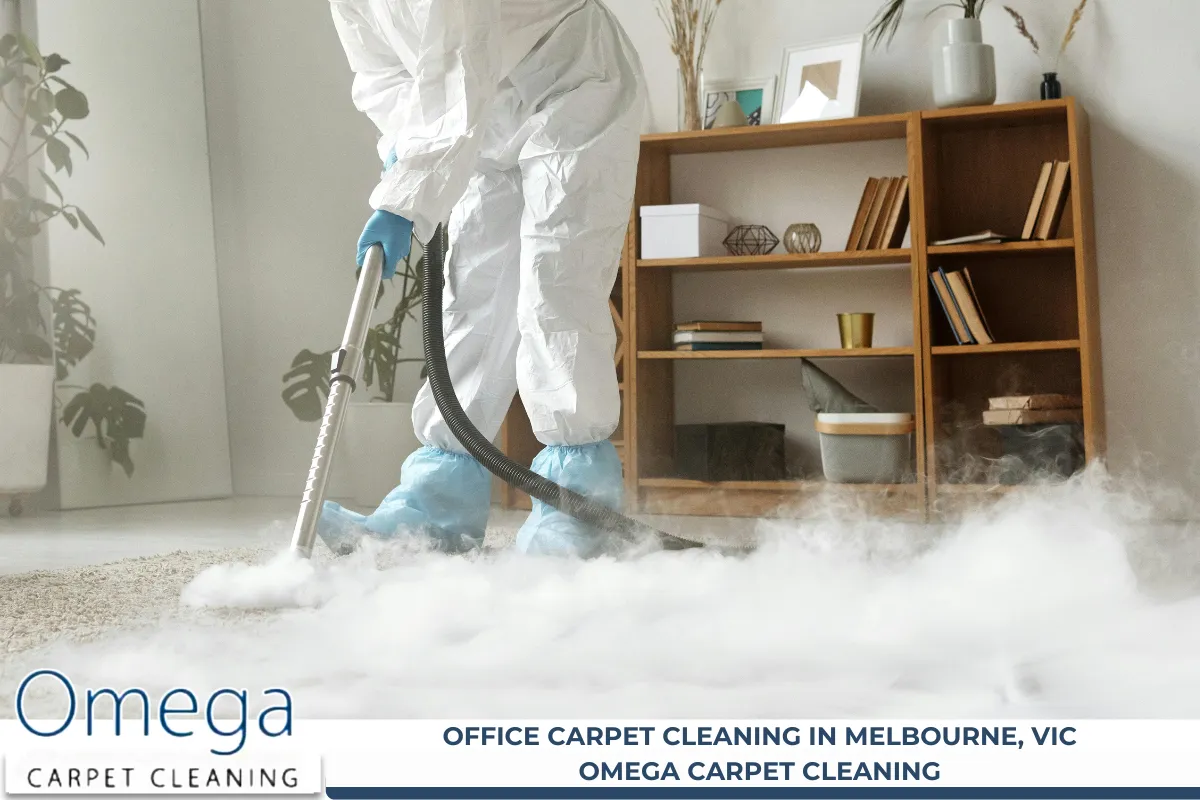
At Omega Carpet Cleaning, we help Melbourne businesses tackle adhesive residue from floor signs, hazard tape, and temporary markings while protecting their carpets from damage. Our team understands that every carpet and every adhesive is different, and we tailor our approach to deliver the best possible result.
We are based in Melbourne, Victoria and service the surrounding areas, offering flexible appointment times to minimise disruption to your office operations. Our professional equipment, safe adhesive removers, and proven cleaning methods are suited to modern commercial carpets and carpet tiles alike.
Call us on 0406 996 819 or fill out our contact form for an obligation-free assessment and quote. Whether you need targeted adhesive removal or a full office carpet cleaning across a multi-level fit-out, we treat every site with care and aim to leave your carpets clean, fresh, and free of sticky residue. Our experienced team is ready to help you restore your workspace.
Frequently Asked Questions
Can adhesive from old floor signs permanently stain my office carpet?
In most cases, a professional carpet cleaner can fully remove adhesive residue from synthetic office carpets without leaving a mark. However, adhesive that has been left in place for years can oxidise and hold soil so firmly that the affected fibres develop a slightly different tone from the surrounding carpet. This is less about the adhesive itself staining the fibre and more about the surrounding carpet fading from UV exposure and foot traffic while the covered patch stayed protected. Where this shading occurs, the treated area may look cleaner than the rest of the carpet, sometimes prompting a full deep cleaning of the broader zone to even out the appearance.
Is it safe to use commercial adhesive removers on wool blend office carpets?
Wool fibres are more sensitive to heat, alkaline chemicals, and aggressive agitation than nylon or polypropylene. If your office has wool blend carpet, fibre identification and spot testing are essential before any adhesive remover is applied. Specialised wool-safe products operate at a lower pH and should be used at reduced temperatures to prevent shrinkage, colour loss, or texture changes. A professional carpet cleaning technician will know how to identify the fibre content and select the safest chemistry, which is why wool carpets are one situation where calling a specialist rather than attempting DIY removal is strongly advised.
How far in advance should we book adhesive removal before an office refurbishment?
Allow at least two to three weeks of lead time. This gives the cleaning service enough notice to inspect the site, prepare a detailed quote, and coordinate with painters, electricians, or fit-out contractors who may be working in the same area. Adhesive removal and subsequent carpet steam cleaning should be completed before new furniture is placed or cabling installed, because heavy items restrict access and slow drying. If multiple floors or large corridor runs are involved, the work may need to be staged over several evenings, making early scheduling even more important to avoid delaying your refurbishment timeline.
Will adhesive removal disrupt our staff during business hours?
Most commercial carpet cleaners in Melbourne offer after-hours and weekend scheduling specifically to avoid disrupting daily operations. The equipment produces moderate noise comparable to a household vacuum cleaner, and citrus-based removers have a mild scent rather than strong chemical fumes. If the work must happen during business hours, professionals section off the treated zone with signage and redirect foot traffic through alternative paths. In busy offices, staging the work in zones across multiple visits keeps disruption manageable while still completing the job efficiently.
Can we combine adhesive removal with other services like upholstery or partition cleaning?
Yes. Many providers offer bundled packages that combine adhesive removal with upholstery cleaning, partition fabric treatment, tile and grout scrubbing in kitchenettes, and general carpet washing across the office. Scheduling these tasks together reduces mobilisation costs, minimises the number of after-hours visits, and gets everything done while furniture is already moved. Discuss the scope with your cleaning provider during the initial site inspection so they can sequence the work logically-typically starting with the dirtiest or most chemically intensive tasks and finishing with quick-dry treatments.
Disclaimer: This article provides general information only and does not constitute legal, regulatory, or technical advice. Confirm specific requirements and methods with qualified professionals and relevant Melbourne or Victorian authorities before acting.
Read Carpet Cleaning in Melbourne, VIC: Why Do Restaurant Carpets Get Greasy Walking Paths?