
Upholstery cleaning is one of those household tasks that seems simple enough until something goes wrong. You spill a glass of red wine on a Saturday evening, grab whatever spray is under the kitchen sink, scrub hard, and suddenly the stain is bigger, the fabric feels stiff, and there is a faint ring forming around the dirty area. If that sounds familiar, you are not alone.
Picture a family in Brunswick with a large fabric corner sofa, two young kids, and a labrador that treats the lounge like a personal bed. Food spills, pet hair, and tracked-in mud are weekly events. A quick spot clean with baking soda or a damp cloth handles the small stuff, and vacuuming keeps the surface looking presentable. That is where DIY shines: low cost, immediate response, and basic odour control using items like white vinegar and warm water.
But DIY cleaning often falls short for deep-seated grime and allergens. Rental upholstery washer machines can leave excessive moisture behind, and most household products cannot reach contaminants trapped deep in foam padding. Professional upholstery cleaning services use methods that comply with Australian standards and respect fabric care labels, something that diy upholstery cleaning methods frequently overlook. The rest of this article will show you exactly when to handle things yourself, when to call in the experts, and how to avoid costly damage to your furniture.
Key Takeaways
- DIY upholstery cleaning is effective for surface dust and light odours on common polyester and microfibre couches, but it falls short for deep-seated grime and allergens embedded below the surface.
- For stubborn stains, heavy pet soil, allergy management, or end-of-lease requirements, professional cleaning and couch steam methods deliver safer, more thorough results.
- Melbourne’s high pollen counts, traffic pollution, and indoor humidity mean upholstered furniture typically needs a professional deep clean every 12 to 18 months.
- Smart at-home maintenance between professional visits can extend the life and appearance of your furniture without risking damage.
What Makes Upholstery in Melbourne So Hard to Keep Clean?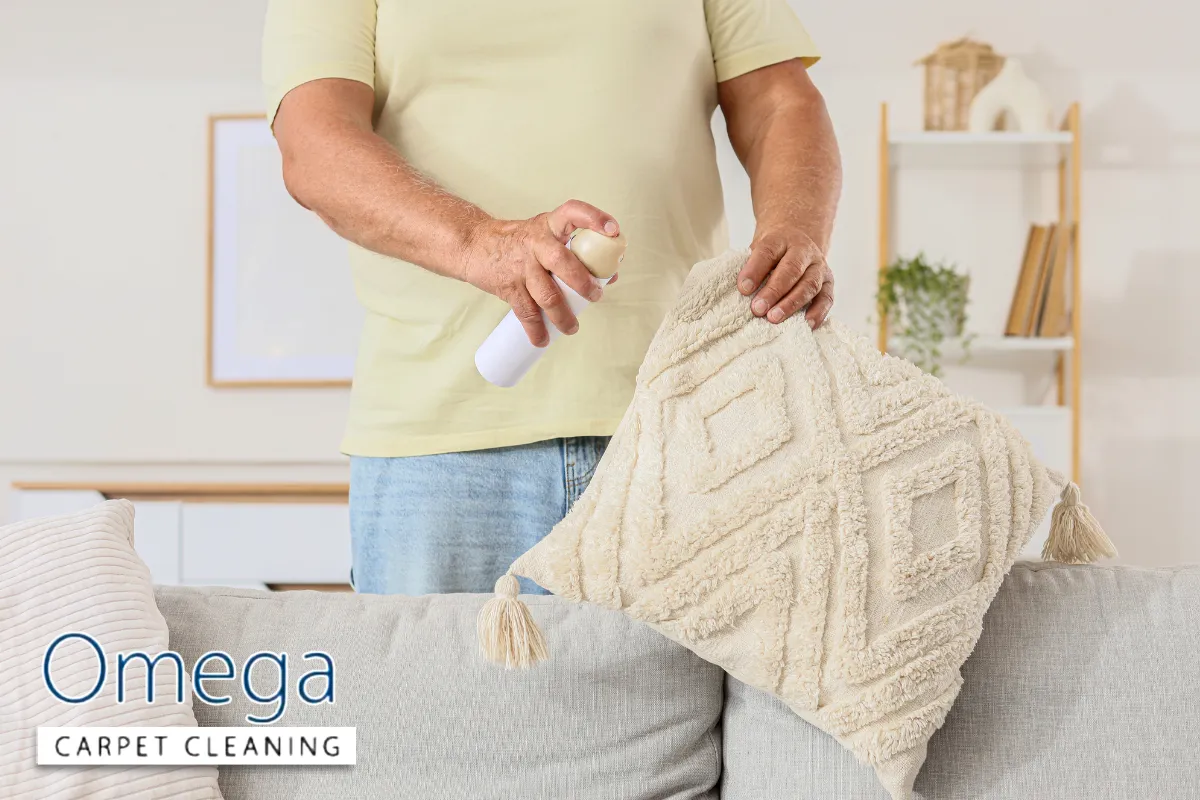
Melbourne’s climate and lifestyle create a unique set of challenges for couches, armchairs, and other upholsteries around the home. The city’s famous four-seasons-in-a-day weather drives homeowners to keep windows shut for much of the cooler months, raising indoor humidity. That extra moisture does not just sit in the air; it settles into fabric upholstery, encouraging mould spores and mildew to develop inside cushion foam.
Beyond the weather, bushfire smoke and traffic pollution deposit fine particulates onto surfaces, and those particles filter into upholstery fibres whenever you open a window on a warmer day. Everyday household life adds to the load: pets shedding on lounges, kids bringing in mud from local parks, and inevitable coffee or wine spills during AFL gatherings all contribute to a steady buildup of dirt and stains.
Rental properties and strata rules in Melbourne often expect a professional clean, including steam cleaning or hot water extraction, before tenants vacate. A basic DIY effort rarely satisfies those requirements. On the health side, dust mites thrive in humid interiors, and pollen from Melbourne’s intense spring season gets trapped in upholstery fabric, aggravating asthma and allergy sufferers. Humidity in Melbourne can slow drying and lead to mold growth, compounding these problems if cleaning is not done carefully.
Some fabrics commonly used in Australian lounges, including linen blends, viscose, and certain suede imitations, react badly to generic supermarket products or too much water.
DIY Upholstery Cleaning: What Actually Works and What Doesn’t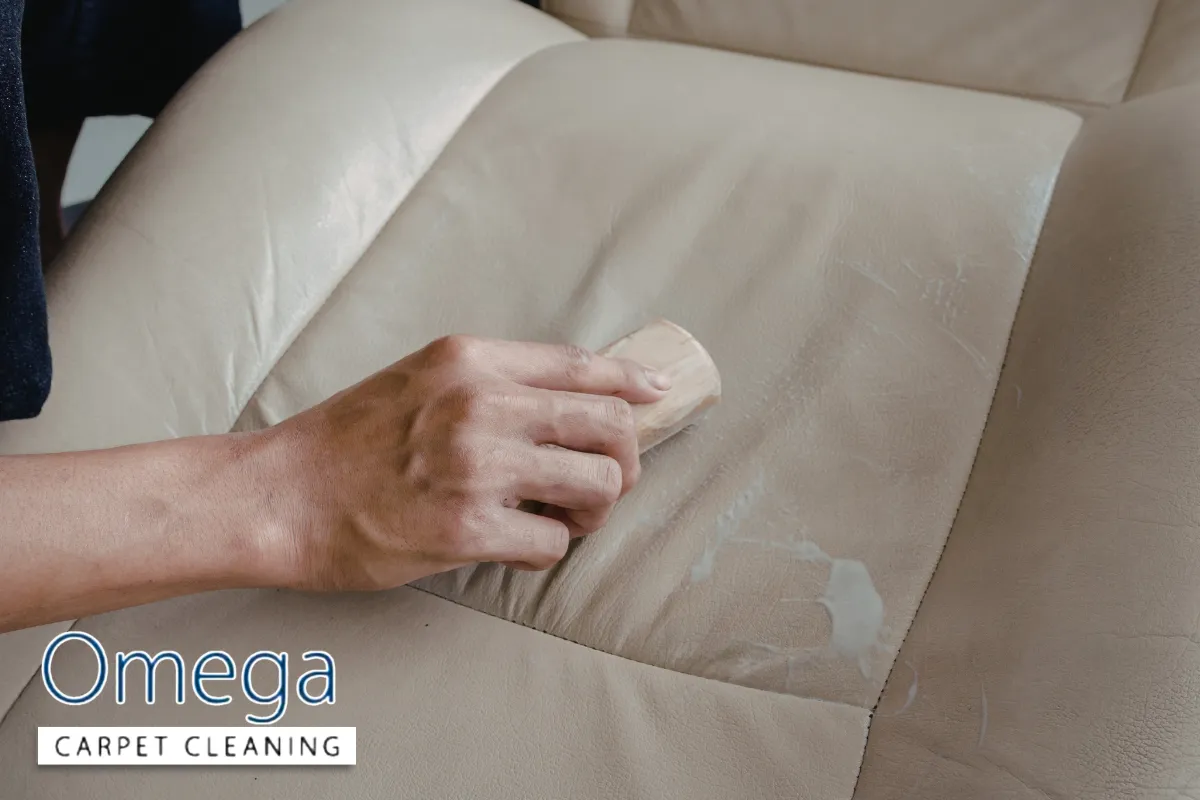
DIY cleaning can be effective when done carefully, but not every popular internet tip is safe for real-world couches. Understanding the difference between helpful maintenance and risky experimentation will save your furniture and your wallet.
Safe Routine Maintenance
- Vacuuming regularly helps maintain upholstery by removing dust and dirt. Use an upholstery attachment weekly, ideally with a HEPA filter.
- Rotate and flip loose cushions monthly to even out wear patterns.
- Blot fresh spills immediately with a clean cloth rather than scrubbing, which pushes liquid deeper into fibres.
- Regularly wipe upholstery with a damp cloth to prevent dirt build-up between deeper cleans.
Simple Spot-Cleaning That Works
DIY methods address fresh minor spills using mild soap or baking soda applied promptly. A mixture of white vinegar and water cleans mild stains, and using vinegar and water can be an effective spot treatment for organic stains like coffee or juice. Dish soap mixed with warm water is a gentle cleaner for many synthetic fabrics. Baking soda absorbs odours and loosens stains when sprinkled on the affected area and left for 15 to 20 minutes before vacuuming.
Spot cleaning can prevent stains from spreading during the cleaning process, so always work from the outer edge of the spill inward. Before applying any homemade solution or cleaning solution, clearing dry dirt before applying liquids is essential to prevent mud from forming on the surface. Testing a cleaner on a hidden area helps prevent visible damage, so always try your mix on an inconspicuous area first.
Where DIY Falls Short
Baking soda will not remove coloured wine stains, pet urine soaked into foam, or long-standing greasy marks. Using too much water, strong bleach-based cleaners, or multipurpose sprays not designed for upholstery fabric can cause water rings, colour loss, or shrinkage. Hiring a supermarket upholstery washing machine often seems like a cost effective solution, but these units frequently leave excess detergent residue and too much moisture behind.
When a DIY Deep Clean Becomes Risky for Your Couch
Certain fabrics and situations in Melbourne homes are high-risk territory for diy upholstery attempts. Knowing your limits here can save you from turning a fixable problem into a replacement bill.
At-Risk Materials
- Natural linen, silk blends, and viscose
- Velvet and faux suede
- Leather sofa upholstery and genuine suede
- Any fabric tagged with an “S” (solvent only) or “X” (professional only) care code
Improper DIY methods can risk over-wetting and fabric damage on these delicate materials. Couch steam from rental machines can cause pile distortion, watermarking, colour bleeding, and shrinkage due to uncontrolled heat and excessive moisture. Excess moisture left in cushions during cleaning can contribute to mold or mildew, particularly during Melbourne’s damp winters.
Hidden Damage You Cannot See
Over-wetting can lead to musty odors and mold growth during humid conditions. Inside modern couches, oversaturation rusts internal springs, breaks down foam, and dissolves adhesive layers that hold the frame together. Consumer-grade upholstery cleaning machines have lower extraction power than professional ones, meaning they simply cannot pull out the water they put in.
Residue buildup from improper detergent use attracts more dirt during cleaning and in the weeks that follow, making your couch look worse faster. Incorrect spotting on stubborn stains like red wine, permanent marker, hair dye, or fake tan can set the stain permanently, making the job harder even for later professional couch cleaning services. While rubbing alcohol can effectively treat tough stains like ink, using it on the wrong fabric without testing risks discolouration across the entire dirty area.
Mixing chemicals such as ammonia and chlorine-based cleaners produces harmful gases. Using flammable solvents without proper ventilation is unsafe in any residential property.
What Professional Upholstery Cleaning Services Do Differently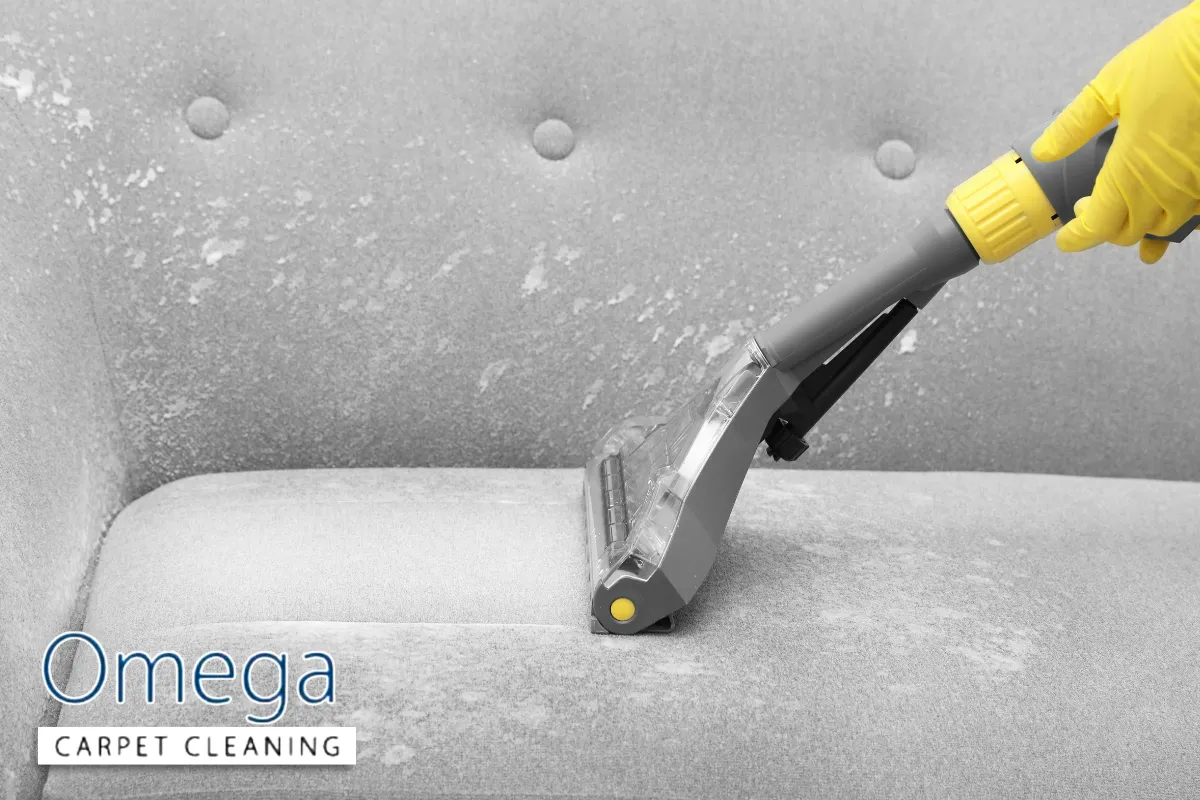
Professional couch cleaning services combine fabric knowledge, specialised cleaning solutions, and controlled machinery to achieve results that DIY simply cannot replicate. Here is what the cleaning process looks like when trained technicians handle the work.
Pre-Inspection and Fabric Assessment
Professional cleaners can identify fabric types and apply safe cleaning techniques based on what they find. They check care labels, test colour fastness, inspect for existing damage, and discuss specific concerns such as pet odours or allergy triggers. This step alone prevents most of the mistakes that DIY attempts commonly make.
The Cleaning Process
- A thorough pre-vacuum removes loose dust, pet hair, and loosened dirt from every crevice.
- Pre-sprays tailored to the fibre type treat tannin stains, protein-based marks, and greasy residues.
- Gentle agitation lifts embedded soil without damaging upholstery fibres.
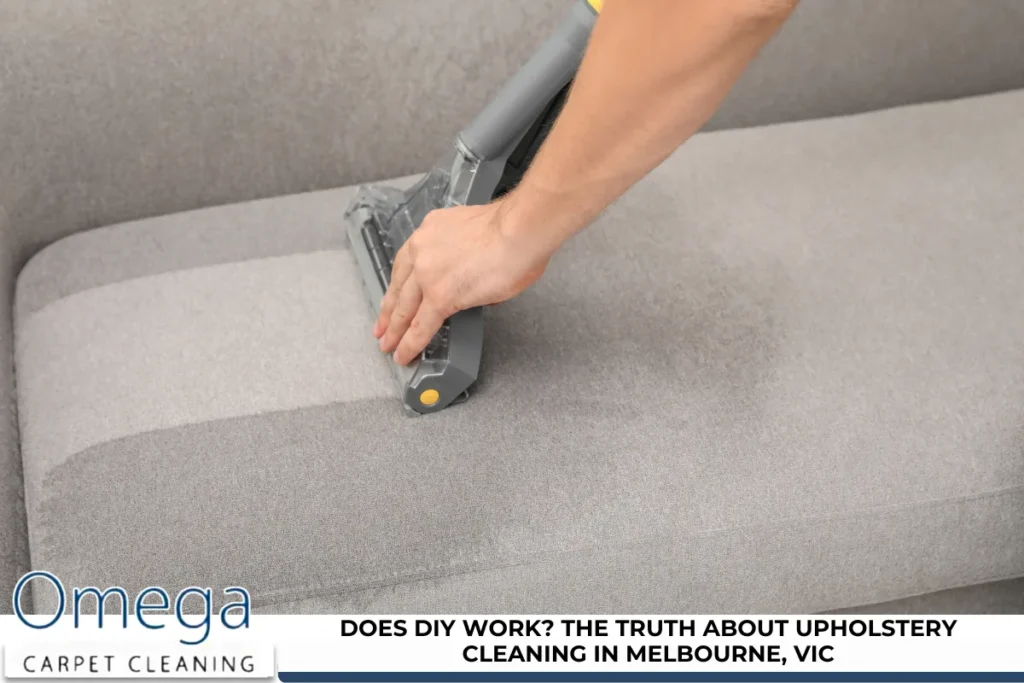
- Controlled steam cleaning or hot water extraction with an upholstery steam cleaner flushes contaminants out, and powerful suction pulls nearly all moisture back out using professional grade equipment.
Professionals use industry-grade cleaning solutions for deep cleaning that are often eco-conscious, water-based, and low in volatile organic compounds. Many Melbourne operators follow Australian guidance on safe chemical handling and waste disposal.
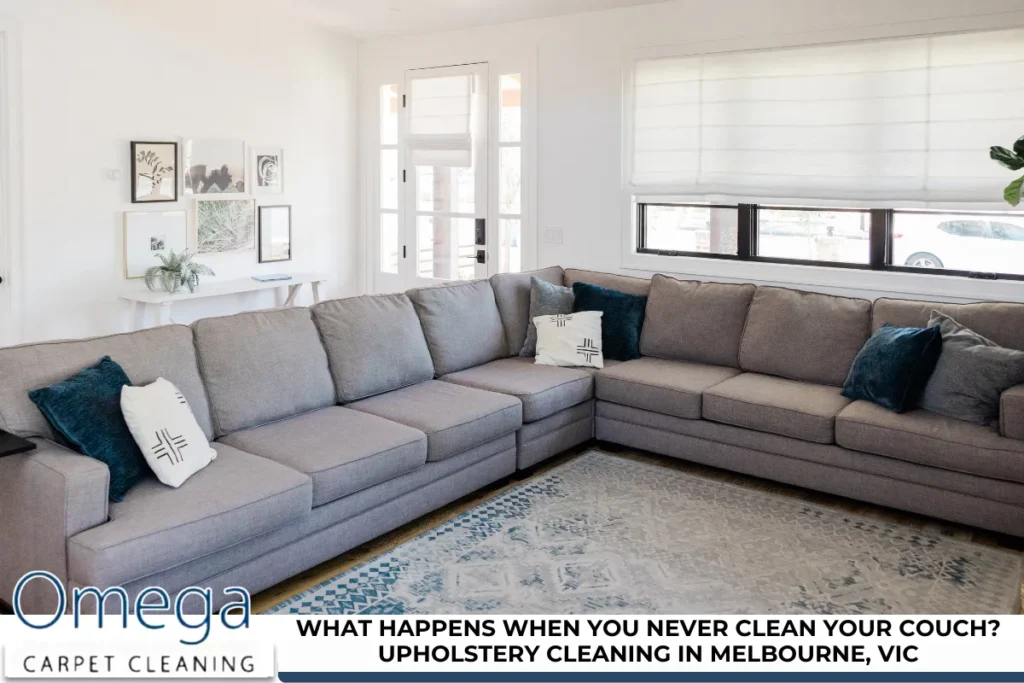
Read What Happens When You Never Clean Your Couch? Upholstery Cleaning in Melbourne, VIC
Results Beyond Appearance
Professional cleaning is recommended for heavily soiled furniture and pet-related stains because it reaches what DIY cannot. Professional cleaning removes 99.9 percent of germs and bacteria from upholstery fabric. It also significantly reduces allergens, improving indoor air quality for households with asthma or sensitivity issues. DIY cleaning methods generally provide minimal dust mite removal compared to professional extraction, which uses heat and suction together.
Professional upholstery cleaning typically dries in 4 to 6 hours thanks to commercial-grade extraction and air-moving equipment. Professionals can effectively remove stubborn stains from upholstery that household products leave behind. And critically, professional cleaning extends the lifespan of your furniture, protecting your investment for years.
DIY vs Professional Cleaning: How to Decide for Your Melbourne Home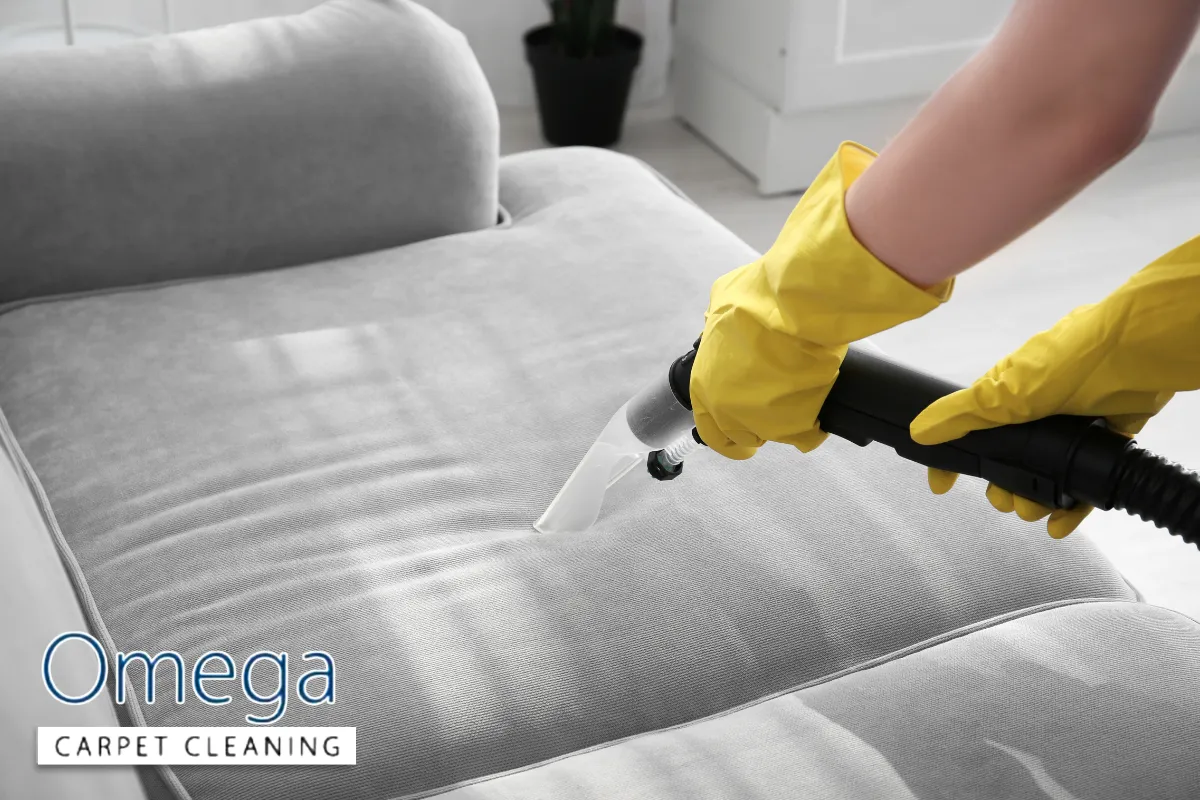
The best choice depends on fabric type, stain severity, health needs, and budget, not just one factor. Here is a practical framework:
| Situation | Recommended Approach |
| Light surface soil, fresh small spills | DIY spot clean with a soft cloth and mild solution |
| Weekly dust, pet hair, crumbs | DIY vacuuming and routine wipe-down |
| Heavy use couch with visible staining | Professional upholstery cleaning |
| Strong odours, pet urine in foam | Professional cleaning services |
| End-of-lease or pre-sale property prep | Professional services with certificate |
| Post-flood, water leak, or smoke damage | Professional upholstery cleaner urgently |
| Allergy management, asthma household | Professional deep clean every 6 to 12 months |
DIY upholstery cleaning can extend the time between professional cleans when done correctly. A professional deep clean every 12 to 18 months can delay expensive furniture replacement, especially for quality lounges purchased in the last five to ten years. That makes scheduling regular professional cleaning a cost effective strategy rather than an unnecessary expense.
Before deciding, check your couch warranty and care tag. Some manufacturers specify that only professional steam cleaning or equivalent methods keep the warranty valid. Using unapproved diy methods on those pieces could void the guarantee entirely. For dining room chairs, occasional armchairs, and other lightly used pieces, gentle DIY care is usually sufficient between annual or biannual professional visits.
Safe At-Home Maintenance Tips to Make Professional Cleans Last Longer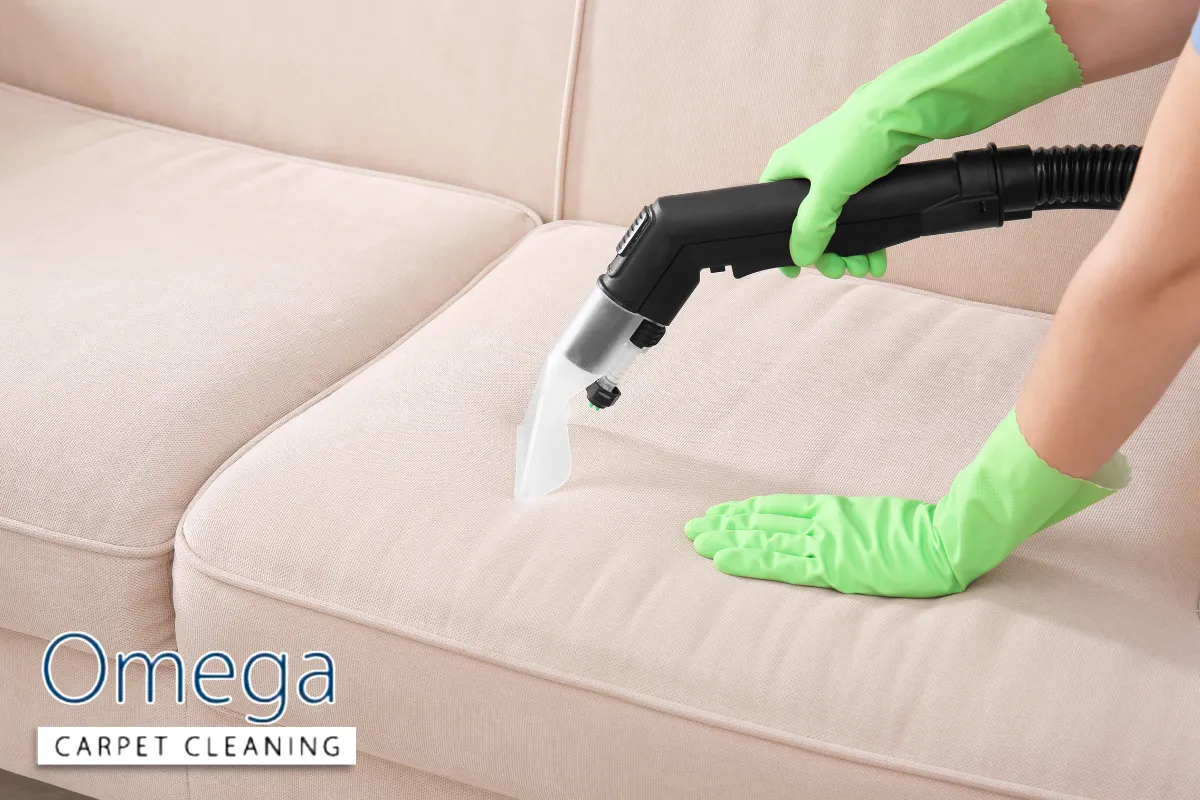
Smart, gentle home care stretches the time between professional visits and keeps your refreshed furniture looking better for longer. Think of it as the equivalent of brushing your teeth between dental check-ups.
Weekly and Monthly Habits
- Vacuum with a soft brush attachment weekly. Lift cushions and vacuum underneath to remove dirt that settles into seams.
- Use a microfibre cloth or lint roller to pick up pet hair between vacuums.
- Rotate and flip removable cushions monthly to distribute wear evenly.
- Check for loose threads or small tears and address them before they worsen.
Handling Common Accidents
- For red wine, blot immediately with a clean cloth before applying a dedicated fabric spotter. Never rub.
- For greasy spills, sprinkle cornflour over the affected area, let it sit for ten minutes, then vacuum away the loosened dirt.
- For light odours, dust baking soda across the surface, wait 20 minutes, and vacuum. A few drops of essential oils mixed into the baking soda can leave furniture smelling fresh, though some people prefer fragrance-free approaches.
- For general grime, a simple effective upholstery cleaner can be made from a teaspoon of dish soap in a cup of warm water applied with a soft cloth or spray bottle, then blotted with a dry towel.
Climate-Smart Habits for Melbourne
Proper ventilation is crucial during upholstery cleaning to prevent damp smells. Open windows on dry days, run exhaust fans, and use dehumidifiers during winter to keep indoor humidity under control. These steps protect your clean furniture and discourage mould from developing in upholstery fibres and padding. Keeping natural ingredients like vinegar and baking soda on hand means you can respond to spills quickly without reaching for harsh chemicals that may do more harm than good.
Always follow the care code printed on your furniture tags: W means water-based cleaning is safe, S means solvent only, WS allows either, and X means vacuuming only with no liquid products. Ignoring these codes is where most DIY damage begins.
Upholstery Cleaning in Melbourne, VIC – Omega Carpet Cleaning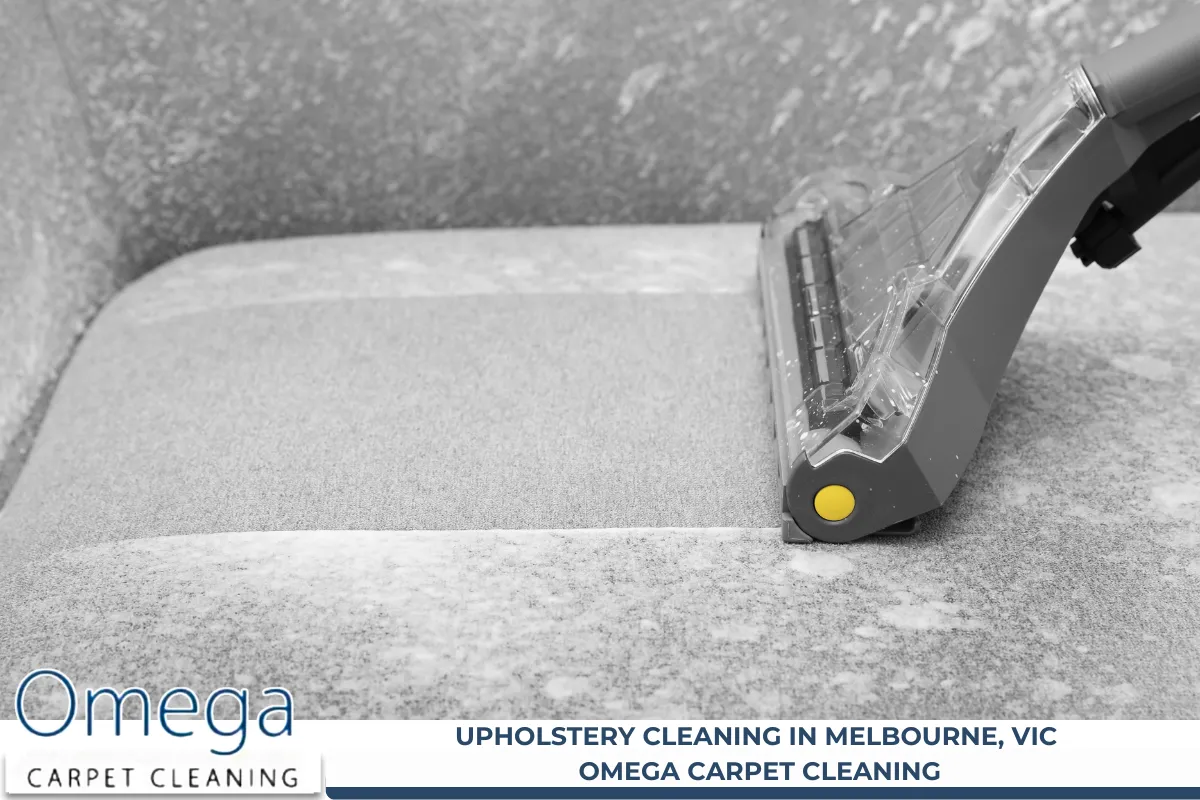
At Omega Carpet Cleaning, we know what Melbourne homes need because we live and work here too. Our team provides professional upholstery cleaning across Melbourne, Victoria and surrounding areas, covering everything from fabric sofas and armchairs to dining room chairs and delicate materials that need specialised care.
We use professional grade equipment and safe, effective solutions to deliver a deep clean that leaves your furniture spotless and fresh. Our trained technicians are well versed in handling all fabric types, and we always communicate clearly before any work begins so you know exactly what to expect. Clients regularly tell us we do such a great job and that their lounges look like they have been given a new lease on life.
Whether you need stain removal, couch steam services, carpet cleaning, grout cleaning, or a complete upholstery refresh, we are here to help at a reasonable price. Call us on 0406 996 819 or fill out our contact form for a free quote. We offer same-week bookings and tailored care plans for busy families and pet owners. Let us give your furniture new life and breathe freshness back into your Melbourne home. Customers consistently say we do a fantastic job, and we would love the chance to show you why.
Frequently Asked Questions
How often should Melbourne residents schedule professional upholstery cleaning given pets, kids, and local air quality?
For the average Melbourne household, professional upholstery cleaning every 12 to 18 months is a solid baseline. If you have pets or young children using the furniture daily, that interval should shorten to every 6 to 12 months. Homes with allergy or asthma sufferers benefit from a professional visit every six months, particularly during and after the spring pollen season. Melbourne’s higher indoor humidity during winter accelerates dust mite reproduction and odour buildup in foam padding, so timing a clean before the colder months can help keep your indoor environment healthier throughout the year. Your cleaning service provider can recommend a schedule based on your specific setup.
Can DIY steam clean machines void my couch warranty or conflict with manufacturer care instructions?
Yes, this is a real risk. Many Australian furniture manufacturers require that cleaning is performed using approved methods, which typically means professional upholstery cleaning with controlled temperature and moisture levels. Using a consumer-grade machine that lacks proper suction or heat regulation may leave behind excess water or detergent residue, and this can be flagged as misuse under warranty terms. If your furniture care tag specifies a code like S or X, water-based cleaning of any kind, whether DIY or otherwise, may void your coverage. Always check the manufacturer documentation before proceeding with any machine-based diy cleaning at home.
What safe DIY options exist for people with asthma or chemical sensitivities who want fresher couches between professional visits?
Stick to fragrance-free, natural ingredients whenever possible. Plain baking soda sprinkled on cushions and vacuumed off after 20 minutes handles mild odours without introducing volatile compounds. A diluted white vinegar and water mix in a spray bottle can treat light marks without strong fumes, though ventilate the room well during use. Avoid aerosol fabric fresheners, scented sprays, and products containing bleach or ammonia, as these can trigger respiratory reactions. A HEPA-filtered vacuum used weekly will remove more dirt, pollen, and dust mite waste from upholstery than a standard vacuum, making a noticeable difference for sensitive individuals.
Do professional cleaners move heavy furniture, or do I need to handle that myself?
Most professional cleaning services will move lightweight items like side tables, cushions, and small decor pieces as part of the visit. However, for very heavy items such as large entertainment units, bookcases, or beds positioned against upholstered pieces, it is best to clear access beforehand. Ask your provider during the booking call what they will and will not move. Clearing the area around the furniture ensures the technician can work efficiently, access every section of the upholstery, and set up air-moving equipment for faster drying afterward.
How should I prepare for an upholstery cleaning appointment to get the best results?
Start by removing personal items, throws, decorative pillows, and any objects stored under or behind the furniture. Vacuum the cushions lightly to remove more dirt and loose debris so the technician can focus on deeper extraction. If you have pets, secure them in another room to keep them safe and out of the way. Ensure there is nearby parking or easy building access, especially in apartment complexes across inner Melbourne. Point out any specific stains, problem areas, or concerns when the cleaner arrives so they can tailor their approach. Keeping windows accessible for ventilation will also help speed up the drying process.
Disclaimer
This article provides general information for Melbourne, VIC residents and is not personalised advice. Always follow your furniture’s care labels and consult a qualified professional cleaner for unusual fabrics, severe damage, or insurance-related requirements.
Read Office Carpet Cleaning in Melbourne, VIC: Why Do Coffee Stains Return After Spot Cleaning?