

Is your carpet looking a little worse for wear? Are you wondering if you should spend the money to hire a professional carpet cleaner? The stains and odors are building up and you are probably asking yourself, “Is it cheaper to do this myself?” Before you spend a whole weekend scrubbing, let’s consider what goes into the decision.
DIY carpet cleaning can seem cheaper at first, but you risk damaging your carpet. Plus, you might not get the deep clean that pros can achieve. This can leave you frustrated and still facing dirty carpets.
So, is it cheaper to clean your own carpets? The short answer is: it depends! Keep reading, and I’ll break down the real costs of both DIY and professional carpet cleaning, so you can make the best choice for your home and wallet.
DIY Carpet Cleaning: What’s the Real Cost?

Okay, so you’re thinking about doing it yourself. First, let’s look at what you’ll need.
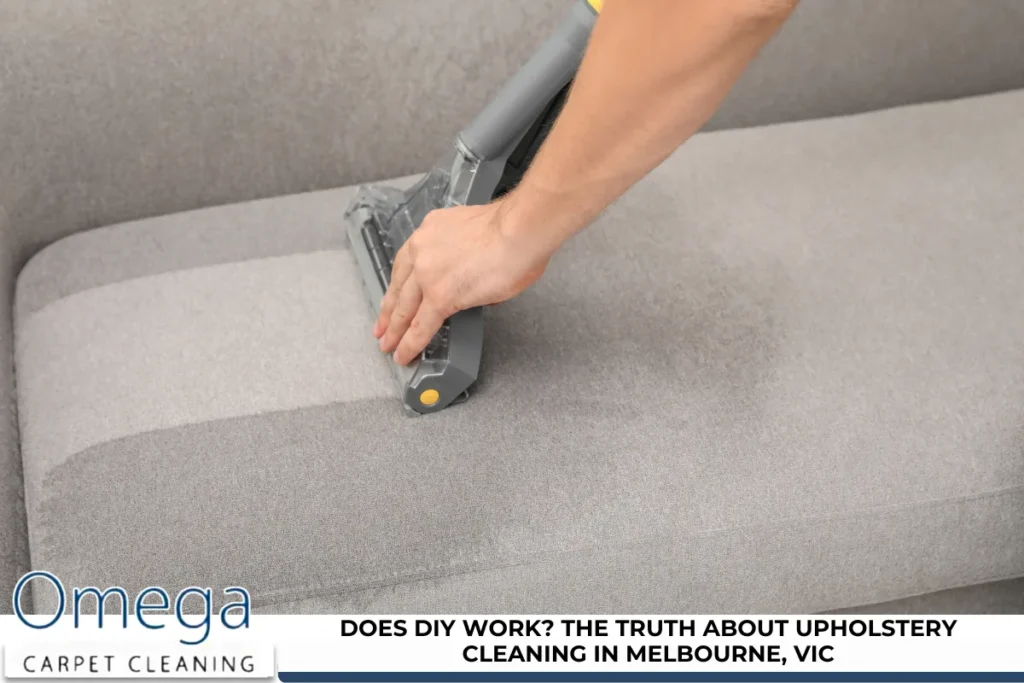
- Renting a Carpet Cleaner: You can rent a machine from places like Woolworths or Bunnings. It might cost around $40 for a day or $50 for the weekend.
- Buying a Machine: If you want to clean your carpets often, you might consider buying your own carpet shampooer. A good one could set you back $300 to $500.
- Cleaning Solutions and Accessories: Don’t forget the cleaning solutions and any extra tools you might need.
But wait, there’s more to consider! Think about the hidden costs:
- Your Time: Cleaning carpets takes time and effort. Is it worth spending your whole Saturday scrubbing away?
- Potential Damage: If you’re not careful, you could accidentally damage your carpet, leading to expensive repairs or even needing to replace the whole thing.
- Extra Products: Sometimes, you need special stain removers or extra cleaning solutions to get those tough spots out.
- DIY Carpet Cleaning Methods:
- Rented steam cleaner or carpet cleaning machine
- Household items: baking soda, vinegar
- DIY Tips and Tricks
- Carpet cleaning solution specifically designed for DIY
- Warm water and dish soap to spot clean stains
- Carpet brush or vacuum with rotating brush head
Professional Carpet Cleaning: Breaking Down the Price Tag

Now, let’s peek at what the professionals charge. Keep in mind that prices can change based on a few things:
- Room Size: Some cleaners charge by the room, while others go by the square meter.
- Carpet Type: Different materials might need different cleaning methods, which can affect the price.
- Stain Level: Really tough stains might cost extra to remove.
- Extra Services: Want deodorising or stain protection? That’ll be an additional charge.
But it’s not all about the initial cost! There are long-term benefits to consider:
- Longer Carpet Life: Professional cleaning can help your carpets last longer by removing dirt and grime that damage the fibers.
- Less Frequent Cleaning: Because they do such a thorough job, you might not need to clean as often.
- Preventing Replacement: Taking good care of your carpets means you won’t have to replace them as soon.
If you’re thinking of hiring a pro, here are some questions to ask:
- “Are you part of a carpet cleaning association?”.
- “Do you have a certificate for carpet cleaning?”.
- “Do you have a guarantee in writing and insurance?”.
DIY vs. Professional: How Well Do They Clean?

Let’s be real – how well do each of these methods actually clean your carpets?
- DIY Cleaning:
- Good for small spills and quick touch-ups.
- Might struggle with tough, set-in stains.
- If you use too much water, it could lead to mould.
- Professional Cleaning:
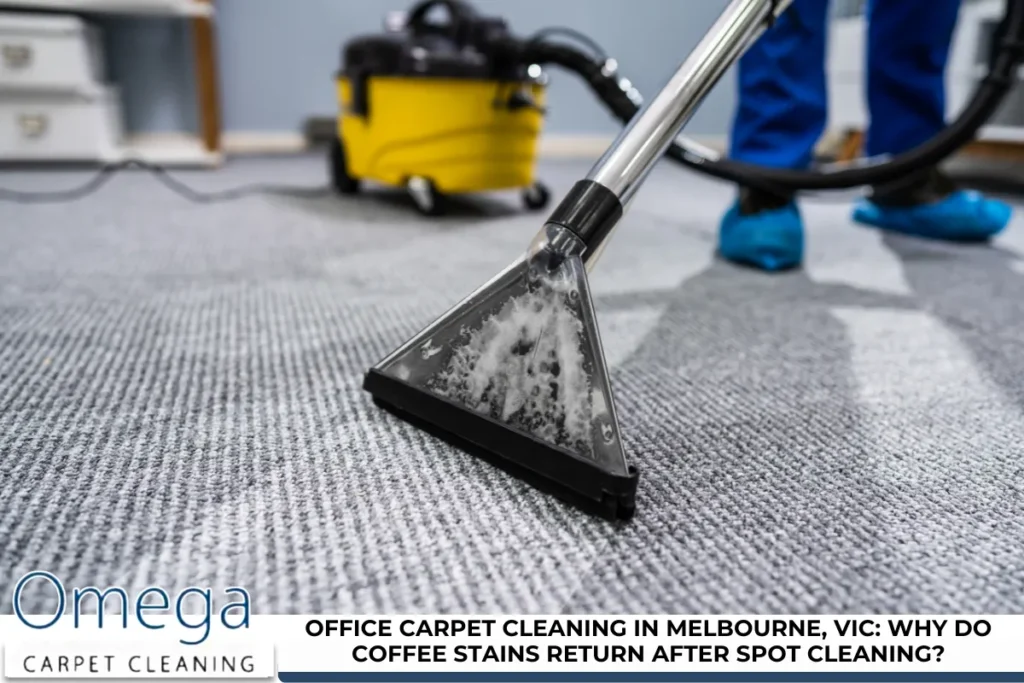
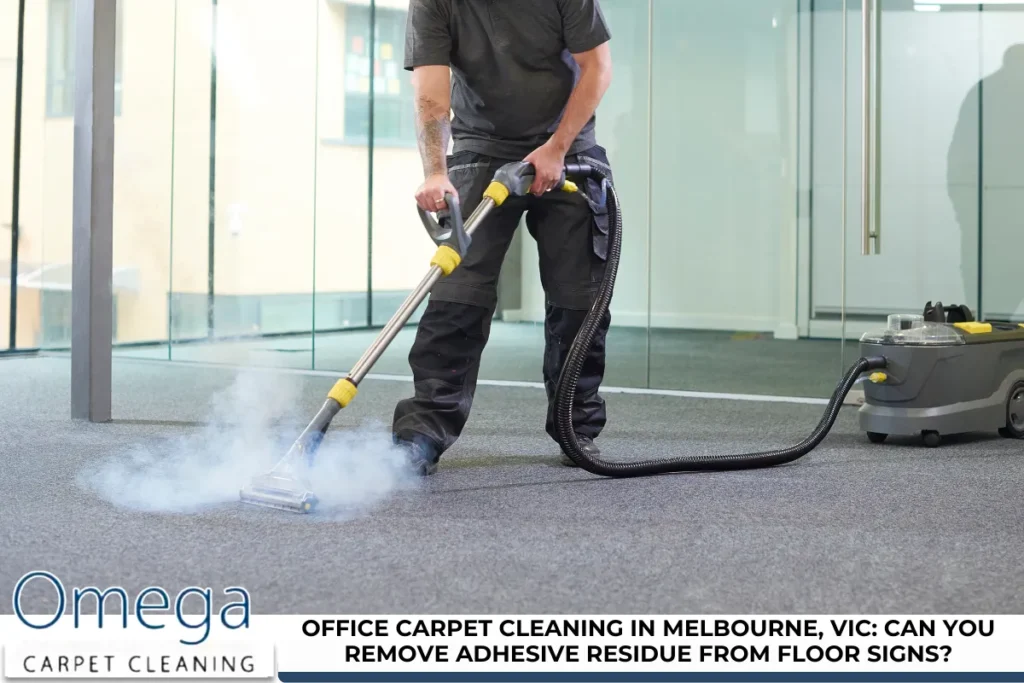
- They have powerful equipment that sucks out more dirt and water.
- They know how to handle different types of carpets and stains.
- They can get rid of allergens and bacteria that you can’t reach with a regular vacuum.
- Truck-mounted hot water extraction equipment
Uh Oh! Potential Problems with DIY Cleaning

DIY cleaning can be great, but you need to watch out for these common mistakes:
- Too Much Water: Soaking your carpet can cause mould and mildew to grow.
- Wrong Solutions: Using the wrong cleaning stuff can leave sticky stuff behind that attracts even more dirt.
- Not Rinsing Well: Make sure you rinse out all the cleaning solution, or your carpet will feel gross.
If you mess up, you could end up with:
- Discoloration
- Shrinkage
- Mould
- A voided carpet warranty
Is Your Health at Risk?
Believe it or not, some DIY carpet cleaning solutions have harsh chemicals that can irritate your lungs or cause allergies. Plus, if you don’t extract all the water, you could end up with mould. Professionals use safe products and make sure your home is well-ventilated.
Carpets can trap all sorts of nasty stuff, including:
- Mould spores
- Pollen
- Animal feces
- Bacteria
Time to Call in the Pros?

How do you know when it’s time to stop the DIY and call a professional carpet cleaner? Here are some signs:
- Stubborn Stains: If you’ve tried everything, and the stains just won’t budge.
- Smelly Carpets: Bad odors that won’t go away.
- Allergies: If your family’s allergies are acting up.
- Visible Dirt: When your carpet looks dull and dirty, even after vacuuming.
- Water Damage: If you’ve had a leak or flood.
- Traffic Areas: Areas with high foot traffic tend to accumulate dirt and wear faster
- Smokers or Pets: Carpets get dirtier quicker when you have smokers, small children or pets
Why Professional Expertise Matters
Carpet cleaning pros know their stuff!
- They understand different carpet types and how to clean them.
- They have special equipment and techniques for different situations.
- They can get rid of stains and odors that you can’t handle on your own.
- Carpet Cleaning Services:
- Carpet steam cleaning
- Rug cleaning
- Sanitisation and deodorising
- Carpet dry cleaning
- Odor and carpet stain removal
Keep Your Carpets Clean: How Often?

To keep your carpets in tip-top shape, aim to deep clean them at least once a year. If you have pets, kids, or smokers in the house, you might need to clean them more often.
Here are some quick tips for keeping your carpets clean:
- Vacuum regularly.
- Clean up spills right away.
- Sprinkle baking soda to get rid of odors.
Beyond Carpets: Other Cleaning Options
While you’re at it, you might also want to think about cleaning your:
- Upholstery
- Mattresses
- Tile and grout
- Home and office cleaning
- Vacate cleaning services
The Bottom Line: Making the Right Choice for Your Carpets
So, is it cheaper to clean your own carpets? It really depends on your situation. DIY cleaning can save you money upfront, but it comes with risks and might not be as effective. Professional cleaning costs more, but it’s safer, more thorough, and can extend the life of your carpets.
Do you value spotless savings over the risks of DIY and hire a carpet cleaning pro, or save money and do it yourself?
Think about your budget, your time, and how important it is to have super clean carpets. Weigh the pros and cons, and make the choice that’s best for you and your home!
Melbourne Carpet Cleaning – Omega Carpet Cleaning

Thinking about DIY carpet cleaning to save money? Think again! At Omega Carpet Cleaning, we provide expert Melbourne carpet cleaning services that go beyond what rental machines can achieve. DIY methods often leave behind excess moisture, detergent residue, and hidden dirt, leading to faster re-soiling and even mold growth.
Our professional carpet cleaning removes deep-seated dirt, allergens, and stains while extending your carpet’s lifespan. Plus, we use eco-friendly solutions that are safe for your family and pets. With our advanced equipment and years of experience, we ensure a deep clean without the hassle or hidden costs of DIY attempts.
Save time, effort, and money—call Omega Carpet Cleaning today at 0406 996 819 for a free quote. Experience a deeper, longer-lasting clean and freshen up your home the right way. Book now and enjoy spotless carpets with zero stress!
Carpet Cleaning DIY vs. Pro FAQs
What carpet cleaning jobs are better left to the professionals?
While DIY methods can handle light cleaning, certain situations require professional intervention. Extensive stain removal, especially for stubborn stains like red wine or pet accidents, often needs specialized solutions and equipment that only professionals have access to. Tackling significant dirt accumulation in high-traffic areas also benefits from professional-grade equipment that can extract deeply embedded dirt and grime. Addressing specific issues such as water damage is crucial because professionals can prevent mold growth and structural damage with their drying equipment. Professionals possess the specialized knowledge, equipment, and expertise to handle complex carpet cleaning tasks effectively and prevent further damage.
How can I thoroughly vet and identify a reputable carpet cleaner to ensure quality service?
To identify a reputable carpet cleaner, it’s important to look beyond just pricing. Check for certifications from industry organizations, which indicate that the cleaner has undergone professional training. Confirm that they are members of professional associations, suggesting adherence to a code of ethics and best practices. Ensure they possess adequate insurance coverage, including public liability insurance, to protect against potential damages. Finally, check online reviews and testimonials on independent platforms to gain insights into their service quality and reliability.
What are the key considerations when deciding between DIY and professional carpet cleaning?
When deciding between DIY and professional carpet cleaning, consider several factors beyond just the immediate cost. Evaluate the extent of cleaning required—DIY may suffice for minor stains and maintenance, but professional services are better for comprehensive cleaning. Assess your budget and time availability, as DIY can be time-consuming. Also, consider your risk tolerance, as incorrect DIY methods can damage your carpet. Professional services are preferable for addressing specific carpet issues, ensuring a thorough and safe cleaning process.
What are some potential long-term cost benefits of professional carpet cleaning?
Investing in professional carpet cleaning offers several long-term cost benefits. Professional cleaning can extend the life of your carpet by removing dirt and debris that damage fibers, preventing the need for premature replacement. Regular professional cleaning can also improve indoor air quality by removing allergens and contaminants, potentially reducing healthcare costs related to allergies and respiratory issues. Additionally, professional cleaning helps maintain the carpet’s appearance, preserving its value and appeal over time.
What DIY cleaning solutions are genuinely safe and effective for carpets, and how should they be used?
For safe and effective DIY carpet cleaning, certain solutions stand out. A mixture of warm water and mild dish soap can be used for spot cleaning stains, but ensure the soap is gentle and doesn’t contain harsh chemicals. Baking soda is excellent for odor removal—sprinkle it on the carpet, let it sit for a few hours, and then vacuum it up. Always test any cleaning solution in an inconspicuous area first to ensure it doesn’t damage or discolor the carpet. Avoid using excessive amounts of any solution to prevent residue buildup and potential damage.
How can I prevent damage when cleaning my carpets myself?
To prevent damage when cleaning carpets yourself:
- Avoid overwetting the carpet. Overwetting can lead to mold growth, unpleasant odors, and damage to the carpet backing.
- Use the correct cleaning solutions. Incorrect detergents can cause discoloration or damage the carpet fibers.
- Ensure thorough rinsing and drying. Failing to rinse out cleaning solutions can leave sticky residues that attract more dirt.
Following these precautions minimizes the risk of issues such as mold growth, discoloration, and fiber damage, helping to prolong the life of your carpet.
What factors affect how long it takes a carpet to dry?
Besides temperature and ventilation, several subtle factors affect carpet drying time. Fiber type plays a significant role—synthetic fibers like nylon typically dry faster than natural fibers like wool. Carpet pile also matters, as high-pile carpets hold more moisture and take longer to dry. The humidity level in the environment affects drying time, with lower humidity promoting faster drying. Even the effectiveness of the water extraction during cleaning influences drying time, as thorough extraction leaves less moisture behind. Steam cleaning may leave the surface lightly damp and safe to walk on right away. Proper ventilation, using fans or opening windows, can help speed up the drying process and prevent moisture-related issues.