
Why Your Office Carpet Looks Tired So Quickly
Commercial carpet cleaning is one of those things most Melbourne offices only think about when the floor already looks bad. You vacuum daily, spot-treat the obvious coffee rings and still the carpet looks dull, patchy or just off. Visible traffic lanes indicate a buildup of dirt and require attention, yet many workplaces ignore the signs until clients or staff start commenting. In busy CBD and inner suburbs offices, dingy flooring can quietly undermine brand image, cleanliness perception and even staff wellbeing. So the real question is this: is your carpet just dirty and salvageable with a proper deep clean, or is it genuinely worn out and heading for replacement? This guide gives you practical checks, Melbourne-specific considerations and clear next steps to help you decide.
Key Takeaways
- Office carpets can look tired from removable soiling such as embedded dirt, stains and odours, or from permanent wear like bald patches, frayed seams and flattened pile that no amount of washing will fix.
- Simple visual and touch tests help office managers in Melbourne decide between booking a professional carpet cleaner and planning a full replacement.
- Regular hot water extraction in commercial spaces extends carpet lifespan by years, improves indoor air quality and supports a professional business image.
- Using qualified cleaning services familiar with Victorian standards helps workplaces avoid mould, lingering odour issues and unnecessary flooring costs.
Dirty vs Worn: How to Tell What Is Really Wrong with Office Carpets
The distinction matters more than most people realise. Soiling is removable contamination sitting on or within the carpet fibres: dust, grit, oils, food particles and organic matter that professional equipment can extract. Wear is permanent or semi-permanent damage to the fibres themselves, the pile structure, or the backing material underneath. Carpets can appear clean on the surface while still harbouring deep soil that only shows under certain lighting or after humidity rises.
Signs your carpet is mainly dirty:
- Overall dingy or grey tone across traffic areas, but pile is still present and intact
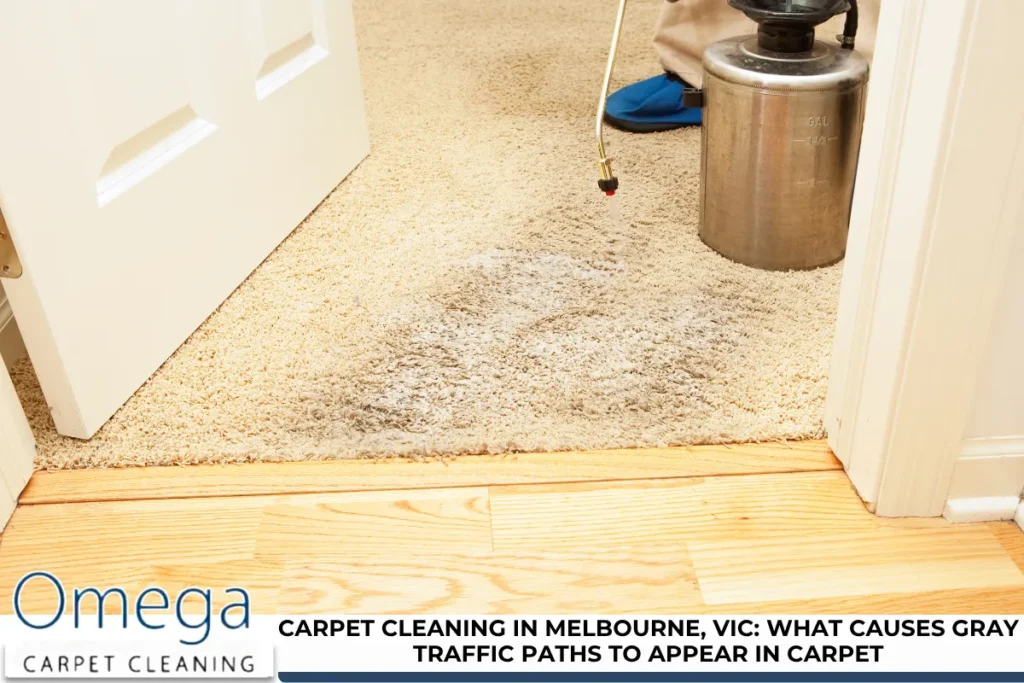
- Dark lanes near reception, kitchens and corridors where foot traffic is heaviest
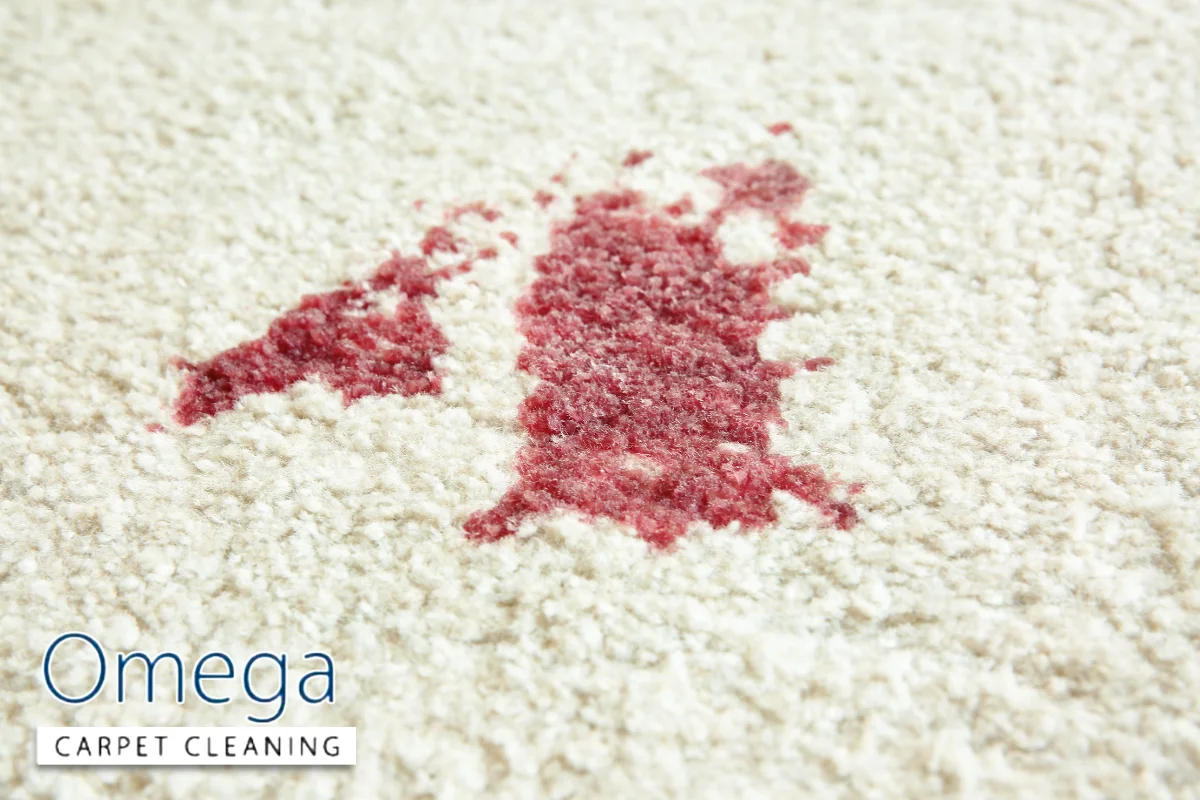
- Coffee, ink and food stains that have not been professionally treated
- Grey or brown edges along skirting boards where dust accumulates
- Musty or stale odours that get worse on humid days
Signs your carpet is worn out:
- Bald or shiny patches where fibres are gone and backing is visible
- Frayed edges at doorways, thresholds and seam lines
- Ripples, buckling or loose sections that create trip hazards
- Permanent discolouration that has not responded to previous cleaning methods
- High-traffic areas showing fibre distortion that cannot be removed by any process
A simple comparison test helps: look at carpet hidden under heavy furniture or in a rarely used corner, then compare it to the open walkways. If a professional clean in the past brought colour back to those walkways, the problem was soil. If old carpets still looked dirty after professional cleaning, it is likely fibre damage. Documenting carpet condition with dated photos over time helps you build a case for increased maintenance budgets or justify replacement to building owners and property managers.
Visual and Touch Clues That Office Carpet Is Just Dirty
This section focuses on practical inspection steps any office manager can do without specialist tools. Most of the time, what looks like a worn-out carpet is actually a carpet washing problem, not a flooring replacement issue.
Visual indicators of removable soiling include dark traffic lanes near reception and kitchen areas, spots and shadowing on stairs, patchy colour where desk chairs roll, and a generally dull appearance across zones that get the most foot traffic. Deep stains from drinks, food or toner can look alarming but are often treatable if addressed before they set permanently. Certain stains can become permanent due to long-term neglect, so timing matters.
Touch-based checks are equally useful. Run your hand across the pile in a high-traffic zone. If the surface feels slightly rough, stiff or sticky underfoot, that is usually oil and soil buildup rather than fibre loss. Press down firmly with your fingers. If the carpet fibres spring back when released, they still have resilience, which points to soiling rather than structural damage.
Odour checks matter too. Persistent odours are often caused by trapped moisture or organic matter deep in the pile or backing. Musty or food-related smells that intensify on humid Melbourne days usually indicate soil and moisture that a targeted odour removal treatment can address. Where the design pattern is still clear and uniform but the overall look is dulled, steam cleaning that penetrates deep layers of carpet fibres can usually restore a much fresher appearance. Vacuuming removes surface debris but not embedded dirt, which is exactly why periodic professional intervention is necessary.
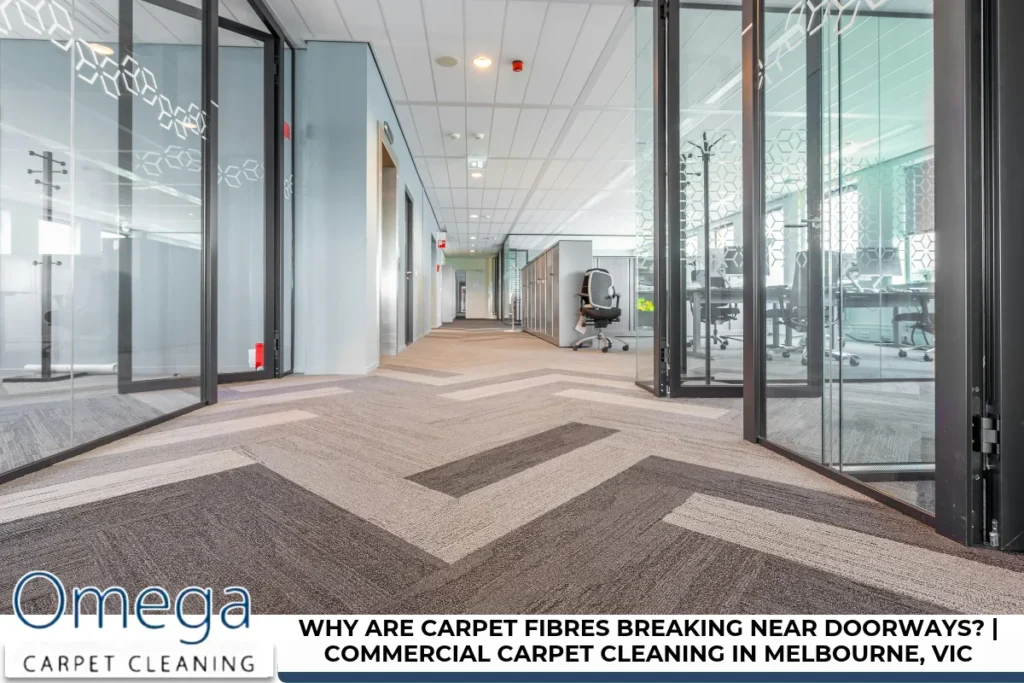
Read Why Are Carpet Fibres Breaking Near Doorways? | Commercial Carpet Cleaning in Melbourne, VIC
Signs Your Office Carpet Is Truly Worn Out and Past Its Best
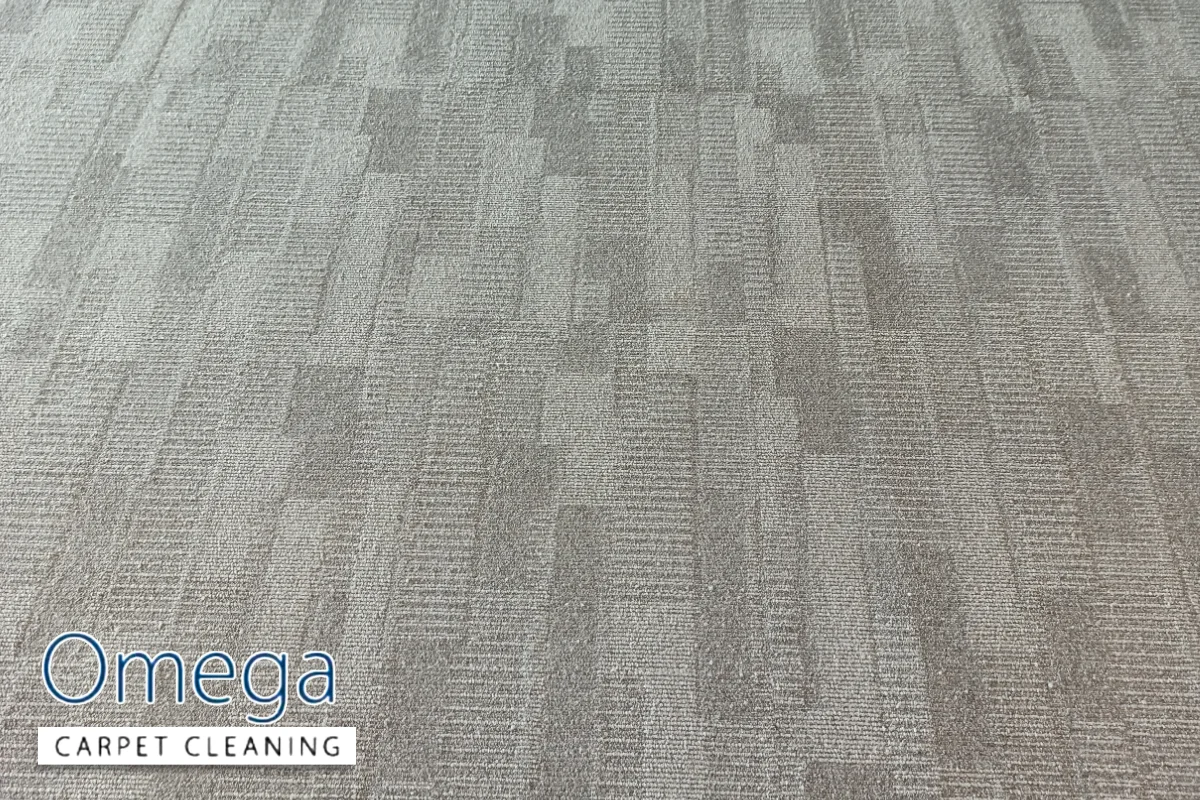
Some issues sit beyond what even advanced carpet cleaning equipment can fix. If your carpet has reached this stage, investing in more cleans without addressing the root cause wastes money.
Indicators of permanent wear include:
- Crushed pile in corridors and lift lobbies that does not recover after vacuuming or professional treatment
- Visible backing material in high-traffic lanes, especially near entry points
- Frayed edges and loose seams that may require localised repairs or re-seaming
- Ripples and buckling that pose trip hazards and may breach workplace safety expectations under Victorian regulations
- Glossy or flattened patches, particularly under swivel chairs, that feel hard and smooth rather than textured
Flattened carpet fibres may indicate permanent damage, requiring replacement rather than further cleaning. Professional cleaning may not reverse permanent discolouration caused by chemicals, UV bleaching or years of neglect. Most commercial-grade carpets have a functional lifespan of 5 to 10 years depending on fibre type, construction and how well they have been maintained. Nylon tends to hold up longest in heavy commercial zones, while polypropylene is more affordable but shows crushing sooner.
Replacement may be necessary if water damage or mould is present in the carpet underlay or backing. If you have access to warranty documentation or the original specification from your flooring supplier, review it before making a decision. To maintain carpet appearance over time, a combination of cleaning and timely repairs is essential. Consult a professional carpet technician who can give you an honest assessment of what is realistically achievable with further cleaning versus what needs to come up.
Health, Hygiene and Workplace Image in Melbourne Offices
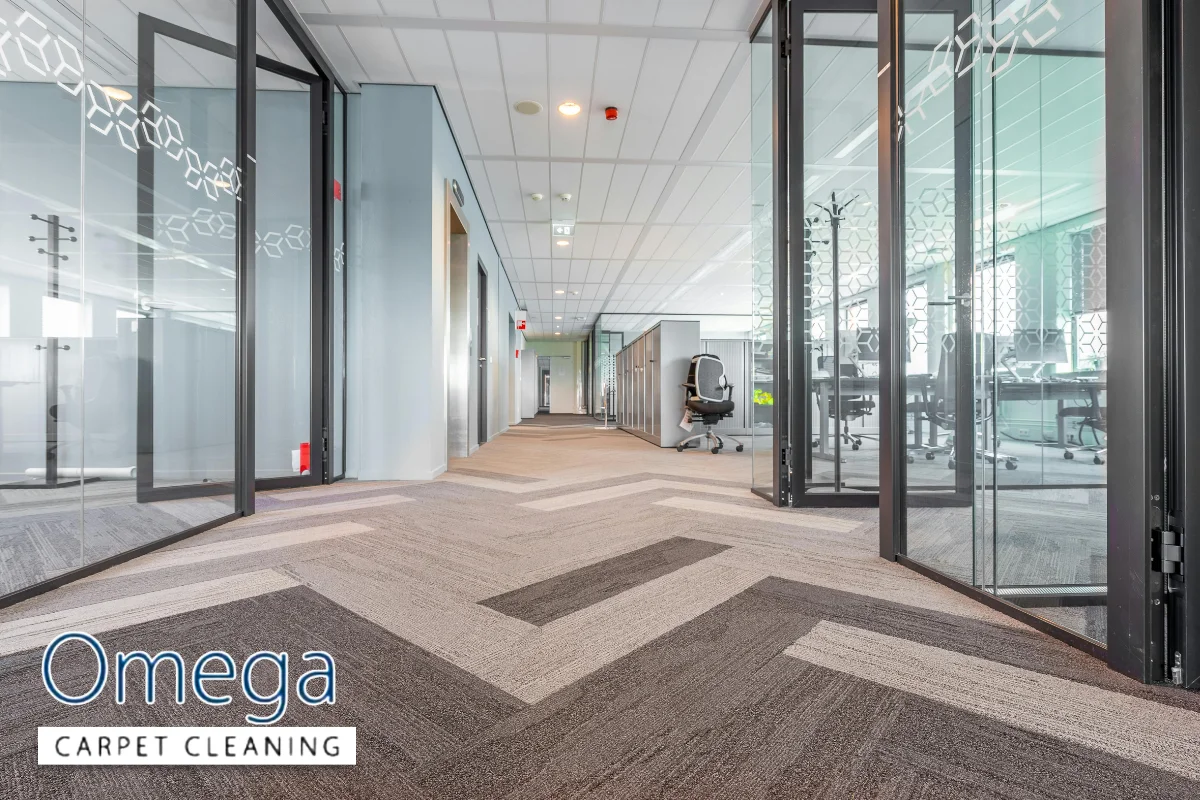
Carpet condition goes beyond aesthetics. In sealed, air-conditioned buildings common across Melbourne’s commercial precincts, embedded dirt, dust and allergens build up in the pile and can be released into indoor air with every footstep.
Hot-water extraction effectively eliminates the vast majority of deeply embedded bacteria, dust mites, pollen, and organic contaminants from carpet pile, which is a significant factor in offices where respiratory health, sick leave and general comfort all tie directly to indoor air quality. Dust accumulation can result from poorly maintained carpets, contributing to allergy symptoms and reduced concentration. Residual moisture left after improper cleaning can also lead to mould growth in carpets, creating a more serious health and compliance problem.
Spilled food, drinks and moisture tracked in from wet Melbourne pavements can harbour bacteria and mould if left untreated in the carpet backing. Professional carpet cleaning is frequently required to meet make-good obligations in commercial lease agreements across Victoria, ensuring premises are handed back in a compliant condition. Facility managers and commercial property owners benefit from maintaining carpet hygiene to protect occupant health, safeguard asset value, and support tenant retention.
Lingering odours in meeting rooms and common areas can negatively influence client perception, even if the rest of the office is spotless. Setting a regular inspection and maintenance schedule for carpets, just as many businesses already do for HVAC servicing, makes practical and financial sense.
Professional Cleaning Methods That Work for Office Carpets
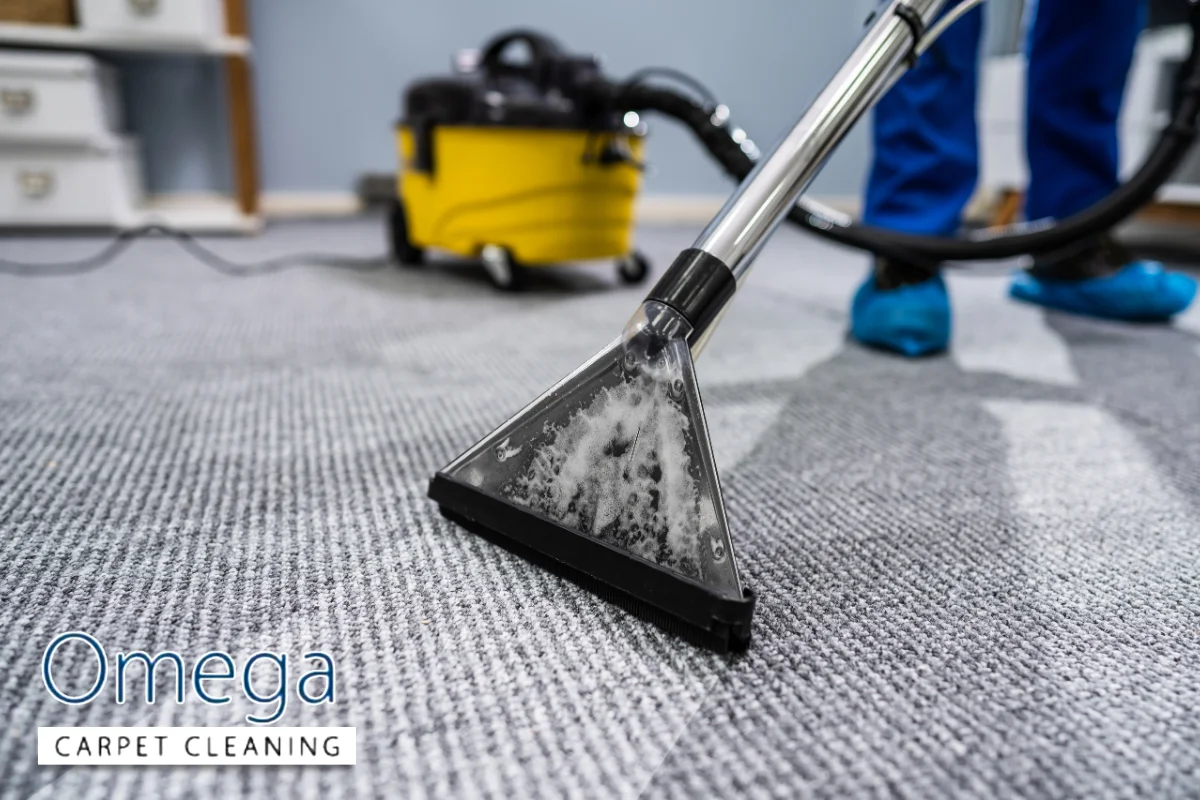
Not all cleaning methods deliver the same results in commercial premises with heavy foot traffic. Understanding the difference helps you ask the right questions when getting quotes.
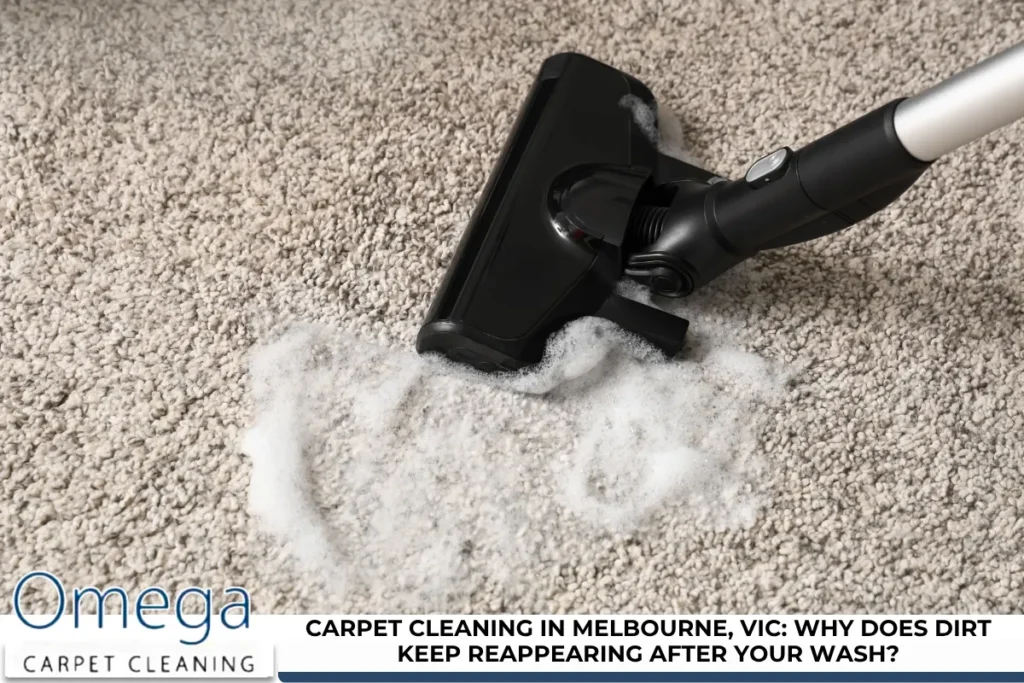
Hot water extraction is the most recommended cleaning method for commercial carpets. It involves injecting heated water and a detergent solution under controlled pressure into the pile, agitating the fibres, then using powerful vacuum extraction to pull out soil, soap residue and contaminants. Hot-water extraction effectively eliminates the vast majority of deeply embedded bacteria, dust mites, and common household allergens and reaches deep into the pile where vacuuming alone cannot. Professional carpet cleaning typically dries within 4 to 8 hours, depending on proper ventilation and airflow management. Drying time is a critical consideration in offices that operate on tight schedules.
For offices needing faster drying or more frequent interim maintenance, low-moisture encapsulation systems offer an effective alternative. Encapsulation crystallises soil particles so they become brittle and can be removed with standard vacuuming. This method suits moderate soiling between deeper restorative cleans and allows areas to be walked on more quickly.
Experienced commercial operators choose methods based on carpet fibre type, the level of embedded dirt, backing condition, and the building’s ventilation and drying conditions. When comparing cleaning services, ask about their machines, expected drying time, how they manage moisture in Melbourne’s variable climate, and whether they carry professional equipment rated for commercial-grade flooring.
When to Clean, When to Replace: Cost and Timing Decisions
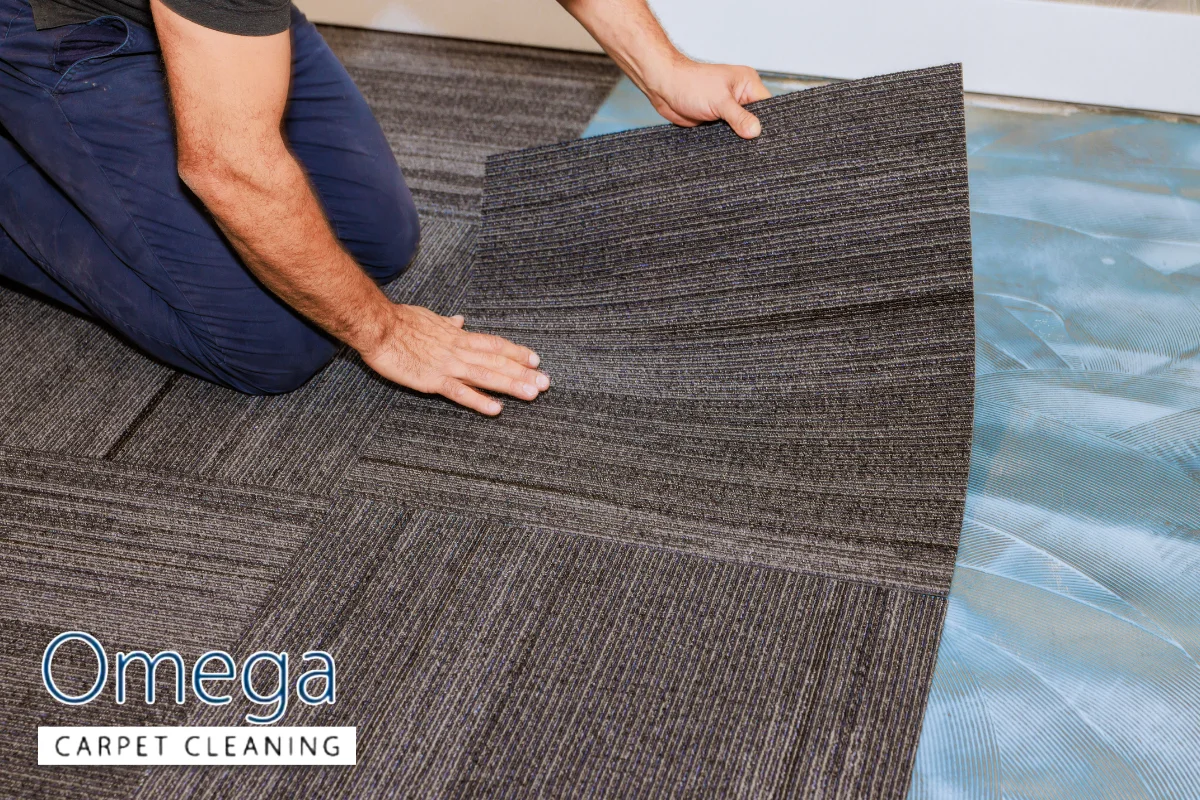
This is ultimately a budgeting decision for facility managers, strata committees and business owners. Getting it right can save thousands.
Typical triggers for booking a professional carpet cleaner include visible soiling in main walkways, odour complaints from staff, seasonal deep cleans after winter, and preparation for important client visits or audits. Commercial carpets typically require professional deep cleaning every 3 to 6 months in high-traffic environments. Very high-traffic environments may need carpet cleaning every 4 to 8 weeks. For standard offices with moderate foot traffic, professional carpet cleaning every 12 to 18 months is recommended as a baseline, adjusted upward if the space handles food, has nearby construction, or experiences heavy wet-weather foot traffic.
Triggers for replacement include safety concerns from ripples or loose carpet, extensive wear across multiple zones, or carpets reaching or exceeding their expected commercial life. In Melbourne, replacement carpet costs around AUD 37 to 100 per square metre supplied and installed, while commercial cleaning runs roughly AUD 3 to 7 per square metre for hot water extraction. The maths is clear: regular professional cleaning can extend carpet lifespan by years, delaying a costly replacement and reducing operational disruption.
A practical decision approach: obtain an inspection and quote from a qualified carpet cleaner, ask what improvement they realistically expect, and compare that with quotes for partial or full replacement. Regular maintenance cleans almost always deliver the best results over time.
Practical Maintenance Tips to Keep Office Carpets Looking Better for Longer
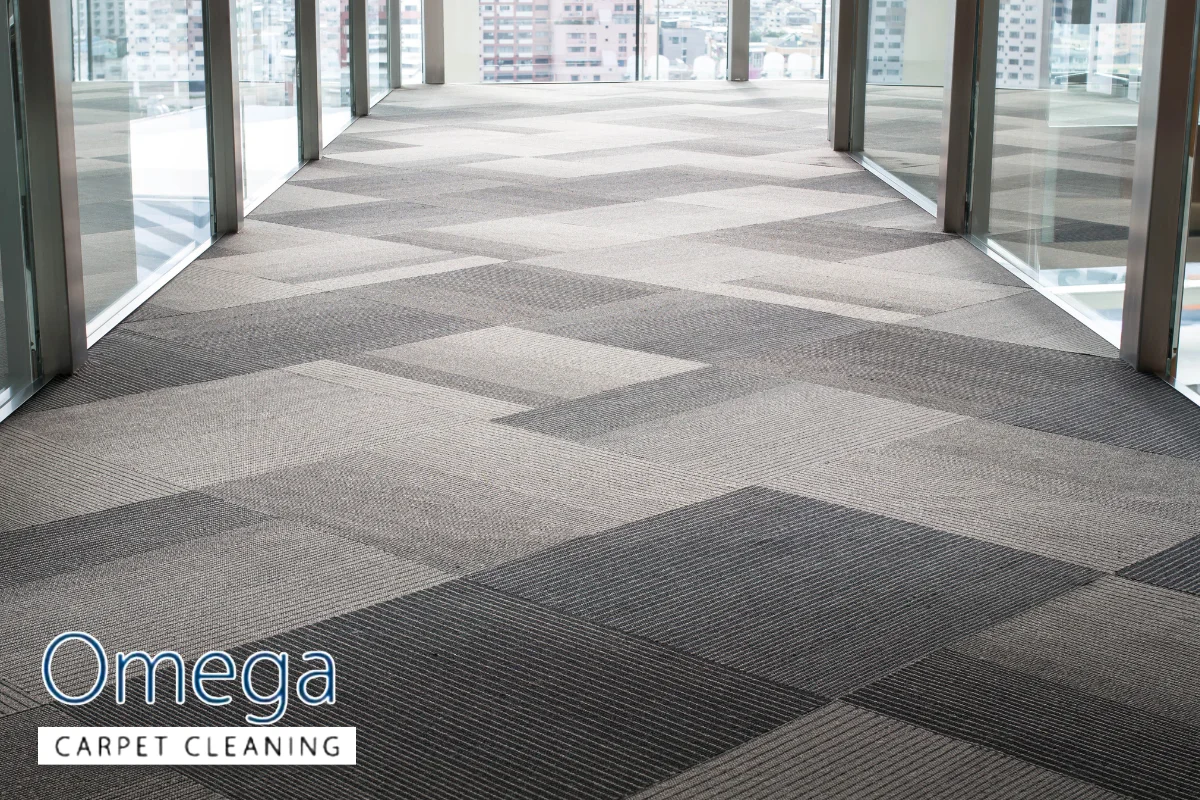
Prevention is the cheapest form of carpet care and the easiest way to maintain quality and a fresh, professional look.
Daily and weekly tasks:
- Regular vacuuming with a commercial-grade machine in high-traffic areas, at minimum daily in corridors and entries
- Prompt attention to spills using clean white cloths and blotting rather than rubbing, which can damage fibres
- Rotation of furniture where possible to reduce concentrated wear patterns
Preventative measures:
- Implementation of entrance mats at building doors and lift lobbies can capture debris before it reaches the carpets, trapping up to 80 percent of incoming soil
- Chair mats under desk chairs to protect swivel zones from pile distortion
- Staff training or simple printed spill-response guidelines in kitchen and breakout areas
Ongoing planning:
- Establish a written carpet maintenance plan that includes scheduled deep cleans, spot treatments and periodic condition reviews
- Effective carpet maintenance strategies should consider traffic levels and hygiene requirements specific to each zone
- Regular vacuuming along with professional cleaning improves overall carpet maintenance and prevents ground-in dirt from becoming embedded contaminants
- High-traffic environments should call for carpet cleaning every 3 to 6 months, with lighter zones on longer cycles
Commercial Carpet Cleaning in Melbourne, VIC – Omega Carpet Cleaning
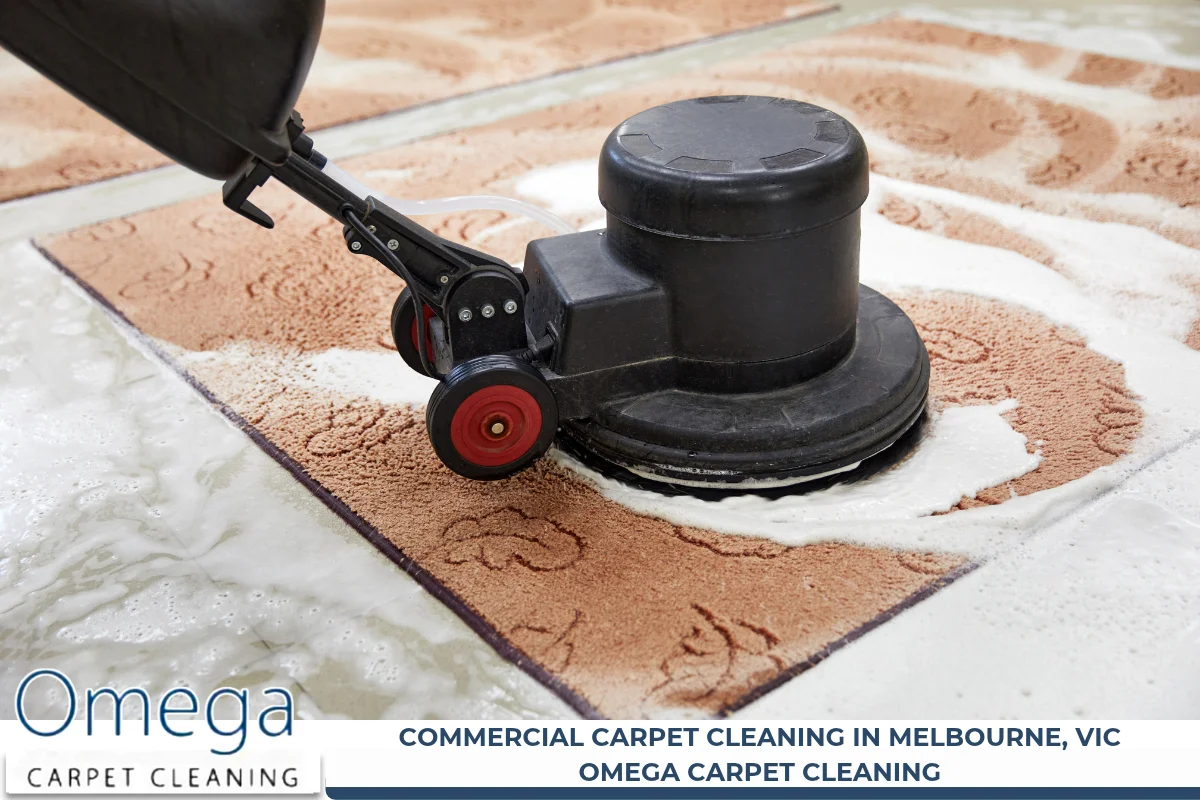
We are Omega Carpet Cleaning, and we specialise in commercial carpet cleaning for offices, retail spaces and workplaces across Melbourne, Victoria and surrounding suburbs. Our team understands that busy offices need minimal disruption, which is why we offer flexible booking times including early mornings, evenings and weekends. We use powerful hot water extraction systems and targeted treatments to tackle stains, odours and heavy traffic lanes that make your workplace look tired. Whether your carpets need a restorative deep clean or you want an honest assessment of whether replacement makes more sense, we are here to help. Call us on 0406 996 819 or fill out our contact form for a tailored quote, professional inspection or straightforward advice. At Omega Carpet Cleaning, we focus on consistent results, clear communication and keeping your reception areas, meeting rooms and open-plan offices looking their best.
Frequently Asked Questions
How Often Should Office Carpets in Melbourne Be Professionally Cleaned?
Frequency depends on foot traffic volume, the type of business and indoor environmental factors. A general guideline is every 6 to 12 months for standard office environments, increasing to every 3 to 6 months for reception-heavy or client-facing spaces. Offices that handle food, operate near construction sites or experience heavy wet-season foot traffic should consider even more frequent schedules. Melbourne’s changeable weather means carpets can absorb more moisture during autumn and winter, accelerating soil buildup. A site assessment by a professional carpet cleaner can help tailor an appropriate schedule that balances appearance, carpet hygiene and budget without over-servicing quieter zones.
Can Professional Cleaning Fix Ripples and Buckling in Office Carpets?
Ripples and buckling are usually caused by installation issues, movement or degradation in the carpet underlay, or age-related stretching. These problems cannot be fixed by cleaning alone. Some minor rippling may improve slightly as fibres relax after a thorough clean and dry cycle, but any section that poses a trip risk or affects presentation typically needs re-stretching or repair by a qualified carpet layer or flooring contractor. A professional carpet cleaner can identify and flag these issues during an inspection, but rectification is a separate trade from standard cleaning. Building managers should address loose sections promptly to meet workplace safety obligations under Victorian regulations.
Is It Safe to Clean Office Carpets During Business Hours?
Safety and minimal disruption are the key considerations when scheduling workday cleaning. Some low-moisture methods allow limited zone-by-zone work while staff are present, but clear wet-floor signage and proper cord management are essential. There may be temporary odours from cleaning solutions, and proper ventilation in open-plan spaces is important for comfort and drying. Steam cleaning services that use hot water extraction generally produce more moisture and are better suited to after-hours or weekend sessions. Where possible, booking early-morning or evening appointments ensures carpets have adequate drying time and work areas are ready for staff on arrival the next business day.
Will Frequent Professional Cleaning Wear Out Office Carpets Faster?
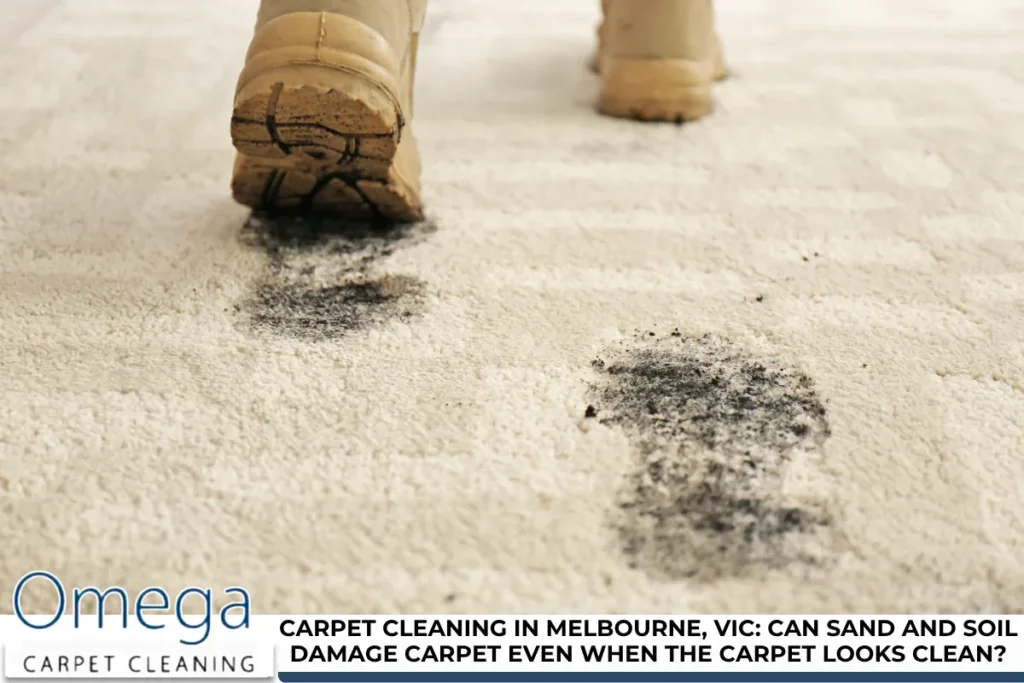
This is a common concern, but correct, industry-standard cleaning usually extends rather than shortens carpet life. The main causes of accelerated wear are gritty soil and constant foot traffic grinding abrasive particles against fibres, not the cleaning process itself. Professional cleaning can extend carpet lifespan by removing soil particles that act like sandpaper underfoot. Modern methods use controlled moisture and suitable chemistry to protect fibres while lifting contaminants. The risk comes from over-wetting, harsh chemicals or untrained operators who leave too much moisture behind. Choosing qualified providers with commercial experience and appropriate equipment minimises these risks and keeps your carpet in better condition for longer.
What Should We Do If a Large Spill Happens Between Scheduled Cleans?
Act quickly. Blot the spill with clean, white cloths or paper towels, working from the outside in to avoid spreading. Remove any solids carefully without pressing them deeper into the pile. Avoid strong household chemicals, bleach or coloured cloths, as these can set the stain or transfer dye. Record the time, substance involved and the affected area so a professional can treat it effectively. For large spills involving coloured drinks, oils, ink or anything that could cause lasting odour or a slip hazard, contact a commercial carpet cleaner promptly. Quick action and affordable professional spot treatment can prevent what would otherwise become a permanent mark.
Disclaimer
This article provides general information for Melbourne offices only and is not a substitute for site-specific assessment, legal advice, or manufacturer guidance on individual carpet products. Always consult qualified professionals for your specific situation.
Read What Causes Carpet Near Doorways to Discolour? | Carpet Cleaning in Melbourne, VIC