
Why Commercial Carpet Cleaning Matters When Fibres Fail at Doorways
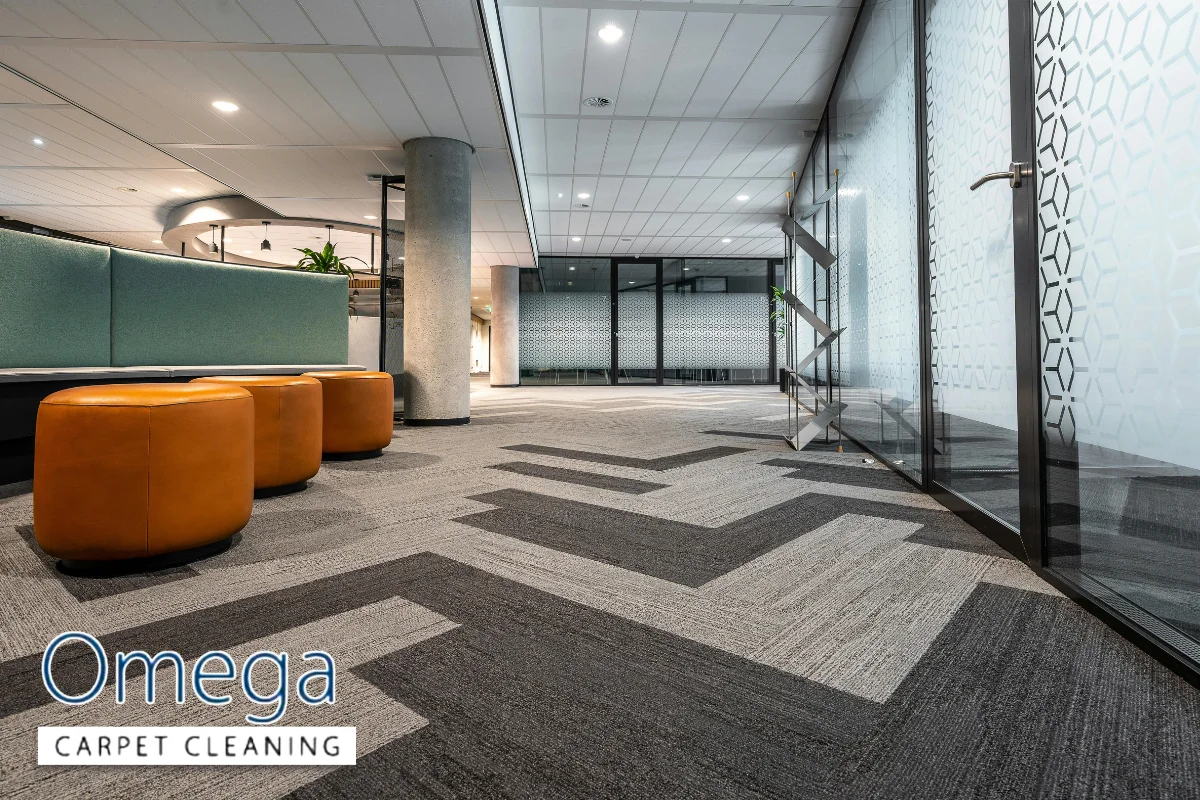
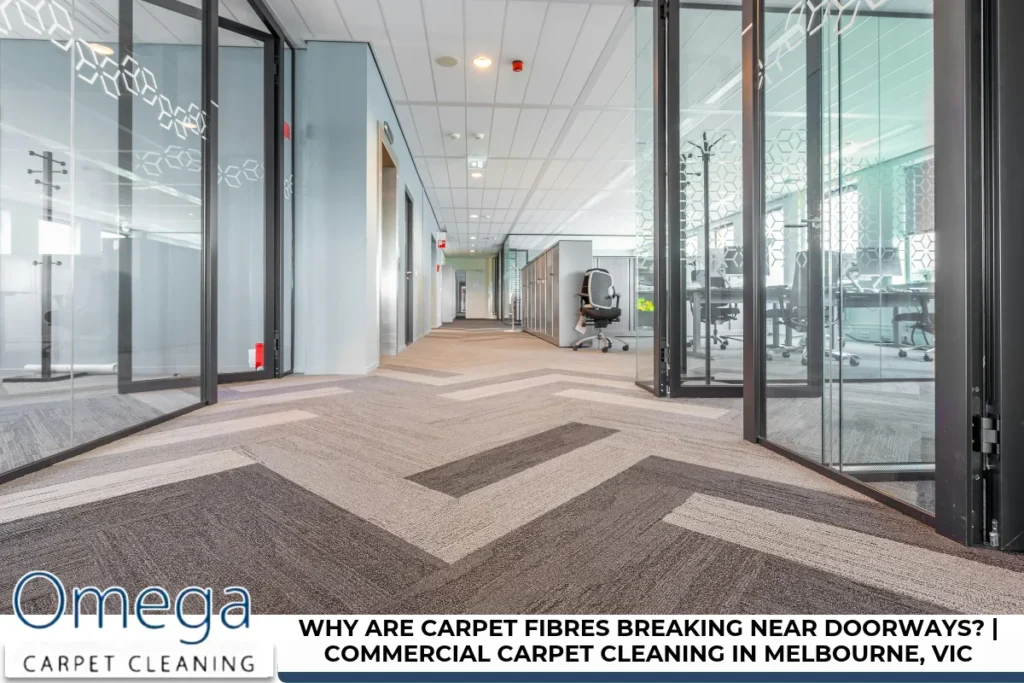
Commercial carpet cleaning is one of the most effective tools facility managers have when fibres start failing at busy doorways, yet many Melbourne offices only reach for professional help after visible damage has already set in. If you manage or maintain a commercial space anywhere across Melbourne CBD or the surrounding suburbs, you have almost certainly noticed it: carpet near doors looking thin, rough, or discoloured well before the rest of the floor shows any sign of age. That worn patch does more than look bad. It signals structural fibre loss that creates trip hazards, shortens overall carpet life, and makes your premises appear neglected to every visitor who walks through.
The causes are a mix of concentrated foot traffic, embedded dirt grinding away at fibres, moisture tracked in from outside, and sometimes, the wrong approach to carpet care itself. Professional carpet cleaning and targeted maintenance are the practical solutions that slow further breakdown and protect what is often a significant flooring investment.
Key Takeaways
- Constant heavy foot traffic, embedded dirt, and grit are the primary forces snapping and fraying carpet fibers at doorway zones.
- Sharp or poorly fitted thresholds, metal trims, and door hardware physically cut and abrade carpet pile at transitions.
- Some doorway damage is cleanable soil that responds to a professional deep cleaning, but broken carpet fibers and exposed backing are irreversible.
- Suitable commercial carpet cleaning schedules, combined with correct maintenance in Melbourne, VIC, significantly slow this damage and extend carpet life.
- Prevention through entrance mats, proper installation, and selecting the right carpet type is more cost-effective than repeated repairs.
What Actually Happens to Carpet Fibers Near Doorways?
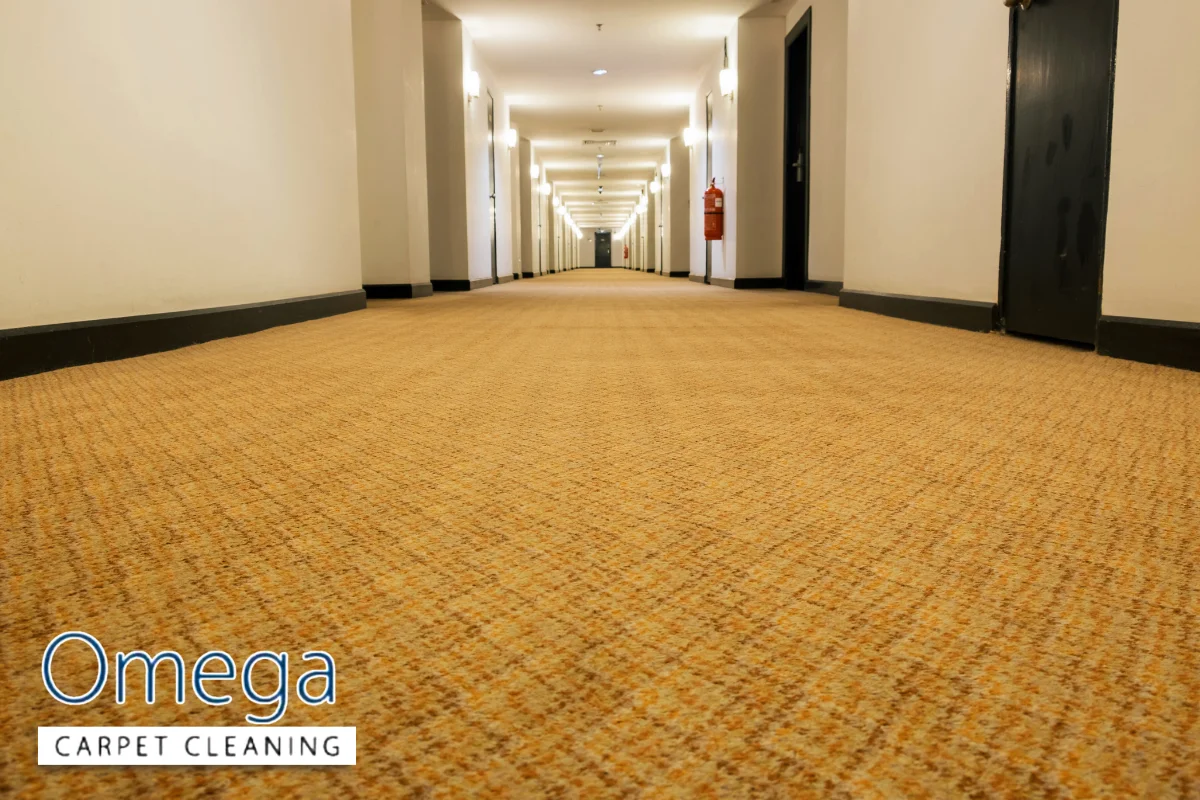
Fibre breakage is not the same as a carpet looking tired. It refers to the physical splitting, snapping, and fuzzing of individual filaments within the carpet pile, and in severe cases, completely exposed backing where tufts have been lost. Once you understand the mechanism, the pattern at doorways makes sense.
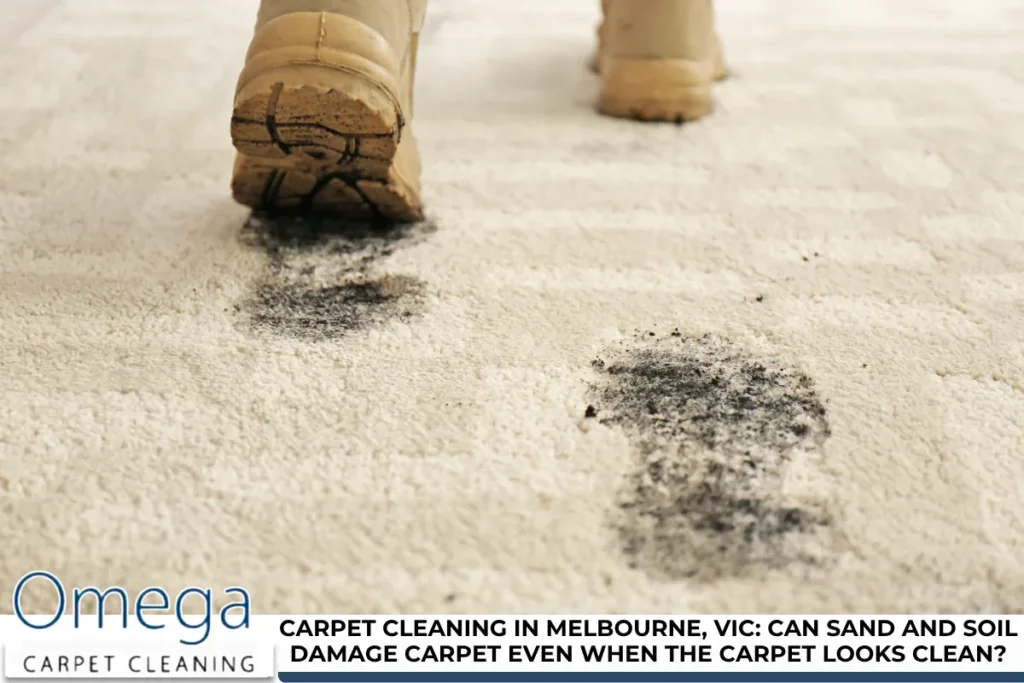
Every footstep bends and twists individual yarn filaments. At doorways, people pivot, drag heels, and change direction far more than in the middle of a hallway. These repeated movements create bending, twisting, and shear forces that push fibres past their fatigue limit. Dirt trapped in carpet fibers causes abrasion with each step, accelerating the damage. Fine dust and grit act like sandpaper on carpet fibers, grinding against them at the base of the pile where soil accumulates most heavily. Over time, dust settles in carpets, embedding and causing dullness that masks the structural harm happening underneath.
Mechanical abrasion also comes from above. Metal door bars, threshold strips, and sharp tile edges at transitions physically scrape and cut the carpet surface each time someone crosses. This kind of contact damage differs from normal pile flattening or matting, where fibres are compressed but intact and may recover with grooming or cleaning. When filaments actually snap, no amount of carpet washing or steam cleaning will rebuild the missing fibre structure. The damage is permanent.
Why Doorways in Melbourne Premises Wear Out First
Not all carpet areas age at the same rate. Doorways are predictable weak spots in any busy commercial building, and Melbourne’s climate and building layouts compound the issue.
Heavy foot traffic causes wear patterns on carpets near doorways because every person entering or exiting a tenancy, meeting room, kitchen, or lift lobby must pass through the same narrow opening. Outdoor shoes carry soil and grit that damage carpet fibers, and in Melbourne, rain and construction dust from nearby streetworks add to the load. Shoes can carry dirt that damages carpet fibers even when pavements appear clean, because fine particles cling to soles and are deposited with every step onto interior flooring.
High-traffic zones experience faster fiber breakdown simply due to volume. A Melbourne CBD office foyer receiving several hundred visitors daily will concentrate almost all of its soil ingress within a few square metres around each entrance. Moisture from rain, umbrellas, and coffee runs also contributes, because moisture can cause stains, mold, and fiber breakdown when it repeatedly saturates the pile and backing at thresholds. Typical commercial layouts make the problem worse. Narrow door openings, reception entries, and kitchen doorways all create traffic bottlenecks where wear is magnified.
Common Causes of Carpet Fibre Breaking Near Doorways
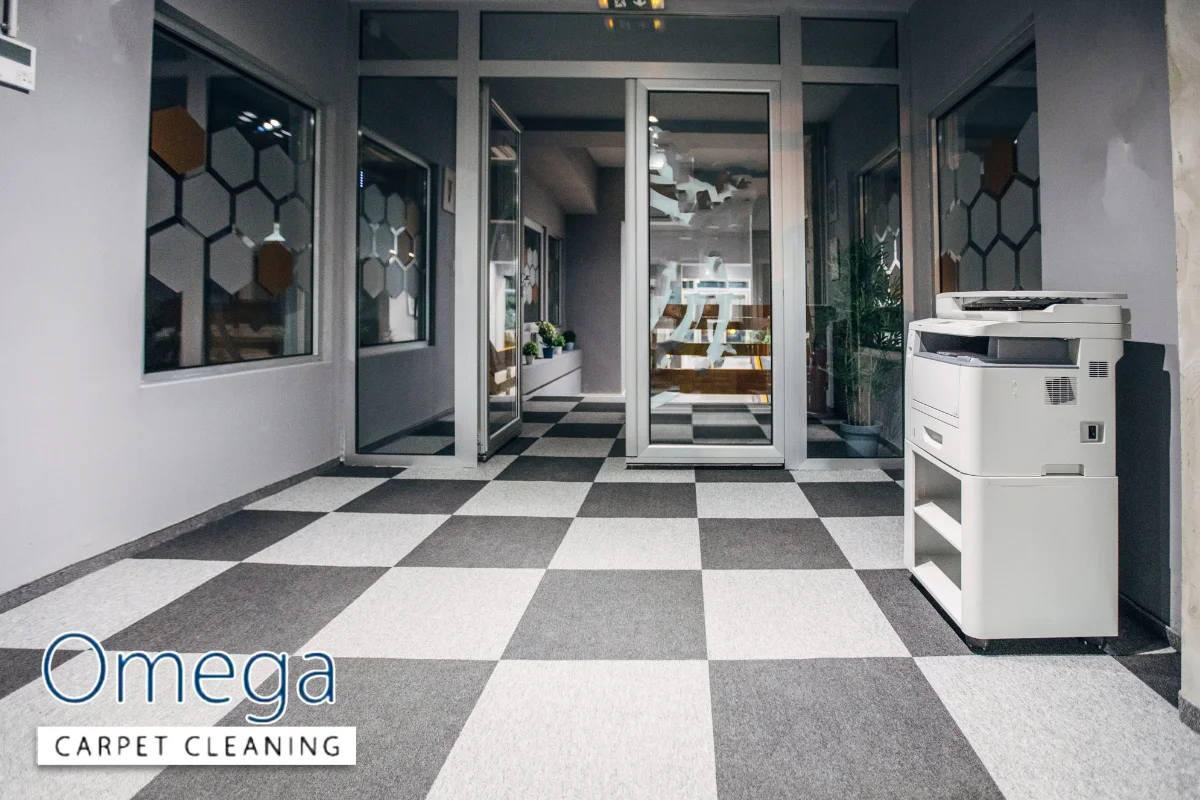
Several specific forces work together to break down carpet fibers near doors. Understanding each one helps you target prevention where it matters most.
Abrasive embedded dirt is the leading culprit. Every grain of sand or particle of grit lodged in the carpet pile acts as a cutting tool, slicing into filaments each time weight is applied. In busy areas around entrances, this abrasive load builds quickly and cuts through fibre tips, especially in cut-pile constructions. The result is fuzzing and thinning that progresses from the surface downward.
Hard-soled shoes, trolley wheels, and office chairs moving across doorway edges apply concentrated mechanical pressure. Where the carpet meets tile or vinyl, compressive and shear forces focus on a narrow band of pile, accelerating fibre loss along that line. Carpet fibres break due to concentrated foot traffic at these pinch points.
Poor installation is another common factor. Improper transition strips can rub against carpet edges and cause damage over time, while door clearance issues can lead to carpet fibres being damaged by door movement every time it swings open or closed. Loose seams at doorways fray quickly, and carpet that was not power-stretched correctly during installation pulls away from gripper strips, placing constant tension on edge fibres.
Moisture plays a consistent role. Wet carpets are more vulnerable to mold and mildew, and dampness can cause carpet fibers to lose resilience. Repeated minor water tracking at entrances weakens the latex adhesive that holds tufts in place, leading to fibre shedding and backing separation. Low humidity can also cause carpet fibres to become brittle and snap under pressure, a factor relevant in air-conditioned Melbourne offices during drier months.
Finally, improper cleaning can damage carpet fibers and backing. Harsh chemicals with high pH, aggressive scrubbing at stains, or careless use of a carpet washer near doorway seams can roughen and break filaments that were otherwise still intact. Using the wrong cleaning solution or technique turns a maintenance activity into a source of further wear.
Read How to Tell If Office Carpet Is Dirty or Worn Out | Commercial Carpet Cleaning in Melbourne, VIC
Soil Versus Structural Damage: Can Cleaning Fix Broken Fibres?
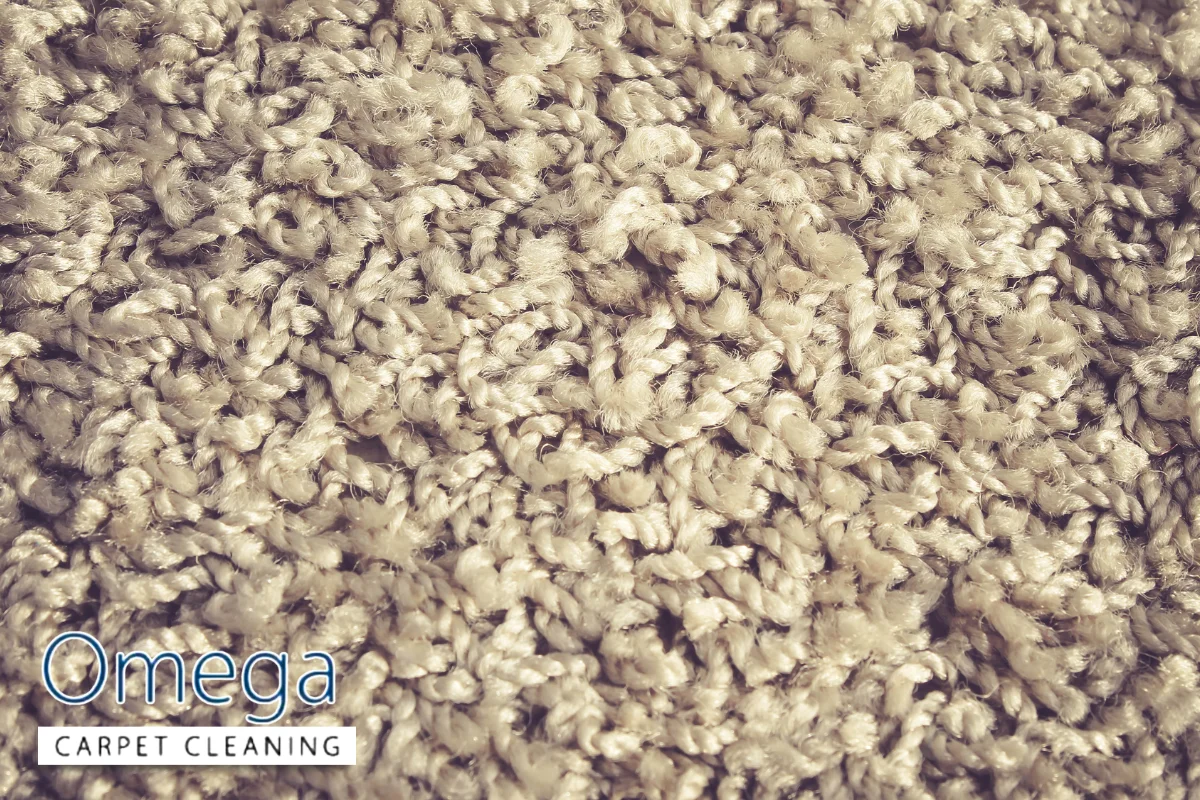
Not every rough or grey patch at a doorway is permanently ruined. Sometimes what looks like severe wear is actually heavy soiling that responds well to the right cleaning methods.
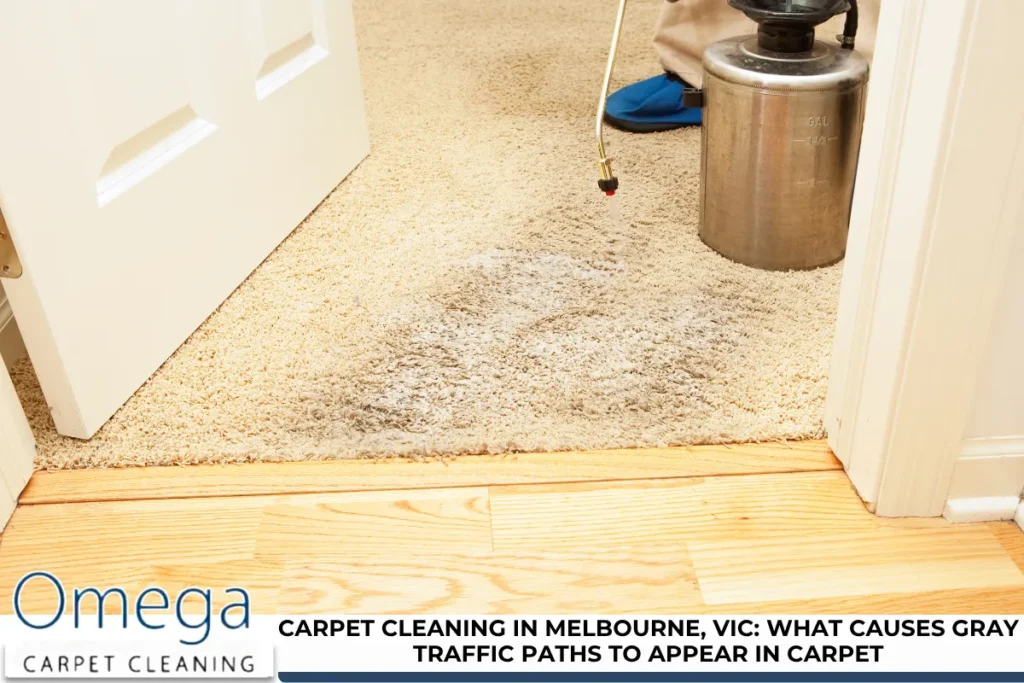
Traffic lanes can appear grey before actual staining occurs because fine soil particles coat individual fibres and dull their colour. Oily residues from shoe soles and skin contact compound this effect, making the carpet look far worse than the fibre condition underneath. A thorough deep cleaning with proper equipment can lift this soil and restore much of the original appearance.
True structural damage is different. Split tips, fuzzing, exposed backing, and missing tufts cannot be reversed by any cleaning process. After professional carpet cleaning, if the pile remains rough, thin, or disjointed, the issue is fibre wear rather than dirt. Professional cleaning can remove many stains that DIY methods cannot, but even the best cleaning technicians cannot rebuild broken filaments.
In many Melbourne commercial sites, a mix of cleanable soil and permanent fibre wear is present at entries. Carpets require professional cleaning every 12-18 months at minimum, and more frequent cleaning in entrance zones helps reveal the true condition of the fibres so you can plan repair or replacement before damage spreads.
How Professional Cleaning Methods Affect Doorway Wear

The right cleaning methods slow further fibre degradation at doorways, but they cannot unbreak what is already damaged. Choosing the correct process for your carpet type and environment matters.
Hot-water extraction is widely regarded as the deepest clean available for most carpets. It flushes embedded dirt from the base of the pile and removes residues that attract fresh soil. Truck-mounted hot-water extraction effectively eliminates the vast majority of deeply embedded bacteria, dust mites, and organic contaminants, making it the preferred option for entrances that accumulate heavy soil. However, carpets typically take 4-8 hours to dry after steam cleaning, and professional steam cleaning typically requires 2-4 hours drying time depending on airflow and carpet density. Over-wetting during this process can cause mould growth and weaken backing adhesives, so correct extraction technique is essential.
Where faster drying is needed in high traffic commercial corridors, low-moisture systems and carpet dry cleaning methods offer a practical alternative. Dry carpet cleaning can dry in about 1 hour, reducing downtime in busy offices. Encapsulation cleaning captures soil in a polymer that is later vacuumed away, removing around 75-85% of surface soil compared to the 95-98% achievable with hot water extraction. These methods suit interim maintenance between deeper restorative cleans.
Using a DIY carpet washer without adequate extraction power risks leaving excess moisture in doorway seams and backing. Steam cleaning services performed by experienced professionals who rinse thoroughly and manage drying time protect the carpet far better than equipment hire. Manufacturers and Australian Standards, including AS/NZS 3733:2018, specify approved cleaning products and methods, and deviating from these can void warranties.
Practical Maintenance Steps to Protect Doorway Carpets
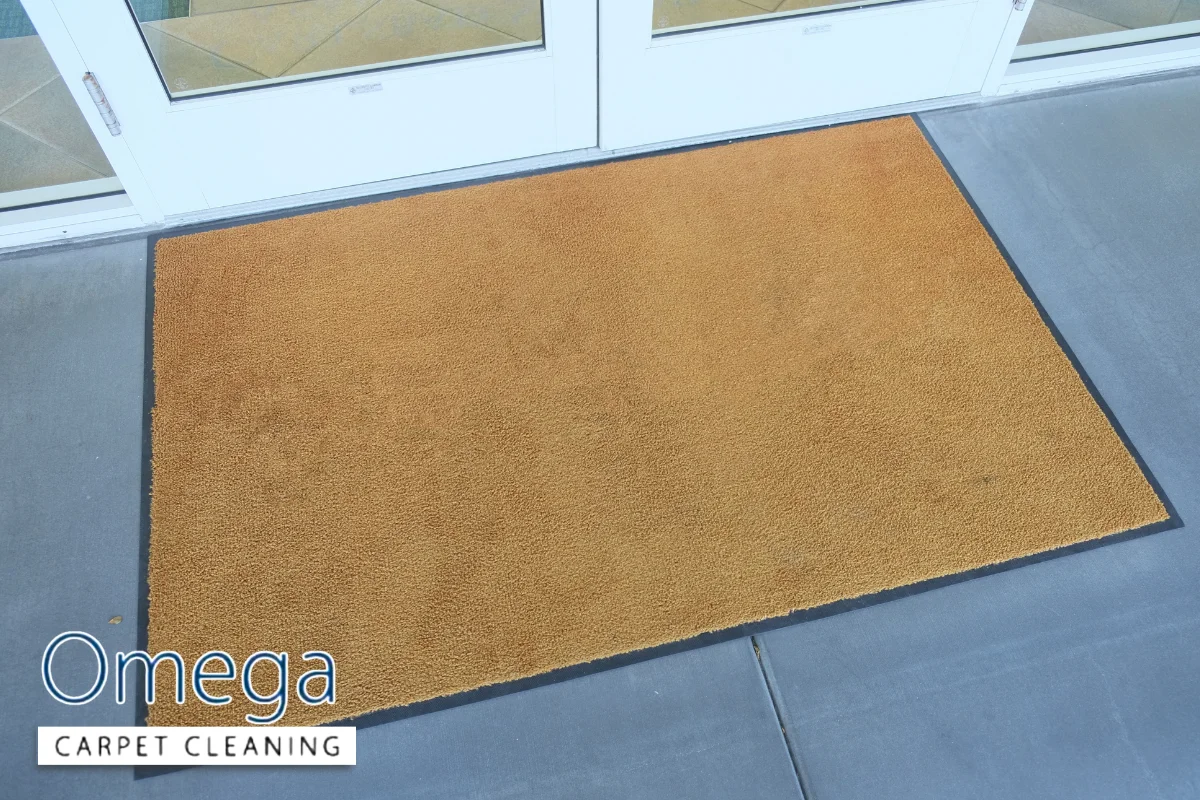
Prevention is almost always more cost-effective than repairing or replacing worn doorway sections. A structured routine maintenance program makes a measurable difference.
- Entrance mats reduce dirt in high traffic areas significantly. Place quality mats both outside and inside each door, sized so visitors take several steps across them before reaching the carpet. Clean mats regularly so they do not become a source of grit themselves.
- Vacuum high-traffic areas several times per week. Regular vacuuming prevents dirt from embedding in carpet fibers and helps maintain carpet texture in high traffic areas. Use slower, overlapping passes in doorway zones. Vacuuming high-traffic areas should be done more frequently to prevent damage, especially during rainy or dusty periods.
- Be careful with vacuum technique. Aggressive vacuuming can fray and split carpet yarns, so use appropriate brush height settings for your pile type. Commercial upright vacuums with strong suction and adjustable brush rolls work best.
- Attend to spills immediately. Spills can lead to permanent stains if not cleaned quickly. Blot rather than scrub, and use approved spot cleaning products. Avoid spot treatment with harsh chemicals that can weaken fibres.
- Proper ventilation helps keep carpets dry in humid areas, reducing moisture damage at entries. Ensure air circulation around doorway zones, particularly during winter months.
- A no-shoes policy significantly reduces carpet soil accumulation in offices where it can be implemented, though this is more practical in some environments than others.
- Professional cleaning is recommended every 12-18 months for general areas, with more frequent cleaning at doorway zones and traffic lanes to remove embedded grit before it cuts fibres.
- Regular vacuuming prevents dirt from embedding deeply in carpets. This single habit does more to protect doorway fibres than any other routine activity.
Doorway Design, Carpet Choice and Installation in Melbourne Workplaces
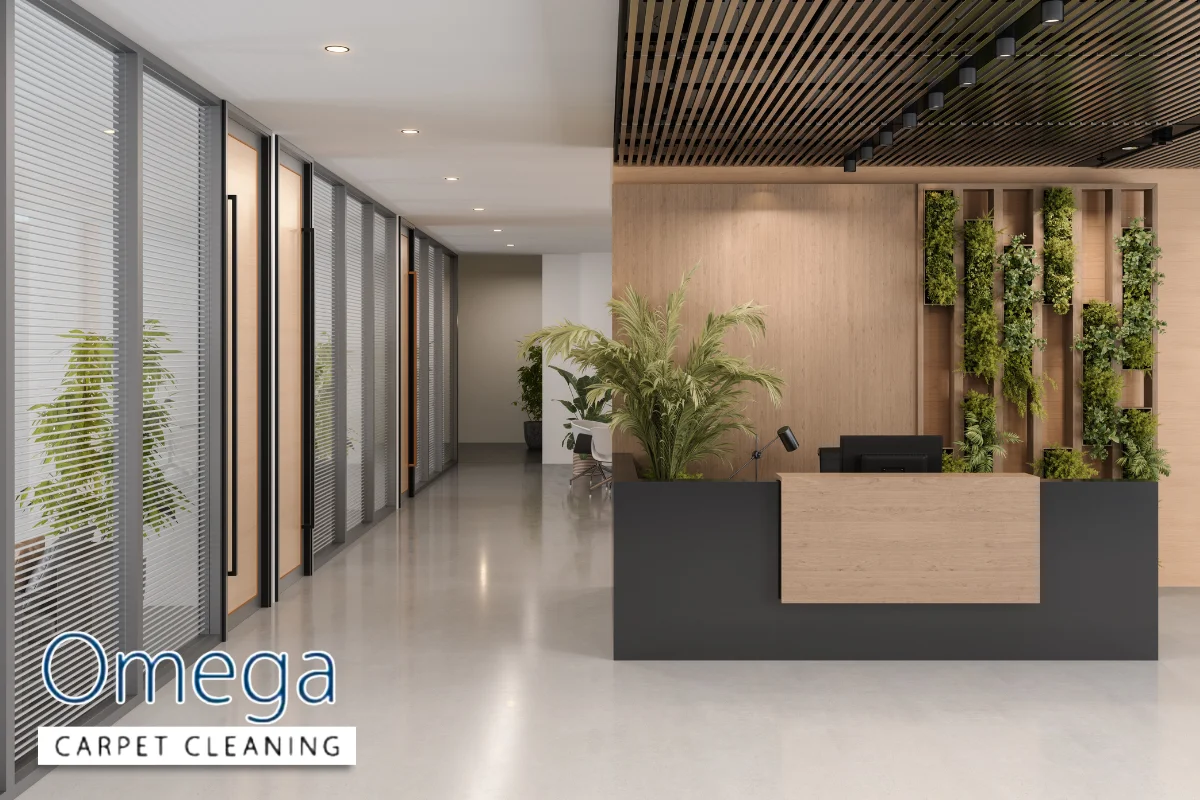
Planning entrances and transitions during fit-outs or refurbishments can prevent years of accelerated fibre damage. The carpet you select and how it is installed matter as much as how you clean it.
Carpets with different qualities and constructions wear differently under stress. For doorway zones, choose denser, low-pile commercial carpet or carpet tiles rated for heavy foot traffic. Low-pile carpets resist wear better than thick, plush styles because the shorter fibres experience less bending force per step. Nylon is strong and resilient for high-traffic areas and consistently outperforms other fibre types in abrasion testing. Polyester resists stains but may crush under heavy use, making it less suitable for entrance zones. Wool is durable but sensitive to moisture, which is a consideration given Melbourne’s wet seasons.
Well-designed transitions from carpet to tile or vinyl reduce edge fraying and snagging of carpet fibers. Smooth, rounded transition strips rather than sharp metal trims protect the pile at every crossing. Correct installation per AS/NZS 2455.1:2019 includes proper stretching, seam sealing away from doorway traffic, and suitable underlay. Modular carpet tiles in doorway zones offer a practical advantage: damaged sections near thresholds can be swapped out cost-effectively without replacing an entire roll.
Sunlight can cause carpets to fade and weaken, a factor for doorways near windows or glass-fronted entries common in Melbourne offices. Ultraviolet rays break down carpet dyes and fibers, and carpets near windows may show uneven fading. Prolonged sunlight exposure weakens carpet fibers progressively. Using curtains or blinds can protect carpets from sunlight where entries face direct sun.
Health, Safety and Compliance Considerations Around Worn Doorways
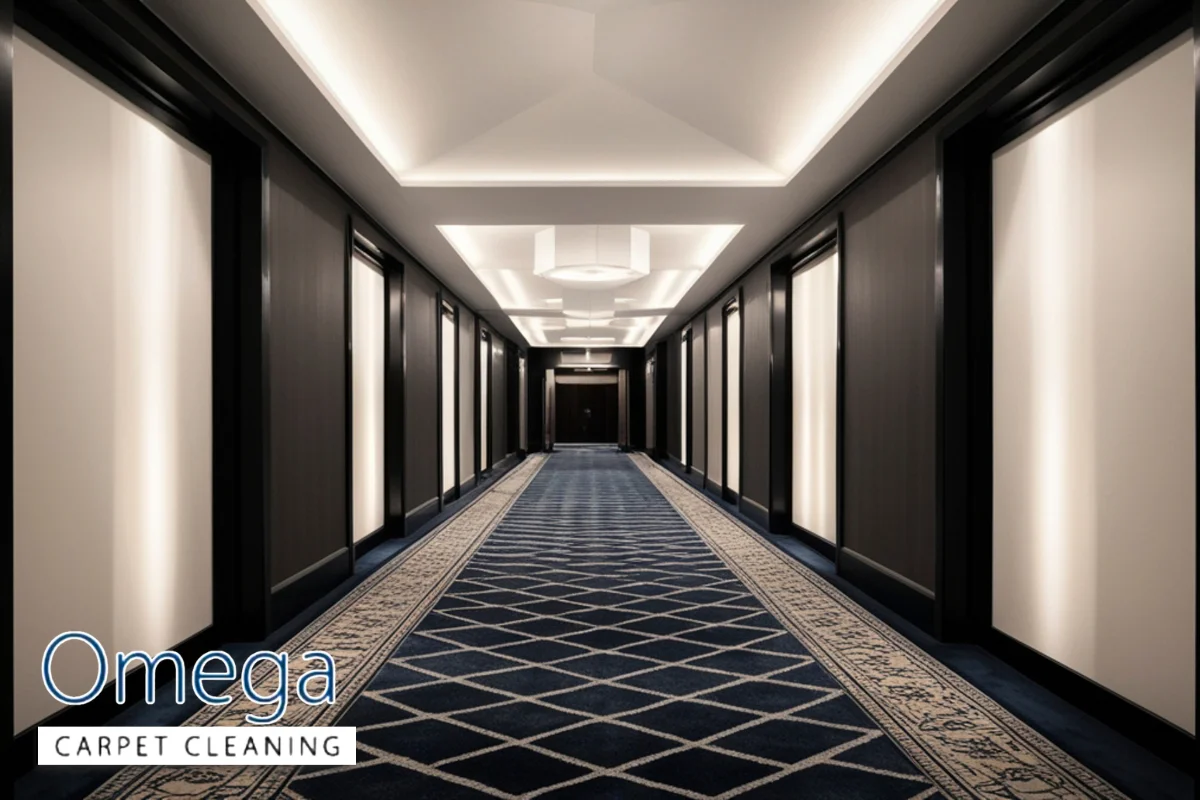
Broken fibres and loose edges at entrances are not just cosmetic problems. Frayed seams, ripples, or lifted carpet edges at doorways can create trip hazards for staff and visitors, exposing building managers to liability.
Heavily soiled entrance carpets can trap allergens and fine particles, affecting indoor air quality. Dust mites thrive in dirty carpet, and allergy sufferers may notice symptoms in poorly maintained environments. Prompt repairs of small carpet defects can prevent further damage and reduce the risk of someone catching a foot on a loose edge.
Facility managers should include doorway inspection cleaning in routine safety and maintenance checks. Under the Victorian Occupational Health and Safety Act 2004 and associated regulations, employers and facility managers must maintain safe premises, requiring prompt attention to trip hazards and damaged flooring. In many cases, prompt repair or replacement in problem areas is safer and more economical than ongoing patch maintenance alone.
Deciding Between Further Cleaning and Localised Replacement
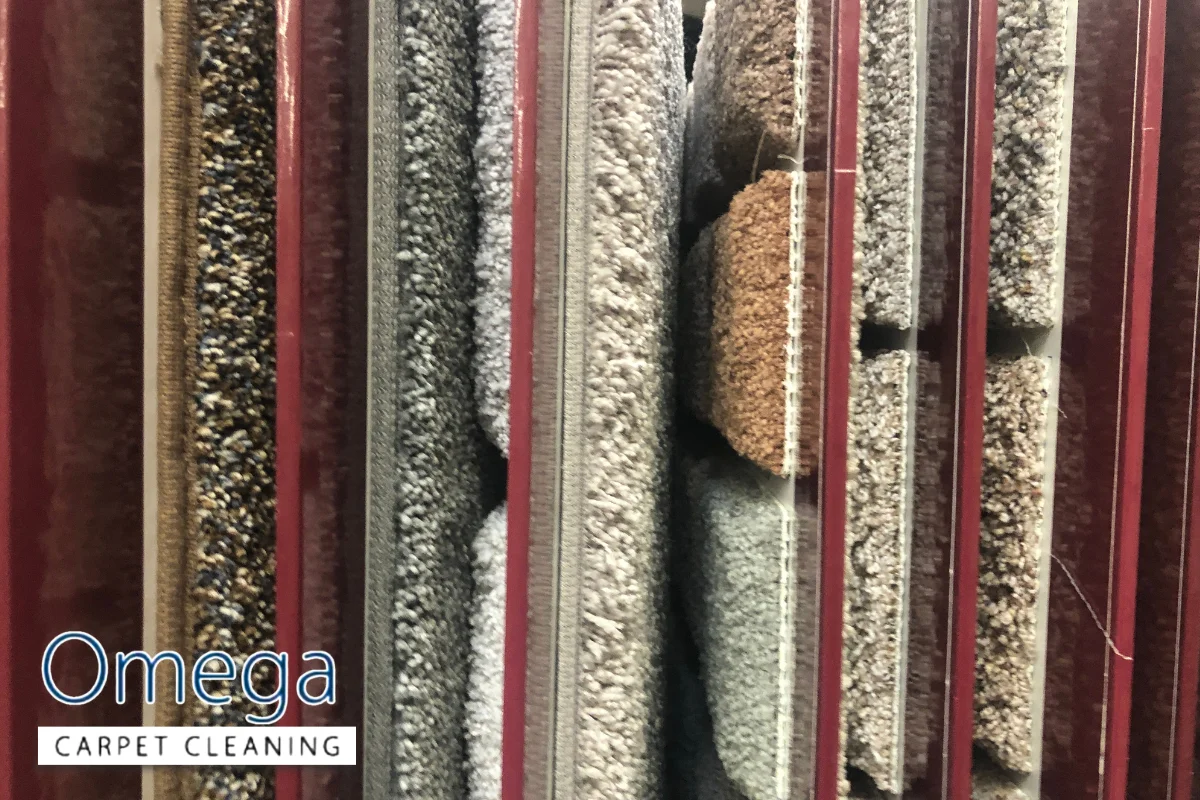
Eventually, some doorway carpets in Melbourne commercial buildings reach the end of their useful life despite consistent carpet care. Knowing when to stop cleaning and start replacing saves money in the long run.
Another deep cleaning is worthwhile when the backing is in good condition, the damage is mostly soiling, and edges remain intact. A new carpet appearance can often be partially restored in these cases. However, when you see repeated fraying, visible backing, seam failure, and recurring fuzzing after each clean, localised replacement is the more sensible path.
Consider combining targeted replacement at doorways with a maintenance-focused carpet cleaner program for the surrounding traffic lanes. This approach extends the life of the remaining floor covering while addressing the worst sections. Before deciding, consult a professional carpet cleaning provider who understands both cleaning methods and carpet construction. They can assess whether dirt or structural failure is driving the deterioration, and recommend the most cost-effective next step for your environment and your specific flooring.
Commercial Carpet Cleaning in Melbourne, VIC – Omega Carpet Cleaning
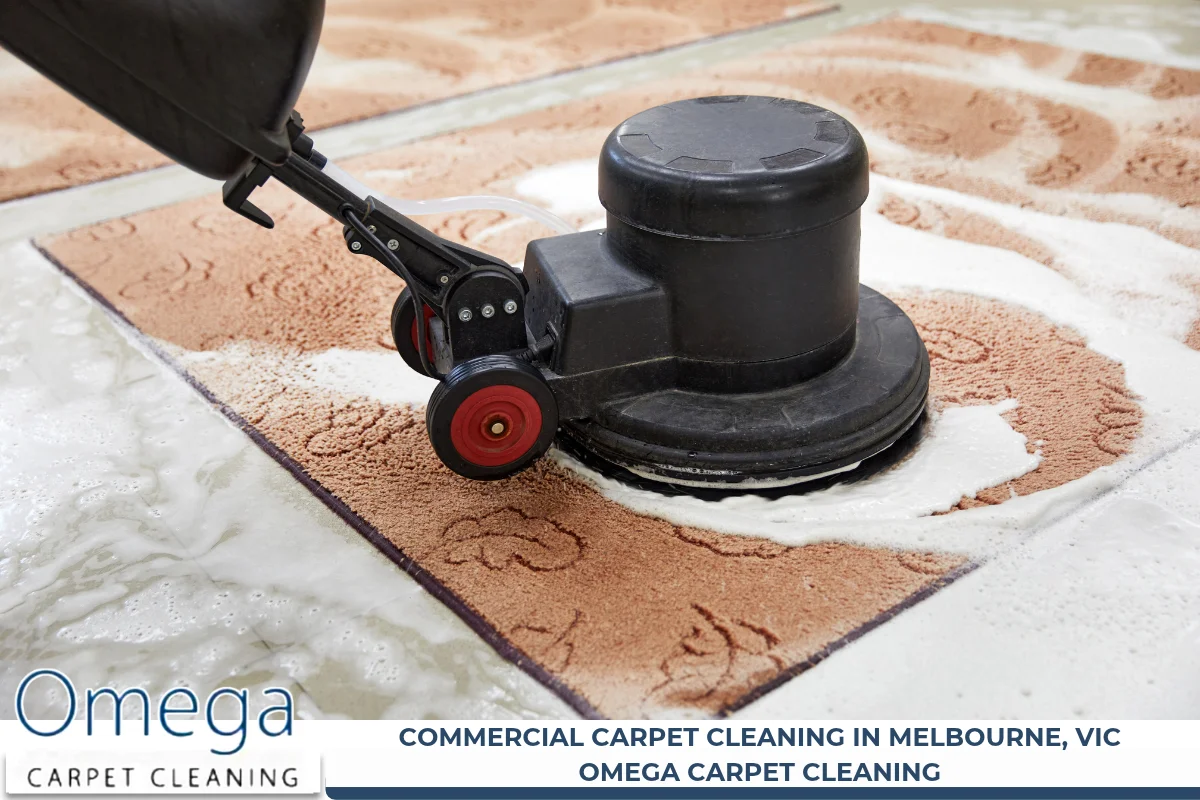
At Omega Carpet Cleaning, we specialise in keeping Melbourne’s commercial entrances and high traffic spots in the best possible condition. We understand that doorway carpet damage is not always what it seems, which is why we assess every site to determine whether fibre damage is cleanable or permanent before recommending a course of action.
We use advanced equipment and carefully selected cleaning products to remove embedded dirt without over-agitating fragile carpet fibers. Our team designs ongoing maintenance schedules for busy offices, retail spaces, and commercial facilities across Melbourne, Victoria and the surrounding suburbs so that doorway carpets stay presentable and safe for longer.
We are fully licensed and committed to delivering professional deep cleaning that aligns with Australian Standards. Whether you need a one-off restorative clean, rug cleaning, stain removal, upholstery care, or an ongoing service agreement, we tailor our approach to your space.
Call us on 0406 996 819 or fill out our contact form to arrange a site inspection and customised cleaning plan for your premises.
Frequently Asked Questions
How often should doorway areas be professionally cleaned compared to the rest of the carpet?
Doorways and main traffic lanes typically need professional attention more frequently than low-use zones. Carpets in high traffic areas may need cleaning every 3-6 months at entrances, compared to every 6-12 months for general office areas. The actual frequency depends on visitor numbers, the type of business, weather conditions, and your existing carpet care routines. Facility managers should review the appearance, soiling levels, and fibre condition of doorway zones regularly and adjust schedules accordingly. If carpet appears dirty or fibres feel rough between scheduled cleans, bring the next appointment forward rather than waiting for further degradation.
Can doorway fibre damage affect my carpet warranty?
Many carpet warranties require correct installation to manufacturer specifications, regular vacuuming, and periodic professional carpet cleaning at defined intervals. Carpets should be professionally cleaned every 12-18 months to comply with most warranty terms. Neglecting entrance areas, using unsuitable chemicals, or failing to maintain transition strips around doorways may risk warranty coverage. Always check your original warranty documentation for required maintenance intervals, approved cleaning methods, and any restrictions on other cleaners or products. Keep records of every professional carpet cleaner visit, including dates, methods used, and products applied, so you have documentation ready if a warranty discussion arises.
Will placing plastic runners or mats over worn doorway carpets make things worse?
Well-chosen mats and runners can protect fragile fibres if they are stable, non-slip, and cleaned regularly underneath. Placing rugs or runners at high-wear transition points spreads foot traffic across a broader area, reducing concentrated pressure. However, thin or shifting plastic covers can trap grit between the cover and the carpet, increasing abrasion as people walk across them. Before placing any protection, make sure the surface beneath is clean and dry. Periodically lift the mat and vacuum both it and the carpet underneath to prevent embedded dirt build-up. Rotate area rugs seasonally to spread foot traffic evenly and extend the life of both the rug and the carpet beneath.
Are there specific vacuuming techniques that help protect doorway fibres?
Use slower, overlapping vacuum strokes in doorway zones to lift embedded dirt effectively rather than rushing through. A quality vacuum with strong suction and appropriate brush settings is important for commercial carpets. Set the brush roll height to match your pile type so bristles do not dig aggressively into the fibre. Increase vacuuming frequency at doorways and entry corridors, especially during Melbourne’s wetter months when outdoor soil is tracked in more heavily. Training in-house cleaning staff on correct vacuum use prevents the kind of aggressive technique that damages rather than protects fibres. Vacuuming often also helps remove pet hair and dander in workplaces where pets are present, and regular nail trimming reduces carpet snagging from pets. Pet enzyme treatments can eliminate odors from carpets when animals are part of the workplace, and training pets to stay off carpets can protect flooring in mixed-use environments. Pets can cause stains and odors on carpets if not managed with appropriate cleaning routines.
Can grout cleaning and hard-floor care near entrances impact carpet condition?
Dirty tile and grout adjacent to carpet can transfer soil directly onto doorway fibres with every footstep. When tile grout is neglected, loose dirt and grime migrate onto the neighbouring carpet pile, accelerating wear at the transition line. Effective grout cleaning and hard-floor maintenance reduce the volume of grit tracked onto carpeted areas, supporting longer carpet life at transition lines. Coordinate your cleaning services so both hard floors and carpets at entrances receive compatible care on a regular schedule. Keeping thresholds, edges, and tiled entries clean also reduces moisture transfer, since dirty floors tend to hold more water. This combined approach addresses furniture placement, equipment traffic, and the general environment around your entrances, giving your carpet the best chance of lasting its intended lifespan.
Disclaimer
This article provides general guidance on carpet fibre breakage and maintenance practices relevant to Melbourne, VIC. It is not intended as site-specific advice, warranty interpretation, or a substitute for consultation with qualified carpet and flooring professionals regarding your particular installation and conditions.
Read Why Is Carpet Under Furniture Brighter Than Exposed Carpet? | Carpet Cleaning in Melbourne, VIC