
Carpet cleaning should leave your floors looking fresh, but too many Melbourne homeowners watch in frustration as marks creep back within days. You scrub the spot, it looks perfect while wet, and then the same discolouration returns once the carpet dries. It feels like money and effort thrown away, especially when guests notice the marks you thought were gone.
The truth is, stains can look gone when wet but return as carpets dry. This happens because of processes happening beneath the surface, in layers you cannot see. Deep penetration of spills into carpet backing and underlay, a phenomenon called wicking, sticky residue left behind by cleaning products, and pet urine that has soaked far beyond the original spot all play a role.
The good news is that understanding these mechanisms puts you in control. Better cleaning techniques, knowledge of your carpet fibers and backing, and knowing when to call a professional carpet cleaner can break the cycle for good.
Key Takeaways
- Wicking, detergent residue that attracts dirt, and deep penetration into carpet padding and underlay are the main reasons stains reappear after cleaning in Melbourne homes.
- Pet urine, old wine spills, and coffee marks often soak far deeper than the visible stain, making surface-only treatment ineffective.
- Correct carpet washing methods, fast spill response, and professional carpet treatment dramatically reduce the chance of recurring marks.
- Melbourne’s variable humidity and cool winters slow drying times, increasing the risk of moisture-driven wicking in freshly cleaned carpets.
- Most stubborn carpet stains can be improved with the right approach, but some old stains that have chemically bonded to carpet fibers may be permanent.
The Hidden Science Behind Reappearing Carpet Stains
To understand why stains reappear, it helps to know what sits beneath the surface you walk on every day. A typical carpet in a Melbourne house is made up of several layers: the pile (the soft fibers you see and touch), a primary backing that holds those fibers in place, a secondary backing for stability, an underlay or padding for cushioning, and the subfloor underneath it all. When a liquid hits the surface, it does not simply sit on top. It travels downward through each layer, often reaching the padding or subfloor before anyone grabs a cloth.
Think of carpet fibers like a bundle of tiny straws. Liquid moves through them by capillary action, the same force that draws water up a paper towel. Melbourne homes with thick plush pile or wool carpets tend to hold more moisture in these layers than thinner synthetic options. This means spills have more places to hide, and more moisture to carry stain material back up later.
The difference between a surface carpet stain and one with deep penetration is critical. A fresh coffee drip on a low-pile synthetic carpet might sit mostly in the top layer and respond well to quick blotting. A large pet accident on a dense wool carpet, left for hours, can saturate the backing and underlay completely. Even after you clean the visible stain, residues remain trapped deep below. Melbourne’s changeable weather, coastal humidity, and reliance on indoor heating during winter all influence how long carpets take to dry after any cleaning. Slower drying gives hidden contaminants more time to migrate back to the surface.
Common Causes of Stains Reappearing After Cleaning
More than one factor usually combines to make stains reappear. A coffee ring near the sofa might involve both deep penetration and leftover detergent residue. Muddy footprints by the back door could be worsened by over-wetting from a rental carpet washer. Understanding each cause individually helps you target the right fix.
Deep Penetration and the “Wicking” Effect
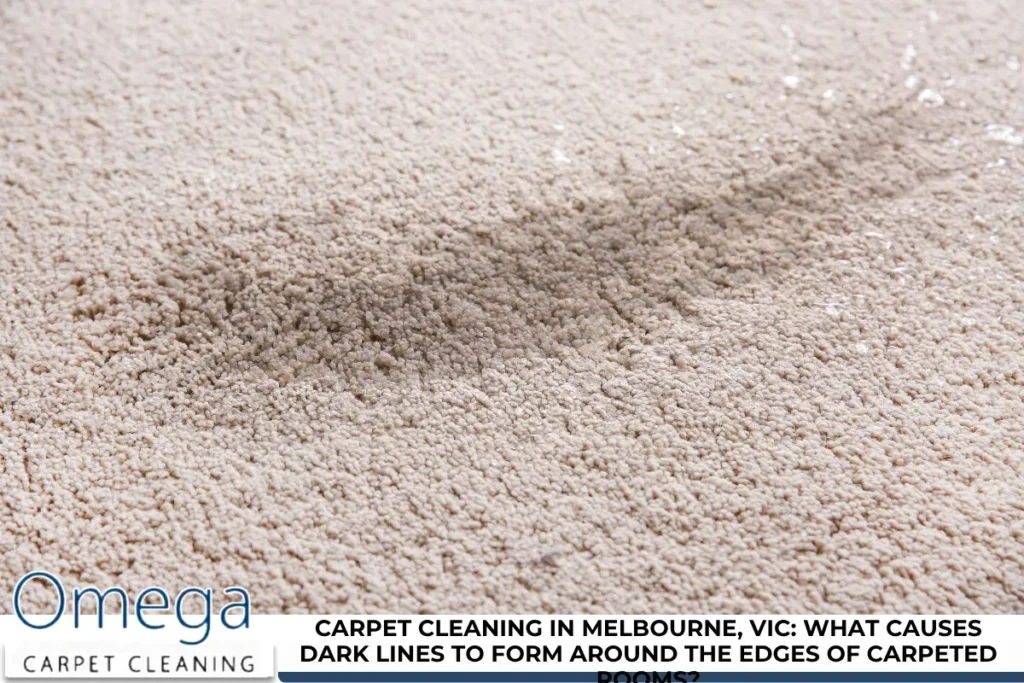
Wicking is the single most common reason stains reappear after any type of carpet wash. Here is how it works: when a spill like wine, cordial, or pet urine hits the carpet, the liquid travels down through the fibers, through the carpet backing, and into the padding underneath. A standard surface clean removes what is visible, but the stain material trapped in the deeper layers remains. As the carpet dries, moisture deep in carpet fibers rises to the surface through capillary action, carrying dissolved pigment and soil with it. The result is a faint brown or yellow halo that appears in the same spot a day or two later.
Wicking is common after carpets are heavily overwet, which happens frequently with DIY machines that spray large volumes of water but lack the suction power to extract it properly. Inadequate drying and poor airflow can leave moisture that drives wicking even further. In Melbourne homes built on suspended timber subfloors, water can pool beneath the underlay with nowhere to go, making the problem worse during the cooler months when windows stay closed.
Picture this scenario: you spill coffee near your home office desk and clean the surface immediately with a store-bought spotter. The mark disappears. Three days later, a brown ring reappears in the exact same spot. What happened is that the coffee soaked past the pile into the backing and padding. Spills that reach the padding or subfloor can lead to stain re-emergence because the cleaning only addressed the top layer. As the carpet dried slowly in a cool Melbourne room, the dissolved coffee pigment wicked back up to the surface.
Cleaning Residue That Attracts Dirt
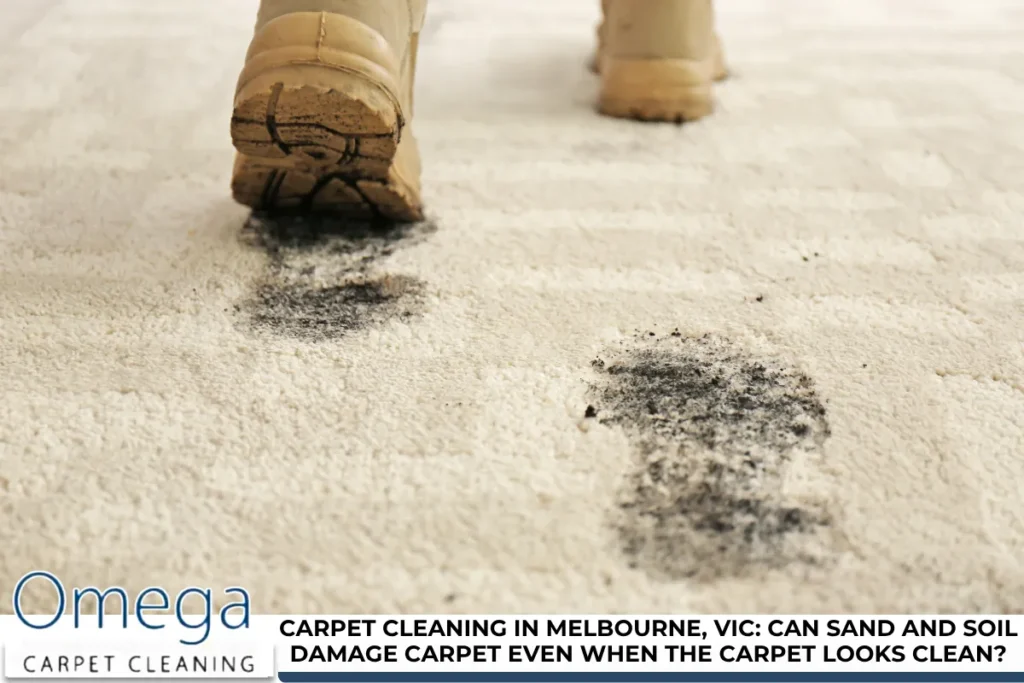
Not every reappearing mark is the original stain returning. Soap residue can attract more dirt to carpets, and this is one of the most misunderstood causes of recurring marks. Household detergents often leave sticky residues behind on and inside the carpet fibers. These residues are slightly tacky, and they grab hold of new soil from shoes, dust in the air, and particles tracked in by pets.
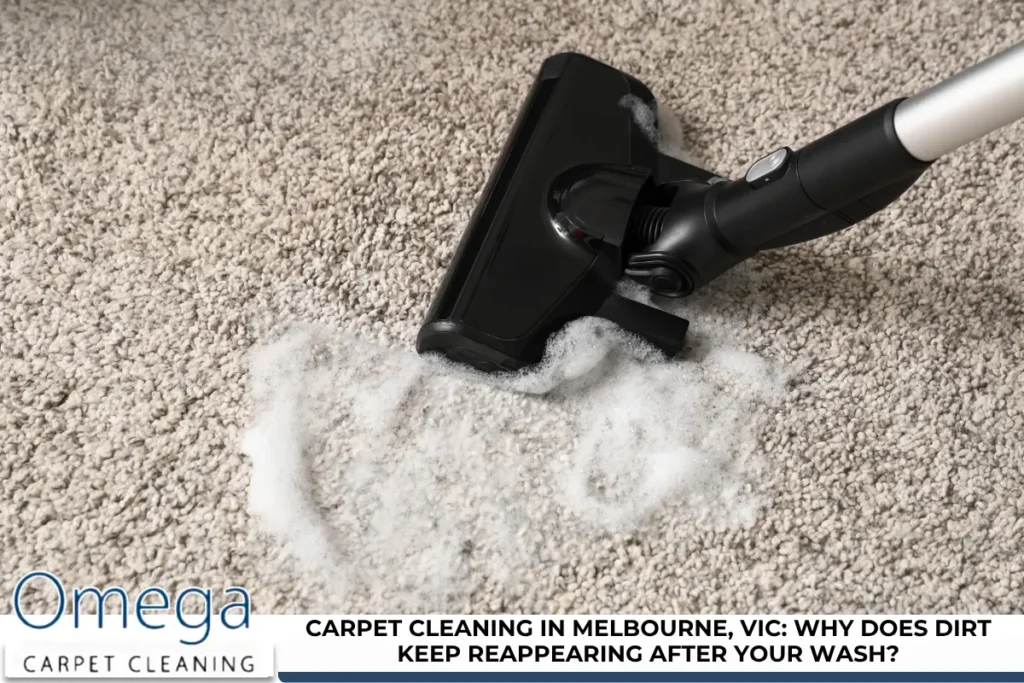
Residue from cleaning products can cause stains to reappear because the cleaned area becomes a magnet for fresh contamination. Sticky detergent residue can make stains look like they returned, when in reality you are seeing new soiling clinging to leftover product. Cleaning residue can attract new dirt to carpets weeks and even months after the original cleaning job. Sticky residues attract dirt, causing rapid re-soiling on carpets, particularly in high-traffic zones near doorways and hallways.
Professional carpet cleaning typically addresses this by using pH-balanced rinsing agents that neutralise and flush out residue left from previous treatments. Without that rinse step, the residue remains and the cycle of apparent stain return continues.
Improper Products and DIY Techniques
Many homeowners reach for multi-purpose household cleaners, bleach-based sprays, or brightly coloured spot removers when dealing with a carpet stain. These products are often not formulated for carpet fibers and can cause more harm than good. Scrubbing aggressively can distort and fray fibers, spread the stain wider, and push liquid deeper into the backing.
DIY machines often leave excess moisture in carpets because their extraction suction is weaker than commercial-grade equipment. Over-wetting during cleaning can increase the risk of stains reappearing by forcing dissolved soil further into the underlay where it later wicks back. Excessive soap in cleaning can lead to recurring stains since the extra product is nearly impossible to rinse out with a consumer-grade carpet washer. DIY carpet cleaners often leave too much moisture behind, and in Melbourne’s humid autumn and winter months, that moisture may take well over 24 hours to evaporate.
Always patch-test any spot cleaner on a hidden section of carpet first, and check the manufacturer care label to confirm whether your carpets are wool, nylon, or polyester, as each responds differently to chemicals and moisture.
Incomplete Removal of Old Stains and Contamination
Some stubborn carpet stains simply cannot be fully extracted once they have set. Red wine, cordial, cosmetics, rust, and ink can chemically bind to carpet fibers if left untreated for too long. Some stains permanently change carpet dye if untreated, meaning the colour of the fiber itself has been altered. In these cases, what remains after cleaning is not residue or wicking but actual dye damage, a mark that no amount of extraction will remove.
There is an important distinction between a permanent colour change and ongoing contamination that can still be treated. Pet urine, for example, leaves urea crystals, bacteria, and odour compounds deep in the underlay even when the surface looks clean. These can be broken down with enzyme-based treatments and thorough extraction, sometimes requiring multiple visits. In severe cases where urine has repeatedly soaked the same spot, underlay replacement may be the only way to completely eliminate the discolouration and smell.
Set realistic expectations: improvement is almost always possible, but a true colour shift in the fiber is permanent.
Read Can an Old Stain Become Permanent Without Professional Carpet Cleaning in Melbourne, VIC?
Special Problem Areas: Pet Urine, Traffic Lanes, and Old Stains
Certain areas in Melbourne homes generate far more complaints about recurring stains than others. Pet urine behaves differently from most household spills. It arrives warm, which helps it penetrate faster, and its chemical composition changes over time as bacteria break down urea into ammonia. Pet urine can spread deeper than visible stains suggest, often saturating a zone two to three times wider in the padding than the mark you see on the surface. Over a third of Australian pet owners report carpet damage caused by their pets, making this one of the most common issues in homes with a dog or cat.
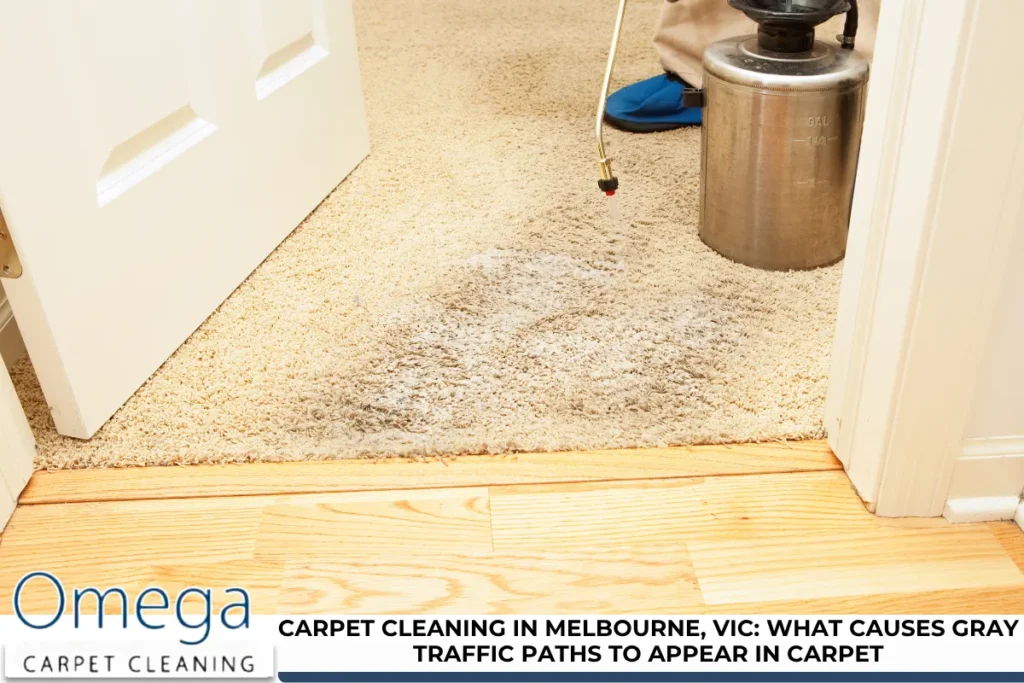
Traffic lanes through hallways, living rooms, and between the kitchen and back door are another trouble zone. Residue left from previous cleaning builds up in these paths, and every walk through the house deposits new soil onto the tacky surface. The result is a darkened lane that looks like a returning stain but is actually rapid re-soiling.
Old stains from wine, coffee, or food that have been present for months or years may have oxidised within the fibers. Cleaning can lighten them, but a faint shadow often remains underneath. These marks may become more noticeable under certain lighting or when the carpet is damp. The worst offenders for permanent or near-permanent marks include:
- Red wine and cordial
- Pet urine left untreated for extended periods
- Rust and metallic dye transfer
- Ink and permanent marker
- Turmeric and strongly pigmented spices
How to Prevent Carpet Stains from Reappearing in Your Melbourne Home
Prevention starts the moment a spill happens. Fast action saves carpets from deep penetration and makes professional treatment far more effective later. Here is a simple process for treating a fresh spill correctly:
- Blot the spill immediately with a clean white cloth or paper towel. Press firmly but do not rub or scrub, as this pushes liquid deeper and damages fibers.
- Apply a small amount of mild, pH-neutral cleaning solution to the area. Avoid using too much moisture.
- Blot again with a fresh cloth, working from the outside of the spill inward to avoid spreading it.
- Rinse lightly with clean water and blot once more to remove any residue left behind.
- Dry the area thoroughly using a fan, opening windows when Melbourne weather allows, or running air conditioning to improve airflow.
Slow drying times can exacerbate the likelihood of wicking and re-soiling, so ventilation matters. On a cool, damp Melbourne day, place a portable fan directly over the cleaned area and keep furniture off the wet spot until it is completely dry. If you notice the carpet still feels damp after many hours, consider using a dehumidifier in the room.
Regular vacuuming removes loose soil before it can grind into fibers and bond with any residue. For average Melbourne households, vacuuming two to three times per week in high-traffic areas and once weekly in bedrooms keeps surface dirt from building into stubborn stains. Schedule a professional deep clean every 12 to 18 months, or more frequently if you have pets or young children.
When Professional Carpet Cleaning Is Essential
There are situations where DIY effort simply is not enough to save a carpet from recurring stains. Consider calling a professional service when you are dealing with:
- Large stained areas covering more than a square metre
- Repeated pet accidents in the same spot
- Visible stain marks that return after every home cleaning attempt
- Flood, sewage, or water damage affecting carpet and underlay
- Odour that persists even after the surface appears clean
- Carpets approaching a warranty service interval
A professional carpet technician in Melbourne typically begins with a pre-inspection to identify fiber type, stain composition, and the condition of the backing and padding. They select pre-treatments matched to the specific contamination, whether that is enzyme cleaners for urine, oxidising agents for wine, or reducing agents for rust. Hot water extraction at high pressure flushes cleaning solution and dissolved soil from deep within the carpet, and professional cleaning removes more moisture than DIY methods thanks to powerful truck-mounted or commercial extraction units.
Reputable operators in Melbourne follow Australian Standard AS/NZS 3733:2018, which outlines correct cleaning methods, chemical use, and maintenance practices for textile floor coverings. Many carpet manufacturers condition their warranties on adherence to this standard, so choosing a company that works to these guidelines protects both your carpet and your investment. Speed drying with commercial fans and dehumidifiers further reduces the window in which wicking occurs, giving stains far less opportunity to reappear.
Keeping Carpets Cleaner for Longer After a Deep Clean
Once your carpets have been professionally treated, a few habits help maintain the results and stop old problem areas from re-soiling quickly:
- Place entry mats at every external door and encourage everyone in the house to remove shoes indoors. This alone cuts the amount of mud and dirt reaching your carpets significantly.
- Set realistic no-food zones over light-coloured rugs and carpets in formal rooms where spills would be hardest to treat.
- Vacuum high-traffic areas at least twice a week and move furniture occasionally to avoid compression marks.
Applying a carpet protector after a professional clean can help future spills bead up on the surface instead of soaking in deeply. This is especially useful for homes with children or pets. A simple maintenance schedule for Melbourne homeowners might include weekly vacuuming, monthly spot checks of known problem areas, and a professional deep clean every 12 to 18 months. Correct aftercare minimises the risk that old problem areas will attract new soil and appear as returning stains, keeping your home looking and smelling fresh across every season.
Carpet Cleaning in Melbourne, VIC – Omega Carpet Cleaning
At Omega Carpet Cleaning, we specialise in resolving the exact problems discussed in this article. Our team uses professional hot water extraction, targeted stain treatments, and controlled drying techniques designed to reduce wicking and eliminate residue from your carpets. We understand the carpet types commonly installed in Melbourne homes, from wool blends to synthetic fibers, and we tailor our process to each job.
We service Melbourne, Victoria and surrounding areas, and our goal is simple: carpets that stay clean long after we leave. If you are tired of watching stains reappear in the same spot, we are here to help. Call us on 0406 996 819 or fill out our contact form to book an inspection or request a quote. Let Omega Carpet Cleaning deliver the lasting carpet cleaning results your home deserves.
Frequently Asked Questions
How long should my carpet take to dry after a professional clean in Melbourne?
Under typical Melbourne conditions with moderate humidity and a standard pile height, professionally cleaned carpets generally dry within four to eight hours. On cooler, wetter days during autumn and winter, this can stretch to 12 or even 24 hours if ventilation is limited. To speed the process, open windows when the weather is dry, run ceiling fans or portable air movers, and switch on air conditioning if available. Avoid placing heavy furniture back on the carpet until it feels completely dry to the touch. If your carpet is still noticeably damp after a full day, contact your cleaner, as prolonged moisture increases the chance of wicking and odour development.
Do recurring carpet stains pose any health risks?
Simple discolouration from coffee or wine is unlikely to cause health problems on its own. However, stains caused by organic contamination such as food spills or pet urine can support bacterial and mould growth when moisture lingers in the carpet padding or backing. Families with young children who play on the floor, or household members with asthma or allergies, should be especially cautious. Persistent damp patches or musty odours are a sign that deeper treatment is needed. With correct cleaning, thorough drying, and adequate room ventilation, the health risks associated with most household carpet stains can be greatly reduced.
How often should I have my carpets professionally cleaned to prevent stains from coming back?
For an average Melbourne household without pets, professional deep cleaning every 12 to 18 months is a solid baseline. Homes with pets, small children, or heavy foot traffic benefit from cleaning every six to nine months, as soil accumulates faster and embeds deeper. Regular professional treatment removes deep dirt before it can oxidise and turn into stubborn carpet stains that resist future extraction. Tenants in Melbourne rental properties should also check their lease agreement, as many landlords include specific expectations about carpet condition and professional cleaning at the end of a tenancy.
Can I stop wicking completely, or will some stains always come back?
Proper extraction and fast, thorough drying dramatically reduce the risk of wicking, and in most cases they prevent it entirely. However, severe deep penetration from repeated pet accidents, flood damage, or very old spills that have saturated the underlay may still produce a faint shadow even after expert treatment. In those situations, the stain material has bonded with the carpet backing or the padding itself, and the only permanent fix may be underlay replacement or carpet patching. The single most effective way to avoid wicking is to act quickly when a spill occurs and ensure the carpet and all its layers are dried as fast as possible.
What should I ask a carpet cleaner before booking them to treat recurring stains?
Start by asking what method they use. Hot water extraction is widely regarded as the most effective for deep soil and stain removal. Ask about their experience with recurring stains specifically, including pet urine contamination, and find out whether they use residue-free rinsing agents. Confirm their expected drying time and whether they provide speed-drying equipment. Check that the company is insured, that their technicians are trained, and that they are familiar with both wool and synthetic carpets commonly found in Melbourne homes. Finally, keep a record of your previous cleaning attempts and share it with the technician so they understand the carpet’s history before they begin.
Disclaimer: This article provides general information about carpet care and stain removal for Melbourne, VIC homes. It does not replace manufacturer-specific care instructions or professional assessment. Always consult a qualified carpet cleaning technician for persistent or complex stain issues in your property.
Read Does DIY Work? The Truth About Upholstery Cleaning in Melbourne, VIC