
How Upholstery Cleaning Neglect Shows Up in Everyday Melbourne Homes
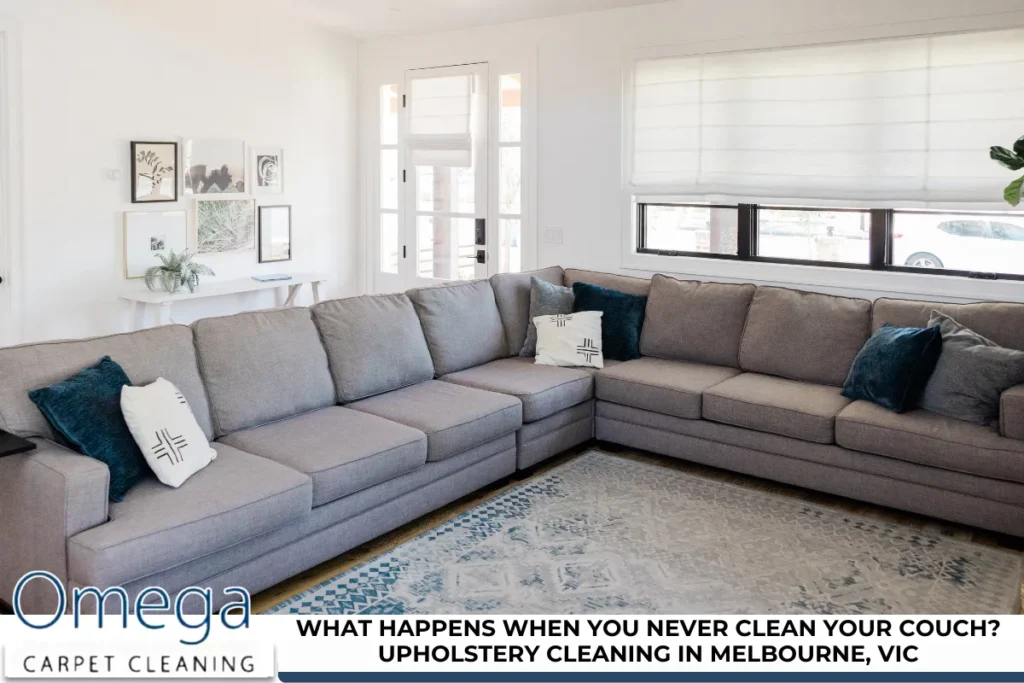
Upholstery cleaning is one of those household tasks that most people push to the bottom of the list, right until the day they notice something is off. Picture a typical Melbourne living room: a fabric couch that looked great when it was bought, now slightly dull, carrying a faint musty smell, and somehow making everyone sneeze a little more during winter. That couch has been quietly collecting problems for years.
Sofas, armchairs, and lounge suite sets function like oversized filters. Across Melbourne’s four distinct seasons, they absorb dust, shed skin cells, pet hair, outdoor pollen, and traces of everything tracked in from the street. Most households give their sofa a quick once-over with a vacuum attachment every now and then, but that barely scratches the surface. The visible dirt sitting on top is only a small fraction of what hides deep inside the foam padding and fabric upholstery layers. Without regular professional cleaning, that hidden contamination keeps growing month after month.
Key Takeaways
- Not cleaning a couch regularly leads to dust accumulation, embedded grit, and built up dirt that silently destroys fabric fibres from the inside out.
- Spills left untreated can result in permanent stains on upholstery, while trapped moisture invites mould and bacteria growth in Melbourne’s humid climate.
- Neglected upholsteries become reservoirs for dust mites, pet dander, pollen, and allergens that aggravate asthma and allergy symptoms for your household.
- Accumulated dirt can lead to the need for premature replacement of couches, cutting lifespan from a potential 10 to 15 years down to just 3 or 4.
- Expert couch cleaning and carpet cleaning services in Melbourne can reverse much of this damage when booked before deterioration becomes irreversible.
Dirt and Dust: What Builds Up When You Skip Couch Cleaning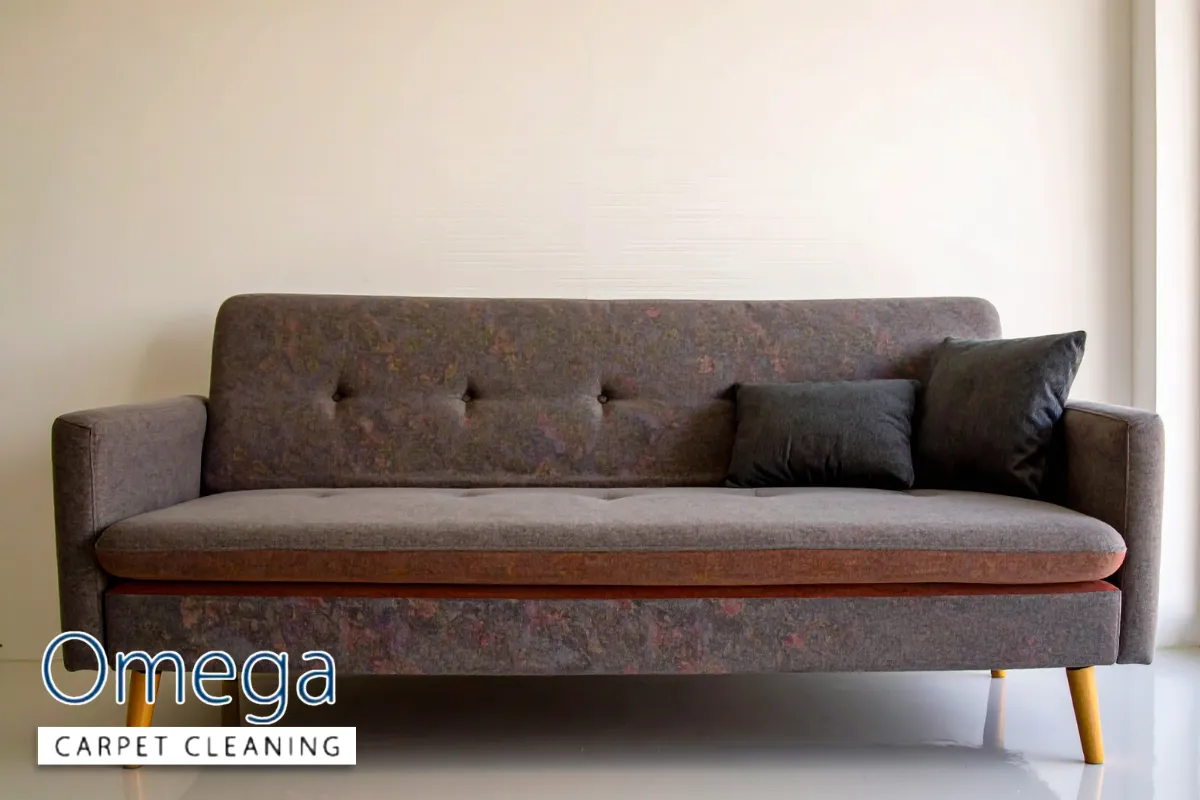
Melbourne’s urban environment contributes more to couch contamination than many homeowners realise. Traffic pollution along busy arterials, construction dust from ongoing development, and seasonal pollen all find their way indoors. Once airborne, these dirt particles settle onto upholstered furniture and gradually work their way deep into upholstery fibres and padding where a standard vacuum cannot reach them.
Surface vacuuming picks up loose debris, but embedded grit stays put. Over time, that trapped grit acts as an abrasive and can wear down upholstery fibers, essentially functioning like fine sandpaper every time someone shifts position on the sofa. This is how embedded dirt causes upholstery to appear old and rugged long before the frame or springs have any issues.
Australian living habits compound the problem. Doors and windows open wide in summer to catch a breeze, while heaters run through cooler months with everything sealed up. Both cycles push fresh contaminants into soft furnishings. And if your carpets are dirty, the upholstered furniture sitting in the same room will usually be just as contaminated, since dust circulates freely between floor and sofa. Regular vacuuming helps reduce allergen buildup in upholstery, but it is not a substitute for periodic deep extraction.
Unpleasant Odours: How Couches Start to Smell Over the Years
Walk into a Melbourne apartment or terrace house and you can often tell within seconds whether the couch has been neglected. That stale, slightly sour scent is unmistakable.
The sources of unpleasant odours are varied. Sweat, body oils, food spills, spilt drinks, smoke residue, and pet accidents all contribute. Each incident on its own might seem minor, but these substances slowly soak through the surface fabric and into the foam below. Unclean couches can develop persistent unpleasant odors from food and body oils that linger for months or years.
Melbourne’s coastal humidity makes things worse. Moisture from the air, combined with indoor clothes drying during wet winters, keeps relative humidity elevated inside many homes. Fabric upholstery and padding behave like a sponge, absorbing and holding that dampness. Without proper upholstery washing, the moisture creates ideal conditions for bacterial metabolism, which generates volatile compounds and amplifies musty smells until they become permanent.
Professional sofa cleaning goes beyond masking scents with fragrance sprays. Effective deodorising involves neutralising odour compounds deep within the padding, something a store-bought spray simply cannot do. Failure to clean leads to odours in furniture that no amount of ventilation can fully clear.
Stains That Set: Why Old Marks Become Almost Impossible to Remove
Anyone who has tried to scrub out a months-old coffee ring on a fabric couch knows the frustration. On uncleaned couches in Melbourne rental properties, dark drink rings, food shadows, and make-up smears often become part of the fabric’s permanent appearance.
Common stains from coffee, red wine, tomato sauce, ink, and pet urine undergo chemical changes over time. Tannin-based stains oxidise, protein-based stains from milk or blood bond with fibres, and oil-based marks from food grease or body oils penetrate deeply. The longer they sit, the stronger the bond. Some advanced cleaning solutions, such as those used by established providers, remove more stains than conventional methods by targeting these specific chemical bonds.
DIY scrubbing with supermarket spot cleaners can actually make things worse. Aggressive rubbing pushes stains deeper, creates visible rings, and risks bleaching colours in delicate fabrics. Heat from wall heaters and direct sunlight through windows can effectively bake stains into the fibre structure, making them resistant even to a professional upholstery cleaner.
The lesson is straightforward: immediate attention to spills is recommended for upholstery, and periodic professional cleaning services give the best chance of complete stain removal. Regular cleaning preserves the original color and texture of upholstery far better than reactive spot treatment.
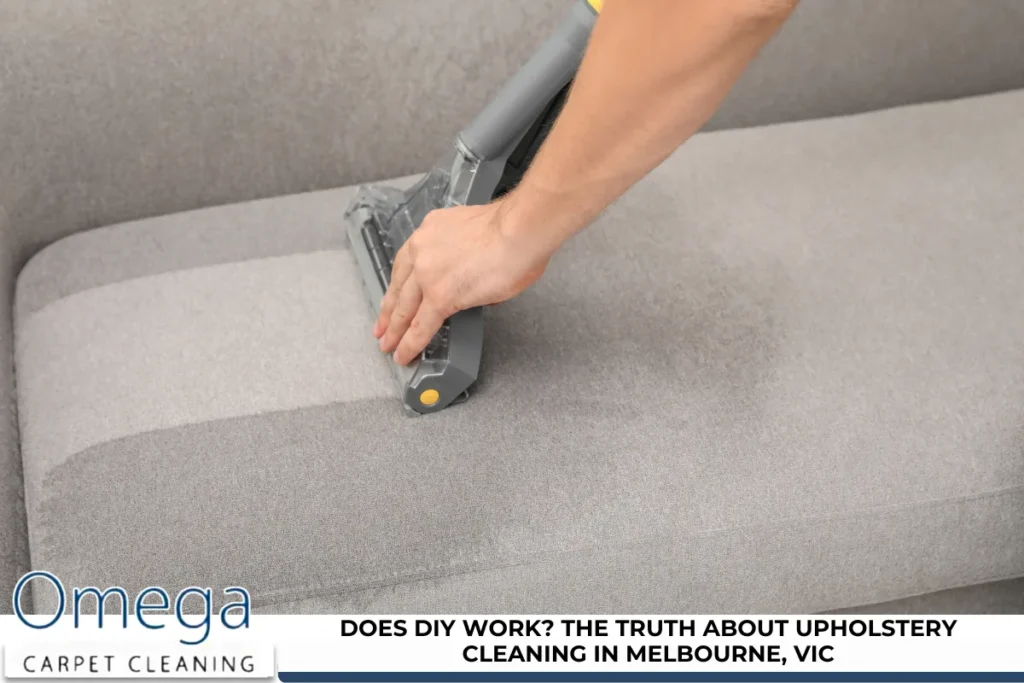
Read Does DIY Work? The Truth About Upholstery Cleaning in Melbourne, VIC
Hidden Health Risks: Allergens, Dust Mites and Indoor Air Quality
A neglected couch is not just unsightly. It becomes a reservoir for microscopic contaminants that directly affect your family’s health.
Couches collect allergens such as dust, pet dander, and pollen with every use. Dust mites, which thrive in warm, humid environments between 20 and 25 degrees Celsius, feed on the skin flakes that sofas supply in abundance. Their faeces and body fragments are strongly allergenic. Couches can harbor allergens that trigger allergy or asthma symptoms, and they trap dust mites, sweat, and bacteria, which aggravate allergies in susceptible individuals.
Every time someone sits down or flops onto the sofa, microscopic particles are puffed back into the room air. This is a significant concern for children, older adults, and anyone with respiratory conditions. Common symptoms include persistent sneezing, itchy or watering eyes, aggravated asthma, and eczema flare-ups. Upholstery can trap allergens, leading to health issues that occupants may not connect to their furniture.
Victorian health guidance emphasises reducing dust and allergen loads on soft furnishings to support better indoor air quality. Steam cleaning penetrates deep to eliminate hidden allergens from within the padding layers where vacuuming cannot reach. Upholstery cleaning removes dust mites and allergens effectively, and when combined with mattress cleaning and even grout cleaning in damp-prone areas such as bathrooms, the overall improvement in home hygiene can be significant. Upholstery cleaning improves indoor air quality by removing allergens that would otherwise circulate through every room.
Bacteria, Moisture and Mould: When Your Couch Becomes Unhygienic
Beyond allergens, there is a microbial dimension to couch neglect that most people overlook entirely. Dirty upholstery can harbor harmful bacteria and germs, with some estimates from cleaning industry assessments suggesting upholstered surfaces can harbour up to 200,000 bacteria per square inch.
When drink spills, pet accidents, or damp clothing sit on a lounge suite without proper treatment, moisture soaks into the foam where it cannot evaporate. Couches can collect moisture which, if not addressed, leads to mold. In Melbourne’s climate, where relative humidity frequently exceeds 60 to 70 percent during cooler months, mold and mildew may develop if upholstery becomes damp and is not cleaned. Australian studies have found mould present in 10 to 50 percent of homes depending on climate, rainfall, and building quality.
The health implications are real. Musty odours, potential skin irritation, and a higher risk of sinus and respiratory infections for anyone exposed to mould spores become ongoing concerns. Professional cleaning eliminates 99.9 percent of bacteria and germs, addressing contamination that no amount of surface wiping can match.
Over-wetting from incorrect DIY steam machines is itself a risk. It can cause wicking, visible water marks, and prolonged dampness in upholsteries that actually promotes the growth you are trying to prevent. A professional cleaning process manages moisture carefully, using hot water extraction or a low moisture cleaning method with dry cleaning systems to leave couches hygienically clean and properly dried. Professional cleaning can eliminate 99.9 percent of bacteria and germs when performed correctly.
Faster Wear, Fading and Structural Damage to Your Lounge Suite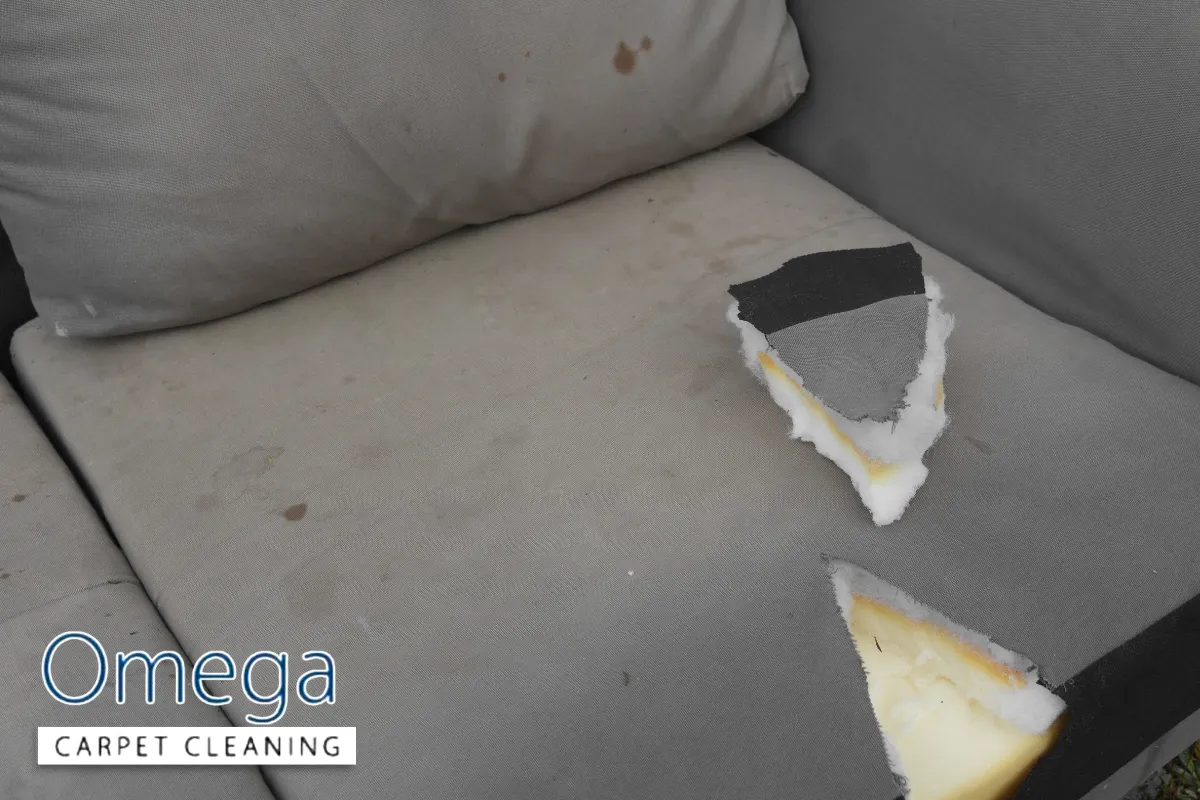
The damage from neglect is not only about hygiene. It physically shortens the usable life of your couch in ways that become expensive to address.
The sandpaper effect mentioned earlier is cumulative. Dirt and grit trapped inside sensitive fibres cut threads with every movement, leading to thinning, pilling, and fabric fraying across high-contact zones like armrests and seat edges. Neglecting upholstery cleaning can cause permanent fabric damage, and over time this fabric deterioration becomes visible as worn patches and threadbare spots.
Body oils and soil gradually strip away factory-applied fabric protectant coatings. Once those coatings are gone, fabrics attract even more dirt, stain more easily, and fade unevenly under Melbourne’s strong summer UV. Neglecting upholstery cleaning can lead to fabric deterioration that no single clean can reverse once it reaches a certain stage.
Structural signs of long-term neglect include sagging cushions, flattened padding, and creased armrests. These are mechanical failures in the foam and springs, not something cleaning alone can fix.
The cost comparison is worth considering. Replacing a quality lounge suite in Victoria can run into several thousand dollars, whereas scheduled couch cleaning typically costs between 90 and 165 dollars for a standard three-seater. Routine maintenance can prolong the lifespan of upholstered furniture from a disappointing 3 to 4 years up to 10 or even 15 years. Regular cleaning extends the life of your furniture significantly.
Impact on Your Home Environment, Guests and Property Value
A neglected couch subtly changes how a room feels, even if visitors cannot immediately pinpoint why. Dull, stained upholstery and lingering pet odours create an atmosphere that makes entertaining guests awkward and can reflect poorly in rental inspections or property sales campaigns.
Property managers and potential buyers notice soft-furnishing condition as a proxy for overall maintenance. A clean couch signals a cared-for home. Pairing couch cleaning with carpet cleaning and rug cleaning before photography or an open-for-inspection day in Melbourne can noticeably lift perceived value and help present both the appearance and freshness of a well-maintained space.
Professional cleaning helps reduce pet odours and allergens, which is particularly relevant if you are preparing a property for new tenants or buyers. Deep cleaning makes furniture look newer and fresher, supporting the impression that the entire home has been looked after. Think of regular upholstery care as part of whole-home hygiene rather than a cosmetic extra.
What a Professional Couch Cleaning Process Typically Involves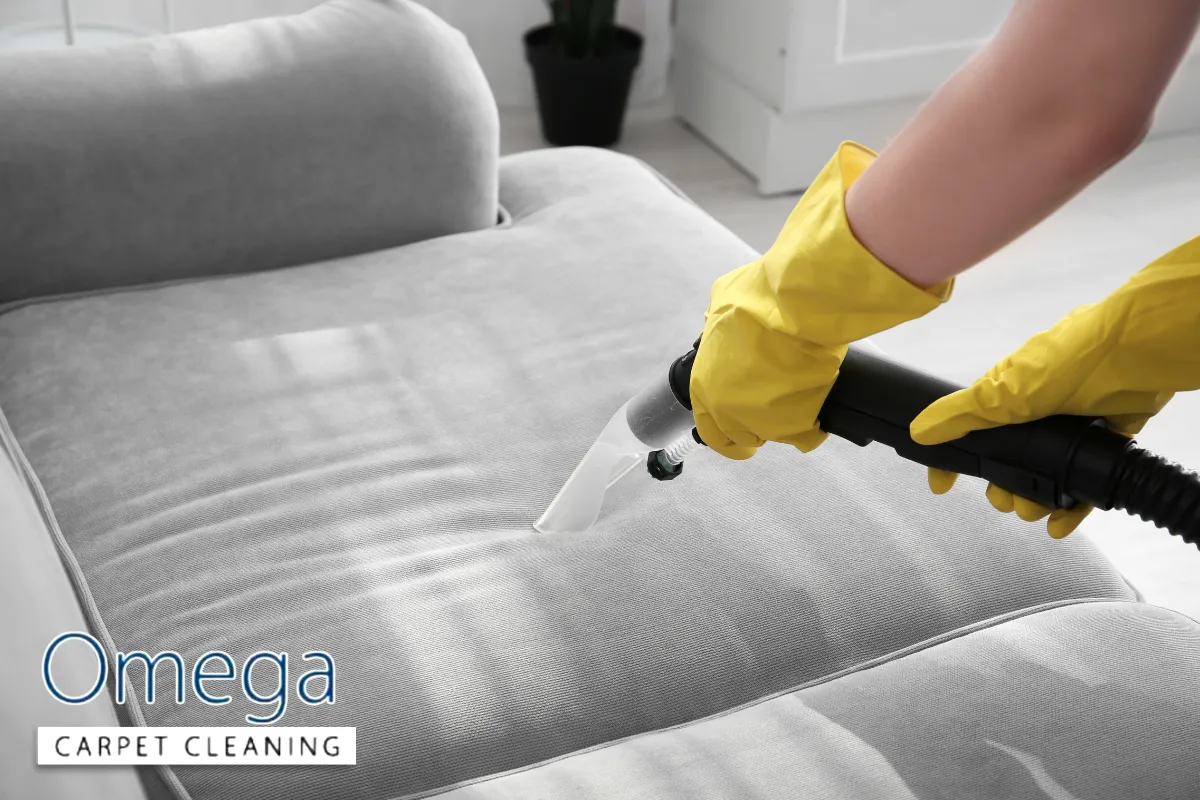
Modern upholstery washing is more technical than simply running a steam wand across a sofa. Understanding the cleaning process helps set realistic expectations.
A typical professional service follows these steps:
- Pre-inspection and fibre identification, checking the upholstery type and manufacturer cleaning codes such as W, S, WS, or X.
- Thorough pre-vacuuming with HEPA-filtered equipment to remove dirt, dust, and loose pet hair before any moisture is introduced.
- Targeted stain treatment using appropriate chemistry for the stain type, whether tannin, protein, or oil-based.
- The main clean, either hot water extraction for most upholstery or a special dry cleaning solution for delicate materials that cannot tolerate water. Dry cleaning methods are used for delicate upholstery fabrics to avoid damaging delicate materials or causing shrinkage.
- Deodorising and optional fabric protection application.
- Controlled drying. Hot water extraction cleaning leaves upholstery dry in 4 to 6 hours under normal Melbourne conditions.
Reputable Melbourne operators comply with Australian Standards for carpet and upholstery cleaning and follow manufacturer care labels. Steam cleaning can remove deep dirt from upholstery fabrics that surface methods leave behind. Professional cleaners adjust water temperature, pressure, and detergents based on fabric type, whether microfibre, cotton blends, linen, synthetics, or leather furniture. For a leather sofa, hand cleaning with pH-balanced products is standard practice.
Optional extras often include rug cleaning service, tile and grout cleaning, and combining a clean upholstery job with a full carpet cleaning session for a complete room refresh. Professional cleaning removes 99.9 percent of germs and bacteria across all treated surfaces. Professional cleaning can remove tough stains effectively when the right method is matched to the right fabric. Regular cleaning prevents dirt from embedding in fabric between professional visits.
How Often Should You Clean Your Couch in Melbourne’s Climate?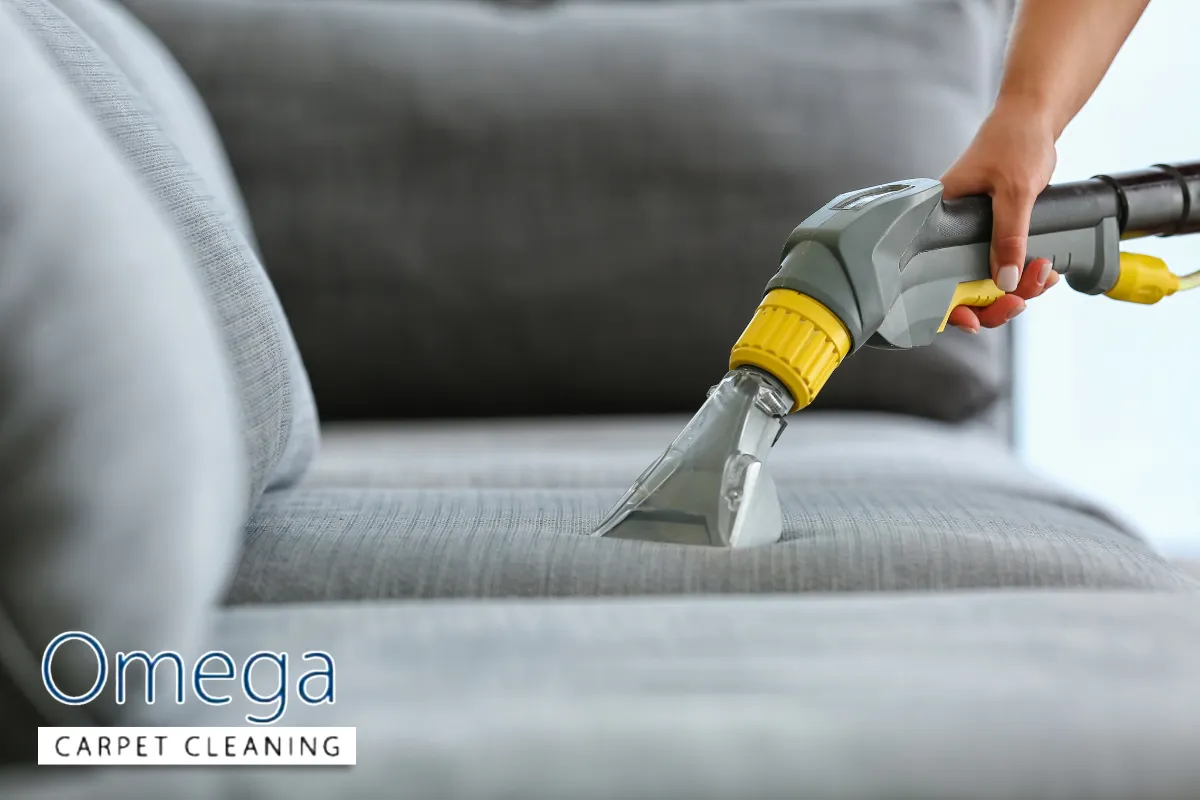
The answer of never or only when it looks bad is far too infrequent for hygienic upholstery care. Here are practical guidelines based on household type:
- Light-use homes with no pets or young children: every 18 to 24 months
- Busy family homes or households with pets: clean upholstery every 6 to 12 months
- Rental properties: professionally cleaned just before or after each tenancy
- High-use upholstery in shared or commercial settings: cleaned more frequently, potentially quarterly
Deep cleaning is recommended every 6 to 12 months for heavily used couches, and seasonal considerations matter. During Melbourne winters when windows stay shut and heaters trap indoor pollutants, allergens accumulate faster. Homes near busy roads with higher soot and dust exposure also benefit from shorter intervals.
A simple maintenance routine between professional visits makes a noticeable difference:
- Vacuum sofa surfaces and crevices weekly
- Respond to spills immediately with a clean cloth and cold water
- Rotate and flip cushions to distribute wear evenly
- Schedule a professional upholstery cleaning service at regular intervals
Professional cleaning can extend furniture life significantly when combined with consistent at-home care. Rather than waiting until stubborn stains, tough stains, or persistent odours force action, booking local professional upholstery cleaning services in Melbourne on a set schedule keeps problems from accumulating in the first place.
Upholstery Cleaning in Melbourne, VIC – Omega Carpet Cleaning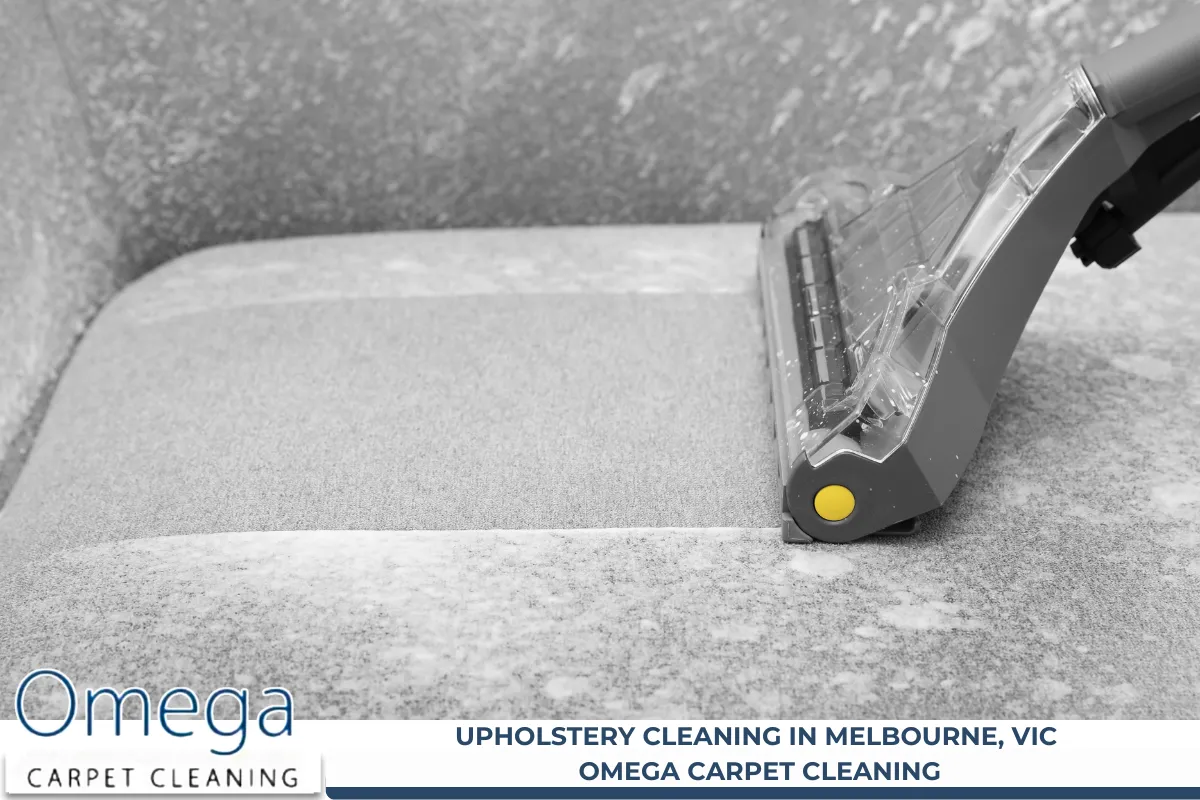
At Omega Carpet Cleaning, we provide expert upholstery cleaning across Melbourne and surrounding suburbs. Our team uses safe, effective methods suited to fabric upholstery, delicate fabrics, and leather furniture alike, so your couch, chairs, and lounge suite receive the care they deserve without risk of damage. We combine our couch cleaning with carpet cleaning, rug cleaning, and mattress cleaning options, making it easy to refresh an entire room in a single visit. Our cleaning process targets stains, allergens, and pet odours to restore comfort and freshness to your home. We stand behind every job with a satisfaction guarantee because we believe in delivering great service and an excellent job every time. Call us on 0406 996 819 or fill out our contact form for a free quote and an instant quote response. Omega Carpet Cleaning is ready to give your furniture the deep clean it needs.
Frequently Asked Questions
Can I Use a DIY Upholstery Washer on All Fabric Types?
No. Different fabrics carry different cleaning codes, and using a DIY upholstery washer on the wrong material can cause shrinkage, colour bleeding, or water damage. Fabrics labelled S or X should never be cleaned with water-based equipment at home. Synthetic blends and most microfibre covers generally tolerate water-based extraction, but natural fibres like silk, linen, and certain wool blends require a special dry cleaning solution or professional handling. Before using any home machine, always check the manufacturer tag on your furniture. If you are unsure, a quick consultation with professional cleaners can prevent costly mistakes and protect sensitive fibres from permanent harm.
Is Dry Cleaning or Steam Better for My Couch?
It depends entirely on the fabric type and condition. Steam cleaning, or hot water extraction, is the most common cleaning method for standard fabric couches because it penetrates deep into padding to remove dirt, bacteria, and allergens. It works well for synthetics, cotton blends, and microfibre. However, for delicate materials such as velvet, silk, or vintage upholstery, a low moisture cleaning method or dry cleaning approach is safer because it avoids the risk of water damage, shrinkage, or colour run. A qualified technician will assess your upholstery before choosing the right approach, ensuring the best result without damaging the piece. Most upholstery in Australian homes is suited to hot water extraction.
How Long Does a Professional Clean Actually Take, and How Quickly Does It Dry in Melbourne?
For a standard three-seater sofa, the cleaning process itself typically takes between 30 and 60 minutes, depending on the level of stain treatment required and the number of pieces. Drying time after hot water extraction is generally 4 to 6 hours under normal Melbourne ventilation conditions. In winter, when humidity is higher and windows may stay closed, drying can extend slightly. Using fans, opening windows where possible, or running a dehumidifier speeds things up. Low moisture methods dry faster, sometimes within one to two hours. Professional services in Melbourne factor local climate conditions into their moisture management to prevent any issues with dampness.
Are Eco-Friendly Cleaning Solutions Effective on Tough Stains?
Modern eco-friendly and low-chemical cleaning solutions have improved considerably and are effective on most common household stains, including food grease, coffee, and general soiling. They work particularly well when stains are treated promptly. For heavily set or oxidised stains such as old red wine or ink, eco-friendly products may need multiple applications or professional-grade formulations to achieve full removal. The growing demand in Melbourne for fragrance-free, pet-safe, and child-safe cleaning agents has driven suppliers to develop products that balance effectiveness with safety. If you have concerns about cleaning residues, discuss options with your service provider before the appointment to ensure the right product is used for your situation.
Can Professional Cleaning Fix Pet Urine That Has Soaked into Couch Cushions?
Professional cleaning can significantly improve or fully resolve pet urine issues if the contamination has not saturated the foam padding for an extended period. Hot water extraction combined with enzyme-based treatments breaks down uric acid crystals and neutralises odour at the source rather than simply masking it. However, if urine has been sitting in the foam for months and ammonia has chemically bonded with the padding, even a thorough professional service may only reduce the smell rather than eliminate it completely. In severe cases, replacing the foam insert while keeping the cleaned cover is the most practical solution. Acting quickly after a pet accident gives the best chance of a full recovery, which is why prompt attention and regular professional upholstery cleaning are so important for pets owners in Melbourne.
Disclaimer: This article is intended for general informational purposes only and does not constitute professional health or cleaning advice. Always consult qualified professionals for specific upholstery care needs and health concerns relevant to your Melbourne home.
Read Office Carpet Cleaning in Melbourne, VIC: Can You Remove Adhesive Residue from Floor Signs?