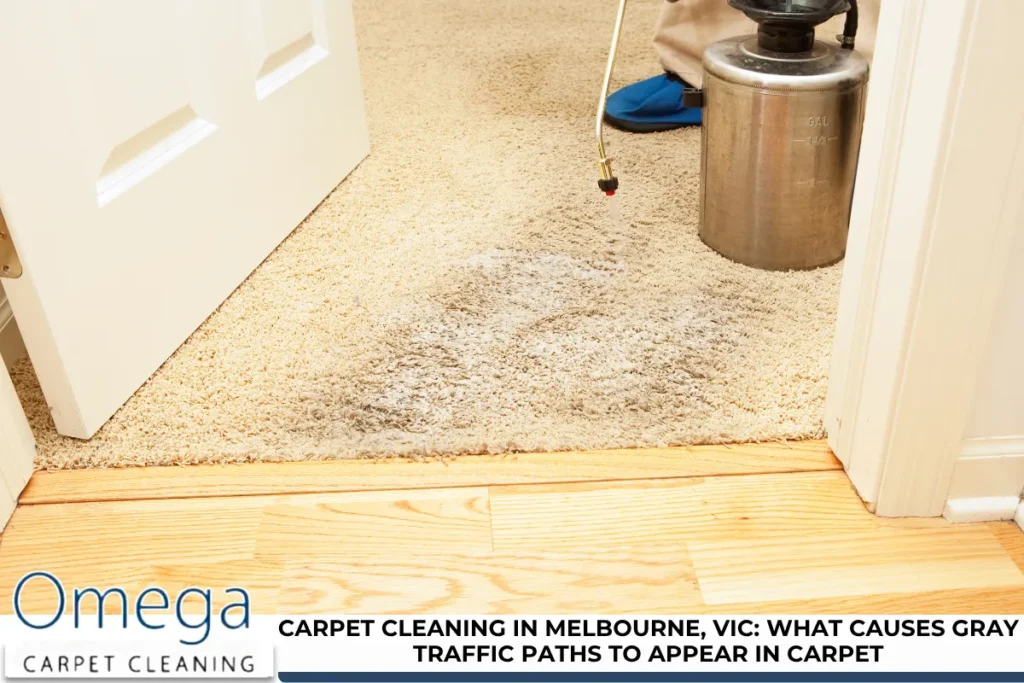

Why Your Carpet’s Traffic Lanes Turn Grey
Carpet cleaning is one of those things most people only think about once the damage is already visible, and by then, those dull grey tracks along your hallway have become impossible to ignore. You vacuum, you scrub, maybe you rent a machine for the weekend, but the paths where people walk every day still look flat and dirty. In Melbourne homes and offices, these grey walkways make spaces feel older and poorly maintained, even when the rest of the room looks fine. The good news is that once you understand what actually causes traffic lane grey, whether it is soil, abrasion, moisture or poor maintenance habits, you can choose the right approach to prevent, treat and manage them. This article covers the causes, practical prevention, professional options available across Melbourne, and how to tell when replacement is the only realistic answer.
Key Takeaways
- Gray traffic lanes are mostly a combination of embedded soil and permanent fibre wear, not simple stains that wipe away with a quick clean.
- High traffic areas like hallways, stairs and entryways in Melbourne homes and offices are most at risk of developing these dull, matted paths.
- Regular vacuuming combined with periodic professional carpet cleaning slows down gray lane formation but cannot reverse severe fibre damage.
- Different cleaning methods, including steam cleaning and low moisture cleaning, suit different carpet conditions and fibre types.
- In some cases, grey traffic paths indicate the carpet has reached the end of its service life and may need partial or full replacement.
What Are Gray Traffic Paths and Where Do They Show Up First?
Gray traffic paths, sometimes called traffic lanes, are darker, matted walkways on carpet that follow the routes where people and pets move most frequently. Gray traffic paths form on carpets due to microscopic soils and oils that accumulate in these zones over time, combined with physical wear on the fibers themselves. High traffic areas show dark spots and flattened fibers long before any actual staining occurs. In fact, high traffic areas can appear grey or matted before staining occurs because the fibre surface has already changed.
In a typical Melbourne home, these lanes usually appear first in hallways, on stairs, around beds, between the couch and television, and along the direct route from the front door toward the kitchen. In offices, the pattern shifts to corridors between desks, near photocopier zones, break rooms, entrances and pivot points where foot traffic can cause carpets to appear grey and matted within months of installation.
The early visual signs include a grey haze across the pile, flattened texture, shading that does not match the rest of the room, and lanes that re-soil quickly after you clean them. These paths are a combination of soiling, fibre damage and sometimes lighting angle, not simply a single dirty mark.
The Main Causes of Gray Traffic Lanes in Melbourne Carpets
Several factors work together to create those persistent grey walkways. Understanding each one helps explain why a basic vacuum pass rarely solves the problem.
The most common contributor is tracked-in dry soil. Fine dust, grit and sand from Melbourne streets and gardens get carried inside on shoes and settle deep into the pile. Abrasive grit from sand and dirt damages carpet fibers by acting like sandpaper with every step taken across the floor. Melbourne’s clay-heavy soils contribute to indoor dust issues, adding a reddish-brown particulate load that clings to fibre surfaces. Accumulated dirt from foot traffic can damage carpet fibers permanently when it is not removed promptly.
Oily residues from skin and cooking oils attract dust to carpet fibers, creating a sticky film that bonds fine soil in place. Body oils from bare feet, food preparation vapours and small spills all contribute to this film, which makes the surface increasingly difficult to clean over time.
Then there is abrasion itself. As people walk repeatedly across the same strips of carpet, fibers get twisted, flattened and roughened at the tips. Synthetic materials like polyester and polypropylene tend to show this wear earlier than nylon or wool.
Inadequate routine maintenance accelerates the problem. Homes and businesses without entrance mats, with infrequent vacuuming schedules, or relying only on an occasional carpet washer tend to develop grey lanes much faster. Residue buildup from carpet cleaning products can darken carpets swiftly if machines fail to rinse thoroughly, leaving a sticky residue that pulls new dirt right back in.
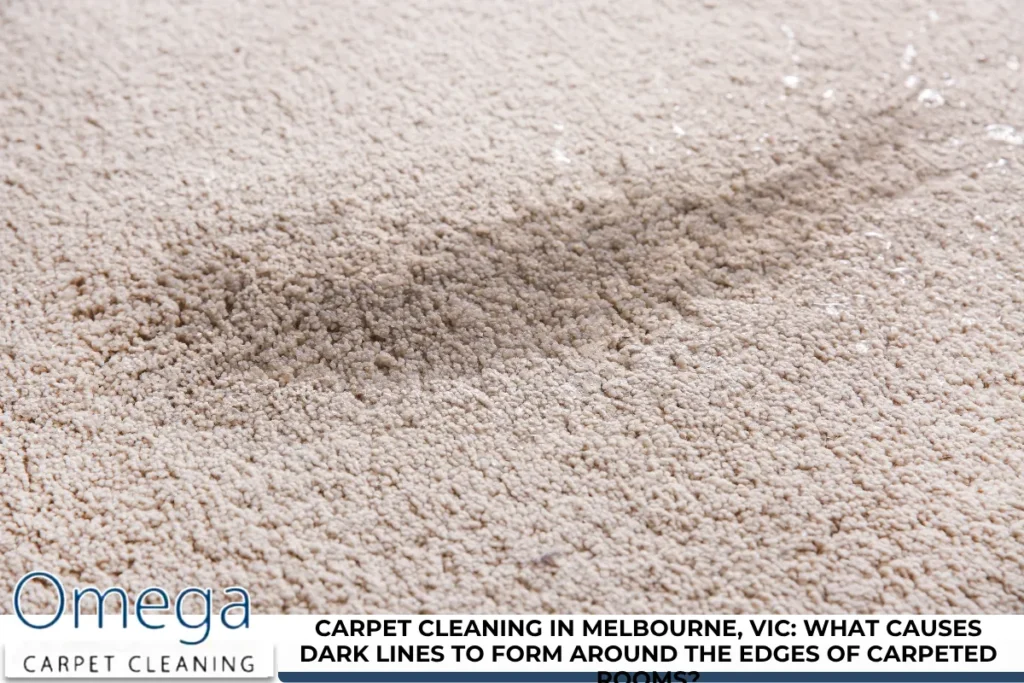
Filtration soiling occurs when dust settles due to air movement in homes, often visible as dark lines along walls, under doors and beneath furniture edges. These areas are high risk for concentrated grey discolouration because airflow carries contaminants directly to the carpet surface where they settle and bond.
Soil Versus Wear: Can All Gray Traffic Paths Be Cleaned Out?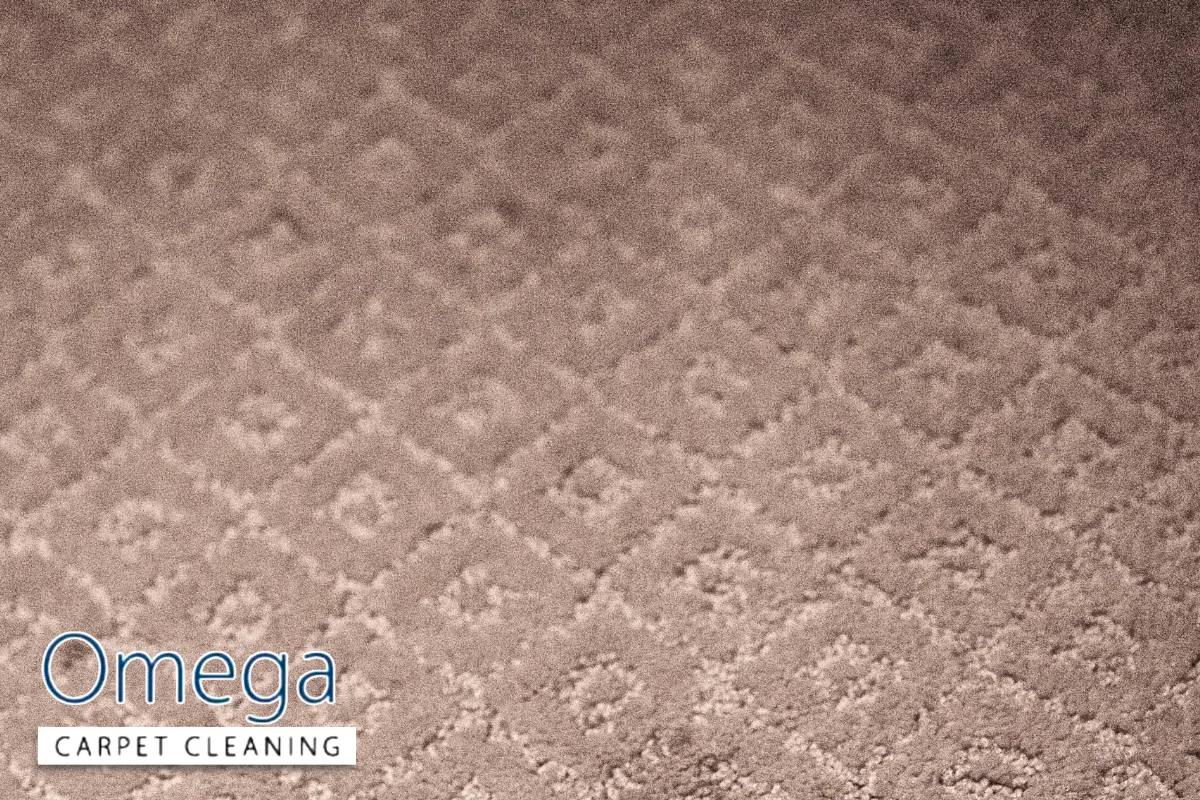
This is the critical question, and the honest answer is not always. There is a meaningful distinction between removable soil and irreversible wear patterns, and knowing which you are dealing with changes the approach entirely.
Soil load refers to the accumulation of fine particulate, oily residue and general grime coating each fibre. This kind of buildup gives carpet a darker, dull appearance that professional carpet cleaning can often improve dramatically. Abrasive soil can be trapped deep within carpet fibers, making it difficult to remove with surface-level methods, but a thorough extraction process can still pull significant amounts of embedded dirt from the pile.
Fibre wear is different. Regular foot traffic can lead to permanent wear on carpets. When fibre tips are scratched, bloomed or broken, they scatter light instead of reflecting it evenly. Carpet fibers reflect light differently when they are scratched or worn, which is why a cleaned hallway can still look dull compared to a lightly used closet in the same space. No cleaning method can undo that physical damage.
A trained carpet cleaner can perform a quick test clean on a small strip of a traffic lane to judge how much improvement is possible. If the area brightens noticeably, the problem is mainly soil. If it stays grey, the fibers themselves have been worn past the point where cleaning alone can fix the appearance.
How Everyday Habits in Melbourne Homes and Offices Create Traffic Lanes
Local lifestyle and building design play a direct role in how quickly grey paths develop. Melbourne’s climate cycles dust and moisture indoors throughout the year, and daily habits either accelerate or slow the process.
Footwear is one of the biggest factors. Shoes worn indoors carry grit, moisture and organic matter from streets and gardens straight onto the carpet. Work boots tracked through converted garages, school bags dragged along hallways, and trolleys or office chairs rolling over soft flooring all concentrate wear in narrow strips. Foot traffic pushes dirt deeper into carpet fibers with every step, grinding particles further below the surface where vacuums struggle to reach.
Pets create their own traffic lanes. Cats and dogs repeatedly use the same routes to doors, windows and food bowls, depositing hair, natural oils and outdoor soil along those paths. The presence of multiple animals in a household multiplies this effect.
Melbourne weather adds another layer. Wet days bring moisture and soil from entrances deep into the building when proper mats are not in place. During dry, windy periods, fine dust enters through open windows and vents, settling across the floor and concentrating in busy areas.
Furniture layouts that force narrow walkways between couches, coffee tables, beds and desks intensify pressure on specific carpet strips. Consider widening walkways, rotating rugs seasonally and re-positioning furniture periodically to spread foot traffic and reduce deep lane formation across the room.
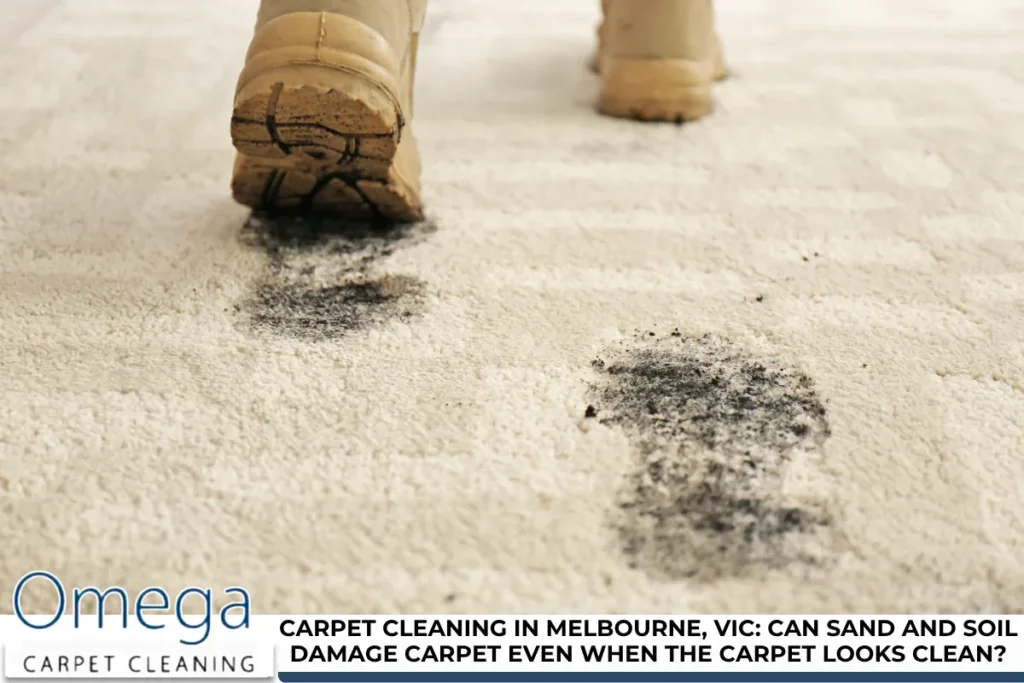
Read Carpet Cleaning in Melbourne, VIC: Can Sand and Soil Damage Carpet Even When the Carpet Looks Clean?
What Regular Vacuuming Can and Cannot Do for Traffic Areas
Regular vacuuming is essential to maintain carpet texture and slow down the formation of grey lanes, but it has clear limitations when dealing with established traffic paths.
Vacuuming lifts loose dirt and dry debris from the top and mid-layer of the pile, preventing those particles from grinding into fibers every time someone walks across. Regular vacuuming prevents dirt from embedding in carpet fibers, which is why vacuuming high-traffic areas frequently helps maintain carpet appearance over the long term.
However, vacuums struggle with oily films, sticky residue and deeply embedded fine grit that has bonded to fibers in traffic lanes. They cannot reverse pile flattening or restore fibre tips that have been worn down through months of use. Regular vacuuming is essential to maintain carpet texture, but it will not bring back what has already been lost to abrasion.
For practical results:
- Vacuum busy walkways and office corridors daily or several times a week
- Use slower passes in multiple directions rather than a single quick sweep
- Choose a vacuum with a beater bar or motorised brush head appropriate for your carpet type
- Clean or replace filter bags often to maintain suction
If traffic lanes look dull or feel rough even after a meticulous vacuum, deeper professional cleaning is the logical next step.
Professional Cleaning Methods That Target Traffic Lane Grey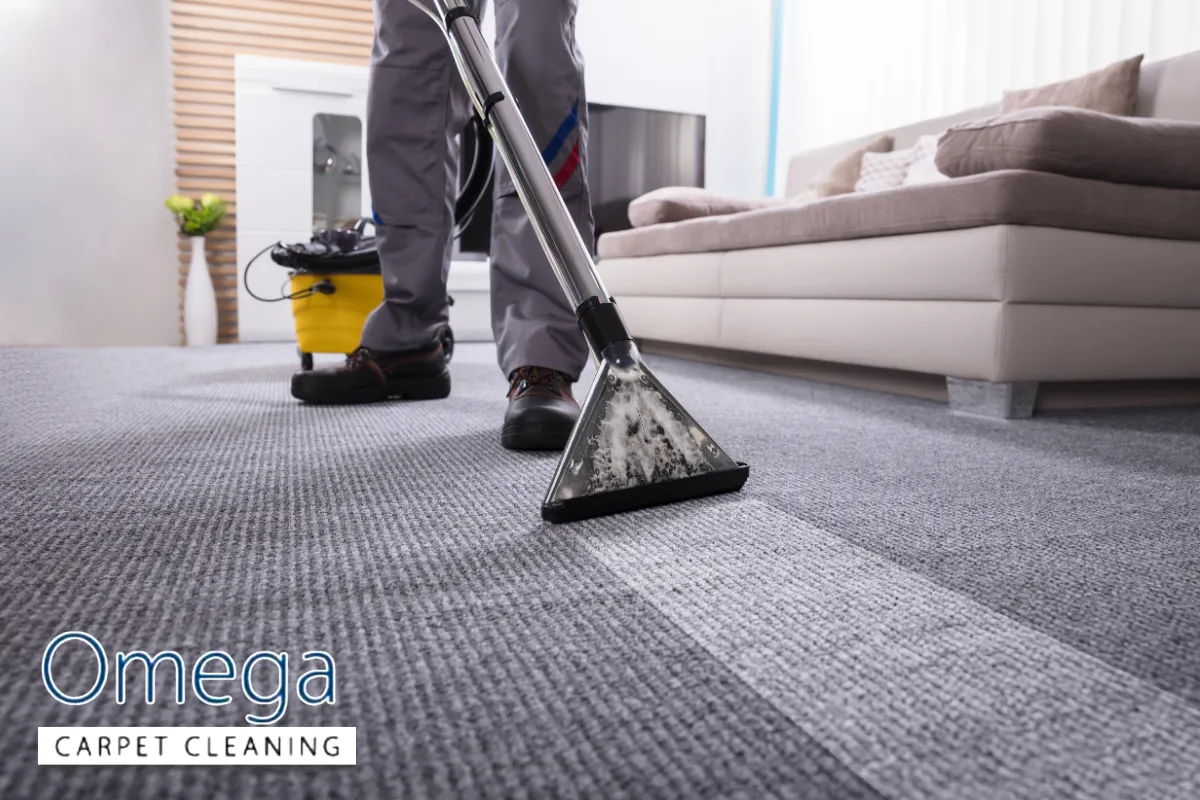
Not every method suits every carpet. Choosing the correct technique protects your carpet warranty, extends its lifespan and delivers the best visible result.
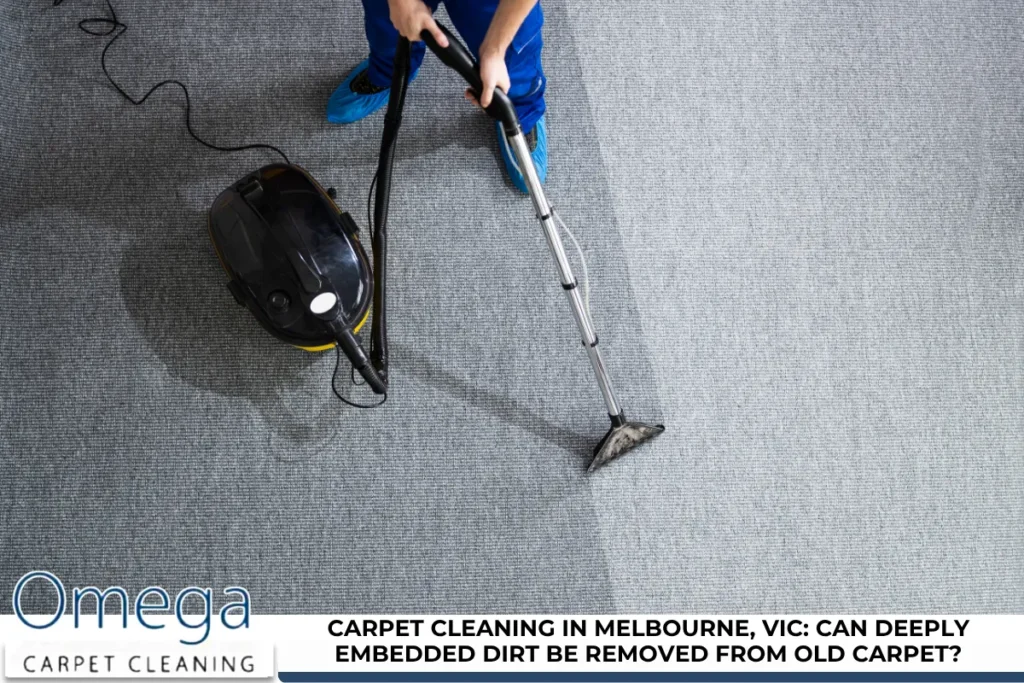
Professional hot-water extraction is recommended for deep cleaning carpets. Often called steam cleaning, this method uses hot water and cleaning agents injected into fibers, then extracted with powerful suction. Steam cleaning is effective for most carpets, and when performed by a trained technician with correct temperature, pressure and dwell time, it flushes out the soil and films that create grey lanes. Steam cleaning is effective for most carpet types, including wool and nylon, though each requires different chemical formulations. Carpets typically take 4-8 hours to dry after cleaning with this method, depending on ventilation and humidity.
Low moisture cleaning options, such as encapsulation systems, offer faster turnaround for office carpets and busy homes. Low-moisture cleaning reduces drying time and prevents mold, making it well suited to Melbourne’s changeable climate where a wet carpet left too long can develop odors. Hot Carbonating Extraction uses minimal water for faster drying, which appeals to businesses that cannot afford extended downtime. Bonnet cleaning is suitable for commercial carpets with light soil as an interim maintenance method between deeper cleans.
Professional carpet cleaning technicians use preconditioning sprays, mechanical agitation and targeted dwell time on traffic paths before extraction. This cleaning process loosens the oily film and embedded grit that standard vacuuming leaves behind. Professional cleaning can remove many stains and odors that household equipment simply cannot reach. The best method depends on fibre type, pile construction and the level of soiling present.
Any professional process should comply with Australian Standards for carpet cleaning, specifically AS/NZS 3733:2018, and follow manufacturer care instructions to preserve warranties. The drying process matters too. Ensuring the area dries completely before furniture is replaced prevents moisture from becoming trapped against the backing.
When Cleaning Isn’t Enough: Recognising Permanent Wear and Damage
Some grey traffic paths are signs that the carpet has reached or passed the end of its practical service life. Waiting too long to clean can lead to permanent carpet damage, and at a certain point, no amount of chemical treatment or extraction will bring the fibers back.
Visual clues of permanent damage include:
- Exposed backing grid visible through thinning fibers
- Bald patches or noticeably thin strips in hallways and on stairs
- Loop pile worn completely flat, especially on stair nosings
- Seams opening or fraying in traffic areas
- Fibers that feel rough or scratchy underfoot even after a fresh clean
Delamination is another risk. This occurs when the backing separates from the face yarns due to age, water damage or repeated over-wetting by DIY machines. No cleaning method can re-grow fibers, reverse burn marks or fix severe delamination.
A professional assessment can help homeowners and facilities managers decide whether further cleaning is worthwhile or whether the budget should shift toward new carpet. In offices, modular carpet tiles offer the advantage of replacing only the worn sections rather than the entire floor space across a building.
Preventing Gray Traffic Paths in High-Use Areas
Prevention is always more cost-effective than restoration. These strategies are practical for Melbourne households and offices dealing with consistent foot traffic.
Entrance mats help reduce dirt in high traffic areas. Place quality mats both inside and outside external doors, long enough to allow several footsteps, and clean them regularly so they remain effective rather than becoming a soil source themselves.
A no-shoes policy can significantly reduce carpet soil accumulation. Where removing shoes is not realistic, such as in commercial settings, protective runners in busy corridors and chair mats under desks absorb wear that would otherwise concentrate on the carpet.
Rotate area rugs seasonally and move furniture periodically to spread foot traffic across a wider surface. During renovations or events, lay down temporary runners to protect high risk zones.
Build a regular cleaning routine that combines:
- Frequent vacuuming of busy areas
- Prompt spot treatment for spills and marks, because spot cleaning works best for small, recent stains and spot cleaning is for small, fresh stains only
- Blotting is preferred over scrubbing for stain removal, as scrubbing can spread the mark and damage fibers
- Scheduled professional cleaning focused on traffic lanes
Conduct a quick weekly walk-through to notice early dullness or flattening. Catching it early allows a quick response before grey lanes become entrenched.
Creating a Practical Cleaning Schedule for Melbourne Homes and Offices
A planned maintenance schedule keeps carpets presentable and extends their useful life, particularly in high traffic spaces where the rest of the carpet still looks fine.
For homes, vacuum busy areas several times per week and the entire house at least weekly. Carpets should be cleaned every 12-18 months on average by a professional service, though homes with pets, children or allergy sufferers may benefit from more frequent attention. Deep clean high traffic areas at least one to two times per year to maintain a fresh appearance and slow fibre degradation.
For office carpets, focus on traffic lanes near entrances, corridors and shared spaces. High-traffic areas may need cleaning every 3-6 months, combining low moisture cleaning for interim care with full hot water extraction on a regular cycle. Carpets in high traffic areas may need cleaning every three to six months depending on daily foot traffic volume.
Spaces with food, drinks or printer stations deserve extra attention. Spills, crumbs and toner dust worsen grey paths and attract further soil. Facilities managers in larger offices can track complaints about stains or odors and use them as triggers to adjust the cleaning process and schedule, rather than waiting for a fixed calendar date.
Choosing a Professional Carpet Cleaner for Stubborn Traffic Lanes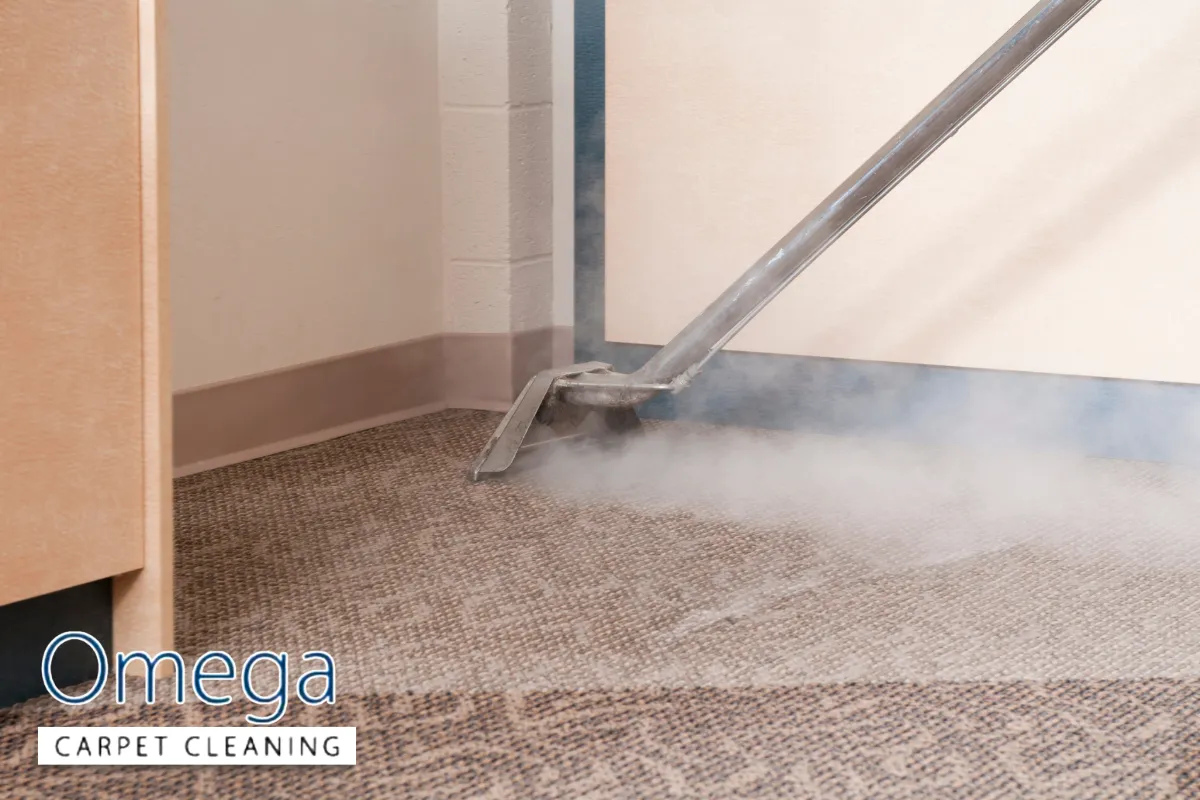
The right professional makes a noticeable difference in grey traffic paths compared with DIY options. A trained technician understands fibre types, stain chemistry and the correct equipment settings for each situation.
When evaluating a cleaner, look for:
- Training and insurance that covers residential and commercial work
- Knowledge of Australian Standards and manufacturer warranty requirements
- Willingness to explain their process and set realistic expectations
- Clear written quotes without hidden charges
Ask specifically about their approach to high traffic areas. Pre-vacuuming, targeted pre-sprays, agitation, appropriate dwell time and thorough extraction all matter. So does the drying time, because leaving a wet carpet too long creates new problems.
For offices, low moisture methods with rapid drying may be preferable to maintain daily operations. For homes with heavy soiling, a professional hot water extraction with pre-treatment remains the most effective method to pull embedded soil from deep within the pile.
A good cleaner will also be honest about what they cannot fix. If fibre wear is the dominant issue, they should tell you rather than charge for repeated cleans that deliver diminishing returns.
Carpet Cleaning in Melbourne, VIC – Omega Carpet Cleaning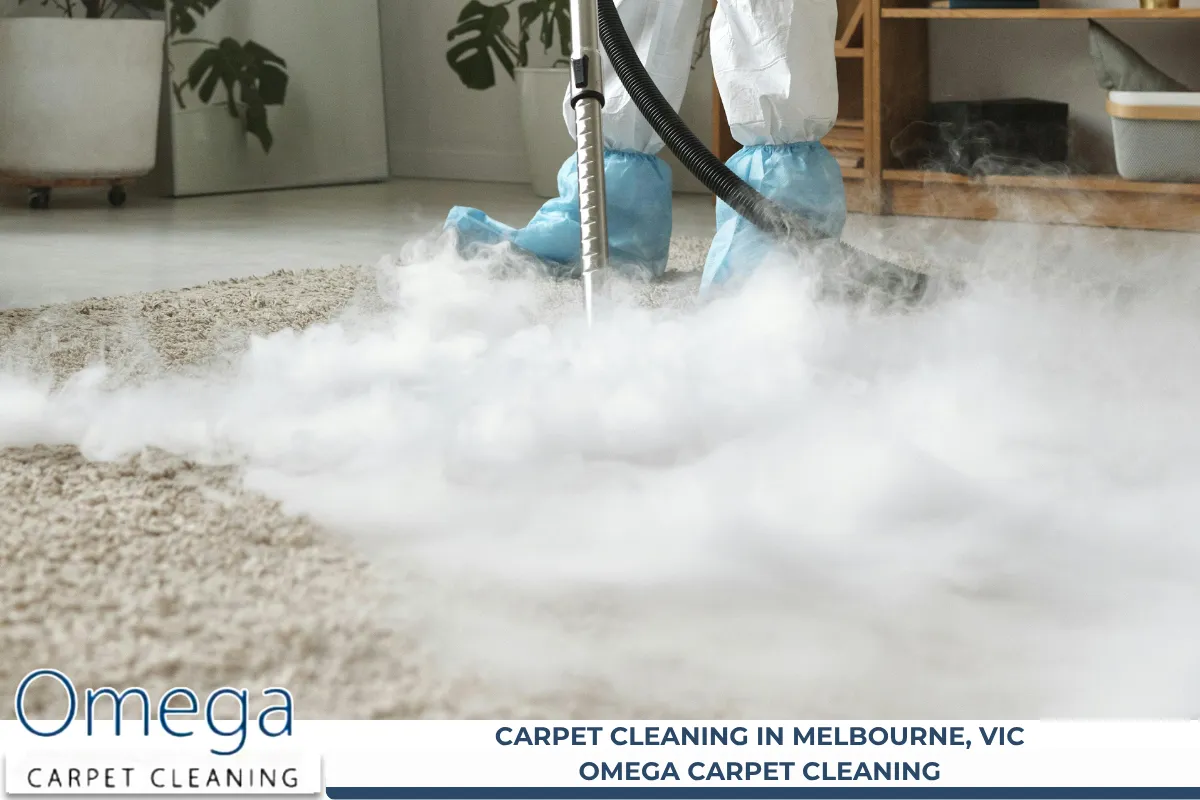
At Omega Carpet Cleaning, we specialise in tackling stubborn grey traffic lanes across Melbourne homes and workplaces. Our technicians begin every job by assessing whether your traffic paths are mainly soil or permanent wear, so you know exactly what results to expect before we start. We use professional hot water extraction and low moisture methods tailored to your carpet type, with fast drying times where possible to minimise disruption to your household or business. Whether you need a single room refreshed or an entire office corridor restored, we bring the right equipment and experience to every job. We service Melbourne, Victoria and surrounding suburbs. Call us on 0406 996 819 or fill out our contact form to book an inspection or request a quote. Let us help you get your carpets looking and feeling clean again.
Frequently Asked Questions
Are Gray Traffic Lanes a Health Concern or Just a Cosmetic Issue?
While grey lanes are primarily a visual problem, they often hold higher concentrations of dust, allergens and fine particles than low traffic areas of the same carpet. These concentrated contaminants can affect people with asthma or allergies, particularly in bedrooms, play areas and busy office corridors where people spend significant amounts of time. Regular vacuuming with a good filtration system, combined with periodic professional cleaning, helps reduce the allergen load trapped in these paths. If you notice a musty odor, visible mould or a history of water damage beneath the carpet, further investigation may be necessary. In these cases, the issue goes beyond appearance and could require more extensive remediation beyond standard carpet washing.
How Long Will My Carpet Stay Clean After Treating Traffic Paths?
Longevity depends on foot traffic levels, daily maintenance habits, the presence of pets and whether entrance mats are actively used. In a typical Melbourne household, well-cleaned lanes may stay noticeably brighter for several months when supported by regular vacuuming and prompt attention to spills. Offices with heavy daily traffic may see visible dulling return within weeks if routine maintenance is lacking between professional visits. Simple aftercare steps make a real difference. Extra vacuuming in treated areas, faster spot treatment when something is spilled, and keeping mats clean at entry points all help maintain the results. Consistency with these small habits extends the fresh appearance far longer than any single deep clean can achieve on its own.
Is It Helpful to Cover Gray Traffic Lanes with Runners or Rugs?
Runners and rugs can protect worn areas from further damage and improve the overall appearance of a room, especially when full carpet replacement is not yet practical. However, placing rugs on a damp or recently cleaned carpet without allowing proper drying can trap moisture underneath, leading to odors and potential mould growth. Always choose non-slip underlay to prevent movement and the additional friction damage that a shifting rug creates against the carpet beneath. Lift and vacuum under rugs regularly so fine grit does not grind into both surfaces. Treated properly, a well-placed runner can extend the useful life of a tired carpet section while you plan a longer-term solution for the space.
Can DIY Rental Machines Make Gray Traffic Paths Worse?
Over-wetting from rental machines is one of the most common problems. Excess water can drive soil deeper into the pile, slow the drying process considerably and risk damage to the backing or underlay if the carpet stays wet for too long. Using too much detergent without proper rinsing leaves a sticky residue that attracts new soil rapidly, making traffic areas look dirty again within days. Aggressive scrubbing attachments can roughen fibers further, making permanent traffic lane grey more apparent rather than less. If you do attempt DIY cleaning, follow the machine instructions carefully, avoid repeated passes over the same area, and ensure thorough drying with ventilation and fans so the area dries as quickly as possible to prevent secondary issues.
How Should I Prepare My Home or Office Before Traffic Lane Cleaning?
Clear small furniture, rugs and personal items from hallways and main walkways to give the technician full access to the grey lanes that need attention. A thorough pre-clean vacuum is helpful, especially along skirting boards and at doorway transitions where loose soil tends to collect. Point out specific problem paths and any past spill locations during the pre-inspection so the technician can target those areas with appropriate pre-treatment chemicals and dwell time. In Melbourne’s denser suburbs, arrange parking and access in advance so equipment can be brought into the building safely and efficiently without delays. Closing windows and turning on heating or fans after the service helps speed the drying process and gets your space back to normal sooner.
Disclaimer
This article provides general information based on current carpet cleaning practices in Melbourne, VIC. It does not replace an on-site professional inspection or specific compliance advice related to your carpet type, warranty conditions or building requirements.
Read Carpet Cleaning in Melbourne, VIC: Can Dirt Permanently Change the Color of Carpet Fibers?