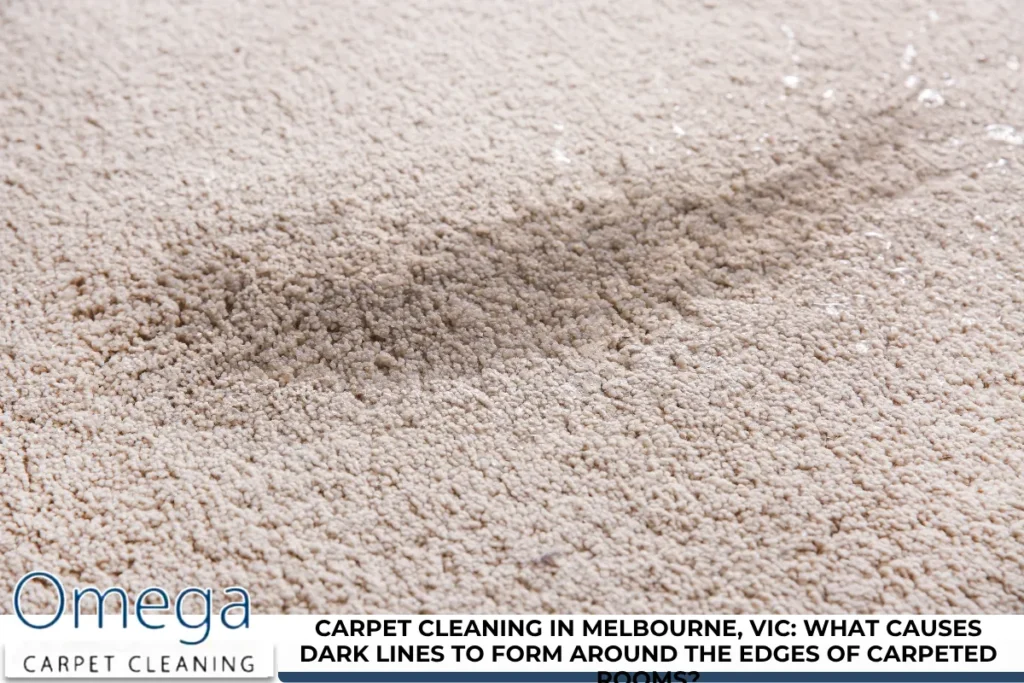

Carpet cleaning calls in Melbourne often begin with the same puzzled question: why are there grey or black lines creeping along the walls and under the doors? You vacuum every week, you keep the place tidy, and yet those stubborn marks keep showing up. The honest answer is that these dark lines are rarely caused by anything you did wrong. They form through a specific process called filtration soiling, where air carries microscopic pollutants into the carpet pile and deposits them at the edges of every room. This article breaks down exactly why it happens, what makes Melbourne homes particularly vulnerable, how a carpet cleaner can treat it, and what you can do to prevent it from coming back.
Key Takeaways
- Dark or black lines around carpet edges are usually filtration soiling caused by air movement, not poor vacuuming.
- Filtration soiling traps soot, dust, smoke and other fine particles at carpet edges, under doors and on stairs.
- Regular edge vacuuming, clean HVAC filters and better airflow dramatically reduce these stains forming.
- Once dark lines set in, professional carpet steam cleaning is typically required to improve them.
- Melbourne tenants should address filtration soiling before end of lease inspections to avoid bond disputes.
Why Carpet Cleaning Questions Often Start with Mysterious Dark Edge Lines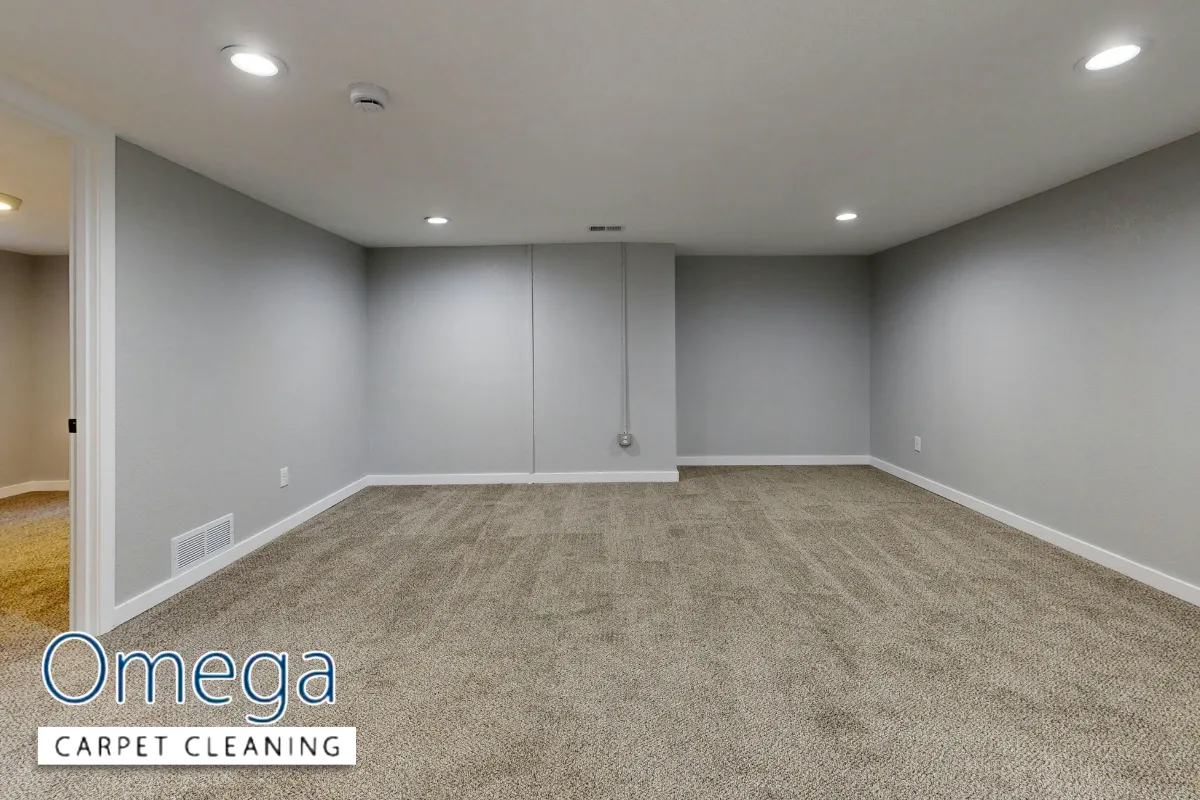
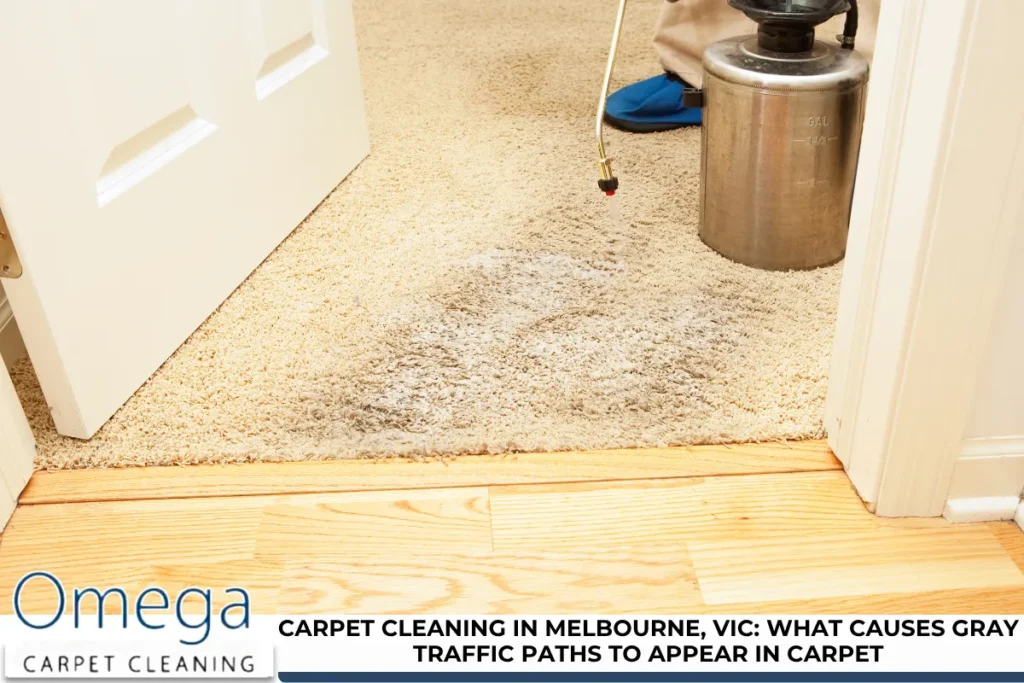
Most people first notice filtration soiling when they move furniture, pull back a curtain or start preparing for a lease clean. The marks tend to look like someone has drawn a thin pencil line where the carpet meets the walls. They are not mould, they are not wear, and they are not stains from spills. They are a completely different category of dirt that sits deep at the fibre base, not on the surface.
These lines can appear even in otherwise well-maintained homes and rental properties, which is why they confuse so many owners and tenants. A few things worth noting early:
- The marks follow structural edges, not foot traffic paths.
- They develop slowly over months or years, often going unnoticed until they are quite dark.
- Standard general cleaning methods rarely make a visible difference.
What Is Filtration Soiling and Why It Targets Carpet Edges
Filtration soiling occurs when air carries soil particles into carpets, depositing them wherever air is forced through narrow gaps in the floor covering. Think of your carpet acting like a large, passive filter. Air moving through a room is forced through tiny gaps beneath skirting boards, under closed doors and around the edges of built-in furniture. As that air passes through the carpet pile, microscopic pollutants often bond tightly to carpet fibres, collecting near the backing rather than sitting on the tips.
The particles involved are extremely small. Fine airborne pollution includes dust, smoke, and cooking residues, all of which stay suspended in air long enough to travel through every crack in the room. Filtration soiling creates dark lines along walls and carpet edges because those are the exact points where moving air meets resistance and dumps its load of contaminants.
Why is it so hard to shift? Several reasons:
- The contamination often has an oily or sticky residue, especially soot from candles or gas heaters.
- Particles causing filtration soiling are often ultrafine and electrically charged, meaning static in synthetic fibres attracts and holds them.
- The soil sits at the base of the pile, not on the surface where your vacuum cleaner typically works.
- Light-coloured carpets show the contrast far more than darker floor types, making the problem look worse even at low levels.
Common Places Dark Lines and Black Marks Appear in Melbourne Homes
Filtration soiling is predictable once you know where air escapes and enters a room. Melbourne homes often have conditions that make filtration soiling more noticeable, from older timber-framed construction with unsealed subfloors to apartments with shared walls and ducted heating systems.
Look for marks in these locations:
- Along skirting boards on every wall, particularly where carpet meets the baseboard tightly
- Under interior doors that are frequently kept shut, such as bedroom or bathroom doors
- Beside wardrobes or built-in cabinets that sit flush with the floor
- Around heater outlets, gas heater vents and fireplace surrounds
- On stairs, especially at the nosing edge where carpet wraps over the step
- Under floor-length curtains or drapes that trap airflow against the carpet surface
In multi-storey townhouses, stairwells and upper-level hallways are especially prone to visible black lines. Grab a torch and run it along your edges at a low angle to see whether similar marks are developing in your own rooms.
Exactly What Is Producing the Particles That Cause Dark Lines
Filtration soiling comes from a combination of indoor and outdoor particle sources. Common sources of filtration soil include dust, dander, and smoke, but the list extends well beyond those basics in a typical Melbourne household.
Melbourne-specific sources worth knowing about:
- Gas heaters and ducted heating systems that circulate warm, particle-laden air through every room
- Traffic pollution from busy roads, entering through windows, vents and door seals
- Wood heaters and open fireplaces, which release fine soot even when well maintained
- Cooking oils and vapours, particularly if rangehoods are absent, faulty or have dirty filters
- Scented candles, incense and oil burners, which produce significant amounts of airborne residue
- Cigarette or vaping smoke from indoor use
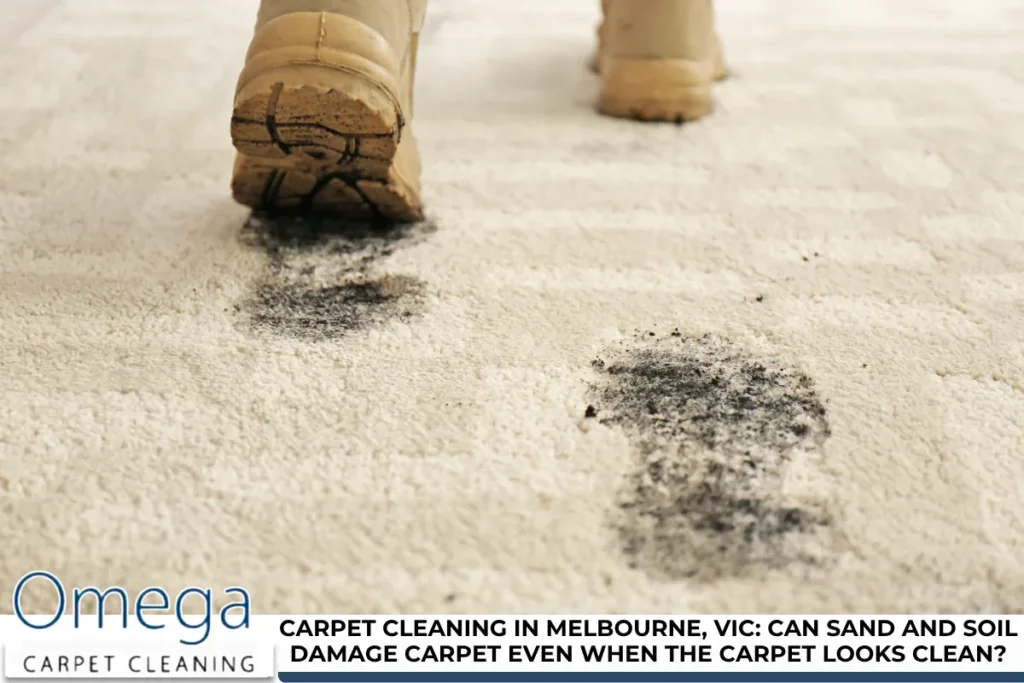
Winter heating in Melbourne increases indoor air circulation and pollution accumulation. Homes are sealed against cold weather, yet heating systems force air through supply and return paths, pushing contaminants through every available gap. Skin cells, loose dirt tracked in on shoes, pet dander and textile fibres add to the mix in high traffic areas near doorways and hallways.
Why Vacuuming Alone Never Seems to Remove Those Dark Lines
Regular vacuuming is essential for removing surface soil, pet hair, dust and loose dirt from the upper portion of the pile. But vacuuming does not effectively remove filtration soiling from carpets. The reason comes down to where the contamination actually sits.
Normal surface dirt rests on and between fibre tips. A decent vacuum cleaner picks this up without much trouble. Filtration soiling, by contrast, embeds near the carpet backing, often glued to the base of fibres by oily residue and electrostatic charge. Most domestic vacuums do not deliver the agitation or suction needed right at the backing, especially along walls and tight edges where access is limited.
Here is a useful comparison:
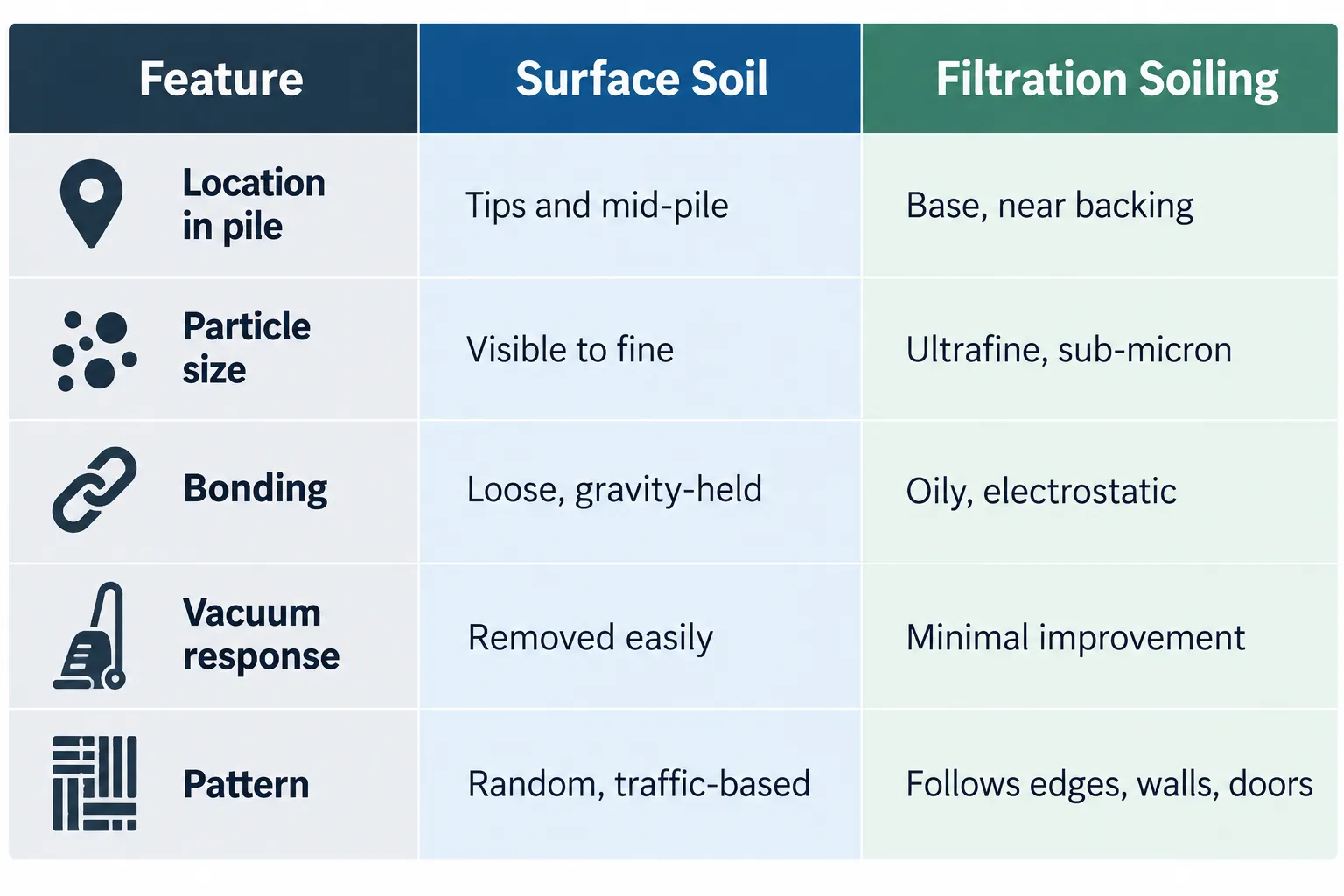
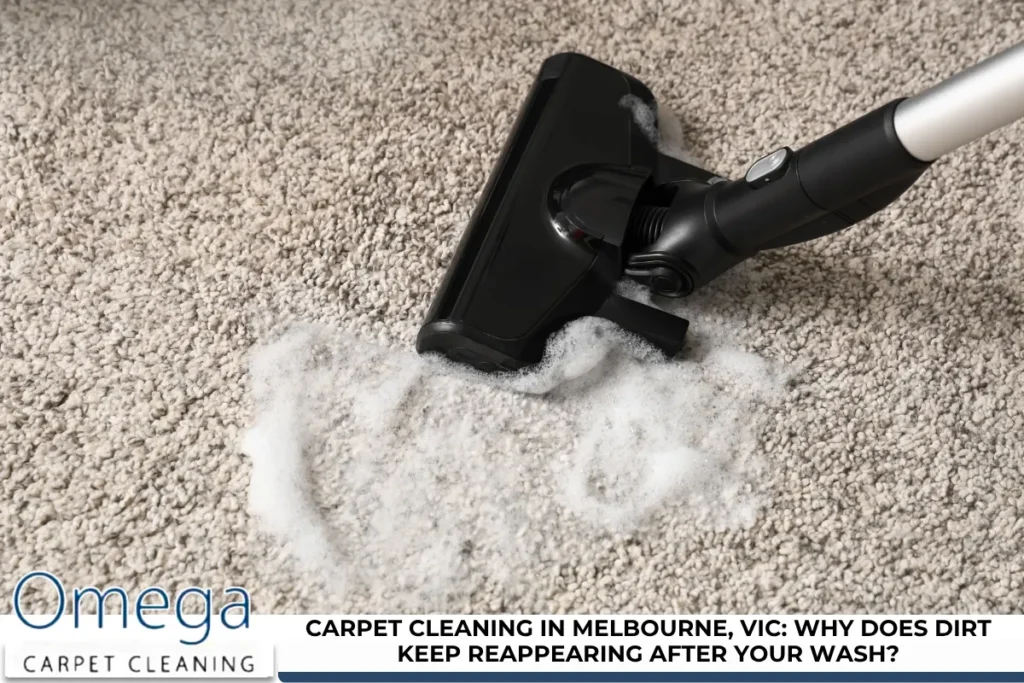
Repeatedly scrubbing just the surface can sometimes spread the residue, making edges look greyer without truly lifting the contamination from the fibre base.
How to Tell If It Is Filtration Soiling or a Different Kind of Carpet Stain
Accurate identification avoids wasted time, money and the wrong cleaning approach. Not every mark at the edge of a room is filtration soiling.
Signs that point to filtration soiling:
- Thin, grey-to-black lines that follow walls, door lines or stair edges with a fairly consistent width
- The line does not match a spill pattern or a walk path
- It returns in the same spot after general cleaning
- Parting the pile reveals discolouration at the fibre base, not just on the tips
Signs that suggest something else:
- Irregular blotches or rings may indicate water damage or a past leak
- Rust-coloured marks near furniture legs point to metal oxidation or dye transfer
- A strong odour with staining could mean pet urine damage or mold growth beneath the carpet
- Discolouration only on the surface, not at the base, might be a surface stain from a spill
If a mark returns in exactly the same pattern after basic carpet washing, the problem might be wicking from wet underlay or a recurring moisture source rather than filtration soiling. Check for dampness before treating it as an airflow issue.
Read Carpet Cleaning in Melbourne, VIC: Can Deeply Embedded Dirt Be Removed From Old Carpet?
Professional Carpet Cleaning Methods That Actually Work on Filtration Soiling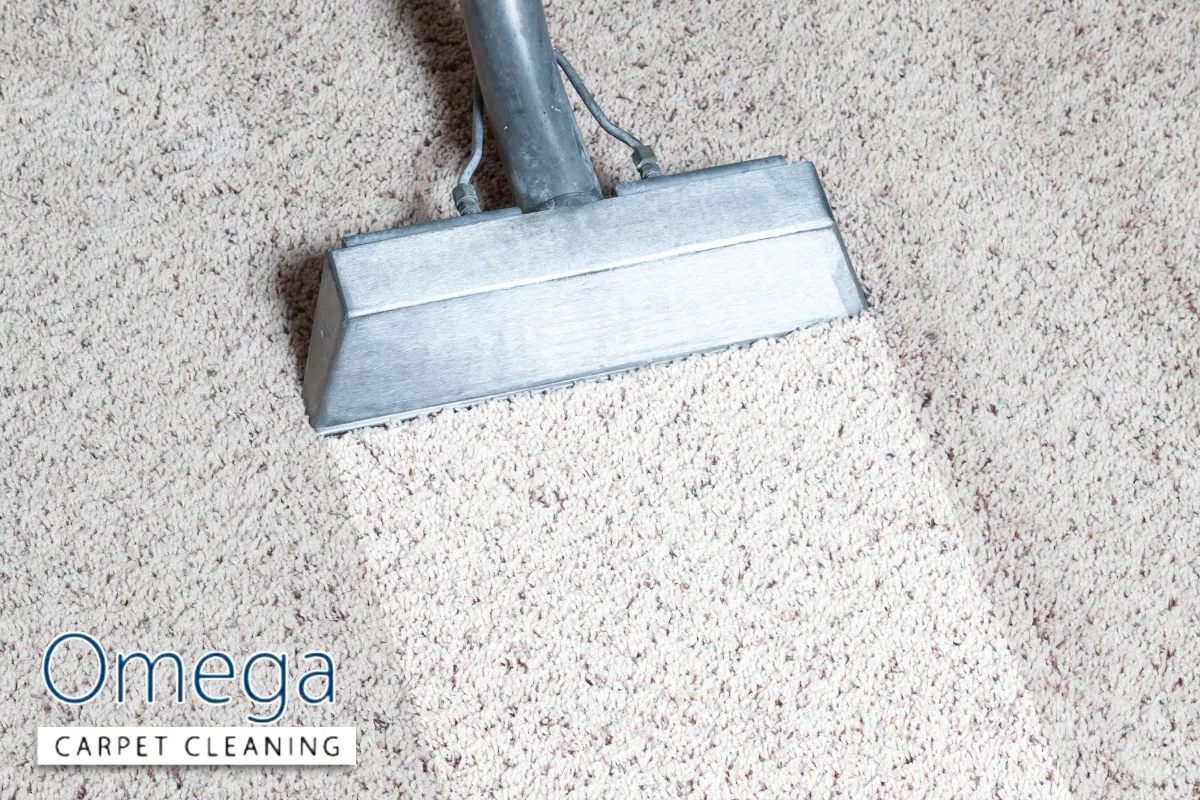
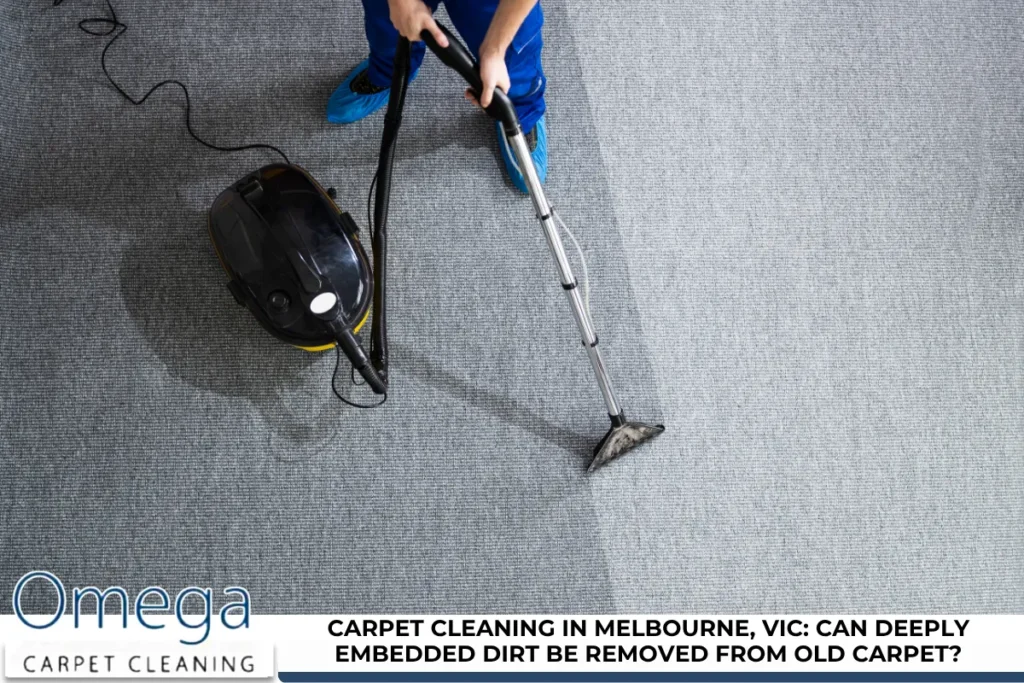
Severe dark lines usually require professional carpet cleaning for noticeable improvement. The whole process involves more than just running a wand over the floor. Steam cleaning is highly effective for most carpets because it combines heat, detergent and powerful extraction to reach deep into the pile.
Hot water extraction is a common method for deep cleaning carpets. It works by injecting heated water and cleaning solutions into the fibre at pressure, then immediately extracting the loosened soil, residue and moisture. For filtration soiling specifically, effective treatment typically involves:
- Vacuuming before professional cleaning improves effectiveness, removing surface debris so the extraction equipment can focus on embedded contamination.
- Applying a specialised degreaser or surfactant pre-spray along the edges, with dwell time to loosen oily bonds.
- Targeted agitation using brushes or edge tools to work the product into the fibre base near skirting boards and under door lines.
- Controlled hot water extraction with edge-specific attachments for a thorough rinse.
Realistic expectations matter. Industry guidance suggests that severe lines may see only 70 to 90 percent improvement, with some faint shadow remaining on lighter carpets. Older stains or natural fibre carpets like wool may respond less completely. Choosing an experienced carpet cleaner who has the right tools and understands filtration soiling makes the difference between a decent result and an efficient job that proves its value.
DIY Steps for Gently Cleaning Carpet Edges at Home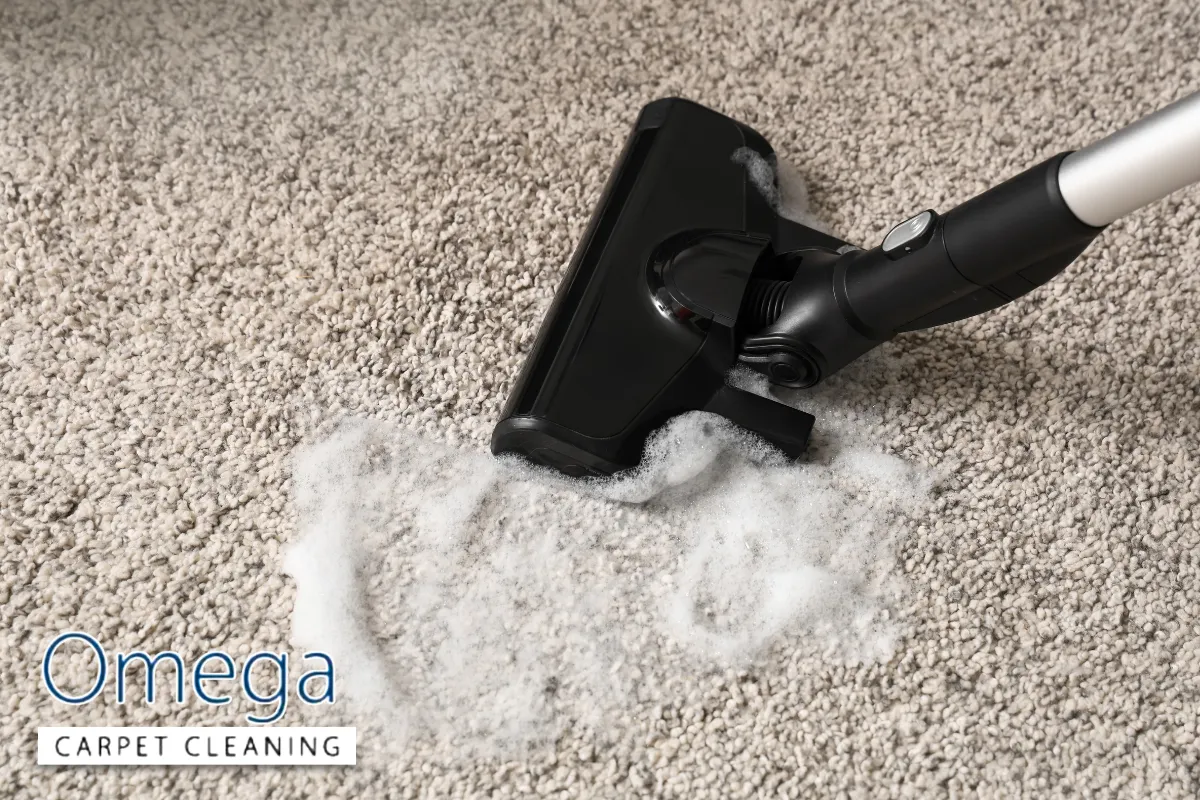
DIY methods are suitable for routine maintenance between professional cleanings, particularly for mild or early-stage filtration soiling. If you catch it before it builds up over years, careful home techniques can make a difference.
Safe steps to follow:
- Vacuum along all edges and corners using a crevice tool attachment, focusing on the gap where carpet meets the wall
- Gently agitate the fibre base with a soft- to medium-stiff brush, working in short strokes parallel to the skirting boards
- Apply a small amount of a suitable carpet washing spot solution to a clean cloth, then blot along the edge without saturating the area
- Avoid harsh chemicals, household bleach or excessive scrubbing, which can strip colour, damage fibre and encourage mold beneath the backing
- Always test any product on an inconspicuous area first
Over-wetting is one of the biggest risks with DIY edge cleaning. Moisture trapped at the base of the carpet can cause backing deterioration, underlay damage and conditions for mould growth. If the stain does not shift after one or two careful attempts, further hard work with DIY products is unlikely to help and could scratch the surface of the problem while creating new ones.
Preventing Dark Lines: Better Airflow, Cleaner Air and Smarter Habits
Prevention is easier and cheaper than heavy restoration cleaning. A few adjustments to how your home operates can dramatically slow the accumulation of filtration soiling.
- Keep interior doors ajar where practical to reduce pressure differentials that force air under a closed door
- Vacuum specifically along skirting boards, carpet edges and around furniture bases at least once a month using appropriate attachments
- Maintain heating and cooling systems by cleaning or replacing filters every one to three months, and checking that vents and ducts are not blocked or excessively dirty
- Reduce soot and smoke sources indoors: limit candle burning, avoid indoor smoking, use rangehoods while cooking and keep them clean
- Sealing gaps in a home can prevent filtration soiling from reoccurring, so consider filling cracks between the subfloor and skirting boards, and fitting door sweeps or weatherstripping to under-door gaps
For homes near busy roads or in areas prone to bushfire smoke, keeping windows closed during high-pollution hours and running an air purifier can lower the volume of particles entering the carpet in the first place.
Filtration Soiling, Lease Carpet Cleaning and Bond Protection in Melbourne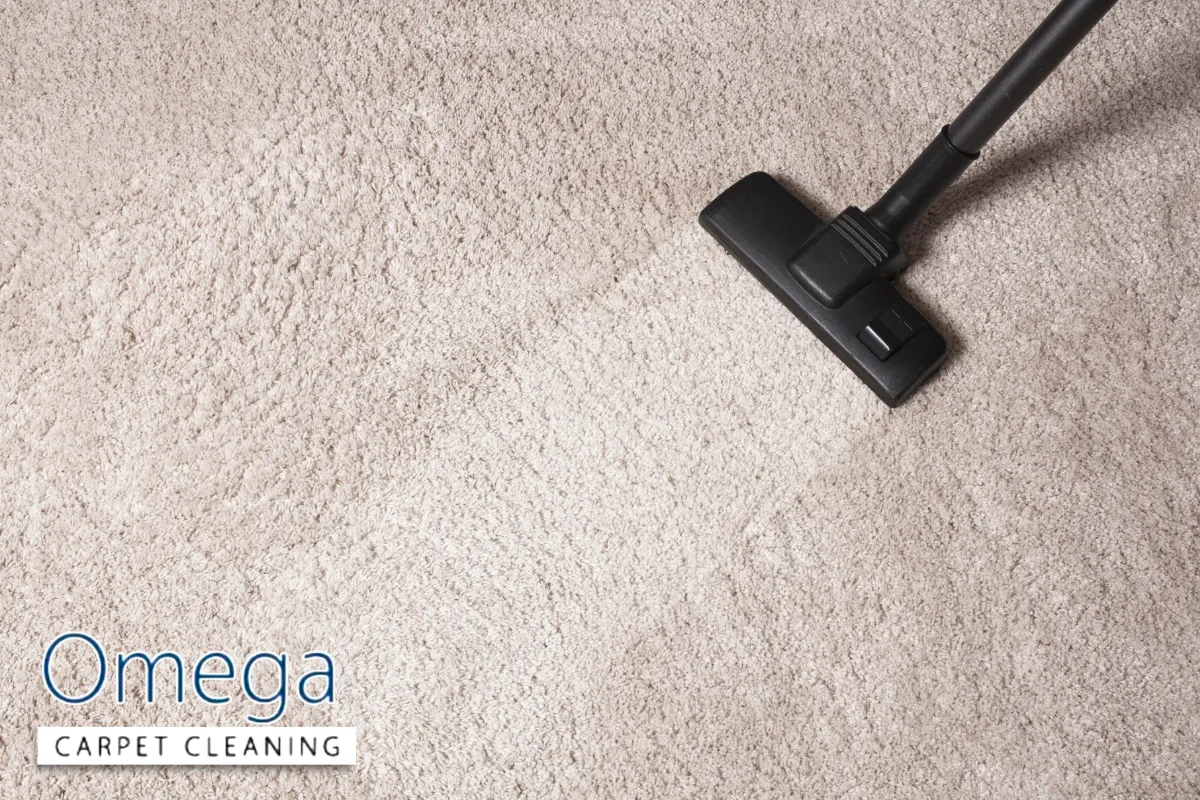
Tenants in Melbourne are generally required to present carpets in a reasonably clean state at the end of lease, consistent with the condition recorded on the move-in report. Under the Residential Tenancies Act 1997, condition reports must document the state of every floor type and surface at the start and end of a tenancy, and photos taken at both points serve as evidence in any dispute.
While legislation does not always mandate a professional clean, property managers and landlords commonly expect carpets free of obvious dark lines, stains and edge soiling. If filtration soiling is visible and the carpet was in better condition at move-in, it can be cited as inadequate cleaning and risk part of the bond.
Practical steps for tenants:
- Arrange carpet steam cleaning before the final inspection, specifying edge treatment when booking
- Keep receipts and take dated photos as proof of reasonable care
- Address filtration soiling early in a tenancy through regular vacuuming and airflow management, rather than leaving it until the last hours before handover
- Review your lease terms for any professional cleaning clauses that apply, particularly for leases starting on or after 29 March 2021
Early action means a less intensive service is needed, which saves money and avoids disputes at the point when your bond is on the line.
Long-Term Carpet Care Plan for Melbourne, VIC Properties
Rather than waiting until carpets look badly marked, a simple maintenance schedule keeps filtration soiling under control and extends the life of your floor covering.
- Vacuum the complete room weekly, with edge-specific attention monthly
- Treat spills and stains promptly with a suitable product and a clean cloth
- Professional cleaning is recommended every 12 to 18 months, adjusted for pets, children, allergies or proximity to busy roads
- Inspect carpet edges every few months with a torch to catch early buildup before it becomes visible from standing height
- For landlords and strata properties, scheduled carpet steam cleaning protects asset value, improves indoor air quality and keeps rest periods between tenancies shorter
A consistent care plan ties directly back to controlling filtration soiling. The longer particles accumulate without intervention, the deeper they embed and the more difficult and costly the eventual cleaning becomes. Prevention and regular maintenance are the most reliable path to keeping your carpets looking the way they should across every room and every season in Melbourne.
Carpet Cleaning in Melbourne, VIC – Omega Carpet Cleaning
At Omega Carpet Cleaning, we deal with filtration soiling and dark carpet edges every week across Melbourne homes, apartments and rental properties. We are based in Melbourne, Victoria and proudly service the surrounding areas with professional carpet cleaning tailored to local housing styles and climate conditions. Our technicians use modern hot water extraction equipment and targeted edge treatments to improve black lines, general soil and traffic wear throughout your property. Whether you need a routine refresh or an end of lease clean that passes inspection, we have the experience and the equipment to do the job properly. Call us on 0406 996 819 or fill out our contact form for a free quote. We are happy to talk through your situation before you book and give you a clear idea of what to expect.
Frequently Asked Questions
Can filtration soiling permanently damage my carpet, or is it only cosmetic?
In most cases, filtration soiling is primarily cosmetic. The discolouration sits at the fibre base and does not weaken the carpet structure. However, if left untreated for many years, oily and resinous particles can cause subtle changes to fibre texture and dye appearance, particularly on wool or olefin carpets. At that stage, even professional treatment may only achieve partial improvement. When the staining is so deeply set that cleaning cannot restore an acceptable appearance, replacement of the affected area or the whole carpet becomes the more cost-effective option. Early and regular treatment avoids reaching that point for the vast majority of synthetic and blended carpets found in Melbourne properties.
Is filtration soiling a sign of poor indoor air quality or health risks in my home?
Filtration soiling is a visible indicator that fine airborne particles are circulating through your living spaces. The particles involved, including dust, smoke residue, dander and fine combustion byproducts, are the same pollutants that can aggravate allergies, asthma and respiratory sensitivity. While the soiling itself on the carpet is not directly harmful to walk on, its presence suggests that your indoor air may carry higher-than-ideal particle loads. Improving ventilation, maintaining HVAC filters, reducing indoor combustion sources and vacuuming more frequently can all lower airborne particulate levels and reduce the rate at which new soiling forms at your carpet edges.
Will new carpet or different underlay stop dark edge lines from coming back?
New carpet and fresh underlay will give you a clean starting point, but they will not prevent filtration soiling from developing again if the underlying airflow and particle sources remain unchanged. Construction gaps between the subfloor, skirting boards and door frames still allow air to pass through the carpet at edges and seams. The most effective approach when installing new carpet is to have gaps sealed before the new floor goes down, ensure doors have proper sweeps, and maintain clean air filters in your heating system. Without these steps, even brand-new vinyl floors, tiles or carpets with premium underlay will eventually show signs of soil accumulation at their edges.
How long does professional treatment for dark lines typically take in an average room?
For a standard bedroom or living room, edge-focused treatment as part of a carpet steam cleaning session typically adds 15 to 30 minutes on top of the regular cleaning time. A full room clean including edge work usually takes 30 to 60 minutes per room, depending on severity and carpet type. Drying time after hot water extraction ranges from four to eight hours in Melbourne conditions, influenced by ventilation, humidity and whether heating or fans are used to assist. Technicians generally recommend keeping furniture off damp areas and allowing adequate airflow until the carpet is completely dry to avoid any residue or moisture-related issues.
Can I claim carpet cleaning for filtration soiling on landlord or contents insurance?
Most standard home and contents insurance policies do not cover gradual wear, maintenance-related cleaning or slow accumulation of dirt, which is how filtration soiling is typically classified. Insurance generally responds to sudden and accidental events such as water damage from a burst pipe, not progressive soiling from normal air movement. Landlord insurance policies similarly tend to exclude routine carpet maintenance. However, policy terms vary between providers, so it is worth checking your specific product disclosure statement or contacting your insurer directly. In practice, regular maintenance and scheduled professional cleaning remain the most reliable and cost-effective way to manage filtration soiling rather than relying on an insurance claim.
Disclaimer: This article provides general carpet care information for Melbourne, VIC and does not replace personalised professional advice or legal guidance. Always check your lease terms and consult qualified technicians for specific situations.
Read Why Carpet Cleaning Leaves a Lighter Patch on Your Carpets in Melbourne, VIC