
Can Old Carpets Really Be Saved?
Carpet cleaning is something most Melbourne households put off until the damage feels permanent. If you have lived with the same floor covering for ten or fifteen years, you have probably noticed the dull grey traffic lanes, the lingering pet odours, and stains that no amount of scrubbing or DIY machines can shift. The good news is that in many cases, deeply embedded dirt can be removed or dramatically reduced with modern professional methods. The not-so-good news is that not every problem is reversible.
This guide walks you through how professional carpet steam cleaning, low-moisture options and targeted stain treatments work on aged carpets, when restoration makes sense, and when replacement is the smarter choice. You will also find practical advice shaped by Melbourne’s humidity, rental requirements and allergy concerns.
Key Takeaways
- Deeply embedded dirt in old carpets can often be removed or significantly reduced with professional hot water extraction (steam cleaning), especially when fibres and backing are still structurally sound.
- Some damage is permanent – crushed pile, worn backing, bleach marks and fibre loss cannot be “cleaned away”, only cosmetically improved.
- Choosing the right cleaning method for your carpet fibre, age and condition is critical to avoid shrinkage, colour loss or mould issues.
- Regular maintenance vacuuming and prompt spill treatment greatly improve how well old carpets respond to restorative cleaning.
- In Melbourne’s climate, drying control, safe chemicals and compliance with Australian Standards are essential for safe, long-lasting results.
How Deeply Embedded Dirt Damages Old Carpets Over Time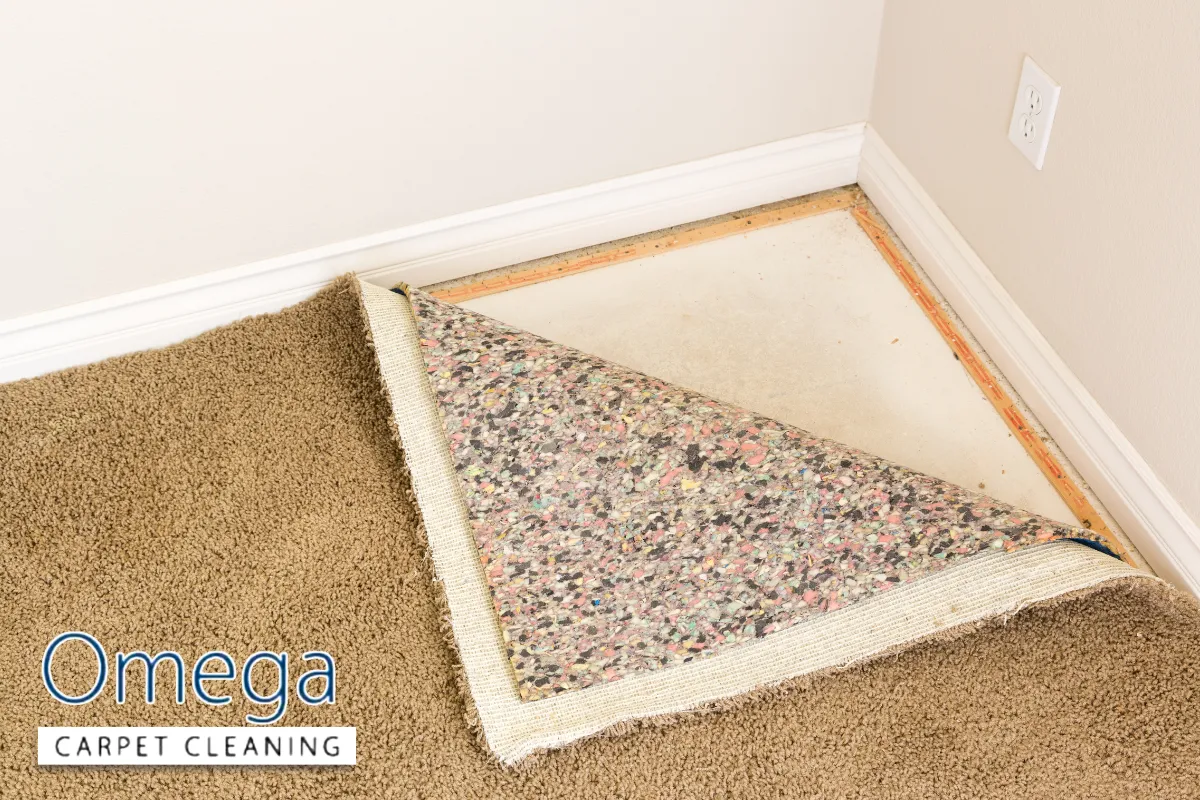
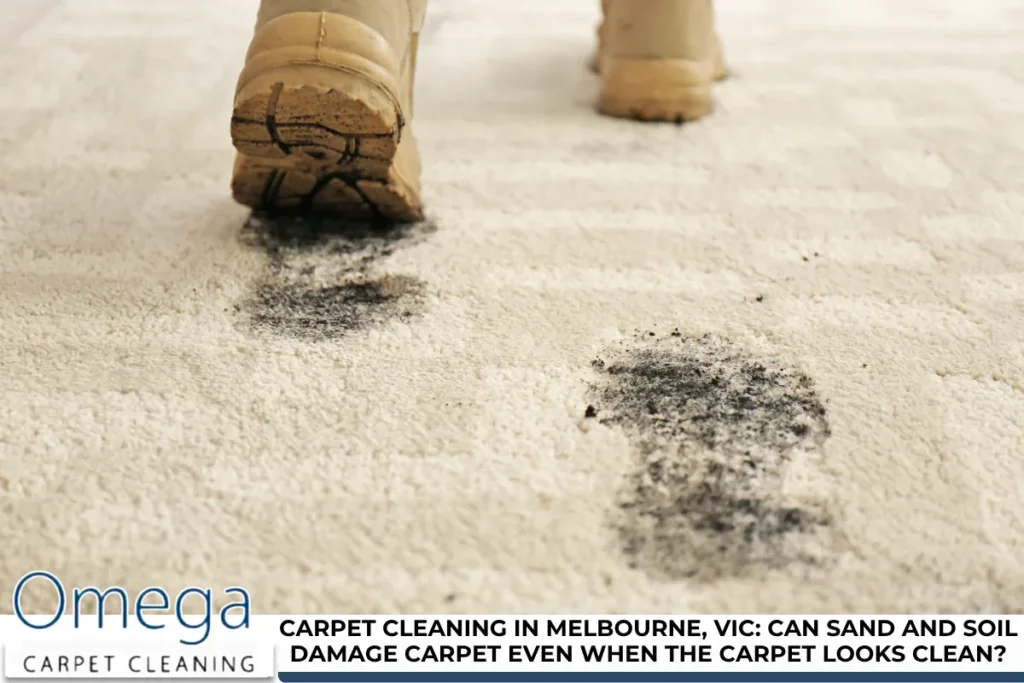
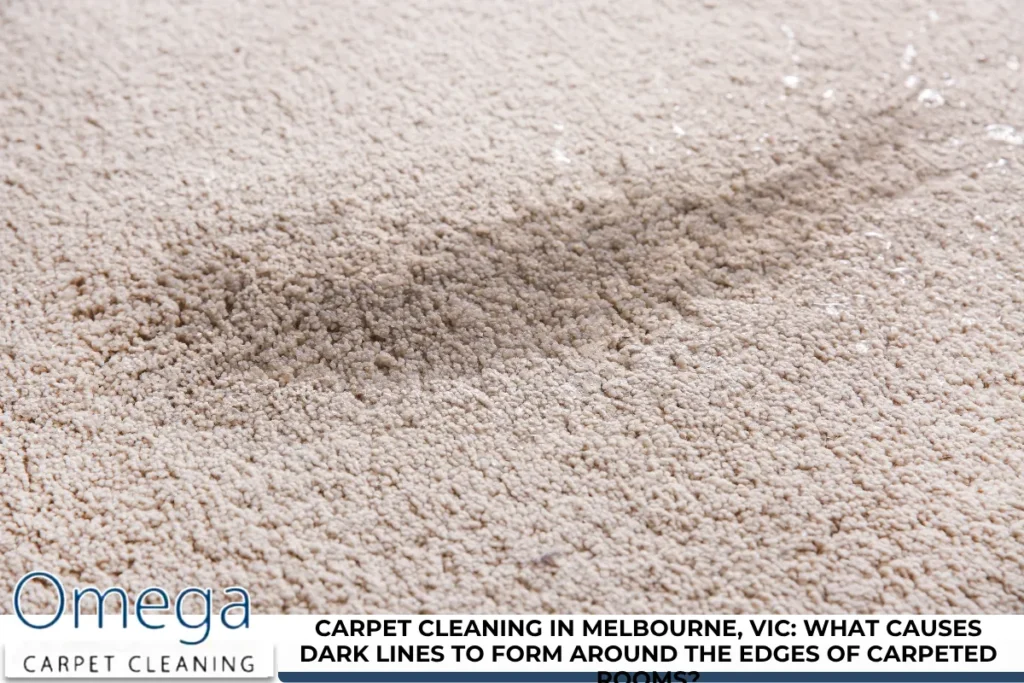
What accumulates inside your carpet over the years is far more than just dust. It is a mixture of gritty sand particles tracked in on shoes, skin cells, pet hair, pollen, food spills, oils and sticky detergent residue from previous cleans. These fine particles settle past the visible surface into the pile and carpet backing, where routine vacuuming cannot reach them.
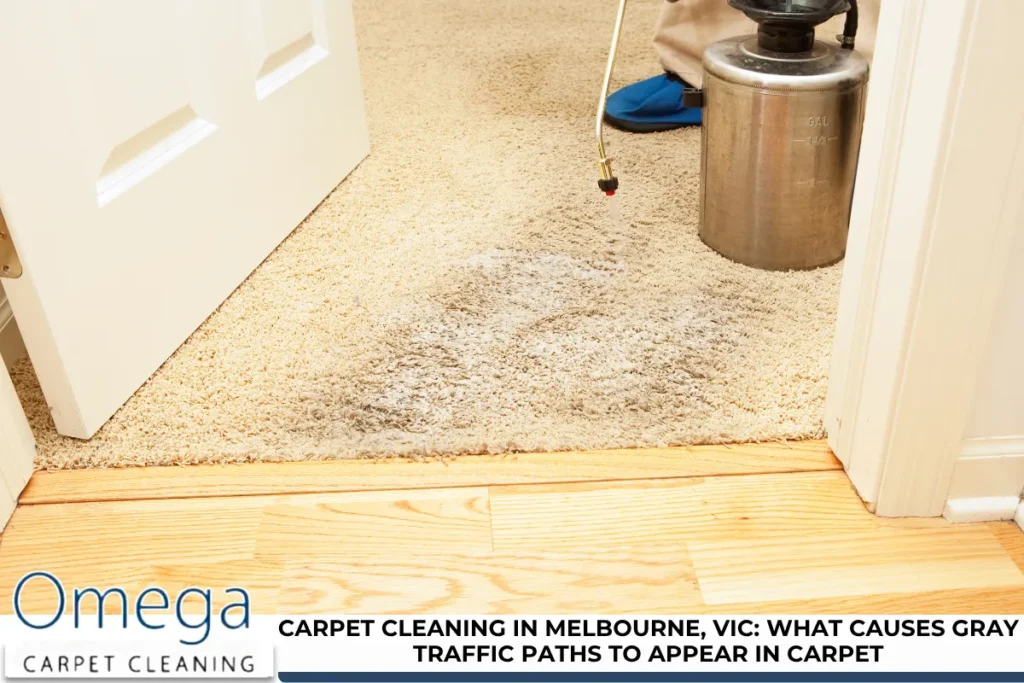
Under heavy foot traffic, that grit acts like sandpaper. Every step grinds it against carpet fibers, thinning pile tips, causing matting and creating permanent fibre distortion in high traffic areas such as hallways, doorways and living room pathways. Over time, this mechanical wear strips colour and lustre from the surface.
Moisture makes things worse. Spills, mopping overspray and even Melbourne’s cooler, more humid winters carry soil deeper into the backing and bond it with built up grime from oils and food residues. Pet accidents and dampness introduce odour molecules and bacteria that colonise deep layers, creating unpleasant odours well below the visible surface.
For Melbourne households dealing with asthma or hay fever, older carpets pose a real concern. Dust mites feed on accumulated skin cells and thrive in the warm, undisturbed depths of carpet pile. Around 11 percent of Australians have asthma, and indoor allergens from heavily soiled carpets are a significant trigger. The longer dirt buildup goes untreated, the harder it becomes to restore both the appearance and the hygiene of your flooring.
When Deep Dirt Can Be Removed – And When It Can’t
Here is the honest reality: soil removal is usually achievable, but physical wear, fibre loss and chemical damage cannot be reversed by any cleaning method.
An old carpet is a good candidate for restorative cleaning when it shows these signs:
- Backing is intact with no separation, delamination or exposed jute
- Pile is still present, even if flattened or discoloured
- No major UV fading, burns or bleach spots
- The main issues are trapped dirt, stains and odours rather than structural deterioration
- Underlay and subfloor have not been heavily damaged by long-term moisture
On the other hand, some damage is permanent:
- Exposed backing across large areas or missing tufts
- Severe colour fading from sunlight or chemical burns
- Heavily frayed seams, ripples or buckling
- Backing or underlay that has gone stiff, brittle or started to rot
Flattened traffic lanes can be visually lightened and softened through deep cleaning, but rarely returned to an “as new” state. The broken fibre tips and permanent pile distortion remain. An experienced carpet cleaner will typically perform a pre-inspection and a small test area in an inconspicuous spot to demonstrate realistic results before proceeding with the full job.
Professional Carpet Cleaning Methods Used in Melbourne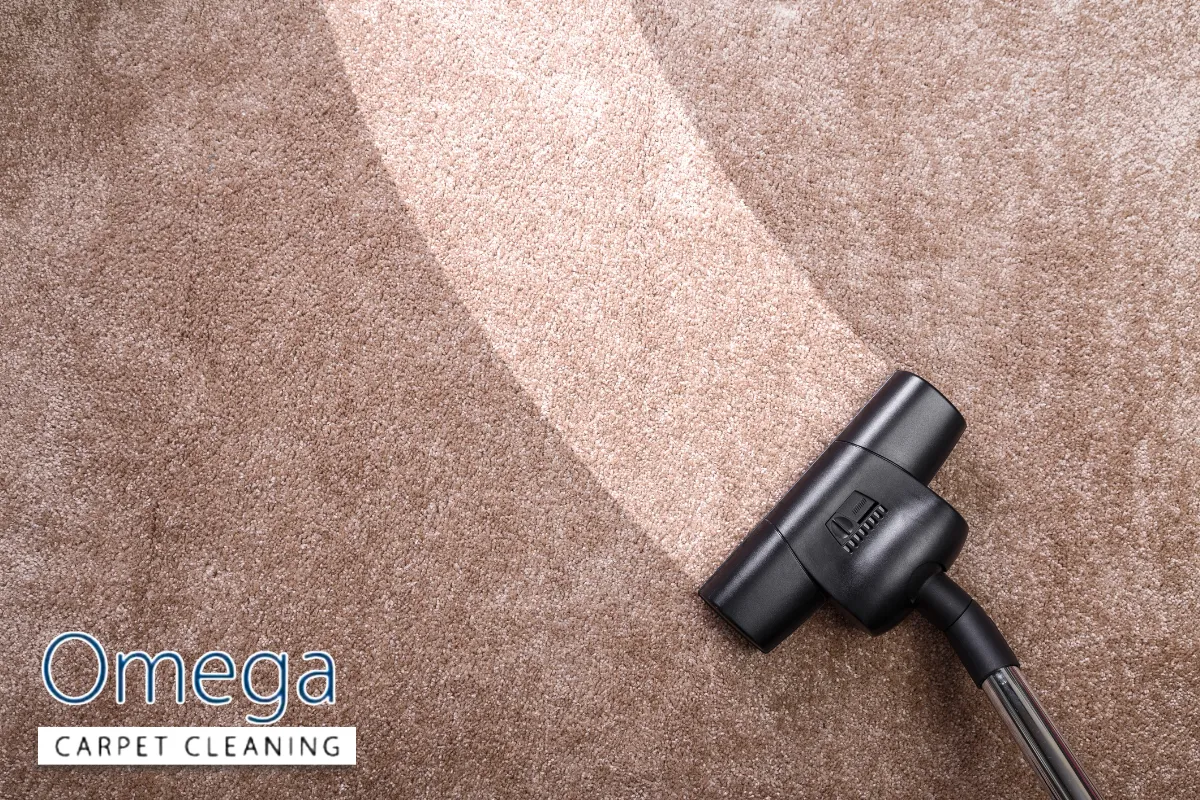
Local carpet cleaners in Melbourne generally offer a range of carpet cleaning methods, each suited to different situations. Understanding the differences helps you make a more informed decision about your old carpet.
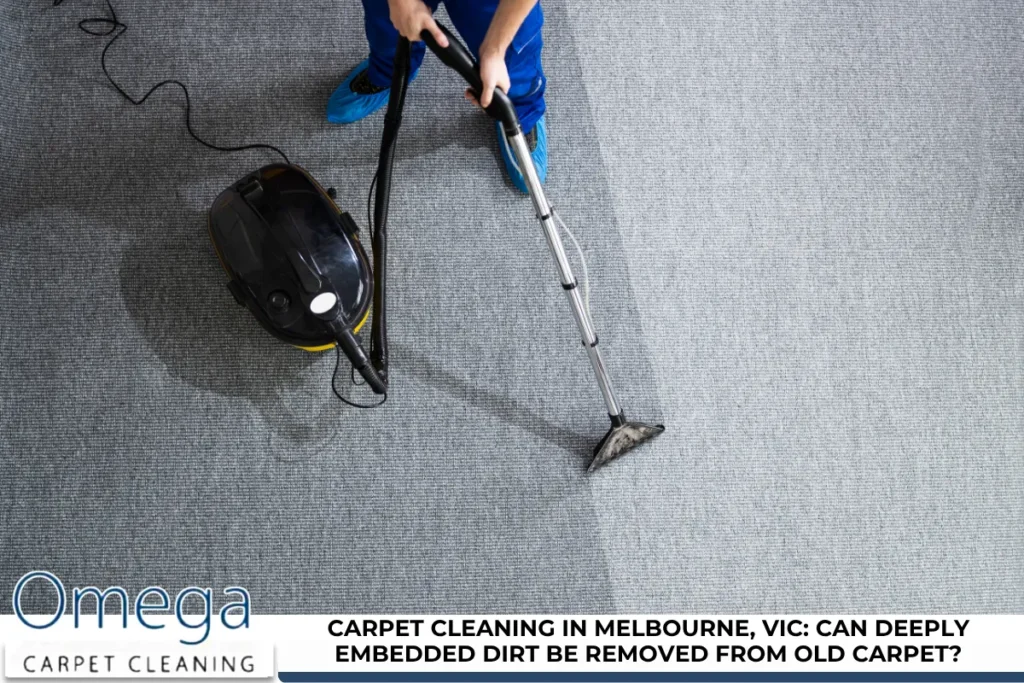
- Hot water extraction (commonly called steam cleaning) injects heated water and cleaning agents under pressure, agitates the pile and extracts soil with powerful vacuum. It provides the deepest soil removal and is recommended by major carpet manufacturers for warranty compliance.
- Dry carpet cleaning and encapsulation methods use specialized cleaning compounds or polymers with minimal moisture. Encapsulation cleaning reduces carpet downtime by 60 to 70 percent compared to wet methods, making it popular for commercial spaces and offices.
- Bonnet cleaning focuses on the top layer of carpet fibers using a rotating pad. It delivers a surface-level refresh but is not effective for deep extraction of ground-in soil.
- Traditional shampooing applies detergent foam, which is then extracted. This older approach can leave chemical residue and is less common among reputable Melbourne professionals today.
For heavily soiled carpets with years of embedded dirt, hot water extraction remains the preferred restorative option. Professional methods for aging carpets include specialized pre-treatments and agitation before extraction to break bonds between soil and fibre. The cleaning method selected should always match the carpet material, age and condition – and reputable providers follow Australian Standards for safe chemical use around children, pets and sensitive occupants.
Steam Carpet Cleaning (Hot Water Extraction) for Deep Soil Removal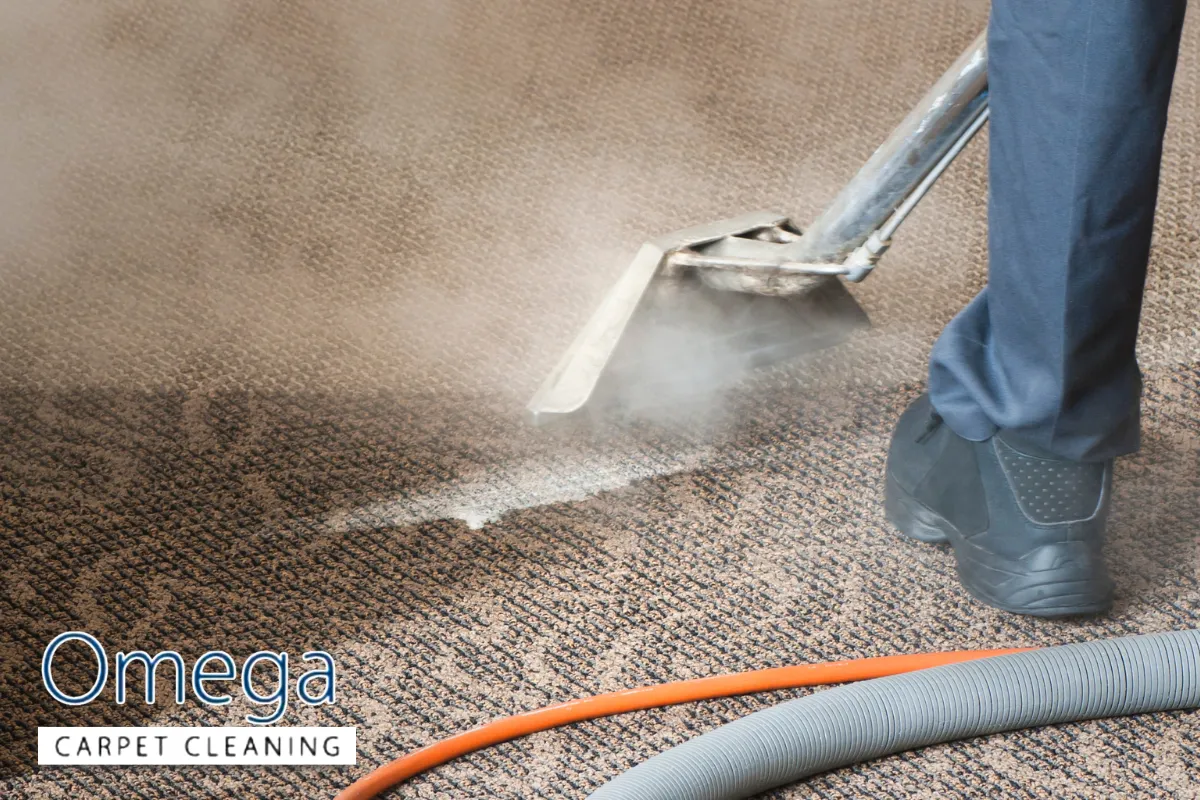
Professional steam cleaning is the primary method for tackling ground-in dirt in old Melbourne carpets, whether in busy family homes or commercial properties.
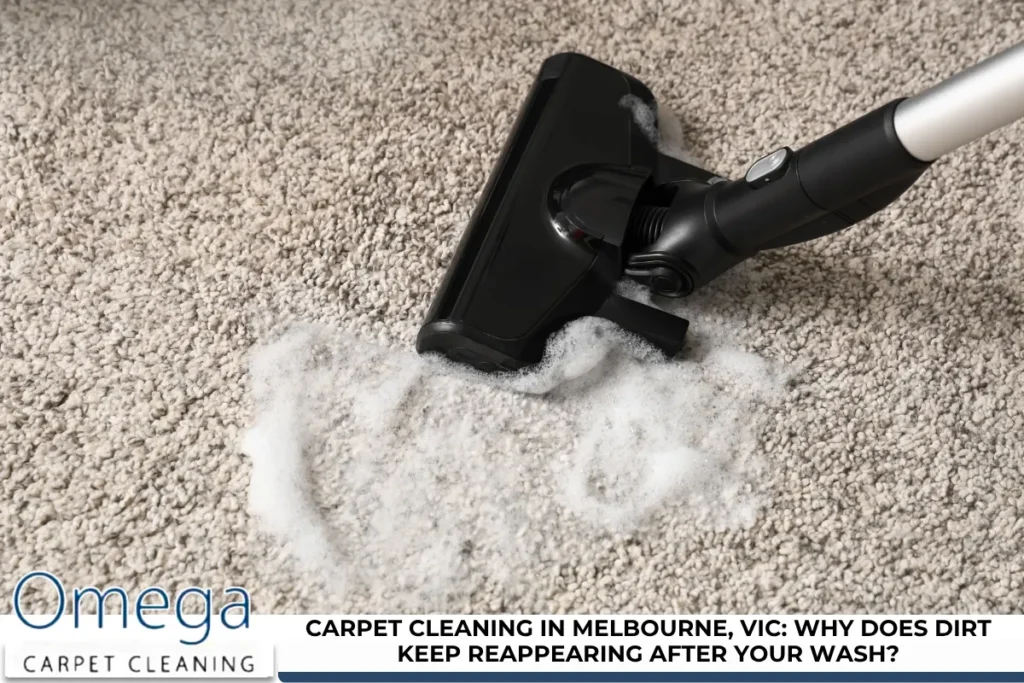
The process typically involves several stages. First, pre-vacuuming removes loose dirt and prevents muddy residue during the wet cleaning phase. High-efficiency particulate air (HEPA) filters are used in commercial grade equipment to capture fine particles during this step. Next, a targeted pre-spray is applied – often an enzyme-based or pH-balanced solution – to break down oils, protein stains and bonded soil. Mechanical counter-rotating brushes can be used to agitate cleaning solutions around carpet fibers, working them deep into the pile.
Steam cleaning penetrates carpet fibers at 65°C to 95°C, depending on fibre type and tolerance. Hot water is injected under controlled pressure, then immediately extracted along with dissolved dirt. Multiple extraction passes are standard on older carpets for thorough soil removal. Hot water extraction removes 99 percent of allergens from carpets and, when performed correctly, hot water extraction removes 99.9 percent of germs and allergens as well.
In Melbourne, where cooler winters and limited ventilation can slow drying, technicians use air movers and manage water volume carefully to prevent over-wetting. Correct technique – balanced pressure, appropriate detergents, controlled moisture – minimises drying times and prevents issues like browning or wicking on older carpets. This is what separates professional carpet cleaning from consumer-grade DIY machines, which often lack the suction power for proper deep extraction.
Dry Carpet Cleaning and Low-Moisture Options for Old and Delicate Carpets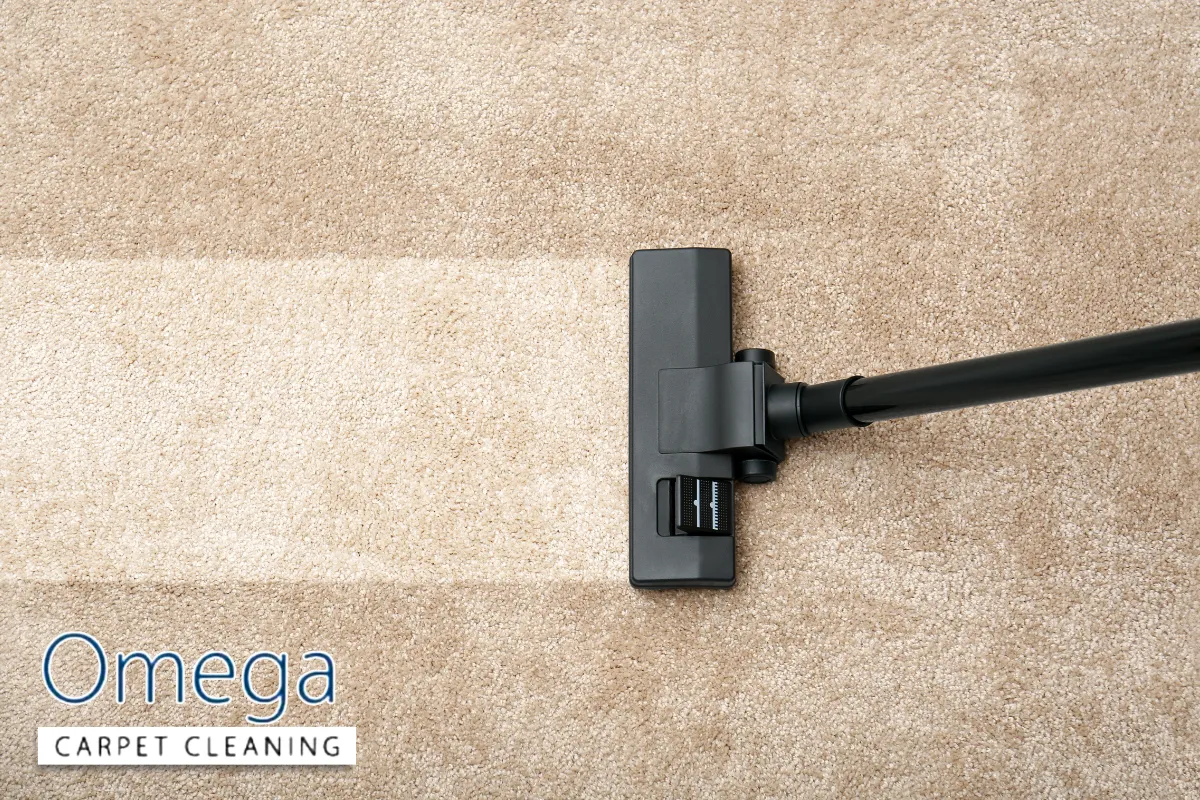
Dry or low-moisture systems have a clear role when rapid drying or moisture control is essential. Offices needing minimal disruption, apartments with restricted ventilation, and carpets with moisture-sensitive backing all benefit from these approaches.
Dry carpet cleaning uses minimal water for quick drying. The process involves applying absorbent compounds or encapsulating polymers to the carpet, mechanically agitating them, allowing a short dwell time, and then thoroughly vacuuming to remove bonded soil. The carpet dries within one to three hours, which makes it practical for commercial carpet cleaning where foot traffic cannot be interrupted for long.
These techniques handle surface and moderate soil well, and they work as excellent maintenance cleans between deep extractions. However, for very heavy, deeply embedded dirt in old carpets, they are generally less capable than steam methods. Area rugs or delicate carpets may require low-moisture or dry cleaning methods due to water sensitivity, particularly antique wool carpets where excess moisture risks shrinkage or colour bleed.
Older carpets require gentler methods to avoid damaging brittle fibers. In some Melbourne properties, a careful low moisture method combined with more frequent cleaning may be safer than aggressive wet extraction – especially where backing is loose or weakened.
Inspection, Testing and Choosing the Right Method for Your Old Carpet
A proper pre-inspection is critical before attempting to restore an aged carpet. Professional cleaning services often assess carpet type and condition before treatment, and this step should never be skipped.
What a technician should check:
- Fibre identification (visual inspection, feel, or burn test) to distinguish wool carpets from nylon, polyester or polypropylene
- Construction type – loop pile versus cut pile – which affects agitation technique
- Backing condition, including signs of delamination or brittleness
- Existing stains, odours and any residue from previous cleaning attempts
- Carpet condition overall, including pile height, colour consistency and seam integrity
Simple dye stability and shrinkage risk tests on inconspicuous areas help determine whether higher temperatures or stronger solutions are safe. Targeted stain treatments often involve pH-balanced agents to avoid damage, and chemicals used on aging carpets should avoid harsh alkaline ingredients that can damage fibers.
The chosen cleaning method might differ from room to room. A living area with intact nylon carpet may handle steam cleaning well, while a fragile bedroom carpet benefits from a low moisture method. Homeowners should ask for the planned process to be explained up front, including expected results, drying time and what is realistically achievable.
Realistic Results: What to Expect from Restoring Old Carpets
Restorative cleaning can be genuinely transformative, but it has limits tied to wear, age and previous damage.
Typical improvements after a thorough professional clean include:
- Visibly lighter traffic lanes and lifted pile
- Reduced or eliminated odours
- Clearer pattern or colour and removal of the dull grey film in main walkways
- Improved feel underfoot as soil and residue are stripped away
Deep cleaning can restore carpet texture and color effectively when the underlying fibre structure is still intact. Professional cleaning improves indoor air quality by reducing allergens, which is a meaningful benefit for allergy-prone households. Specialized techniques help to remove stubborn dirt and revitalize aging carpets without damage when applied by a skilled technician.
What may not fully disappear: long-term tea, coffee or dye stains, chemical burns, rust marks and heavy pet stains that have penetrated underlay or subfloor. Some old stains lighten during cleaning but reappear slightly as deeper residues wick up through the backing, sometimes requiring targeted post-treatments.
For rental properties approaching the end of a carpet’s realistic service life, weigh the cost of repeated restorative work against replacement. A professional clean that delivers strong results can still buy several more useful years.
Maintaining Old Carpets After Deep Cleaning
Once your carpets have been professionally restored, keeping them clean is far easier than starting from scratch again. Regular maintenance prevents dirt from building up in carpets and extends the time between costly deep cleans.
Vacuum carpets two to three times a week to prevent dirt buildup, particularly in areas with heavy foot traffic or pets. Use a vacuum with a beater bar or power head where fibre type allows. Regular vacuuming captures loose dirt, pet hair and fine particles before they grind into the pile.
For spills and accidents:
- Blot spills immediately to prevent deep stains – never rub
- Avoid harsh supermarket spot removers that can leave detergent residue or bleach colour
- For stubborn stains or pet accidents, call a professional rather than risk setting the mark permanently
Use door mats at every external entrance to capture dust before it reaches carpets. Encourage a shoe-off policy indoors, especially in wet weather. Furniture coasters distribute weight and prevent permanent indentations.
Steam cleaning is recommended at least once every 12 months for standard households. Professional cleaning is recommended every 12 months for homes with normal use. Schedule professional cleaning every 6 to 12 months for hygiene in homes with pets, allergies or children. Regular professional cleaning extends carpet lifespan by removing dirt that routine vacuuming misses. For households needing more frequent cleaning, a maintenance-level encapsulation clean between annual deep extractions keeps things fresh with minimal disruption.
Health, Safety and Legal Considerations in Melbourne, VIC
Reputable professional cleaners in Melbourne follow Australian safety standards relating to chemical handling, electrical safety and indoor air quality. Under WorkSafe Victoria regulations, cleaning agents categorised as hazardous require Safety Data Sheets, correct storage, and appropriate personal protective equipment.
Cleaning agents should be fit-for-purpose, correctly diluted and chosen for the specific carpet material. For eco friendly carpet cleaning, biodegradable surfactants and low-residue encapsulants are increasingly preferred, reducing chemical exposure for occupants and minimising environmental impact. Deep cleaning improves indoor air quality by reducing allergens, which is particularly important in Melbourne homes with young children or pets.
Professional cleaning removes 99.9 percent of germs and allergens when performed with commercial grade equipment and proper technique. Effective post-cleaning requires proper drying to prevent mold and odours in carpets, and technicians should manage slip hazards, trip risks from hoses and ensure adequate ventilation during and after the job.
For rental properties, professional carpet cleaning is commonly expected at the end of a tenancy to support a smooth inspection cleaning process. While not always a strict legal requirement, it aligns with returning the property in a reasonably clean condition under Victorian tenancy law. Always confirm that your chosen provider carries appropriate insurance and follows recognised industry practice.
Deciding Between Deep Cleaning and Carpet Replacement
At a certain age or wear level, replacing your carpet may be more cost-effective than repeated attempts at restoration. Deep cleaning is recommended at least once every 12 months, but if each clean delivers diminishing returns, it is time to consider alternatives.
Guidance for estimating remaining carpet life:
- Synthetic residential carpet typically lasts 8 to 12 years under normal use; after 15 to 20 years, most show wear beyond what cleaning services can restore
- If pile is missing in large areas, backing is failing, or odour has reached the underlay or subfloor, restoration has limited value
- Severe colour fading, burns and widespread stain removal failures indicate fibres are beyond recovery
The cost contrast is significant. A full professional clean for an average three-bedroom Melbourne home typically costs between $150 and $400. Carpet replacement, including supply, underlay and installation, ranges from $4,500 to $7,500 for a 100-square-metre home with mid-quality synthetic carpet. A successful deep clean that extends useful life by two to three years represents strong value for money at affordable pricing.
Even when replacement is planned, a deep clean can make sense – preparing a property for sale, making a rental more presentable, or improving hygiene while budgeting for new flooring. An honest assessment from an experienced cleaner will tell you whether your carpet is a good candidate for the best carpet cleaning treatment or better suited to replacement.
Carpet Cleaning in Melbourne, VIC – Omega Carpet Cleaning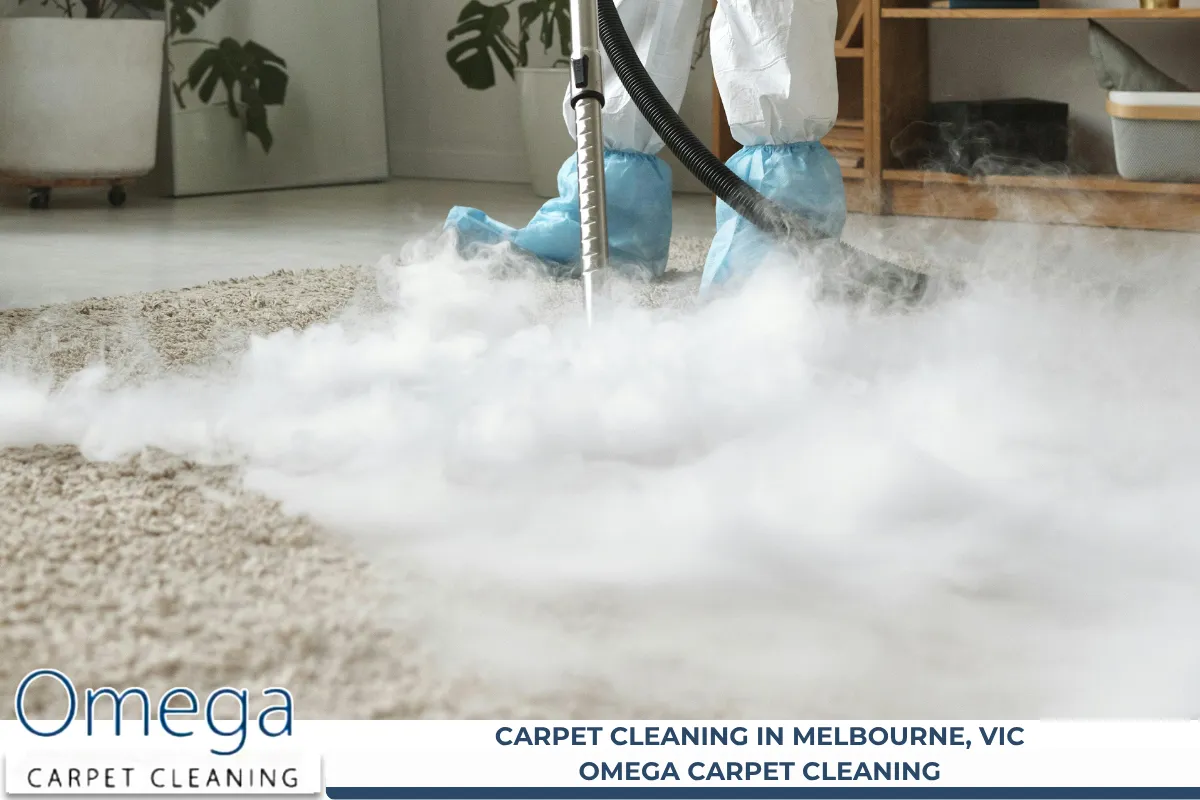
At Omega Carpet Cleaning, we specialise in restoring old and heavily soiled carpets across Melbourne, Victoria and surrounding suburbs. Our team uses professional steam cleaning with modern equipment to tackle the kind of ground-in dirt and stubborn stains that regular cleaning cannot shift.
Before we start any job, we assess the fibre type, wear level and staining to choose the right approach for your carpet. We give honest advice on what can realistically be achieved, whether that means a full restorative clean or a recommendation to consider replacement.
We also provide upholstery cleaning, rug cleaning, mattress cleaning, and tile and grout cleaning services for a complete home refresh. Our commitment is to safe products, careful drying and results that extend the life of your carpets.
Call us on 0406 996 819 or fill out our contact form to book your next carpet cleaning in Melbourne. We are ready to help you get clean carpets that look and feel better.
Frequently Asked Questions
Does Furniture Need to Be Removed Before a Professional Carpet Clean?
Most professional cleaners can work around large furniture items like beds and heavy cabinets. Smaller items such as side tables, floor lamps, pot plants and toy bins should be cleared from carpeted areas before the technician arrives. This allows full access to the carpet surface, especially in corners and along edges where dirt tends to accumulate. Some cleaning services will move and replace lighter furniture as part of the job, but it is worth confirming this when you book. Clearing the space beforehand ensures the technician can focus on delivering the deepest possible clean rather than spending time rearranging belongings.
How Long Do Carpets Take to Dry After Hot Water Extraction in Melbourne?
Drying times after a professional steam clean typically range from four to eight hours, though this varies based on carpet thickness, ventilation, ambient temperature and humidity. In Melbourne’s cooler months, drying can take longer due to reduced airflow and higher moisture levels indoors. To speed up the process, open windows and internal doors, run ceiling fans or portable air movers, and avoid walking on damp carpet with dirty shoes. Running a dehumidifier in enclosed rooms also helps. Never lay towels or rugs over freshly cleaned carpet, as this traps moisture and can encourage mould growth underneath.
Can Pet Urine Odour Be Fully Removed From Old Carpets?
When pet urine has only soaked into the carpet pile and upper backing, enzyme-based odour neutralisers combined with hot water extraction can eliminate the smell in most cases. However, if urine has penetrated through to the underlay or reached the subfloor beneath, no amount of surface cleaning will permanently resolve the odour. In these situations, replacing the contaminated underlay section – and sometimes treating or sealing the subfloor – is necessary before the carpet is cleaned. A skilled technician can use a moisture meter or UV light to assess the extent of contamination and advise whether a deep sanitation approach will work or whether partial replacement is needed.
What Is the Safest Way to Clean Wool Carpets and Antique Rugs?
Wool carpets and antique rugs are sensitive to high temperatures, strong alkaline chemicals and excessive moisture. The safest approach involves a controlled moisture technique using wool-safe, pH-neutral products at lower temperatures. Grout cleaning tools and aggressive rotary machines should be avoided on delicate fibres. Instead, gentle agitation with soft brushes or low-pressure extraction is used. Professional cleaners experienced with wool will always perform a dye stability test in a hidden area before proceeding. Antique or hand-knotted rugs may benefit from specialised off-site rug cleaning where conditions can be fully controlled, rather than on-location treatment.
How Should I Prepare My Home Before a Professional Carpet Cleaning Visit?
Start by giving all carpeted areas a thorough vacuum to remove surface-level loose dirt and pet hair. This helps the technician’s pre-spray penetrate more effectively. Pick up small items from the floor – shoes, toys, cables, pet bowls – and move lightweight furniture to non-carpeted areas if possible. Ensure the technician will have access to a water tap and power outlet. Point out any specific stains, odour patches or areas of concern so they can apply targeted treatments. If you have pets, keep them in a separate room or outside during the clean. Clear communication about your carpet’s history and any past tough stains helps the technician plan the most effective approach for your home.
Disclaimer
This article provides general information only and does not constitute legal, building or health advice. Individual carpet conditions vary and should be assessed on site by a qualified professional before selecting any cleaning method.
Read Can DIY Stain Removers Cause Bleaching Before Professional Carpet Cleaning in Melbourne, VIC?