
Carpet Cleaning And The Hidden Risk Of DIY Bleach Damage
Carpet cleaning is one of the first things Melbourne homeowners and renters think about when red wine hits the living room floor or coffee splashes across an office carpet. But here is the short answer: yes, DIY stain removers can cause permanent bleaching, and that damage will limit what any professional can fix afterward. Picture this: a tenant in a Melbourne CBD apartment grabs bathroom bleach to tackle a dark stain on a wool carpet. The next morning, the stain is gone, but so is the colour, replaced by a pale patch that no amount of scrubbing will reverse. Now the landlord disputes the bond, and replacement quotes start at hundreds of dollars per square metre. The solution is straightforward: know which home products are risky, act correctly in the first few minutes after a spill, and call a professional carpet cleaner in Melbourne, VIC before chemical damage becomes permanent.
Key Takeaways
- DIY stain removers containing chlorine bleach, high-pH alkalis, or concentrated oxygen powders can permanently strip colour from carpet fibres before professional carpet cleaning even begins.
- Once a bleach stain has removed the dye from a carpet, no cleaning method can restore the original colour; only re-dyeing, patching, or full replacement can address it.
- Incorrect home treatments leave sticky residue that attracts more dirt, interfere with later steam cleaning, and can void manufacturer warranties.
- The safest response to a fresh spill on valuable carpets in Melbourne CBD and suburbs is to blot with a clean white cloth, rinse with cool water, and call a professional carpet cleaner before reaching for harsh products.
How DIY Stain Removers Actually Bleach Carpet Fibres
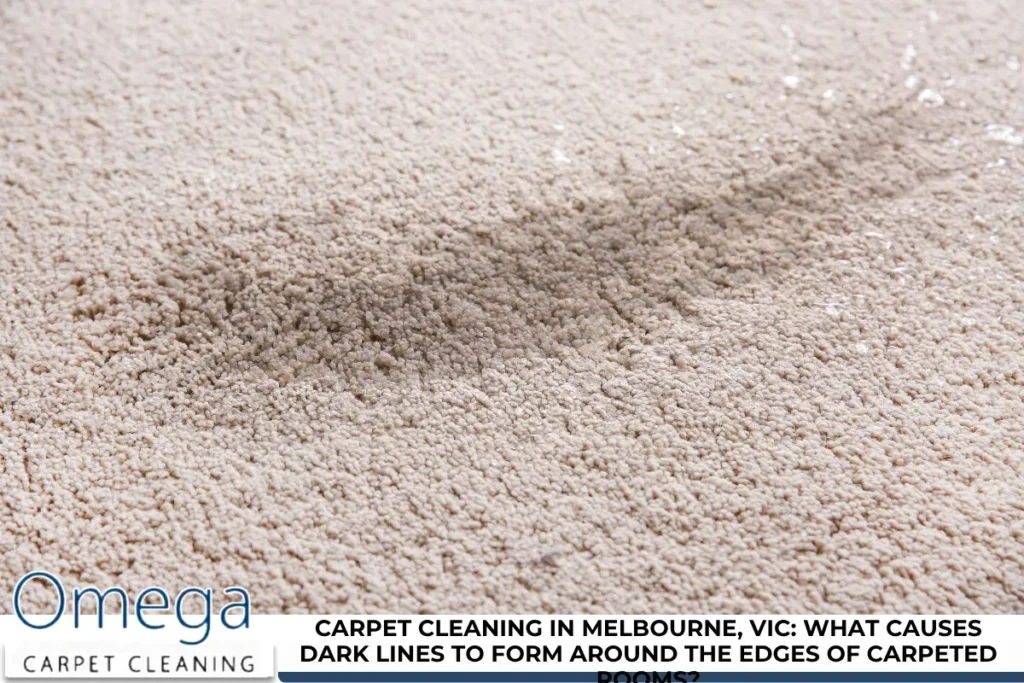
Bleaching in carpet does not mean the area looks a bit lighter. It means the dye molecules inside the fibres have been chemically destroyed, and the colour is gone for good. Some stains can bleach or dye carpet fibres permanently, leaving behind patches that no rinse or scrub will reverse.
Oxidising agents such as chlorine bleach, strong oxygen-based powders, and certain whitening sprays break apart the chromophores in carpet dyes. Chromophores are the chemical structures that absorb visible light and give fibres their colour. Once those structures are fractured, the fibre appears white, pale, or sometimes yellowish-orange on synthetics. Household staples like hydrogen peroxide can strip dyes out of carpet fibers; even a 3% pharmacy-grade solution left on certain dyes for too long will lighten them, while 6-12% hair developer concentrations cause rapid, visible damage.
Many supermarket spotters are alkaline. On wool or coloured rugs, they weaken fibre bonds and pull dyes free if left at full strength or allowed to dry. Oxygen-based cleaners can strip color from natural fibers like wool, even when labelled “colour safe.”
Professional carpet cleaning can remove residues and remaining soil. But it cannot re-dye a patch back to its original colour. Once that colour is lost, the options narrow to patch repair with matching offcut material, re-dyeing by a specialist technician, or full carpet replacement. All three cost more than early expert stain removal.
Common DIY Products In Melbourne Homes That Cause Bleach Stains
Accidents happen, and most bleaching incidents before professional carpet cleaning result from everyday household products grabbed in a rush. Using the wrong cleaner can cause irreversible damage to carpets, and the culprits are rarely exotic chemicals.
Risky items found in most Melbourne bathrooms, laundries, and cupboards include:
- Bathroom bleach and toilet bowl cleaners containing sodium hypochlorite
- Mould remover sprays with oxidising agents
- Whitening laundry powders and liquids
- Hair dye developers and toners (6-12% hydrogen peroxide)
- Oven cleaner and strong ammonia solutions
- Peroxide-based stain sticks
- Concentrated disinfectants
Oxygen-based cleaners can strip original dye from carpets if used too concentrated or left to sit without rinsing. Even clear, seemingly harmless liquids can bleach. Many Melbourne customers only notice a pale patch hours or days later when the carpet dries and the colour loss becomes visible under natural light.
A common scenario: bathroom bleach splashes onto tile floors and gets tracked into an adjoining bedroom on bare feet, leaving faint but permanent pale footprints on the carpet. In commercial settings, salon chemicals spilled on a reception carpet may only reveal their full damage after the next professional deep clean brightens the surrounding fibres.
Why Bleaching Makes Later Professional Carpet Cleaning Less Effective
Professional carpet cleaning is built to remove soil, grease, and organic stains. It is not designed to reverse chemical damage to dyes or fibre structure.
When a homeowner has already used a harsh DIY product, technicians typically find permanent white or orange patches where dye has been stripped, stiff or weakened fibres, and uneven colour that deeper cleaning will only make more obvious. Cleaning the whole carpet brightens the undamaged areas, which increases contrast around any bleach stain rather than hiding it.
Chemical reactions can occur between leftover DIY cleaners and professional cleaning solutions. Residues from home remedies can foam heavily during hot water extraction, slowing the job and sometimes requiring extra flushing passes to neutralise. Many DIY cleaners leave a sticky residue that attracts dirt and causes re-soiling of treated areas, creating a cycle of repeat scrubbing that worsens damage over time.
Pre-existing bleaching affects commercial carpet cleaning results too. Across an office or retail space, visible spots emerge once the surrounding carpet is brightened. Reputable cleaners in Melbourne will point out pre-existing bleach damage during pre-inspection and set realistic expectations about the final result before any equipment is turned on.
Safe First-Aid Steps For Fresh Carpet Stains Before Calling A Professional
The first five to ten minutes after a spill often determine whether carpet stain removal succeeds without bleaching. Act quickly to prevent stains from setting permanently.
Follow this process for safe first aid:
- Blot stains from the outside edge inward to avoid spreading. Use a clean white cloth or paper towel.
- Remove solids gently with a spoon or dull knife; do not scrub. Scrubbing fresh stains can lock them into carpet fibres, and aggressive rubbing can break down carpet fiber structure and cause visible colour loss.
- Use only cool or warm water at first on most food and drink spills. Applying heat to a stain can permanently bind pigment to carpet fibres, making professional removal harder.
- Avoid coloured cloths, supermarket stain sticks, and bathroom bleach.
- Patch-testing any DIY solution on hidden areas is recommended before use on the visible stain.
For wool and wool-blend carpets common across Melbourne, extra caution matters. Avoid high-pH products and very hot water to prevent colour run or texture change. Take a photo of the fresh stain and note any products applied so a professional carpet cleaner can plan the correct treatment. For high-value rugs or antique pieces, call a rug cleaning specialist before applying anything beyond clean water.
Read Why Carpet Cleaning Leaves a Lighter Patch on Your Carpets in Melbourne, VIC
Products And Ingredients To Avoid On Carpets In Melbourne, VIC
Think of this as a practical checklist for bathrooms, laundries, and cleaning cupboards in Melbourne homes and offices. These ingredients should never contact carpet fibres:
- Chlorine bleach (sodium hypochlorite), the active ingredient in most bathroom and tile cleaners
- Strong hydrogen peroxide solutions, particularly 6-12% concentrations used as hair developer
- Caustic alkalis like oven cleaner, which dissolve grease on hard surfaces but destroy carpet dyes
- Toilet bowl cleaners and mould removers containing oxidisers
- Undiluted ammonia or mix-your-own concoctions from internet tutorials
Mixing cleaning chemicals can create toxic reactions and damage carpets. Combining bleach and ammonia generates chloramine gas, which is hazardous to breathe and destructive to fibres. This should never be attempted indoors.
Strong alkaline or acidic mixtures can chemically alter the color stability of carpet fibres, even if the product was only intended for grout or tile. Oxygen-based cleaners can bleach natural fibres if not tested first. Always check labels for warnings like “not suitable for textiles” or “hard surfaces only,” and store these chemicals well away from carpeted areas.
If any of these products spills onto carpet, immediately dilute with plenty of fresh water, blot with a white cloth, and contact a professional rather than layering on more solutions.
How Carpet Fibre Type Influences Bleach Risk And Stain Removal
Not all carpets in Melbourne respond the same way to DIY spotters. Fibre type dictates how much chemical abuse a carpet can tolerate before colour loss becomes permanent.
Synthetic fibres like nylon, polyester, and polypropylene are generally more tolerant of mild stain removal products. Solution-dyed nylon, where pigment is embedded throughout the fibre during manufacturing, resists fading better than surface-dyed alternatives. But even these fibres are not immune to concentrated bleach or extended dwell times with strong oxidisers.
Wool carpets and wool-blend rugs remain popular in many Melbourne heritage homes and apartments. These natural fibres are protein-based, typically acid-dyed, and sensitive to high pH, heat, and oxidising agents. High pH cleaners can cause yellowing or browning in wool carpets, and DIY solutions can cause irreversible damage to natural fibres when applied without understanding these sensitivities.
Natural fibres like wool and sisal should only be treated with neutral-pH or wool-safe cleaning solution, ideally after checking manufacturer care labels. Most professional carpet cleaners perform a quick fibre and dye stability test before any heavy stain treatments, a step that is difficult to replicate safely with DIY methods.
What Professional Carpet Cleaners Can And Cannot Fix After DIY Bleaching
Professional carpet cleaning services in Melbourne can deliver an amazing job on most organic and greasy stains. But chemical colour loss presents clear limits.
What professionals can usually improve:
- Remove detergent residues and sticky DIY cleaner films
- Lift remaining stain pigments that have not been fully bleached
- Even out overall soiling so remaining marks are less noticeable
- Neutralise odours left behind by home remedies
- Rid carpets of dust mites and bacteria through deeper cleaning
- Professional cleaning can remove up to 99% of embedded dirt using professional equipment
What professionals generally cannot fix:
- Fully white or very pale patches where dye has been stripped
- Fibre distortion or matting caused by scrubbing with stiff brushes
- Burn-like marks or texture changes from strong alkalis or solvents
Professional enzymatic treatments can break down stains 40% faster than store-bought products, which makes early intervention by a qualified technician far more effective than repeated DIY attempts. Truck-mounted systems provide superior cleaning results compared to portable units, delivering consistent hot water pressure and extraction power across the room.
In severe cases, options include patch repair, section replacement, or referral to a specialist colour repair technician. Professional services can remove stains that DIY methods often cannot, but only when the dye is still intact. Reputable cleaners in Melbourne, VIC will discuss realistic outcomes before starting, particularly when DIY stain removers have already been applied.
Preventive Habits To Protect Carpets From Bleach Stains
Prevention costs nothing. These habits reduce the chance of bleach stains across households, rental properties, and commercial spaces.
- Store bathroom and laundry chemicals in tubs or trays so leaks stay on tile, not carpet or floors
- Change into clean shoes after using cleaning products on tiled areas to prevent tracking bleach onto carpeted rooms
- Keep hair colouring, nail products, and similar cosmetics away from carpeted areas entirely
- Use doormats and runners in high-traffic corridors and entry points to catch mud, dirt, and chemical residue from shoes
- Provide tenants or staff with basic stain-response instructions that emphasise blotting and avoiding bleach-based cleaners
Regular professional carpet cleaning reduces the need for aggressive DIY scrubbing because soil is removed before it turns into stubborn, set in stains that tempt people to reach for harsh chemicals. Professional cleaning extends carpet lifespan by 25-50%, making periodic service a sound investment for anyone wanting best results from their floors. Schedule periodic inspections so early, light marks can be handled by a professional before DIY attempts turn them into permanent bleach stains.
When To Skip DIY And Call A Professional Carpet Cleaner Straight Away
Some situations in Melbourne homes and workplaces call for immediate expert help. Experimentation with other cleaners only raises the risk of permanent damage.
Call a professional first when dealing with:
- Large spills of coffee, red wine, or coloured drinks on light carpets
- Pet urine accidents that have been sitting for several hours or more
- Chemical spills from cleaning agents, cosmetics, or hair dye on carpet or rugs
- Stains in high-visibility areas such as reception spaces or hallways in commercial carpet cleaning environments
- Any spill on wool or antique rugs, where fibre sensitivity is highest
Professionals carry fibre-safe spotting agents, stain identification skills, and cleaning methods like hot water extraction or low-moisture systems to treat tough stains without resorting to household bleach. Enzymatic cleaners break down organic stains 40% faster than sprays, and professional-grade formulations are calibrated for specific fibre types.
In Melbourne CBD apartments and offices with limited spare carpet, preventing even one bleach stain can save thousands on replacement or insurance excess. Inappropriate use of DIY chemicals can void carpet warranties, adding another layer of financial risk for property owners. Your best bet is to always inform the cleaner exactly which DIY products, by brand and type, were used so they can adjust their stain removal strategy safely, delivering excellent service tailored to the situation.
Carpet Cleaning In Melbourne, VIC – Omega Carpet Cleaning
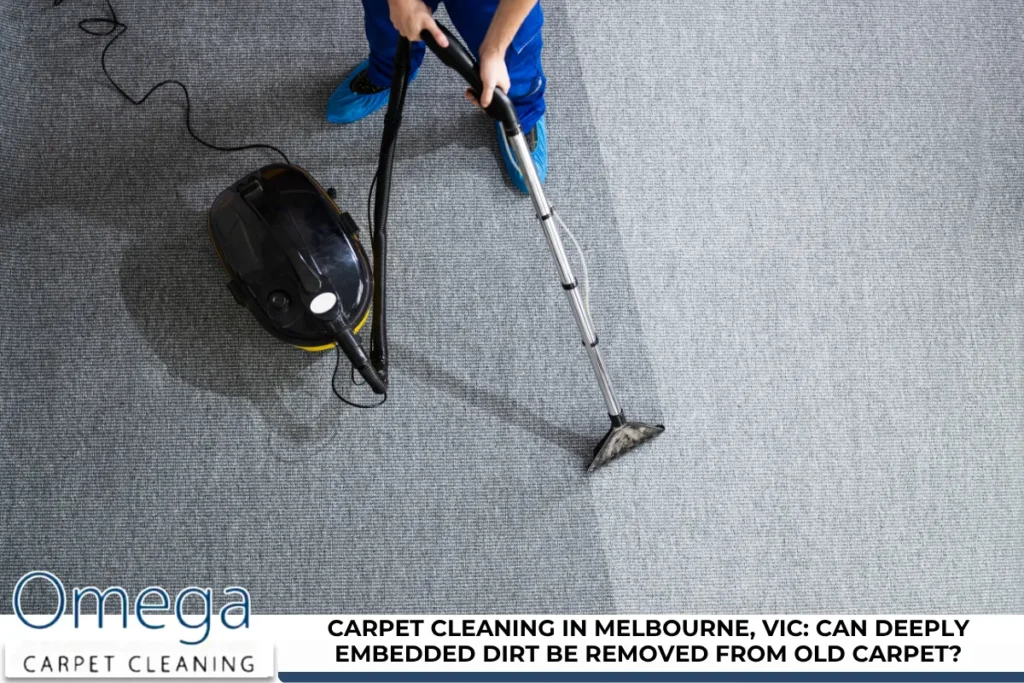
At Omega Carpet Cleaning, we provide professional carpet cleaning across Melbourne, Victoria and all surrounding areas. Our technicians handle everything from fresh spills to set-in stains and DIY bleach damage using professional-grade hot water extraction and targeted spot treatments. We know how frustrating it is to watch a small stain become a permanent carpet problem, which is why we encourage every homeowner, tenant, and business to call us at 0406 996 819 or fill out our online contact form before reaching for harsh home remedies. We tailor our approach to each carpet and rug cleaning situation, whether it is upholstery, rugs, or wall-to-wall carpet in a rental property. Our goal is to deliver fresh, hygienic results that protect your investment and extend the life of your carpets. Contact Omega Carpet Cleaning for a fantastic, fully licensed service you can trust.
Frequently Asked Questions
Can professional cleaning ever completely remove a small bleach spot?
A true bleach stain is permanent because the dye has been chemically removed from the fibre, not simply hidden beneath soil. Standard carpet washing or steam cleaning cannot restore the original colour once it has been stripped. Professionals may reduce the visual impact by thoroughly cleaning the area around the spot, softening the fibres, and blending the edges so the contrast appears less sharp against the rest of the carpet. Complete visual repair usually requires either a carpet patch cut from a matching offcut or specialist re-dyeing, both of which depend on fibre type, pattern match, and pile age. Contacting a cleaner before applying a strong DIY product offers the best chance of avoiding this outcome.
Is it safe to use supermarket “oxy” stain powders on my rental carpet?
Many oxygen-based powders and sprays are marketed as safe for most carpets, but they can still lighten or unevenly brighten certain dyes if used too concentrated or left to dry in the fibres without rinsing. In rental properties around Melbourne, visible light patches or rings from these products become a source of bond disputes, particularly where the property condition report shows no prior damage at move-in. If tenants choose to use these products, they should always pre-test in an inconspicuous corner, follow label dilution instructions, and rinse the area thoroughly with clean water afterward. When the stain is large, dark, or on a wool carpet, contacting a professional and documenting the issue with photos before any DIY treatment is the safer path.
Will using vinegar and baking soda on carpet cause bleaching?
White vinegar alone does not usually bleach synthetic carpet dyes, but its acidity can destabilise some natural fibres or react with other chemicals already present in the pile. Using vinegar on wool can lead to permanent bleaching or colour shift over time. Baking soda is mildly alkaline, and when combined with vinegar, the fizzy reaction can leave a gritty residue that makes carpets feel rough and attract more dirt. This popular online hack can also create pale rings or patchy cleaning marks, even without causing true dye loss. For anything beyond a very small test area, professional advice delivers better long-term carpet protection than kitchen chemistry applied to an entire stain.
How should I treat pet urine so it does not bleach or damage the carpet?
Fresh pet urine does not act like bleach initially, but as it dries it becomes increasingly alkaline and can affect dyes and backing, particularly on wool carpets. A safe response: blot thoroughly with a clean white cloth, apply a small amount of cool water, and blot again. Avoid household bleach or strong disinfectants, which increase bleaching risk. Specialised enzymatic cleaners designed for pet urine can help with odour; enzymatic cleaners break down organic stains 40% faster than sprays, but they should still be patch-tested and used as directed to prevent colour changes. For larger or repeated accidents, arrange professional carpet cleaning promptly so experts can treat both surface fibres and the underlay to minimise long-term damage.
Can DIY stain removers void my carpet warranty in Melbourne, VIC?
Many modern carpet warranties require following the manufacturer’s care guidelines, which often specify approved cleaning methods and acceptable pH ranges for any products used on the fibres. Using household bleach, unapproved solvents, or highly alkaline products can be classified as improper maintenance and may void coverage for colour loss or fibre damage under the warranty terms. Homeowners should check their warranty booklet or supplier website before applying aggressive DIY cleaners, particularly in new builds or recently refurbished apartments. Keeping records of professional carpet cleaning and using recognised methods like hot water extraction can help demonstrate reasonable care if any warranty or insurance questions arise later.
Disclaimer: This article provides general information for Melbourne, VIC residents and is not personalised advice. Always follow product labels, manufacturer care instructions, and consult qualified professionals before treating carpet stains or chemical spills.
Read What Causes Stains to Spread Before Professional Carpet Cleaning in Melbourne, VIC?