
Does an Old Carpet Stain Really Turn Permanent?
Carpet cleaning is one of those tasks most Melbourne households put off until it becomes urgent. That forgotten coffee spill behind the couch, the pet accident in the hallway, the red wine from last year’s dinner party; they all sit quietly in the pile, getting worse. The short answer is yes, many old stains do become permanent without the right intervention. Time, chemistry, and incorrect carpet washing attempts can lock discolouration into the fibres or strip colour from the dye system entirely. This article covers how that process works, which stains carry the highest risk, what you can safely try at home, and when calling a professional carpet cleaner is the only option left for Melbourne homeowners and tenants.
Key Takeaways
- Old stains can become permanent in Melbourne carpets once they chemically bond with fibres, bleach dyes, or damage the carpet backing and underlay.
- DIY carpet stain removal works best within the first 24 to 48 hours; long-standing pet stains, red wine marks, and dye-based spills often require a professional carpet cleaner.
- Rental bond disputes and VCAT claims in Victoria frequently involve carpet stains that were not treated or documented at the right time.
- Prompt action, the right method, and timely professional help give you the best chance that stains are fully removed rather than just temporarily hidden.
How and When a Carpet Stain Becomes “Permanent”
A permanent stain is not simply a visible mark. It is a change in the carpet fibres or backing that no standard cleaning method can reverse. This includes chemical bonding of stain molecules to the fibre polymer, dye damage, fibre bleaching, or physical degradation of the pile structure.
When a spill occurs, its liquid components rise into the upper pile. Over hours and days, capillary action draws those components deeper through the fibre, through the backing, and sometimes into the underlay. Old stains set into carpet fibers over time due to heat, sunlight, and foot traffic, each of which accelerates oxidation and chemical bonding. Chemical bonding between stains and carpet fibers can result in permanent discoloration that even aggressive treatments cannot undo.
Acting within 24 hours prevents stains from bonding permanently in most fibre types. Once that window closes, industry professionals classify these marks as “set-in.” The longevity of a stain affects its removal difficulty at every stage. Old stains can become permanent if left untreated or cleaned incorrectly; some marks are irreversible not because of soil, but because the carpet dye itself has been altered by bleach, strong alkaline cleaners, or prolonged UV exposure. Melbourne’s indoor humidity and winter heating systems can further accelerate this oxidation, especially in closed rooms with poor ventilation.
The Most Common Old Stains in Melbourne Homes and Their Long-Term Risks
Not all carpet stains age the same way. The risk of permanence depends on the stain’s chemistry, the fibre type, and how long the mark has been sitting. Here are the categories Melbourne households encounter most.
Food and drink spills. Coffee, tea, red wine, juice, and soft drinks carry tannins, sugars, and coloured dyes. Red wine can dye carpet fibres permanently because its tannin pigments bind quickly to both natural and synthetic pile. Coffee tannins bond quickly with carpet fibres, especially wool; coffee stains should be treated within 30 minutes for best results. Sugars from soft drinks crystallise as they dry, attracting dirt and bacteria that darken the area over time.
Pet stains and biological matter. Pet urine contains uric acid that can cause permanent stains. Vomit and faeces leave behind acids and enzymes that attack fibre dyes. These are among the most common causes of bond disputes in Melbourne rentals.
Pigment-heavy marks. Makeup, nail polish, hair dye, and ink from pens act like dyes once they contact carpet fibres. Certain synthetic fibers can bond permanently with acidic or tannin-based colorants over time, making these spills particularly stubborn.
Rust and mineral deposits. Metal furniture legs, wet plant stands, and damp items left on carpet leave iron oxide deposits. On light-coloured carpets, rust marks can become permanent within days.
Blood. Dried blood proteins can permanently bond to carpet fibres, especially if hot water is used during initial cleaning attempts. Cold water is best for lifting blood stains without setting them.
The risk of permanent staining is highest when spills go unnoticed under furniture, behind doors, or in bedrooms that are rarely used.
Why Pet Urine and Pet Stains Are So Hard to Fully Remove
Pet accidents rank among the most common causes of recurring stains and persistent odour in Melbourne homes. The reason lies in chemistry.
Pet urine contains urea, uric acid, salts, and bacteria. When the liquid dries, uric acid forms crystals that are not water-soluble. Surface cleaning may remove the water-soluble components and temporarily reduce odour, but the crystals remain embedded in the backing and underlay. Pet urine can spread further than visible stains suggest; a surface mark the size of a saucer often corresponds to contamination in the backing that extends well beyond the visible edge.
Repeated pet stains in the same spot can bleach or burn fibres, creating permanent discolouration that persists even after odour is treated. On humid Melbourne days, those trapped crystals reactivate, dissolving enough to release ammonia-like smells throughout the room.
Pet urine can cause permanent damage if not cleaned immediately. Once the stain has dried and crystallised, enzyme cleaners are necessary for fully removing pet urine stains. Use enzyme cleaners for pet urine to neutralize uric acid; simple detergent or vinegar solutions do not break down these crystals. In severe cases, old pet stains require subsurface extraction and sometimes underlay replacement, not just surface cleaning.
From Fresh Spill to Old Stain: What Happens Over Time
Time is the single largest factor in whether a carpet stain can be fully removed. Here is how the process unfolds.
The first hour. Liquid sits mostly in the upper pile. Prompt blotting with absorbent white towels removes the bulk of the spill. Red wine stains require immediate action within 10 minutes for the best chance of full removal.
The 24-hour window. Stain components begin migrating deeper into the fibre structure and start bonding to carpet dyes. Bacteria begin multiplying in organic spills. After this point, DIY success drops noticeably.
Days to weeks. Oxidation, bacterial growth, and drying convert simple spills into complex, set-in carpet stains. Deep-set spills often seep into the carpet backing or underlay, creating contamination layers that surface methods cannot reach. Attempting to scrub out marks after days can cause pile distortion, fuzzing, or colour loss, making the damage permanent even if the original stain lightens.
Weeks to months. Stains can reappear if not fully removed during cleaning. Wicking causes stains to resurface as the carpet dries; residue from the backing rises back through the pile, leaving a ghost of the mark that keeps returning. Stains can reappear due to incomplete removal, frustrating homeowners who assumed the job was done.
Read Why Stains Reappear After Carpet Cleaning in Your Melbourne, VIC Home
DIY Carpet Stain Removal: What You Can Safely Try First
Many fresh carpet stains and some older marks respond to careful, low-risk home methods. Success depends on the stain type, fibre type, and how long the mark has been present.
General rules to follow before you start:
- Testing any cleaner on a hidden patch of carpet is essential before applying it to stains. Pick a spot inside a wardrobe or behind furniture.
- Use white cloths or paper towels. Coloured fabrics can transfer dye to damp carpet.
- Blot stains instead of rubbing to avoid pushing them deeper. Blotting is more effective than rubbing for stain removal in every scenario.
- Never rub aggressively; this distorts the pile and can spread the mark.
For fresh spills: Cold water and a clean cloth handle most water-based marks. A small amount of mild dishwashing liquid mixed with cold water works for food and drink stains. White vinegar diluted with water can help lift some tannin-based stains like tea.
For old stains: Old stains require rehydration before applying cleaning solutions. Mist lightly with water, allow a few minutes of dwell time, then blot repeatedly. If colour transfers heavily to the towel after several rounds, or if fibre damage is obvious, stop and seek professional help.
For red wine: Act within 10 minutes for red wine stains. Blot dry immediately, apply cold water, and blot again. Avoid salt or white wine; neither is reliable on carpet.
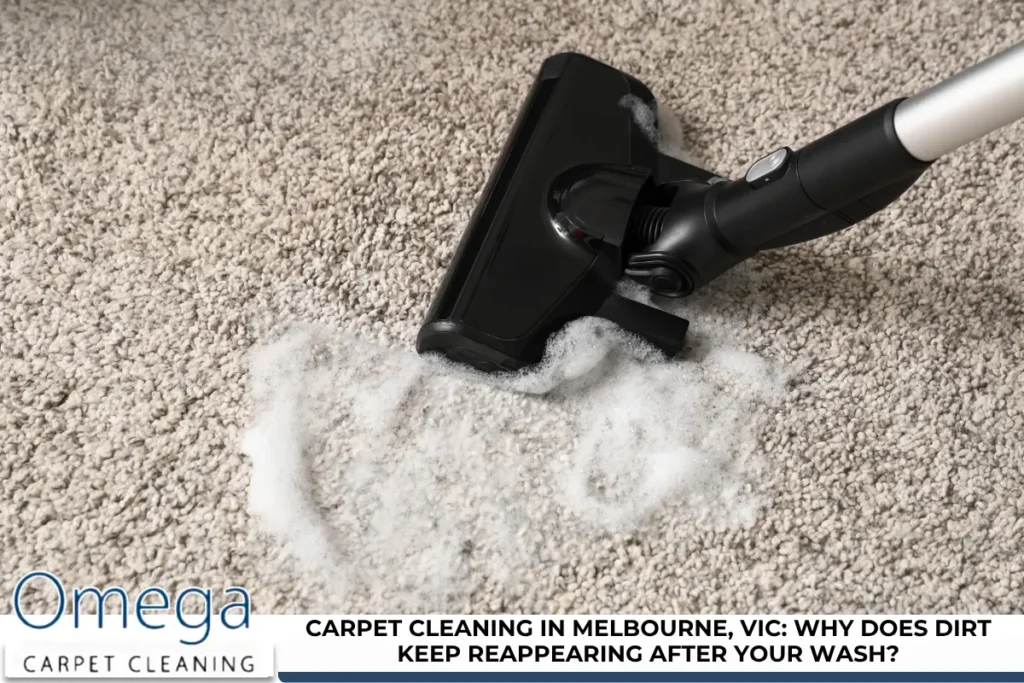
To prevent further staining, it is important to thoroughly rinse residue after cleaning. Leftover detergent attracts new dirt and creates recurring dark patches.
Avoid supermarket powders and over-foaming spot cleaners that leave sticky residue. These products may mask the visible stain briefly, but the end result is often worse than the original mark.
When DIY Makes Things Worse: Mistakes That Lock in Old Stains
Good intentions cause real damage, especially when homeowners rush to fix a stain before an inspection or property sale.
Overwetting with rental machines. Domestic carpet washers lack the suction power of commercial extractors. Incorrect DIY cleaning methods can push stains deeper into carpet fibers, flooding the backing and underlay with contaminated water. This sets up wicking problems that cause the stain to reappear repeatedly as the carpet dries.
Wrong chemistry. Using hot water on protein stains cooks the stain into the fiber. Heat exposure from cleaning can set certain stains deeper into the carpet, especially blood and egg. Bleach removes colour, leaving permanent lightened spots that no carpet cleaner can reverse. Strong bathroom or oven cleaners strip acid dyes from wool, creating patches that look worse than the original stain.
Aggressive scrubbing. Stiff brushes and scourers flatten pile, cause fuzzing, and change how light reflects off the surface. Inspectors and landlords spot this easily; the texture difference stands out even if the colour is uniform.
Chemical mixing. Combining ammonia-based and chlorine-based products creates toxic fumes and unpredictable reactions on carpet dyes. This is a safety hazard and a fast path to permanent discolouration.
Fragranced deodorisers and powders. These mask smells briefly but build residue over time. Soap residue from cleaners attracts more dirt over time, making the affected area look dirtier than the surrounding carpet and interfering with later professional carpet cleaning.
Melbourne Rentals: Old Stains, Bond Deductions and VCAT Disputes
Carpet stains are one of the most frequent causes of bond disputes in Melbourne’s rental market. Understanding the rules can save tenants and landlords real money.
Under Victorian rental law, tenants must return the property in the condition recorded at the start of the tenancy, minus fair wear and tear. Normal fading from foot traffic and sunlight generally qualifies as fair wear. Stains, burns, and pet urine damage are treated as tenant-caused damage, not fair wear and tear. Rental providers can claim bond to cover cleaning or repair costs.
If an old stain was present at move-in but not documented in the condition report or photos, the tenant may face a dispute at the end of the lease. Tenants should photograph every existing mark at the start, note it on the condition report, and keep copies.
Professional carpet cleaning invoices and before-and-after photos strengthen a tenant’s position if VCAT hears the matter. In depreciation terms, VCAT adjusts claims based on carpet age. A carpet installed seven years ago with an expected lifespan of ten years would only attract liability for the remaining three years of value, not the full replacement cost.
Ignoring old stains until vacate week often leads to emergency DIY attempts that cause more harm than a planned professional treatment would have. Addressing stubborn carpet stains early is less expensive and far less stressful than arguing a bond claim.
When an Old Stain Actually Needs a Professional Carpet Cleaner
Some stains, by age or type, will not respond to home methods. Knowing the red flags saves time and prevents accidental damage.
Call for professional help when:
- Pet urine odour keeps returning after surface cleaning
- A large red wine or coffee spill has sat for weeks or months
- Dark traffic lanes have developed in high traffic areas
- Stains return after the carpet dries, indicating wicking from the backing
- Fibre colour or texture has changed around the stain
Professional cleaning uses hot-water extraction at 90°C, which reaches deep contamination beyond the capacity of domestic machines. Professional cleaning can remove stains others leave behind, including marks that have survived multiple DIY attempts. Professional cleaning can prevent recurring stains from wicking by extracting residue from the backing layer.
Experienced technicians identify fibre type before choosing chemistry. Wool, nylon, polyester, and solution-dyed materials each require different stain removal approaches; a product safe for nylon can strip colour from wool. Professional treatment may be necessary for certain types of stains that have permanently set, and in those cases, patching or colour repair may be the only option.
Professional cleaning can prevent recurring stains effectively when combined with correct drying and post-treatment care. While not every old mark can be fully removed, a professional carpet cleaner can often reduce visibility and eliminate odour enough to extend the carpet’s useful life by years.
Practical Steps to Prevent Future Permanent Stains in Melbourne Homes
Prevention costs far less than repair or replacement. These steps apply to homeowners, landlords, and tenants alike.
- Keep a simple spill kit ready: white towels, a spray bottle with mild detergent solution, and a small wet-dry vacuum if you have one.
- Establish a “blot immediately” household rule for any spill. The difference between a treatable mark and a permanent one is usually measured in minutes, not hours.
- Vacuum regularly. Dry soil grinds into fibres under foot traffic, embedding dirt that dulls colour and weakens pile over time.
- Schedule periodic professional carpet cleaning based on foot traffic and pets rather than waiting for visible old stains to accumulate. Homes with pets and children benefit from professional services at least once a year.
- Use mats at entries, adopt a shoe-off policy for bedrooms, and place furniture protectors under metal legs to prevent rust or dye transfer.
- Act quickly after floods, pipe leaks, or roof leaks. Prolonged moisture causes staining, mould growth, and backing separation that can make entire sections of carpet unsalvageable.
Carpet Cleaning in Melbourne, VIC – Omega Carpet Cleaning
At Omega Carpet Cleaning, we specialise in treating old stains, pet urine issues, and recurring carpet stains across Melbourne, Victoria and surrounding areas. Our team uses professional hot-water extraction equipment and advanced stain treatments tailored to each carpet type, whether it is wool, nylon, polyester, or solution-dyed fibre.
We know that every stain has a story, and our goal is to restore your carpet as far as possible, protect your rental bond, and prevent small marks from becoming permanent, costly damage. If you have a stubborn stain that will not budge, or you are preparing for a lease-end inspection, we can help.
Call us on 0406 996 819 or fill out our contact form for honest, practical advice. Mention the stain type and how long it has been there so we can recommend the best approach before we arrive.
Frequently Asked Questions
Can professional cleaning remove carpet odours even if the visible stain remains slightly discoloured?
Yes. Odour and discolouration are caused by different compounds. Odour typically comes from bacteria, uric acid crystals, and decomposing organic matter trapped in the backing or underlay. Professional hot-water extraction and enzyme treatments target these odour sources directly, breaking down the crystals and flushing bacteria from deep layers. The visible stain may remain slightly lighter or darker than surrounding carpet if fibre dye has been altered, but the smell can be eliminated. In pet urine cases, technicians often use sub-surface extraction tools that inject solution beneath the pile and vacuum it back out, removing odour compounds that surface methods never reach.
How often should Melbourne homes with pets and children schedule professional carpet cleaning?
For households with pets, children, or both, scheduling professional cleaning every 12 months is a practical baseline. Homes with multiple pets or heavy foot traffic may benefit from a six-month cycle. The reason is that pet dander, food crumbs, body oils, and tracked-in soil accumulate in the pile and backing continuously. Without periodic deep extraction, these contaminants bond to fibres, dull the colour, and create conditions where small spills become set-in stains faster. Regular professional treatment also maintains any manufacturer stain-resistance warranty, which many carpet brands in Australia require annual cleaning to uphold.
Do household steam mops increase the risk of setting stains or damaging carpet backing?
Household steam mops are designed for hard floors, not carpet. Using one on carpet introduces concentrated heat and moisture without adequate extraction. The steam can cook protein-based stains like blood or egg into the fibre permanently. The moisture sits in the backing and underlay with no suction to remove it, creating conditions for mould, mildew, and backing delamination. If you need to freshen carpet between professional visits, a damp cloth blotting method or a carpet-rated spot cleaner is safer. Leave deep steam cleaning to commercial equipment that combines controlled heat with high-pressure extraction.
What should I do if a stain disappears when wet but keeps coming back after the carpet dries?
This is wicking. The stain residue has soaked into the backing or underlay. When you wet the area during cleaning, the liquid dissolves some of that residue and carries it back up through the pile via capillary action. As the carpet dries, the residue deposits on the fibre tips, recreating the mark. To address wicking at home, place a thick stack of white towels over the damp area after cleaning and weight them down overnight. The towels absorb residue as it travels upward. Repeat if needed. If the mark returns after two or three attempts, the contamination is too deep for surface methods and requires professional sub-surface extraction.
Should tenants arrange professional carpet cleaning before every lease end, even if carpets look clean?
Check your lease first. Under Victorian law, tenants are only required to have carpets professionally cleaned at the end of a tenancy if the carpets were professionally cleaned immediately before the tenancy began and this is recorded in the lease agreement. If that condition exists, you need a receipt from a professional service to match. If it does not, you are only required to leave carpets in a reasonably clean state. That said, a professional clean before vacating removes hidden soil, reduces odour, and provides documentation that protects you in bond disputes. The cost of a standard clean is typically lower than defending a bond claim at VCAT, making it a practical investment for most tenants.
Disclaimer
This article provides general information about carpet stains and is not tailored professional advice. Stain outcomes vary by fibre type, carpet age, and previous treatments. Melbourne readers should consult a qualified carpet cleaning professional for assessment of specific concerns.
Read What Happens When You Never Clean Your Couch? Upholstery Cleaning in Melbourne, VIC