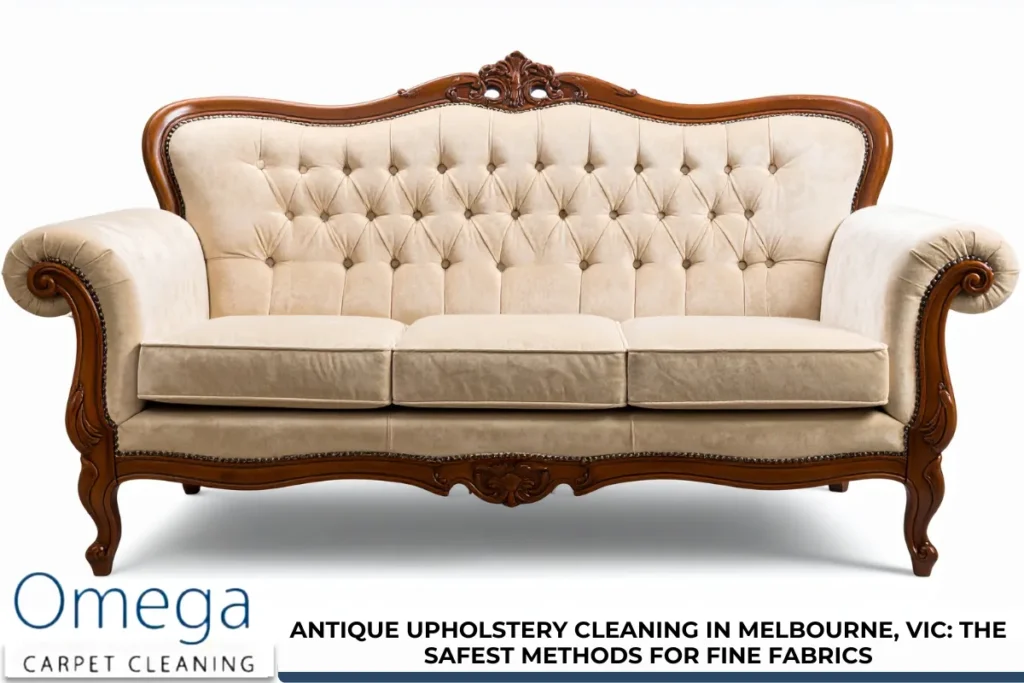

Why delicate furniture demands expert care from the start
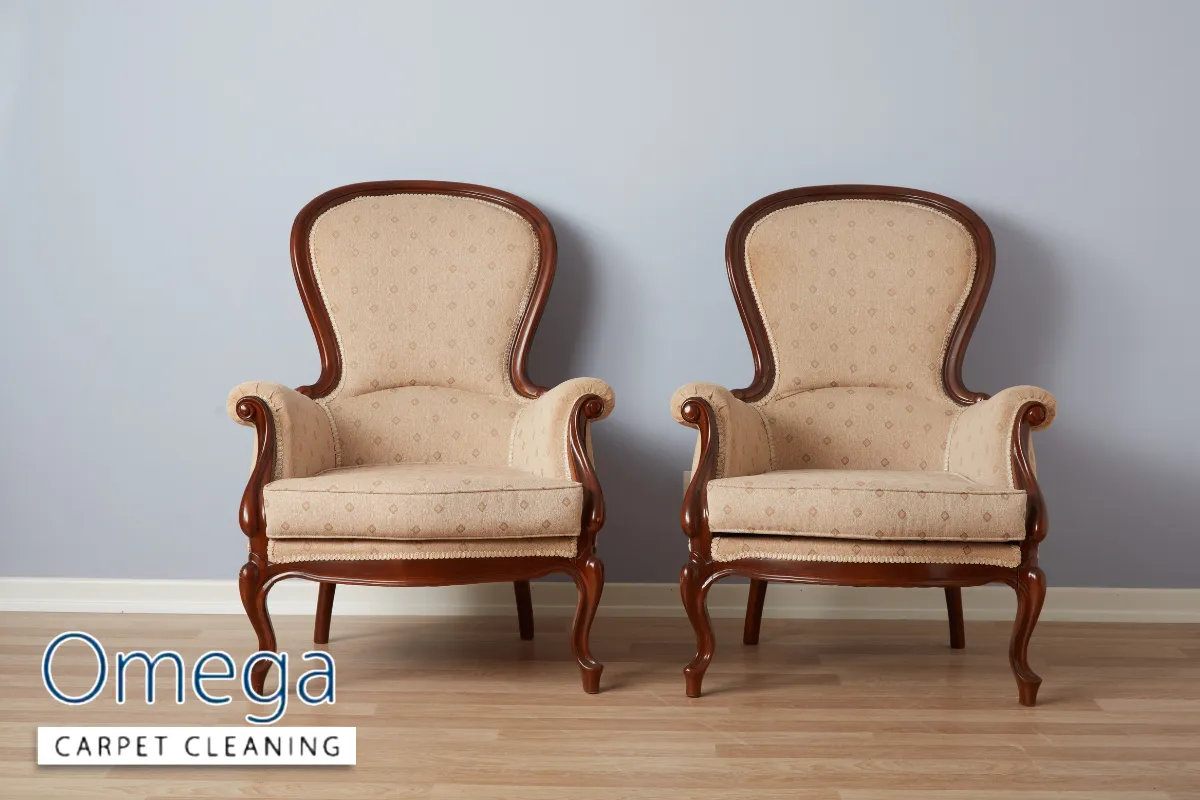
Upholstery cleaning is often underestimated until antique furniture begins to fade, stain, or deteriorate. Many homeowners in Melbourne face the challenge of preserving heirloom pieces made from fragile fabrics like silk, velvet, or brocade. Using the wrong upholstery cleaner or harsh upholstery washing methods can permanently damage fibres, causing irreversible loss of value and beauty. This risk is especially high when dealing with older upholsteries that were crafted using traditional techniques and natural dyes. The solution lies in understanding safe, proven cleaning methods tailored for fine fabrics. With the right approach, you can protect your furniture, maintain its elegance, and extend its lifespan without compromising its integrity.
The unique nature of antique upholsteries
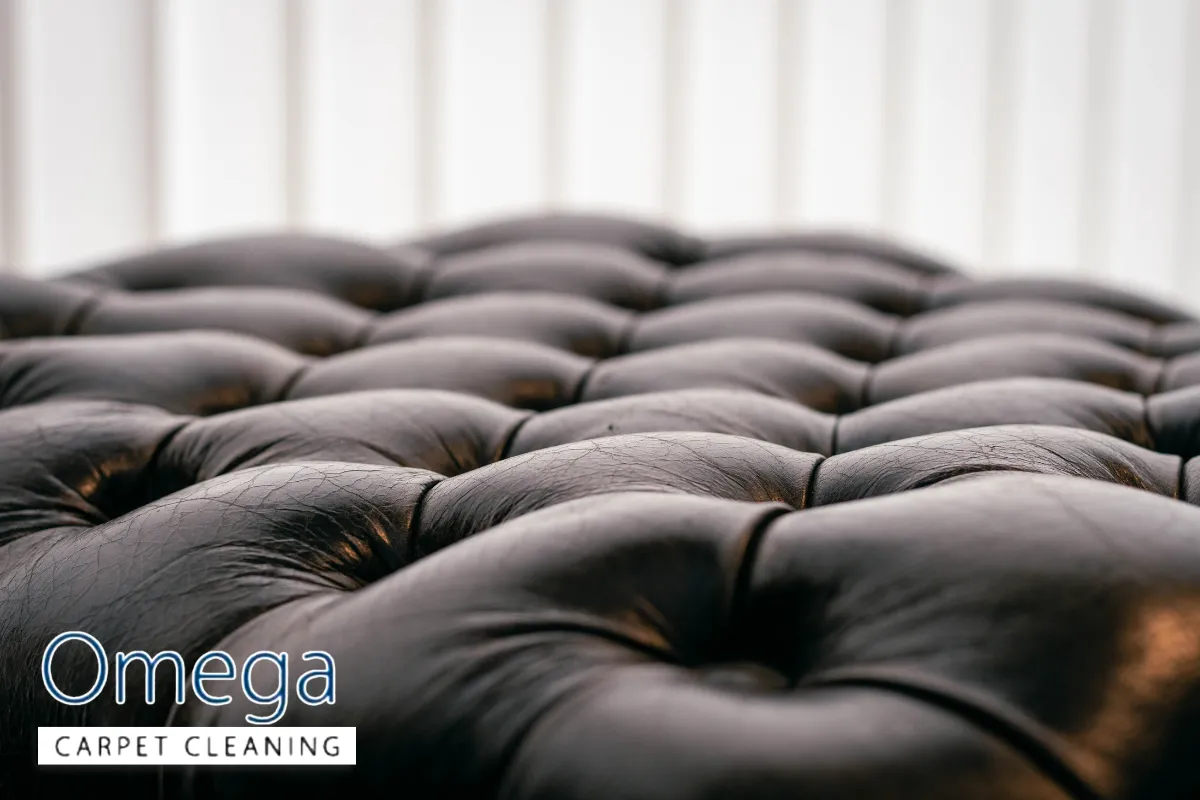
Antique furniture is not just decorative—it carries history, craftsmanship, and often sentimental value. Unlike modern materials, older upholsteries are typically made from delicate natural fibres such as cotton, linen, silk, or wool blends. These materials react differently to moisture, heat, and chemicals.
Common characteristics of antique fabrics
- Natural dyes prone to bleeding
- Fragile stitching and padding
- Sensitivity to heat and water
- Accumulated dust and embedded dirt over decades
Improper upholstery washing can weaken these fibres. Even standard upholstery cleaner solutions used in modern furniture may be too aggressive.
Risks of improper upholstery cleaning methods
Many homeowners attempt DIY cleaning without understanding the risks. While surface dirt may be removed, deeper damage often occurs.
- Shrinkage due to excess moisture
- Colour fading from harsh chemicals
- Fabric distortion from aggressive scrubbing
- Mould growth from improper drying
Mould can thrive in damp environments, making it essential to address moisture issues in carpets to prevent its growth. This principle also applies to antique upholstery, especially in Melbourne homes where humidity can fluctuate.
Safe inspection before any cleaning begins
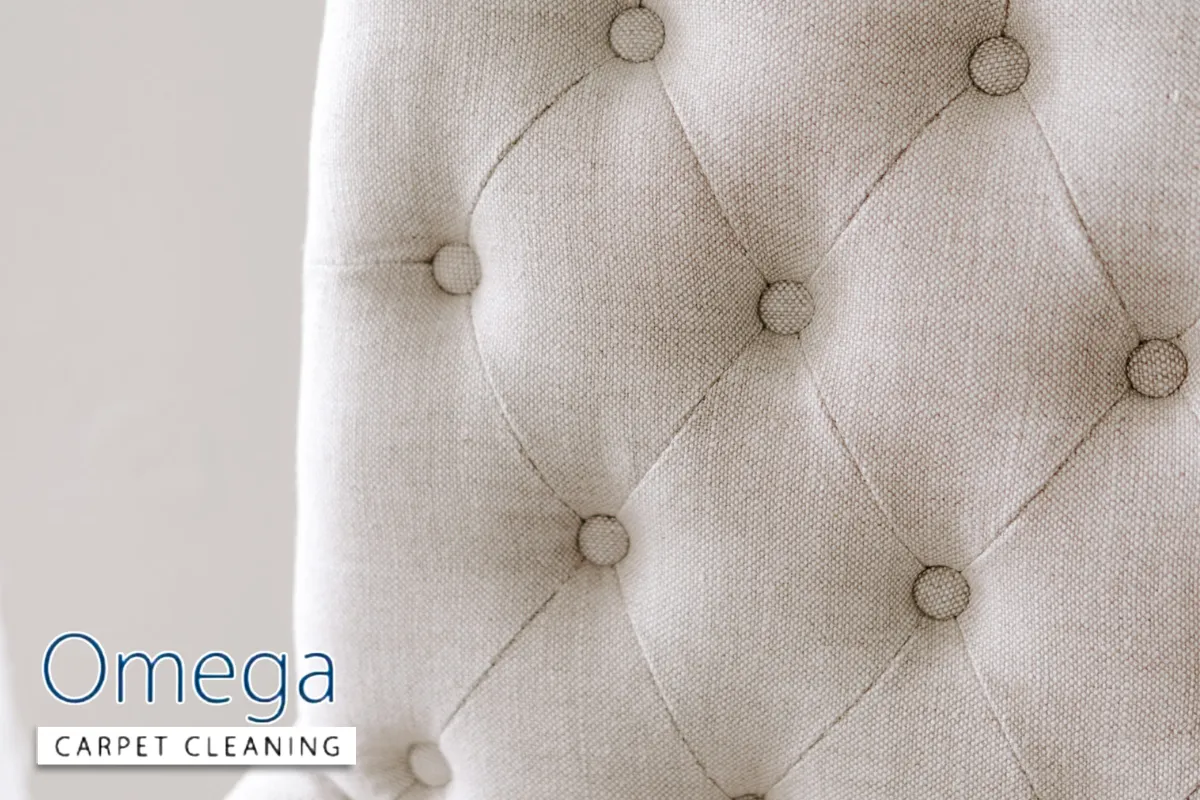
Before using any upholstery washer or cleaning solution, a thorough inspection is essential.
Key steps professionals follow
- Fabric identification
- Dye stability testing
- Assessment of wear and tear
- Identification of stains and contaminants
HEPA vacuuming involves advanced systems with HEPA filters designed to capture microscopic spores that standard vacuums might recirculate. This step is crucial in removing allergens without damaging delicate fibres.
Regular vacuuming of carpets at least once per week is crucial to remove surface dirt and prevent it from settling deeper into the fibers. The same principle applies to antique furniture, though with softer attachments.
Gentle cleaning techniques for fine fabrics

Low-moisture upholstery washing
Using minimal water reduces the risk of shrinkage and dye bleeding. This method is ideal for silk and vintage cotton.
Dry cleaning for sensitive materials
Dry cleaning uses specialised solvents instead of water. It is commonly recommended for antique upholsteries that cannot tolerate moisture.
Carpet cleaning methods include steam cleaning, dry cleaning, encapsulation cleaning, and host cleaning, each varying in effectiveness and application. For antique furniture, dry cleaning is often the safest starting point.
When steam cleaning is appropriate
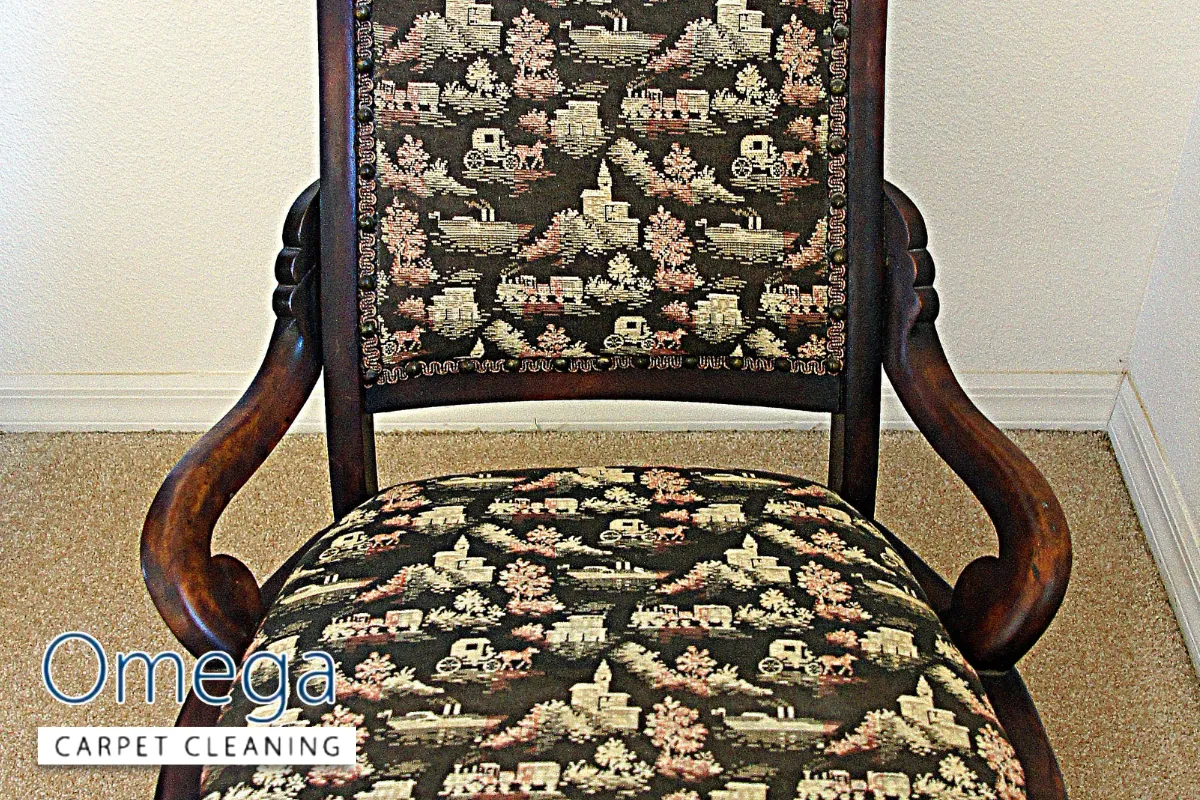
Steam cleaning can be effective, but only under controlled conditions.
Steam cleaning is often recommended for carpets as it penetrates deep into the fibers, removing more dirt and stains compared to other methods. However, antique upholstery requires lower temperatures and reduced pressure.
Steam cleaning is often considered more effective than dry cleaning for deep cleaning carpets, as it penetrates deep into the fibers to remove dirt and stains. For upholsteries, this must be adjusted carefully to avoid fibre damage.
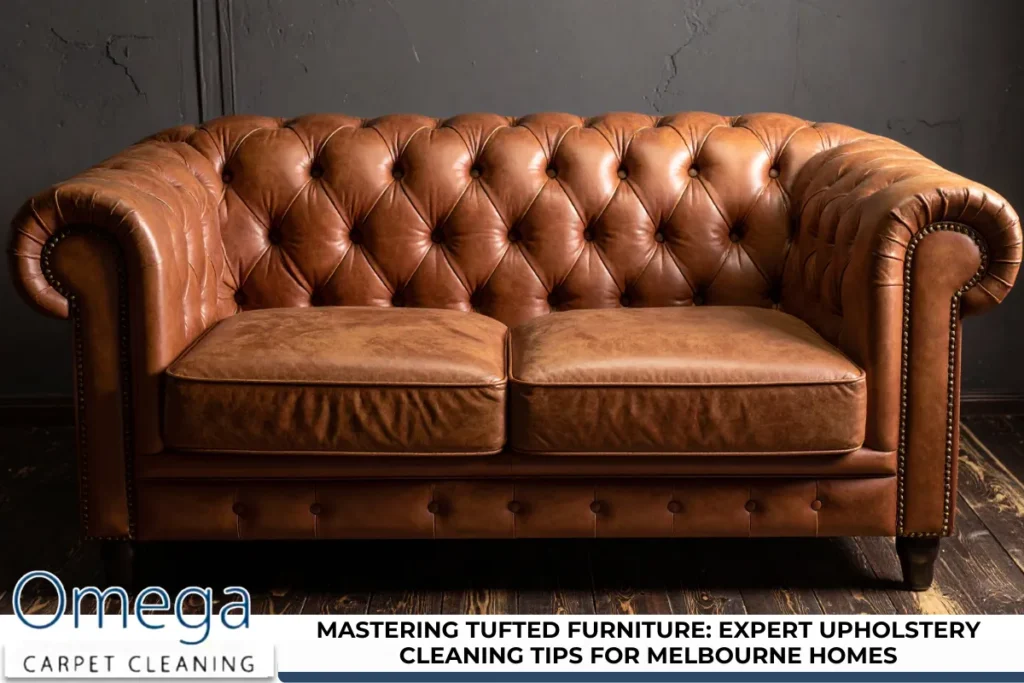
Read Mastering Tufted Furniture: Expert Upholstery Cleaning Tips for Melbourne Homes
Managing stains without harming antique fabrics

Immediate action matters
Address spills immediately to avoid stain formation, using appropriate cleaning solutions and equipment for your specific carpet type. The same urgency applies to antique furniture.
Safe stain removal approaches
- Blotting instead of scrubbing
- Using pH-neutral cleaning solutions
- Testing on hidden areas first
Red wine, pet urine, and oil-based stains require tailored treatment. Removing stubborn stains from antique upholstery demands patience and expertise.
Moisture control and mould prevention
Maintaining indoor climate control, such as using dehumidifiers, is essential for preventing moisture accumulation in carpets. This is equally important for upholstered furniture.
Using a dehumidifier in areas with carpets can help control humidity levels, making it less conducive for mould to grow.
Musty odours, persistent dampness, and health symptoms such as sneezing or coughing may indicate the presence of mould in carpets. These warning signs should not be ignored in upholstery either.
Safe mould treatment options
- Clove oil can kill mould spores effectively within 24 hours when mixed with water.
- Hydrogen peroxide, when mixed properly, serves as a powerful mould remover but may bleach some carpet types.
Using cleaning solutions with bleach is not recommended for mould removal as it fails to eliminate mould in porous materials and only strips colour.
The acetic acid in white vinegar effectively kills mould at its source when mixed with water and applied to surfaces.
Practical maintenance tips for Melbourne homes
Regular cleaning and maintenance of carpets can help reduce the risk of mould growth by removing dirt and moisture that can contribute to its development. The same applies to upholstery.
Simple habits that protect antique furniture
- Vacuuming regularly with soft brushes
- Keeping furniture away from direct sunlight
- Rotating cushions to distribute wear
- Avoiding excessive moisture exposure
Baking soda absorbs moisture and neutralizes musty odours when sprinkled over treated areas. This is useful for mild odour control.
Effective DIY cleaning methods include using baking soda to absorb moisture, vacuuming with a HEPA filter, and scrubbing lightly with a vinegar solution.
When to call professional cleaning services

The “One Metre Rule” suggests that for surface mould infestations smaller than one square metre, a DIY clean may suffice, whereas larger or deeper infestations typically require professional remediation.
Professional carpet cleaning services can effectively remove dirt, stains, and allergens, enhancing the appearance and lifespan of carpets. Similarly, professional upholstery cleaning ensures safe treatment of delicate materials.
Professional deep cleaning of carpets is recommended every 6-12 months to ensure thorough sanitation and quick drying. Antique furniture may not require the same frequency but benefits from periodic expert care.
Incorporate professional steam cleaning services at least twice a year to remove embedded dirt and debris, which helps maintain the appearance and longevity of carpets. Upholstery may require less frequent but specialised cleaning.
Professional dehumidification employs heavy-duty dehumidifiers and air movers to thoroughly dry carpets and subfloors, preventing mould regrowth. This level of drying is critical when dealing with antique upholstery.
How antique upholstery cleaning fits into the wider cleaning industry
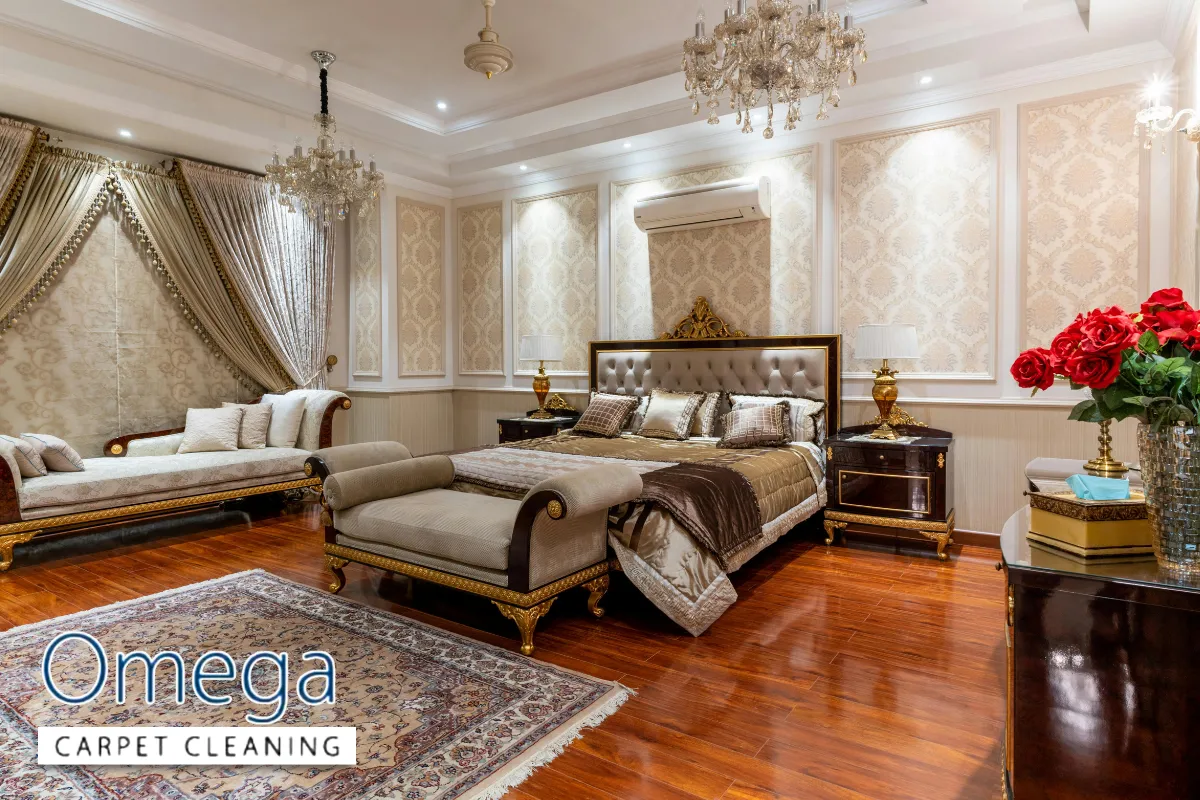
The carpet cleaning industry has evolved significantly, introducing safer and more effective cleaning solutions. These advancements benefit both carpets and upholsteries.
From rug cleaning to mattress cleaning and tile and grout cleaning, professional cleaning services now offer a full range of solutions designed to protect household surfaces.
Most modern homes will have at least three carpeted bedrooms that need a deep clean once a year. While antique furniture may be less common, it requires equally thoughtful care.
Regular steam cleaning can improve indoor air quality by removing allergens, dust, and dirt from carpets, which is beneficial for families with children or pets. Clean upholstery contributes to this healthier environment.
Choosing the right upholstery cleaner in Melbourne
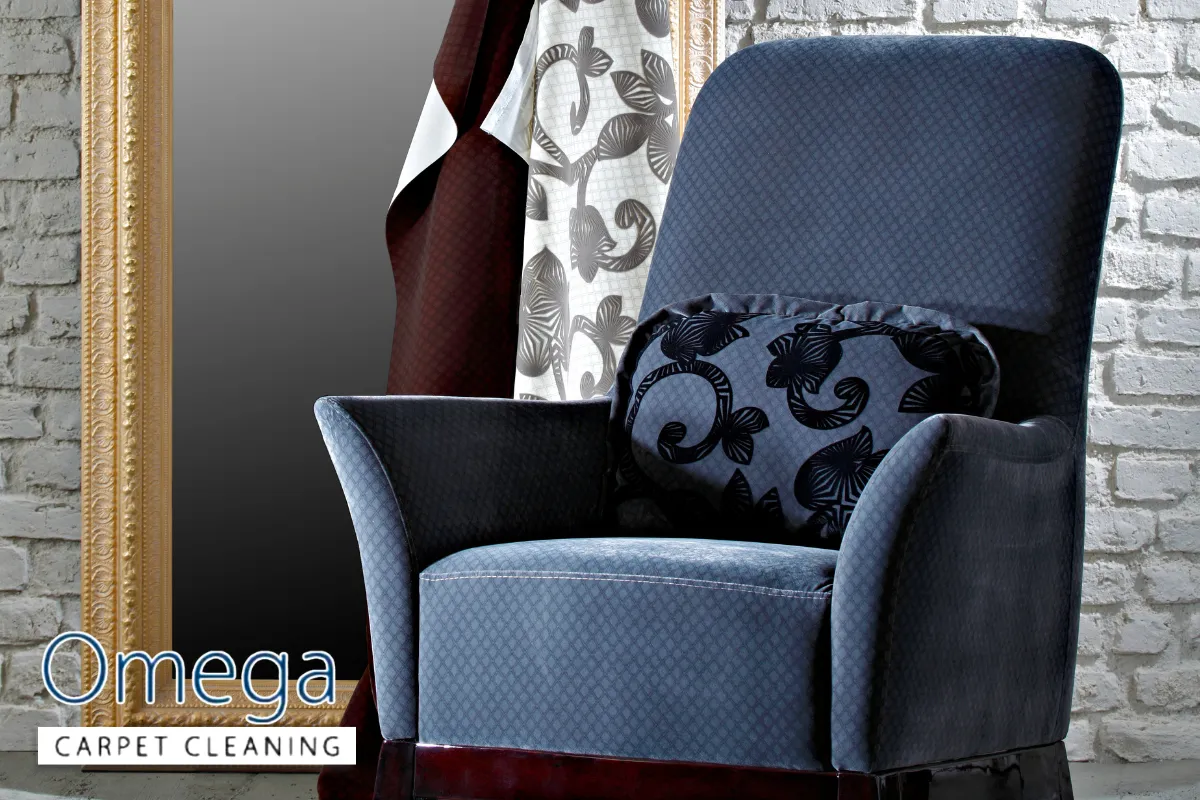
Selecting the right upholstery cleaner is essential for protecting valuable furniture.
What to look for
- Experience with antique fabrics
- Use of non-toxic cleaning solutions
- Knowledge of local climate conditions
- Compliance with Australian safety standards
Cleaning in Melbourne requires awareness of humidity, seasonal changes, and indoor air quality factors that impact furniture longevity.
Preserving value and elegance for years to come

Antique upholsteries are an investment worth protecting. With the right cleaning methods, proper care, and professional support, these pieces can remain beautiful for generations.
Whether using a gentle upholstery washer or hiring professional cleaning services, the key is to prioritise safety over speed. Every fabric tells a story—clean it with care.
Upholstery Cleaning in Melbourne, VIC – Omega Carpet Cleaning
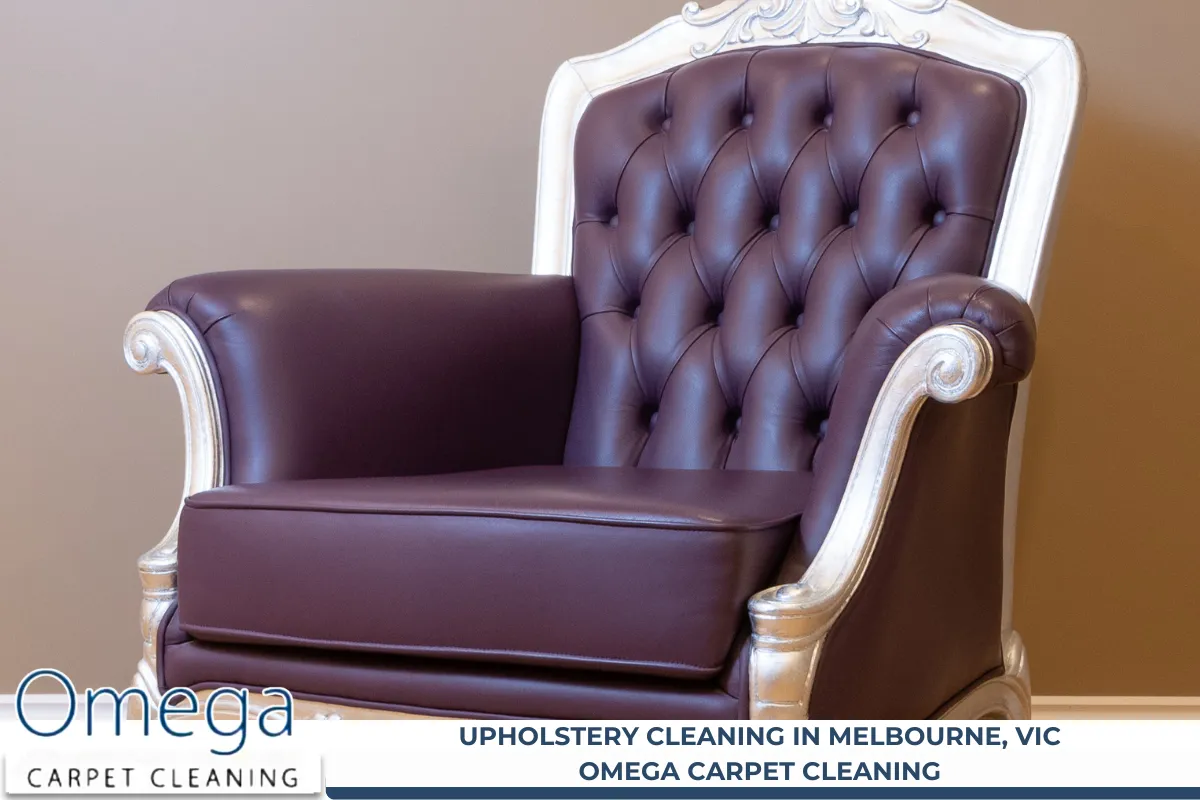
At Omega Carpet Cleaning, we specialise in upholstery cleaning designed to protect even the most delicate fabrics. Our professional team understands the unique challenges of antique upholsteries and uses safe, proven methods tailored to each piece. We combine advanced equipment with gentle cleaning solutions to deliver a deep clean without risking damage. Whether you need stain removal, upholstery washing, or routine maintenance, we are here to help across Melbourne and surrounding areas. We take pride in delivering reliable cleaning services that extend the life of your furniture. Call us today at 0406 996 819 or fill out our contact form to experience expert care you can trust.
Frequently Asked Questions
How often should antique upholstery be professionally cleaned?
Antique upholstery does not require frequent cleaning like modern furniture, but periodic maintenance is essential. Generally, professional cleaning every 12 to 24 months is sufficient, depending on usage and environmental conditions. Homes with pets, children, or high traffic may require more frequent care. Dust accumulation and airborne pollutants in Melbourne can affect delicate fabrics over time. Regular vacuuming between professional services helps maintain cleanliness. Always consult a specialist before scheduling a cleaning, as some antique materials may require customised care plans based on their condition, fabric type, and historical value.
Can antique upholstery be damaged by regular cleaning products?
Yes, many standard cleaning products can damage antique upholstery. These products often contain strong chemicals that can weaken fibres, fade dyes, or cause irreversible staining. Antique fabrics are typically more sensitive than modern materials, making them vulnerable to harsh solutions. Even some eco-friendly cleaners may not be suitable if they alter pH levels or moisture content. It is always recommended to use products specifically designed for delicate fabrics or consult a professional upholstery cleaner. Testing any solution on a hidden area is crucial to prevent unexpected damage.
What is the safest way to remove odours from antique furniture?
Removing odours from antique furniture requires a gentle approach. Harsh deodorisers can damage fabrics or leave chemical residues. Instead, natural methods like baking soda can be effective. Lightly sprinkling it over the surface and vacuuming after a few hours helps absorb odours. Proper ventilation also plays a key role in maintaining freshness. For persistent smells, professional cleaning services can use specialised low-moisture treatments that eliminate odours without harming the fabric. Avoid excessive moisture, as it can lead to mould growth and further damage.
Is it safe to use an upholstery washer on antique furniture?
Using an upholstery washer on antique furniture can be risky if not handled correctly. These machines are designed for modern fabrics and may apply too much moisture or pressure for delicate materials. Antique upholstery often requires low-moisture or dry cleaning techniques instead. If an upholstery washer is used, it should be operated by a professional with experience in handling fragile fabrics. Incorrect use can cause shrinkage, colour bleeding, or structural damage. Always assess the fabric type and condition before deciding on a cleaning method.
How can I protect antique upholstery from future damage?
Protecting antique upholstery involves a combination of preventive care and regular maintenance. Keep furniture away from direct sunlight to prevent fading. Maintain stable indoor humidity levels to avoid moisture-related damage. Use protective covers in high-traffic areas and rotate cushions regularly to distribute wear evenly. Vacuum gently to remove dust and debris. Professional inspections can identify early signs of deterioration before they worsen. Investing in proper care ensures your antique furniture remains in excellent condition for years while preserving its historical and aesthetic value.
Disclaimer: This article provides general guidance on antique upholstery cleaning in Melbourne, VIC. Always consult qualified professionals for specific fabric care, as improper methods may cause damage. Local regulations and safety standards should be followed when performing any cleaning procedures.
Read Red Wine Spill? The Best Upholstery Cleaning Hacks to Save Your Sofa in Melbourne, VIC