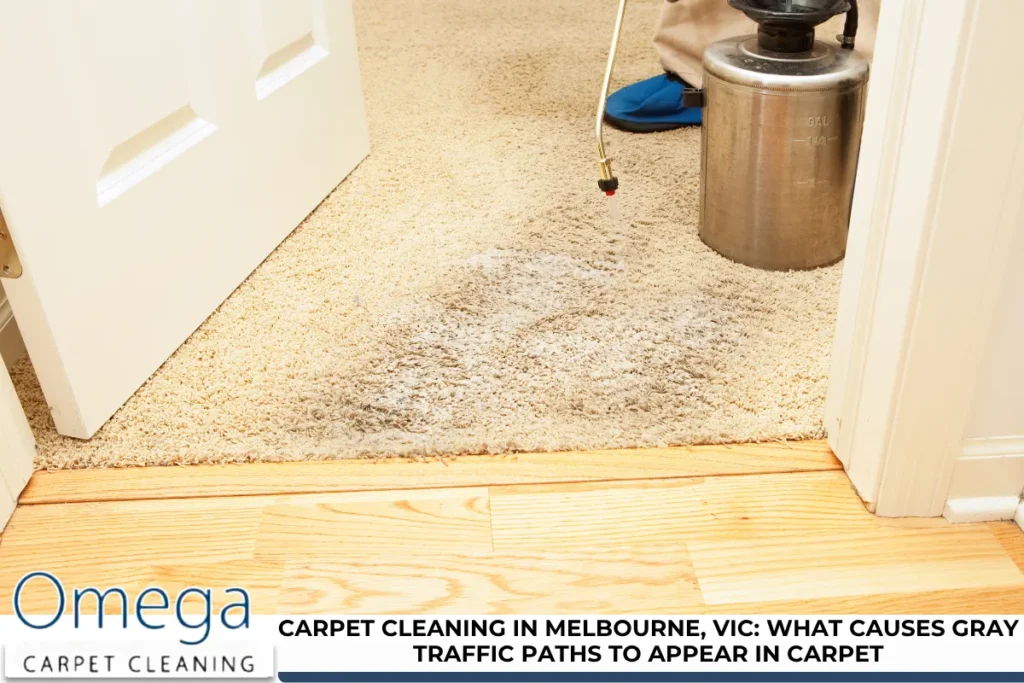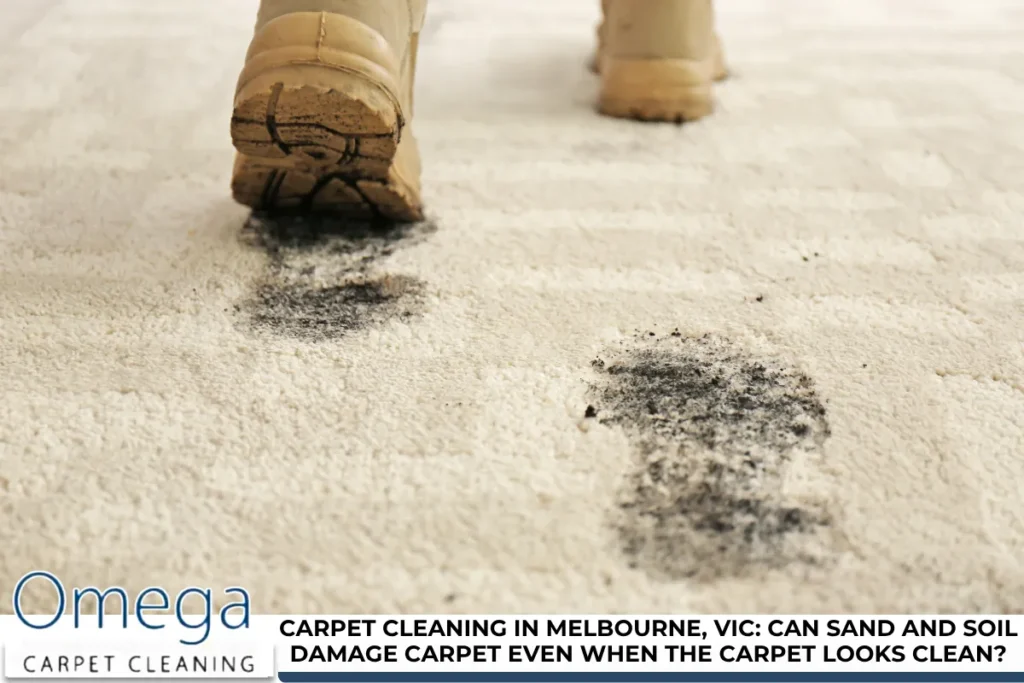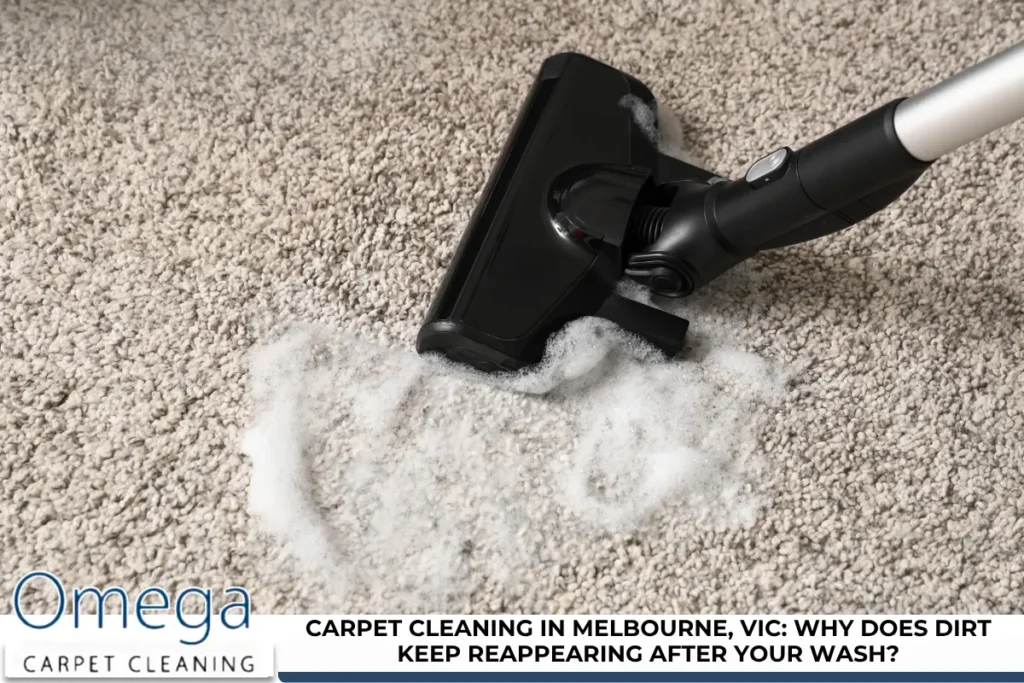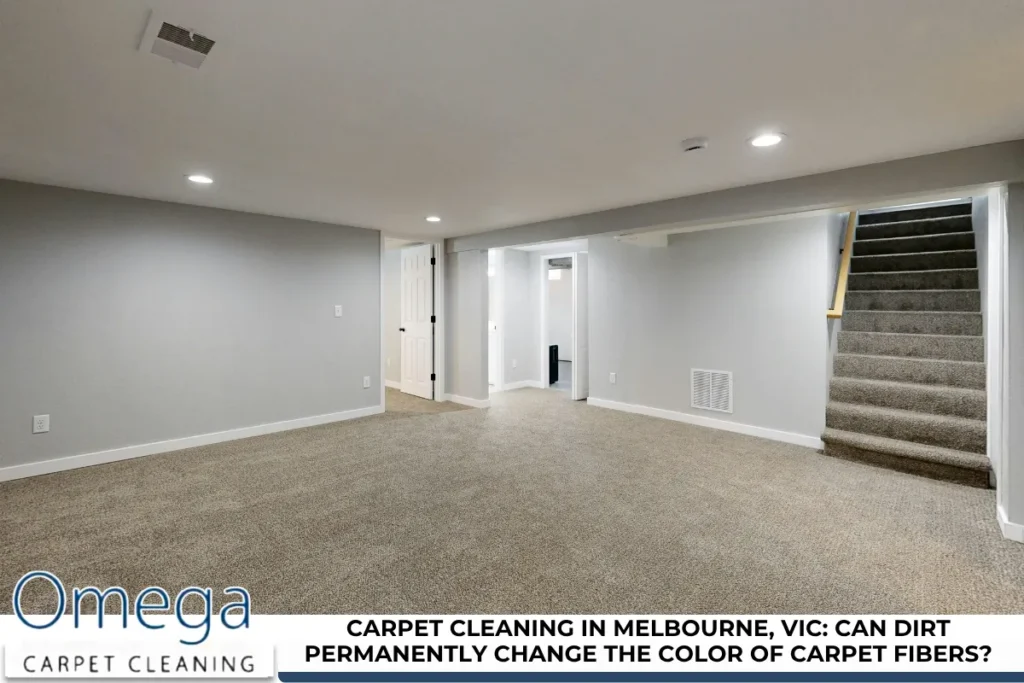


Are you worried about whether your 30-year-old carpet is unhealthy? I get it! It’s tough knowing if that old carpet is just cozy or a hidden health hazard. Old carpets can trap dust, allergens, and even mold, leading to allergy flare-ups, respiratory issues, and general discomfort.
But before you panic, know that there are solutions! The quick answer is: yes, an old carpet can be unhealthy, but it depends on its condition and maintenance. But don’t stop here!
In this article, I’ll walk you through how to inspect your carpet for warning signs like wear, smells, and visible mold. I’ll help you decide if it’s time for a replacement or if a deep carpet cleaning and other strategies can help you create a healthy living environment. Keep reading to uncover the hidden dangers and smart solutions for your carpet concerns
Understanding the Life of a Carpet
Most carpets don’t last forever. In fact, they usually last about 5 to 15 years. Think of it like this: even if you take great care of your carpet, it’s going to start showing its age after about 10 years. Several things affect how long a carpet lasts:
- What it’s made of: Carpets made from natural stuff like wool usually last longer than those made from synthetic stuff like polypropylene.
- How fluffy it is: Carpets with shorter fibers tend to be more durable than high-pile carpets.
- How much it’s used: Carpets in busy areas wear out faster than those in rooms that aren’t used as often.
- How well it’s cleaned: Regular carpet cleaning and professional deep cleaning can really help your carpet last longer.
Uh Oh! Potential Health Hazards

As carpets get older, they can trap all sorts of yucky stuff. The fibers start to wear down, making it easier for dirt and allergens to get stuck. Here are some health risks that can come with old carpets:
- Allergies and Asthma: Old carpets can collect dust mites, pollen, and pet dander. This can make allergies and asthma worse, causing you to sneeze, cough, and have trouble breathing.
- Mold and Mildew: If moisture gets trapped in your carpet, mold and mildew can start to grow. These can release nasty spores that cause respiratory problems and skin irritation.
- Bacteria and Germs: Old carpets can harbor bacteria and other germs that can make you sick, especially if you’re already vulnerable.
- VOCs: Some older carpets may release volatile organic compounds (VOCs), which are harmful chemicals. VOCs can cause headaches, fatigue, and other health issues.
- Lead: If your carpet was installed before 1978, it could contain lead, which is really dangerous, especially for kids.
Gross! Harmful Contaminants Inside
Let’s dive deeper into what could be lurking in your old carpet:
- Dust Mites: These tiny creatures live in carpets and eat dead skin cells. Their droppings are a major cause of allergies and asthma.
- Mold and Mildew: Damp carpets are perfect for mold and mildew. They release spores that can cause all sorts of health problems.
- Pet Dander: If you have pets, their dander (tiny skin flakes) can get trapped in the carpet and cause allergies, even if you’re not allergic to pets.
- Chemical Residues: Carpets can trap chemicals from household cleaners and other products, leading to respiratory issues and headaches.
- Lead: Old carpets might contain lead, which is toxic and can cause serious health problems.
Is It Time to Replace Your Carpet?

So, how do you know if your 30-year-old carpet needs to go? Here are some signs:
- Allergies are Acting Up: If you’re sneezing and coughing more than usual.
- Getting Sick More Often: Frequent respiratory infections or illnesses.
- Skin Irritation: Persistent skin irritation or eczema.
- Headaches and Fatigue: Recurring headaches or feeling tired all the time.
- Visible Mold: You can see mold or mildew growing on the carpet.
- Stinky Smells: Unpleasant odors that just won’t go away, even after carpet cleaning.
- Wear and Tear: Lots of matting, fraying, or shedding.
- Stains: Permanent stains that refuse to come out, even with the best carpet stain removal.
- Damage: Rips, tears, burns, or other damage.
- Padding Problems: The padding underneath is old, uneven, wrinkled, or cracked.
Checking Your Carpet’s Health
If you’re not sure, here’s how to check your carpet:
- Look Closely: Check for wear, stains, and tears.
- Take a Sniff: See if there are any bad smells, even after cleaning the carpet.
- Get a Pro: A professional can inspect your carpet for hidden damage and potential health hazards.
The Good Stuff: Benefits of a New Carpet
Getting rid of that old carpet and replacing it with a new one has lots of benefits:
- Better Air: New carpets won’t trap as much dust and allergens.
- Comfy and Soft: A new carpet feels great under your feet.
- Fresh Smells: No more yucky old carpet odors!
- Healthier Home: Fewer germs, dust mites, and mold!
- Safety: New carpets are often more fire-resistant and less slippery.
Picking a Healthy Carpet
If you’re ready for a new carpet, here’s what to look for:
- Fiber Type: Nylon or polyester are good choices because they’re durable and resist stains.
- Pile Height: Low pile carpets are easier to clean.
- Certifications: Look for the CRI Green Label Plus, which means the carpet has low VOC emissions.
- Installation: Have it installed by a professional to prevent moisture and mold.
What If You Can’t Replace It Right Now?

If a new carpet isn’t in your budget, don’t worry! Here are some things you can do:
- Deep Cleaning: Have your carpet professionally cleaned to remove dirt and allergens.
- Area Rugs: Use area rugs to cover high-traffic areas and protect the carpet underneath.
- Air Purifier: Get an air purifier to help remove dust and allergens from the air.
- Steam Cleaning: Regular steam carpet cleaning can help kill anything nasty lurking in the carpet.
- Pull it Up: Consider pulling up the carpet and using area rugs instead.
Other Flooring Options
If you want to ditch carpet altogether, there are some great alternatives:
- Laminate, Vinyl, and Engineered Wood: These are easy to clean and don’t have the same health risks as carpets.
- Bamboo: This is a budget-friendly and eco-friendly option.
Making Your Home a Haven: Time for a Carpet Checkup
So, is your 30-year-old carpet unhealthy? It definitely could be! Old carpets can harbor all sorts of nasty stuff that can affect your health. Replacing that old carpet can make a big difference in your home’s air quality and your overall well-being!
It is important to consider if it’s time to say goodbye to your old carpet and hello to a healthier home! Take care of your carpet, and it will take care of you! For personalized advice, chat with a carpet cleaning professional or an indoor air quality expert. Prioritizing your health and comfort is always a smart move!
Melbourne Carpet Cleaning – Omega Carpet Cleaning

Is your 30-year-old carpet making you question your home’s air quality? At Omega Carpet Cleaning, we understand the concerns surrounding old carpets and the potential health hazards they harbor. Don’t let dust, allergens, and hidden pollutants compromise your family’s well-being!
Omega Carpet Cleaning offers specialized carpet cleaning services designed to revitalize your carpets, removing years of accumulated dirt and allergens. If replacement isn’t an option, our deep cleaning can significantly improve your indoor environment.
- Experienced Professionals: Certified technicians with industry-leading expertise
- Eco-Friendly Solutions: Safe for your family and pets
- Advanced Equipment: State-of-the-art technology for superior results
- Melbourne-Wide Service: Prompt and reliable service throughout Melbourne
Call us today at 0406 996 819 for a free consultation and breathe easier knowing your carpets are in expert hands! Let Omega Carpet Cleaning help you create a healthier, cleaner home!
Frequently Asked Questions
Besides allergens, what other hidden dangers could be lurking in my 30-year-old carpet?
Beyond the typical allergens like dust mites and pet dander, old carpets can accumulate a variety of less obvious contaminants. These can include lead particles (especially if your home was built before 1978), pesticide residues tracked in from outdoors, and even asbestos fibers if the carpet or its padding was installed in older homes that used asbestos-containing materials. Regular professional carpet cleaning, along with an understanding of your home’s history, can help mitigate these risks.
I rent my home and can’t replace the carpet. What are my rights and options for dealing with potentially unhealthy, old carpeting?
As a renter, you have the right to a safe and habitable living environment. Start by documenting your concerns about the carpet in writing to your landlord, detailing any specific health symptoms you or your family are experiencing. Request that the carpet be professionally cleaned or replaced if it poses a health hazard. If your landlord is unresponsive, you may have grounds to contact your local housing authority or seek legal advice, depending on your local tenant laws. In the meantime, focus on strategies like frequent vacuuming with a HEPA filter vacuum, using area rugs, and ensuring good ventilation to minimize your exposure to potential contaminants.
How can I tell if the padding under my carpet is contributing to the problem, and what should I do about it?
Carpet padding can be a significant source of allergens and odors, especially as it ages and deteriorates. Signs that your padding is problematic include:
- Unevenness or lumps in the carpet surface.
- A musty or stale odor that persists even after carpet cleaning.
- A “crunching” or “crinkling” sound when you walk on the carpet.
If you suspect your padding is the issue, consider having a professional inspect it. Replacing the padding is often more cost-effective than replacing the entire carpet and can significantly improve indoor air quality.
What are some eco-friendly and non-toxic carpet cleaning methods I can use on my old carpet?
Traditional carpet cleaning products can contain harsh chemicals that contribute to VOCs. Instead, opt for eco-friendly alternatives such as:
- Vinegar and baking soda: These natural ingredients can help deodorize and lift stains.
- Enzyme-based cleaners: These use natural enzymes to break down organic stains and odors.
- Professional steam cleaning with water only: This method uses high heat to sanitize without chemicals.
Always ensure adequate ventilation after cleaning to allow the carpet to dry thoroughly and prevent mold growth.
Can simply covering the old carpet with rugs provide adequate protection from its potential health hazards?
While covering an old carpet with rugs can offer some benefit by creating a barrier and reducing direct contact, it’s not a complete solution. The underlying carpet can still release allergens and VOCs into the air, and moisture can still become trapped, leading to mold growth. Rugs should be seen as part of a broader strategy that includes frequent vacuuming, professional cleaning, and addressing any underlying moisture issues.
Are there specific types of air purifiers that are most effective at removing carpet-related allergens and pollutants?
Yes, when selecting an air purifier to combat carpet-related allergens and pollutants, look for the following features:
- HEPA filter: This will capture dust, pollen, pet dander, and other particulate matter.
- Activated carbon filter: This will help remove VOCs and odors.
- Sufficient CADR (Clean Air Delivery Rate): Ensure the purifier is appropriately sized for the room you intend to use it in.
Regularly cleaning or replacing the filters is also essential to maintain the purifier’s effectiveness.
If I decide to replace my old carpet, what should I do with the old one to minimize environmental impact?
Disposing of old carpet responsibly is important. Contact your local waste management authority to inquire about carpet recycling programs in your area. Some manufacturers also offer carpet take-back programs. If recycling isn’t an option, consider donating the carpet to a local charity or organization that can repurpose it. As a last resort, ensure the carpet is properly disposed of in a landfill.
Read Should You Hire a Carpet Cleaner or DIY? Pros and Cons for Melbourne Homes