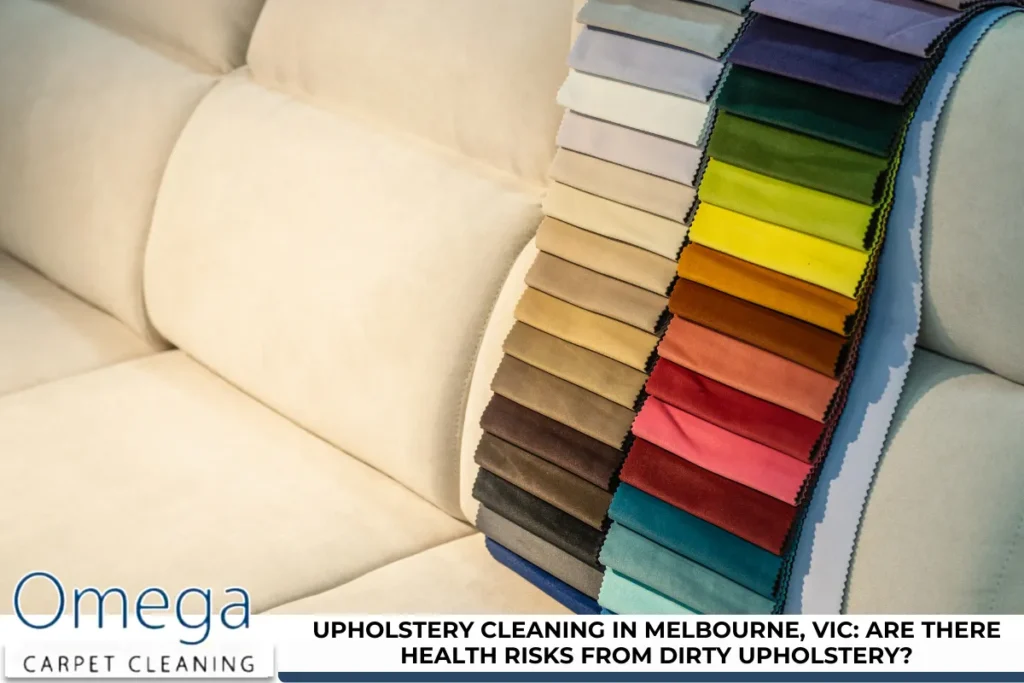

Why Ignoring Your Furniture Could Be Affecting Your Health
Upholstery Cleaning in Melbourne, VIC is often overlooked until stains, odours, or visible dirt appear, yet the real problem usually hides beneath the surface. Over time, sofas, chairs, and mattresses collect dust mites, allergens, bacteria, and pollutants that regular vacuuming cannot remove. These contaminants can aggravate allergies, worsen asthma, and create an unhealthy indoor environment—especially in busy households or high-density urban areas like Melbourne. The longer upholstery is left untreated, the deeper these particles embed themselves into the fabric. Professional upholstery cleaning offers a practical solution by extracting harmful build-up, restoring hygiene, and improving indoor air quality. Understanding the health risks linked to dirty upholstery is the first step toward protecting your home and well-being.
What Actually Lives Inside Dirty Upholstery?
Upholstered furniture acts like a sponge. Every time someone sits down, tiny particles are pushed deeper into the fabric. While furniture may look clean, it can harbour a range of invisible contaminants.
Common Pollutants Found in Upholstery
- Dust mites and their waste
- Pollen and outdoor allergens
- Pet dander and hair
- Food crumbs and organic debris
- Bacteria, mould spores, and fungi
- Airborne pollutants tracked in from outdoors
In Melbourne’s variable climate, moisture from humidity or spills can encourage microbial growth inside upholstery fibres. Without proper drying and extraction, this creates ideal conditions for mould and bacteria to thrive.
How Dirty Upholstery Impacts Indoor Air Quality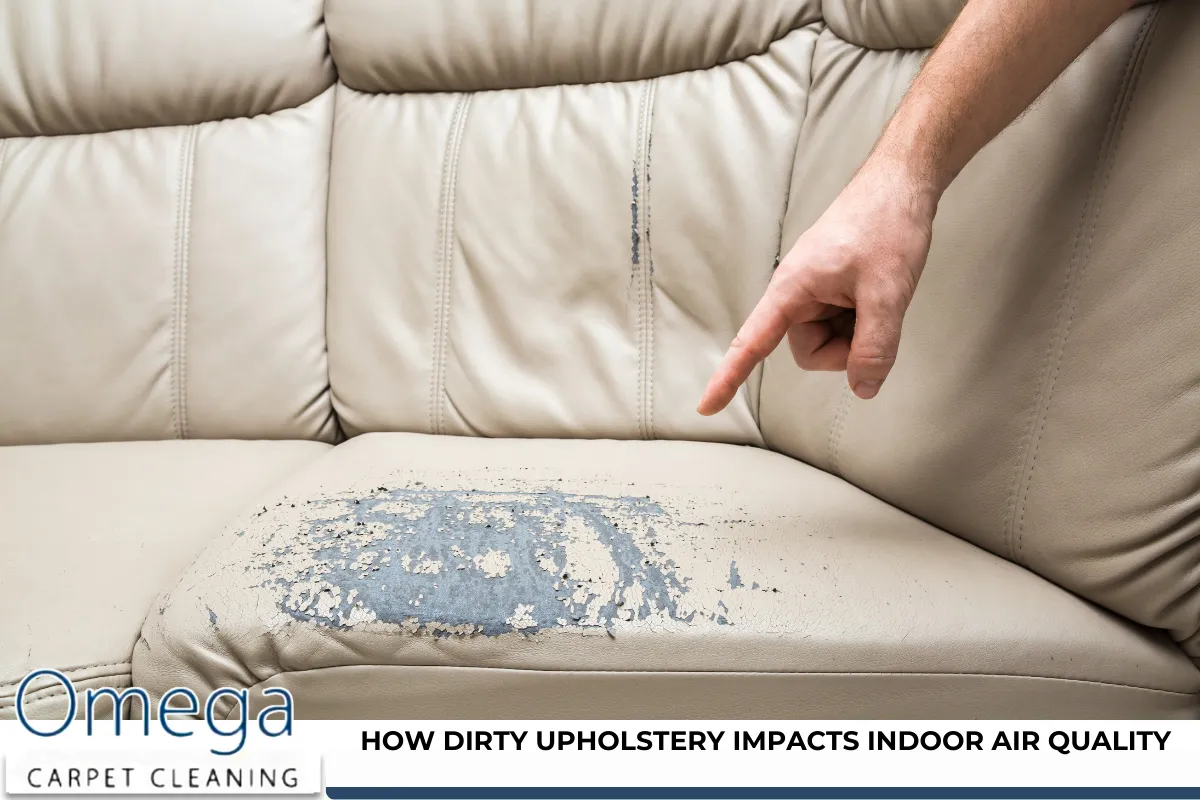
Indoor air quality is a growing concern in Australian homes. Upholstered furniture contributes significantly to airborne particles released into living spaces.
Fabric Fibres as Airborne Triggers
Every movement on a couch or armchair releases trapped dust and allergens back into the air. These particles are then inhaled, which may cause:
- Sneezing, coughing, or itchy eyes
- Respiratory irritation
- Headaches and fatigue
- Increased asthma symptoms
For households with children, seniors, or people with compromised immune systems, unclean upholstery poses a higher health risk.
The Link Between Upholstery and Allergies
Allergy symptoms are not always seasonal. Many Melbourne residents experience year-round discomfort without realising their furniture is part of the cause.
Dust Mites and Allergen Build-Up
Dust mites thrive in soft furnishings where warmth, skin flakes, and moisture are present. Their waste particles are a common indoor allergen and cannot be eliminated through surface cleaning alone.
Regular upholstery cleaning reduces allergen concentration, helping to create a more comfortable living environment for allergy-sensitive individuals.
Bacteria and Germs on Upholstered Furniture
Upholstery comes into contact with skin, clothing, pets, and food daily. This makes it a breeding ground for bacteria.
High-Touch Areas That Are Rarely Sanitised
Armrests, headrests, and seat cushions accumulate germs faster than most people expect. Research shows upholstered surfaces can retain bacteria for extended periods, especially when spills are not properly treated.
Professional upholstery cleaner methods use hot water extraction or low-moisture systems that reach deep into fibres, removing bacteria without damaging fabric.
Mould Growth: A Hidden Threat in Upholstery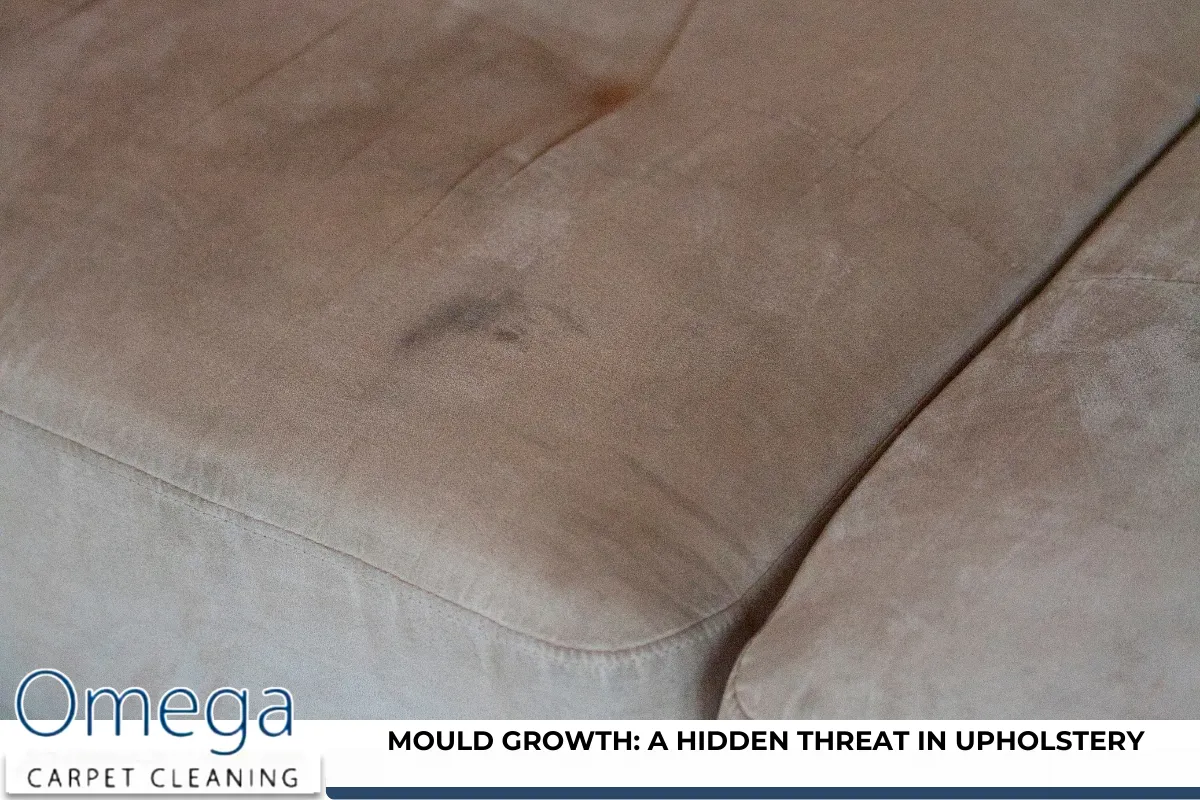
Mould is not always visible. In many cases, it develops inside cushions or padding.
Why Melbourne Homes Are at Risk
Melbourne’s weather includes fluctuating humidity levels. When combined with spills, condensation, or improper drying, moisture becomes trapped in upholstery. This can lead to:
- Musty odours
- Fabric deterioration
- Respiratory issues from mould spores
Routine professional cleaning and proper drying are essential for preventing mould-related health risks.
Upholstery and Asthma: A Closer Look
Asthma sufferers are particularly vulnerable to indoor pollutants.
Triggers Hidden in Soft Furnishings
Dust, pet allergens, and microbial particles trapped in upholstery can trigger asthma attacks. Even well-ventilated homes can experience poor air quality if furniture is neglected.
Consistent upholstery cleaning helps reduce these triggers and supports better respiratory health.
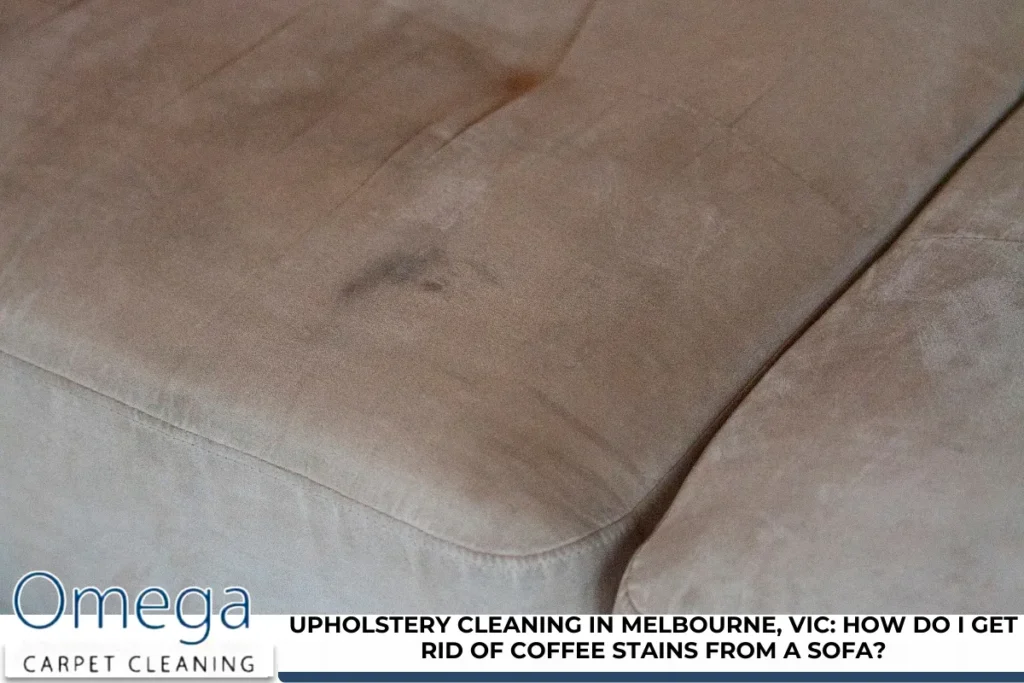
Read Upholstery Cleaning in Melbourne, VIC: How Do I Get Rid of Coffee Stains From a Sofa?
How Often Should Upholstery Be Professionally Cleaned?
Cleaning frequency depends on usage, household size, and environmental factors.
Recommended Upholstery Cleaning Schedule
- Every 6–12 months for average households
- Every 3–6 months for homes with pets or allergies
- Immediately after spills, pet accidents, or water damage
Regular maintenance prevents deep contamination and prolongs the life of upholstered furniture.
DIY Cleaning vs Professional Upholstery Cleaning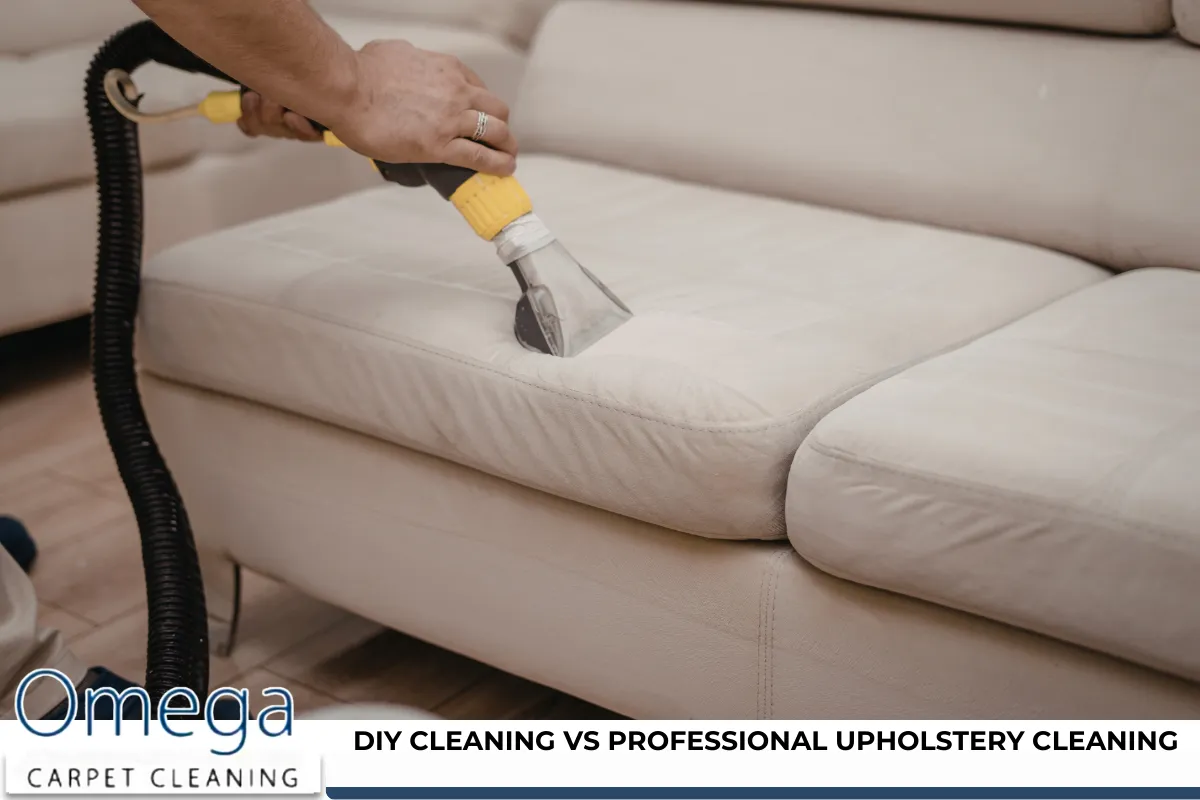
Many homeowners attempt DIY solutions, but these often fail to address deep-seated issues.
Limitations of Household Cleaning Methods
DIY methods may:
- Only clean surface-level dirt
- Leave behind excess moisture
- Spread stains or bacteria deeper into fabric
Professional upholstery cleaner equipment is designed to extract contaminants thoroughly while controlling moisture levels, ensuring safe and effective results.
Fabric Types and Health Considerations
Different upholstery materials require specialised cleaning approaches.
Common Upholstery Fabrics in Melbourne Homes
- Cotton and linen
- Wool blends
- Synthetic fibres
- Leather and suede
Using incorrect cleaning agents can damage fibres or leave residues that attract more dirt. Professional services tailor methods to fabric type, protecting both health and furniture integrity.
Upholstery Cleaning and Australian Health Standards
In Victoria, cleaning practices must comply with safety and environmental guidelines. Reputable services use approved products that are safe for indoor use and minimise chemical exposure.
Professional upholstery cleaning aligns with best practices for hygiene, waste management, and consumer safety, supporting healthier indoor environments.
Signs Your Upholstery Needs Immediate Attention
Ignoring early warning signs can increase health risks.
Red Flags to Watch For
- Persistent odours
- Visible stains or discolouration
- Increased allergy symptoms at home
- Mouldy or damp smells
- Fabric feeling sticky or gritty
Addressing these issues promptly helps prevent long-term health concerns.
Why Upholstery Cleaning Is Part of Preventive Home Care
Just like carpets and air filters, upholstery requires routine maintenance. Clean furniture supports:
- Improved indoor air quality
- Reduced allergens and bacteria
- Longer furniture lifespan
- A healthier living space
In busy urban areas like Melbourne, preventive cleaning is a practical investment in household well-being.
Upholstery Cleaning in Melbourne, VIC – Omega Carpet Cleaning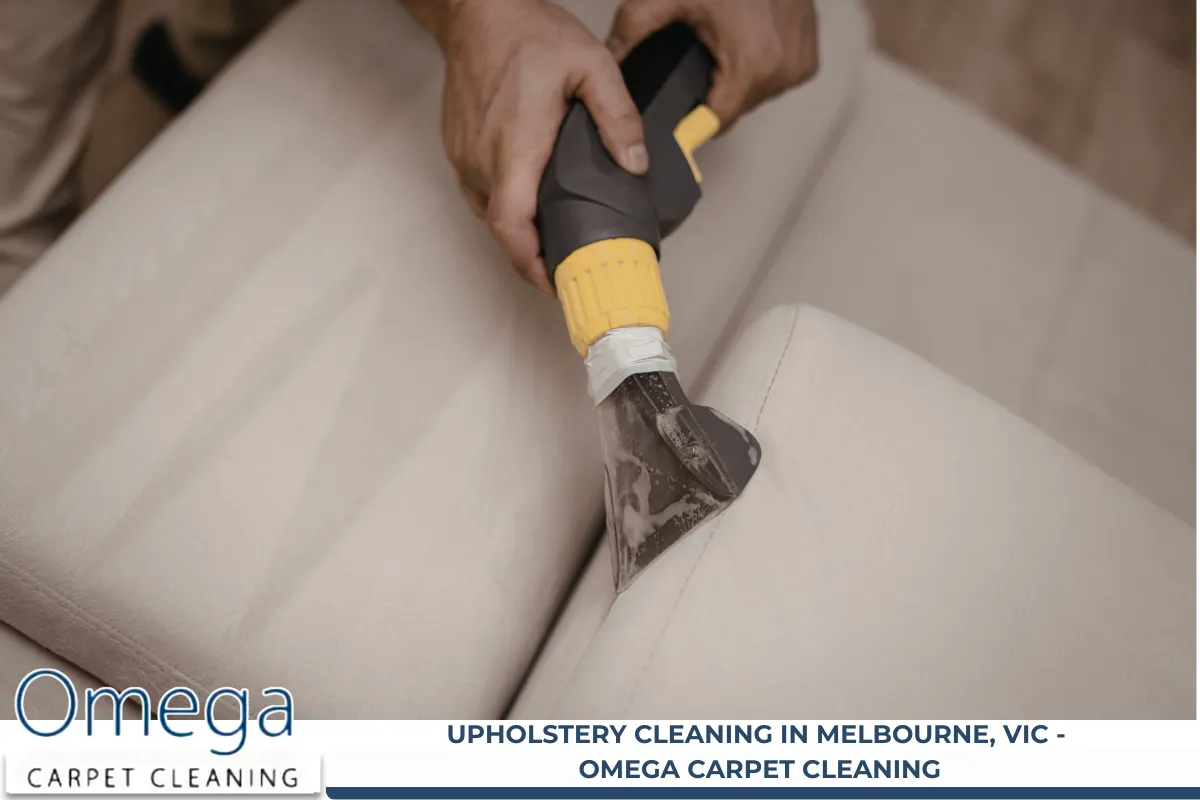
We understand how easily upholstery can collect hidden dirt, allergens, and bacteria in everyday living. At Omega Carpet Cleaning, we provide professional upholstery cleaning services across Melbourne, Victoria and surrounding areas, using proven methods that prioritise health, fabric safety, and long-lasting results. Our experienced team removes deep-seated contaminants that regular cleaning cannot reach, helping create a fresher and healthier home environment. Whether you’re dealing with stains, odours, or allergy concerns, we’re here to help. Call us on 0406 996 819 or fill out our contact form today to book a reliable upholstery cleaner you can trust. Your furniture—and your health—deserve proper care.
Frequently Asked Questions
How does upholstery cleaning improve indoor air quality?
Upholstery cleaning removes dust, allergens, and microscopic particles trapped within fabric fibres. When furniture is cleaned professionally, fewer contaminants are released into the air during daily use. This reduction can significantly improve indoor air quality, particularly in enclosed spaces. Cleaner air helps minimise respiratory irritation, reduces allergy symptoms, and supports overall comfort in the home, especially for people sensitive to airborne pollutants.
Can dirty upholstery cause skin irritation?
Yes, dirty upholstery can contribute to skin irritation. Fabrics that accumulate bacteria, sweat, pet dander, and cleaning residue may trigger rashes or itching, especially for individuals with sensitive skin. Professional upholstery cleaning removes these irritants, reducing the risk of contact-related skin issues and creating a cleaner surface for daily use.
Is upholstery cleaning safe for children and pets?
Professional upholstery cleaning is generally safe for children and pets when approved cleaning solutions and proper techniques are used. Reputable services follow safety guidelines, use appropriate products, and ensure thorough extraction and drying. This helps eliminate harmful residues while creating a cleaner, healthier environment for vulnerable household members.
Does upholstery cleaning remove unpleasant odours permanently?
Upholstery cleaning can effectively remove odours caused by spills, pets, smoke, and bacteria. Professional methods target the source of odours deep within the fabric rather than masking them. When done correctly, cleaning eliminates the particles responsible for smells, leading to longer-lasting freshness compared to surface treatments.
Can regular upholstery cleaning extend furniture lifespan?
Yes, routine upholstery cleaning helps maintain fabric integrity by removing abrasive dirt and debris that wear down fibres over time. Clean upholstery is less prone to staining, fabric breakdown, and permanent damage. This maintenance approach extends the usable life of furniture and preserves its appearance and comfort.
Disclaimer: This article is intended for general informational purposes only and does not replace professional advice. Upholstery cleaning needs may vary based on fabric type, usage, and household conditions. Always consult a qualified professional for specific concerns.
Read Carpet Cleaner in Melbourne, VIC: Rugs vs. Wall-to-Wall Carpet: Which One’s Easier to Maintain?